On this page
- Lagos: Dramatic Cliffs and Bohemian Beach Vibes
- Albufeira: Central Hub for Beach-Hopping and Nightlife
- Faro: Gateway City with Authentic Portuguese Character
- Sagres: Wild Atlantic Edge for Surfers and Nature Lovers
- Tavira: Eastern Elegance and Ria Formosa Tranquility
- Vila Real de Santo António: Border Town Beach Access
- Portimão: Modern Resort Base with Family Appeal
- Transportation Between Algarve Towns: Getting Around in 2026
- Frequently Asked Questions
💰 Click here to see Portugal Budget Breakdown
💰 Prices updated: August, 2026. Budget figures are estimates — always verify before travel.
Exchange Rate: $1 USD = €0.86
Daily Budget (per person)
Shoestring: €40.00 – €90.00 ($46.51 – $104.65)
Mid-range: €130.00 – €200.00 ($151.16 – $232.56)
Comfortable: €250.00 – €500.00 ($290.70 – $581.40)
Accommodation (per night)
Hostel/guesthouse: €15.00 – €45.00 ($17.44 – $52.33)
Mid-range hotel: €100.00 – €190.00 ($116.28 – $220.93)
Food (per meal)
Budget meal: €10.00 ($11.63)
Mid-range meal: €35.00 ($40.70)
Upscale meal: €100.00 ($116.28)
Transport
Single metro/bus trip: €2.00 ($2.33)
Monthly transport pass: €40.00 ($46.51)
Portugal’s southern coast remains Europe’s most sought-after beach destination in 2026, but choosing where to base yourself among the Algarve‘s distinct towns can make or break your trip. Each area offers dramatically different experiences — from Lagos’ dramatic clifftop setting to Faro’s working-city authenticity — and your choice depends entirely on what kind of Algarve experience you’re after.
Lagos: Dramatic Cliffs and Bohemian Beach Vibes
Lagos anchors the western Algarve with some of Portugal’s most photographed coastline. The golden sandstone cliffs of Ponta da Piedade create natural arches and hidden coves that feel almost tropical when the morning sun hits the turquoise water. The town itself balances historical charm with a laid-back international community drawn by year-round surfable waves and creative energy.
Stay in the historic center if you want to walk everywhere. Rua 25 de Abril forms the main pedestrian spine, lined with family-run restaurants serving grilled sardines and local Monchique honey desserts. The area around Praça Luís de Camões buzzes with outdoor café tables where digital nomads work laptops during the day and locals gather for evening wine.
For beach access, consider accommodations near Meia Praia, Lagos’ longest stretch of sand. This 4-kilometer beach offers consistent space even in July, unlike the smaller coves that pack quickly. The eastern end connects to the marina district, where modern apartments overlook bobbing fishing boats and charter vessels heading to Ponta da Piedade.
Lagos works best for travelers who prioritize natural beauty over convenience. The dramatic coastal walks require sturdy shoes and sun protection, but reward you with views that justify every Instagram cliché about the Algarve. The town’s compact size means you’ll recognize faces after a few days — both blessing and limitation depending on your travel style.

Best Areas in Lagos
- Historic Center: Walkable to restaurants, bars, and cultural sites. Can get noisy during summer festivals.
- Meia Praia: Beach access with morning runs along the sand. Limited dining options require walking or driving to town.
- Porto de Mós: Quieter residential area with dramatic cliff access. Popular with families and longer-stay visitors.
Albufeira: Central Hub for Beach-Hopping and Nightlife
Albufeira divides clearly between the old fishing village on the cliff and the modern resort strip along Praia dos Pescadores. The contrast works in your favor — choose historical Albufeira for cobblestone charm and local seafood, or the beach zone for immediate sand access and international dining.
The old town centers around Largo Engenheiro Duarte Pacheco, where traditional azulejo tiles cover restaurant walls and the smell of grilled octopus drifts from family kitchens. This area stays lively year-round with Portuguese families and return visitors who book the same guesthouse annually. Accommodation here typically means converted townhouses with thick walls that muffle street noise.
Albufeira’s beach strip extends from Praia dos Pescadores east to Praia da Oura, offering the Algarve’s densest concentration of resorts, bars, and tourist infrastructure. The famous Strip (Avenida Dr. Francisco Sá Carneiro) pulses with British pubs, karaoke bars, and late-night kebab shops that cater to package tourism. This energy can feel overwhelming or exactly what you want, depending on your vacation goals.
For a middle ground, consider staying near Praia da Falésia, about 10 minutes east of central Albufeira. The red limestone cliffs here provide dramatic backdrops without the old town’s crowds or the Strip’s intensity. Several quality resorts occupy this stretch, with direct beach access via wooden walkways down the cliff face.
Beach Access from Albufeira

Albufeira’s central location makes it the best base for exploring multiple beaches. Praia da Marinha and Benagil Cave sit 15 minutes west — early morning visits beat the tour boat crowds. East toward Vilamoura, Praia da Falésia stretches for kilometers with consistent space and natural shade from cliff overhangs.
The municipal bus system connects major beaches during summer months, but rental cars provide flexibility for hidden coves like Praia da Coelha or Praia do Carvalho. These smaller beaches fill quickly but offer the golden sand and clear water that define classic Algarve imagery.
Faro: Gateway City with Authentic Portuguese Character
Most travelers rush through Faro to reach resort towns, missing the Algarve’s most authentic Portuguese city experience. The capital balances working-city energy with easy access to both beaches and the pristine Ria Formosa Natural Park. Stay here for lower prices, genuine local culture, and excellent transportation connections across the region.
Faro’s historic center, enclosed by medieval walls, contains the region’s best concentration of museums, traditional restaurants, and local life. The area around Largo da Sé showcases Portuguese architecture without tourist polish — azulejo tiles show weathering, restaurant menus stay in Portuguese, and morning coffee costs half the resort prices.
For beach access, Faro offers something unique: barrier island beaches reached by ferry from the marina. Ilha de Faro provides 7 kilometers of sand with natural dune protection and minimal development. The 15-minute ferry ride filters out casual visitors, leaving uncrowded beaches even in peak summer.
Accommodation in Faro ranges from boutique hotels in converted mansions to modern business hotels near the airport. The city works particularly well for visitors planning day trips across the Algarve — trains reach Lagos in 90 minutes, buses serve coastal towns hourly, and the airport provides last-minute flight flexibility.
Why Choose Faro as Your Base

- Authentic culture: Working Portuguese city with genuine local restaurants and traditional festivals
- Transportation hub: Central location with train, bus, and flight connections throughout Portugal
- Budget advantage: Accommodation and dining costs 30-40% lower than resort towns
- Ria Formosa access: Gateway to protected wetlands with unique ecosystem and quiet beaches
Sagres: Wild Atlantic Edge for Surfers and Nature Lovers
Sagres occupies the southwestern tip of Europe, where Atlantic swells create consistent surf and dramatic sunsets paint the sky each evening. This small town attracts surfers, hikers, and travelers seeking the Algarve’s wildest coastline. The landscape here shifts from typical golden beaches to rugged clifftops and protected marine areas.
The town itself remains refreshingly uncommercial. A handful of surf shops, seafood restaurants, and guesthouses serve the steady flow of wave-riders and nature enthusiasts. Accommodations range from surfer hostels with board storage to clifftop pousadas with Atlantic views that stretch to the horizon.
Sagres works best for active travelers comfortable with limited dining options and evening entertainment. The payoff comes in world-class surf breaks, hiking trails through protected landscape, and sunset viewing from Cabo de São Vicente that requires no filter enhancement. The fortaleza (fortress) provides historical context for this strategically important cape that Portuguese navigators used as their jumping-off point for oceanic exploration.
Beach options suit different interests. Praia do Martinhal offers family-friendly conditions with organized surf lessons, while Praia do Beliche challenges experienced surfers with powerful breaks against dramatic cliff backdrops. Praia da Bordeira, 15 minutes north, provides the region’s most expansive sand and consistent waves for all skill levels.
Tavira: Eastern Elegance and Ria Formosa Tranquility

Tavira preserves the Algarve’s most elegant architecture while providing access to pristine barrier island beaches through the Ria Formosa system. The town straddles the Gilão River, with Roman bridge connections between the historic center and newer residential areas. Tavira appeals to travelers seeking sophistication without resort artificiality.
The historic center showcases perfectly maintained Portuguese architecture. White-washed buildings with terracotta roofs line cobblestone squares where locals gather for evening coffee and conversation. Over 20 churches within walking distance demonstrate Tavira’s historical importance, while traditional restaurants serve cataplana seafood stews and local wine from nearby vineyards.
Tavira’s beach access requires a short journey but rewards with some of Portugal’s best sand. Ilha de Tavira stretches 11 kilometers with minimal development and natural protection from Atlantic swells. The ferry from Quatro Águas (15 minutes from town center) operates year-round, while summer months add direct service from central Tavira.
Accommodation options reflect Tavira’s refined character. Converted palaces offer boutique luxury with period details, while traditional pousadas provide authentic Portuguese hospitality. The town’s eastern Algarve location makes it ideal for exploring the Spanish border region and experiencing the distinct culture of this less-touristed area.
Tavira’s Unique Advantages
- Architectural preservation: Authentic Portuguese town center with strict building regulations maintaining historical character
- Ria Formosa gateway: Access to protected wetlands with exceptional bird watching and pristine beaches
- Cultural depth: Active local community with traditional festivals and genuine Portuguese restaurants
- Eastern Algarve exploration: Base for visiting less-touristed areas toward the Spanish border
Vila Real de Santo António: Border Town Beach Access
Portugal’s easternmost Algarve town offers unique advantages for specific travelers. Vila Real de Santo António sits directly on the Spanish border, connected to Ayamonte by ferry across the Guadiana River. The town provides access to extensive beaches while maintaining lower prices than central Algarve resorts.

The geometric town center reflects 18th-century planning with wide avenues and uniform architecture. While lacking the charm of Tavira or Lagos, Vila Real offers practical advantages: excellent value accommodations, direct beach access, and easy exploration of both Portuguese and Spanish coastal areas. The weekly market brings Spanish shoppers across the border for Portuguese textiles and ceramics.
Praia de Vila Real extends east toward the Spanish border with minimal development and consistent space even during peak summer. The beach provides natural windbreaks from pine forests and easy parking near sand access points. Conditions suit families with young children due to gentle waves and lifeguard coverage during summer months.
Vila Real works particularly well for longer stays and visitors planning to explore both countries. The town’s practical nature and competitive prices make it viable for extended visits, while the border location provides cultural variety through easy day trips into Andalusian Spain.
Portimão: Modern Resort Base with Family Appeal
Portimão combines urban conveniences with immediate beach access, making it the Algarve’s most practical base for families and travelers prioritizing modern amenities. The city offers shopping centers, international dining, and entertainment options while providing direct access to Praia da Rocha, one of the region’s most developed beaches.
The historic center along the Arade River maintains Portuguese character with traditional restaurants and local markets, while the modern city extends inland with suburban shopping and residential areas. This dual character lets you choose between authentic Portuguese experiences and international resort conveniences within the same city.
Praia da Rocha anchors Portimão’s appeal with 3 kilometers of golden sand backed by distinctive red cliffs and complete resort infrastructure. The beach provides organized activities, water sports rentals, and consistent lifeguard coverage. Accommodation ranges from beachfront resorts to city center business hotels, with excellent public transportation connecting different areas.

Portimão’s central Algarve location makes it ideal for day trips throughout the region. The A22 highway provides easy car access east and west, while train service connects to Faro and Lagos. The city’s size ensures multiple dining and entertainment options when beach time winds down each evening.
Family-Friendly Features
- Praia da Rocha: Organized beach with activities, rentals, and safety services
- Algarve Shopping: Major mall with international brands, cinema, and food court
- Zoomarine: Marine park with dolphin shows and water attractions 15 minutes away
- Municipal facilities: Public pools, sports centers, and playgrounds throughout the city
Transportation Between Algarve Towns: Getting Around in 2026
The Algarve’s improved transportation network in 2026 makes multi-town exploration more feasible than ever. CP’s upgraded rail service now connects all major towns with consistent scheduling, while enhanced bus networks fill gaps to smaller destinations and beaches.
Railway Connections
The Linha do Algarve runs from Vila Real de Santo António to Lagos with stops in all major towns. Journey times between adjacent towns average 30-45 minutes, making day trips practical. Faro serves as the central hub with most frequent service — trains to Lagos run hourly during summer, every two hours off-season.
The 2026 schedule improvements include earlier morning departures and later evening returns, accommodating beach day trips from any base town. Advance booking through CP Connect app provides modest discounts and guaranteed seating during peak periods.
Bus Networks and Local Transport
Rede Expressos connects all Algarve towns with Portugal’s major cities, while local services reach beaches and smaller villages. EVA Transportes operates comprehensive local networks within each town, including summer-only routes to popular beaches like Benagil and Praia da Marinha.
The 2026 expansion includes electric bus trials in Faro and Lagos, with improved accessibility features and air conditioning standard across the fleet. Real-time tracking through mobile apps helps navigate infrequent rural schedules.

Car Rental Considerations
Rental cars provide maximum flexibility for beach exploration and inland discoveries. Major rental agencies operate from Faro Airport and all town centers. The A22 highway connects east-west destinations efficiently, while coastal roads offer scenic alternatives with beach access points.
Parking challenges vary significantly by town. Lagos and Albufeira require paid parking in central areas during summer, while Tavira and Sagres offer free options within walking distance of main attractions. Most accommodations provide parking guidance and some include reserved spaces.
Frequently Asked Questions
Which Algarve town has the best beaches?
Lagos offers the most dramatic coastal scenery with Ponta da Piedade’s golden cliffs and hidden coves. Sagres provides wild Atlantic beaches perfect for surfing. Tavira accesses pristine Ria Formosa barrier islands with minimal crowds.
Where should families with young children stay in the Algarve?
Portimão provides the best family infrastructure with organized beaches, shopping centers, and nearby attractions like Zoomarine. Albufeira’s beach areas offer numerous family-friendly resorts with pools and activities. Both have excellent medical facilities and English-speaking services.
What’s the most budget-friendly Algarve base?
Faro offers the lowest accommodation and dining costs while maintaining excellent transportation connections. Vila Real de Santo António provides competitive prices with direct beach access. Both towns cost 30-40% less than resort destinations like Lagos or Albufeira.
Which town works best for exploring the entire Algarve?
Faro’s central location and transportation hub status make it ideal for region-wide exploration. Direct trains reach both Lagos (90 minutes) and Vila Real (45 minutes). Portimão also works well with good highway access and central positioning.
How do I choose between Lagos and Albufeira?
Choose Lagos for dramatic natural scenery, bohemian atmosphere, and smaller-scale tourism. Pick Albufeira for central location, extensive nightlife, and comprehensive resort amenities. Lagos suits nature lovers while Albufeira caters to classic beach resort experiences.
Explore more
Algarve Nightlife Guide: Where to Find the Best Bars, Clubs & After-Dark Fun
The 7 Best Day Trips in Algarve for an Unforgettable Adventure
The Ultimate Algarve Food Guide: Best Restaurants, Seafood & Traditional Eats
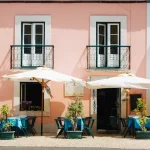
📷 Featured image by Cristiano Pinto on Unsplash.