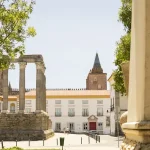
Coimbra‘s narrow medieval streets can confuse even GPS systems in 2026, and many first-time visitors struggle with the city’s steep terrain and complex university protocol. This ancient academic center demands different preparation than Lisbon or Porto—from understanding when university areas close to tourists to navigating cobblestone hills that test your ankles.
Getting to and Around Coimbra
Coimbra sits perfectly positioned on CP’s main north-south railway line, making train travel the smartest choice for most visitors. The Alfa Pendular high-speed service connects directly to Lisbon (1 hour 40 minutes, €25-35) and Porto (1 hour 10 minutes, €15-25). Regional trains cost half the price but add 30-45 minutes to your journey.
Two train stations serve the city: Coimbra-B handles long-distance services, while Coimbra-A sits in the historic center. Free shuttle trains run every 20 minutes between the stations—always check your ticket to see which one you need.
Flying into Porto airport gives you the most flight options, followed by a direct train connection. Lisbon airport works too, though the journey takes longer. Driving to Coimbra is straightforward on the A1 motorway, but parking in the historic center costs €1.20 per hour and spaces fill quickly during university term time.
Once in the city, your feet become your primary transport. The historic center spans just 2 kilometers end-to-end, though those steep medieval streets will give your calves a workout. City buses serve outer neighborhoods and the university campus, with single tickets at €1.60 and day passes at €4.50.
Where to Stay in Each Neighborhood
The Baixa (downtown) puts you within walking distance of everything that matters. Streets like Rua Ferreira Borges and Rua Visconde da Luz buzz with cafés and shops, while maintaining easy access to both the university above and the river below. Expect to pay €80-120 per night for decent hotels here.

Alta (the upper town) places you among the university buildings and medieval atmosphere. Staying near Rua Sofia means falling asleep to the distant sound of student guitars echoing off ancient stone walls. The trade-off: steeper climbs and fewer dining options after 10 PM. Mid-range options run €60-90 nightly.
Santa Clara across the river offers modern hotels with university views, plus easy parking. The 10-minute walk to downtown crosses the picturesque Ponte de Santa Clara, giving you postcard shots daily. Business hotels here charge €70-110, while budget options start around €40.
Celas neighborhood attracts visitors wanting residential authenticity without tourist crowds. Local markets, neighborhood tascas, and genuine Portuguese life await, though you’ll walk 15-20 minutes to reach major sights. Family-run guesthouses charge €35-60 per night.
University students dominate certain streets during term time (September-June), creating lively but noisy zones around Praça da República. Summer months (July-August) see a dramatic shift, with many student-focused businesses closing and quieter, more relaxed atmosphere settling over the city.
University of Coimbra: Visiting Tips and Etiquette
Portugal’s oldest university commands respect from both locals and visitors. The 2026 visitor protocol requires advance booking for popular sites like the Joanina Library, especially during exam periods when student access takes priority. Book online 2-3 days ahead during peak season.
Joanina Library tours run hourly from 9 AM to 7 PM, limited to 15 people per group. The €12 admission includes the library, Academic Prison, and University Museum. Photography is allowed in most areas except the rare book sections—guards will remind you firmly but politely.
Dress codes matter here more than other Portuguese attractions. Tank tops and flip-flops will earn disapproving looks, while shorts are tolerated but not ideal. The university maintains its dignity, and visitors should match that standard.

Student life follows predictable rhythms. Mornings belong to lectures and seminars, afternoons to library study, and evenings to social gatherings in republic houses (student cooperatives). Respect these patterns—avoid walking through lecture halls or making noise near study areas during weekday morning hours.
Fado performances happen spontaneously in university courtyards, especially Thursday and Friday evenings. These aren’t tourist shows but genuine student tradition. Listen respectfully from the edges rather than pushing forward for photos.
Shopping Areas and What to Buy
Rua Ferreira Borges forms the main shopping artery, mixing international chains with local boutiques. Portuguese brands like Sacoor Brothers and Throttleman occupy prominent corners, while smaller shops sell university merchandise and regional crafts.
Mercado Municipal D. Pedro V operates Tuesday through Saturday mornings, offering fresh produce, local cheeses, and regional specialties. The Saturday crowds pack the narrow aisles, but you’ll find the best selection of Serra da Estrela cheese and Bairrada wines. Arrive before 11 AM for peak freshness.
University merchandise concentrates around Praça da República, where student shops sell official faculty scarves, academic caps, and replica medieval books. Prices run €15-30 for authentic items, while tourist versions cost half as much but use cheaper materials.
Coimbra pottery follows distinctive blue and white patterns different from Porto’s azulejos. Local ceramics shops along Rua Sofia showcase traditional pieces alongside modern interpretations. Expect to pay €25-80 for genuine handmade items.
CoimbraShopping mall serves practical needs when downtown shops close. Located 3 kilometers south, it houses major Portuguese chains, a large Continente supermarket, and multiplex cinema. Free parking and Sunday hours make it popular with locals.
Antique shops cluster near the university, specializing in academic memorabilia and religious artifacts. Some pieces date to the university’s founding, though prices reflect their historical significance—authentic medieval manuscripts start around €500.

Best Times to Visit and What to Expect
University term schedules dramatically affect Coimbra’s character. September through June brings 25,000 students who fill cafés, create bustling nightlife, and generate the authentic academic atmosphere that defines the city. July and August offer quieter exploration but less cultural energy.
Queima das Fitas (Ribbon Burning) in May transforms Coimbra into Portugal’s biggest student festival. Hotel prices triple, restaurants require reservations, and the entire city becomes one massive graduation party. Book accommodations by January or avoid this week entirely if you prefer calm sightseeing.
Winter months (December-February) see temperatures around 8-15°C with frequent rain. The university library provides perfect rainy-day refuge, while fewer tourists mean shorter queues and more authentic interactions with locals. Many student-focused businesses reduce hours during Christmas break.
Spring (March-May) brings ideal weather for walking the hills, with temperatures reaching 18-22°C and minimal rainfall. Jacaranda trees bloom around the university in April, creating purple canopies over medieval streets. This combination of perfect weather and active student life makes spring the optimal visiting period.
Summer heat rarely exceeds 30°C, moderated by Atlantic breezes flowing up the Mondego valley. Tourist crowds peak in July-August, but Coimbra never feels overwhelmed like Lisbon or Porto. Many locals vacation during these months, giving neighborhoods a relaxed, residential feel.
Food Scene Essentials
Coimbra’s food culture revolves around hearty student meals and traditional Beira cuisine. Chanfana (goat stew cooked in wine) originated in nearby monasteries and remains the signature local dish. Authentic versions require slow cooking, so restaurants that offer it ready in 15 minutes likely use shortcuts.
Student tascas cluster around the university, serving massive portions at budget prices. Ze Manel do Prego makes legendary bifanas (pork sandwiches) that locals queue for at lunch. The cramped space and plastic chairs don’t impress tourists, but the authentic atmosphere and €3 meals draw generations of students.

Pastéis de Tentúgal represent the region’s convent tradition—delicate pastry sheets wrapped around sweet egg custard. Pastelaria Briosa has perfected the recipe since 1947, serving them warm with the custard still slightly liquid inside. They’re best consumed immediately, as the pastry softens within hours.
Restaurants along Rua das Azeiteiras cater to tourists but maintain decent quality. Prices jump to €15-25 per entrée compared to €8-12 at student-focused places, though portions and presentation improve accordingly. Many offer outdoor seating perfect for watching university life unfold.
The café culture here differs from Lisbon’s tourist-oriented scene. Students claim tables for hours, nursing single coffees while studying. Café Santa Cruz occupies a converted church with soaring Gothic arches, creating an almost religious study atmosphere enhanced by whispered conversations and rustling papers.
Budget Planning for 2026
Budget Range (€30-50 daily): Hostel beds in student areas cost €15-20, while basic guesthouses charge €35-45. Student tascas serve filling meals for €5-8, and municipal museums charge just €3-5 admission. City buses and walking handle transportation needs efficiently.
Mid-Range Comfort (€60-100 daily): Three-star hotels in Baixa run €70-90 nightly, with breakfast often included. Traditional restaurants charge €12-18 per meal, while university tour packages cost €15-20. Occasional taxis and afternoon coffee breaks fit this budget comfortably.
Comfortable Exploration (€120+ daily): Boutique hotels near the university cost €110-150, offering views and character. Fine dining restaurants charge €25-40 per person, while private guides cost €150 for half-day tours. This level allows spontaneous purchases and eliminates budget concerns.
University area restaurants often close between 3-7 PM, forcing expensive hotel dining or limited snack options during afternoon hours. Plan larger lunches and later dinners to avoid this trap.

Student discounts apply to most cultural sites if you’re under 26 with valid ID. Senior discounts (65+) work equally well. EU citizens under 25 enter many municipal sites free on weekends.
ATMs cluster around Praça 8 de Maio and the train station, though most businesses accept cards. Smaller establishments near the university sometimes prefer cash, especially during busy periods when card machines slow service.
Frequently Asked Questions
Do I need advance reservations for university tours?
Yes, especially for the Joanina Library. Book 2-3 days ahead during peak season (April-October) through the official university website. Walk-up tickets are occasionally available but don’t risk disappointment.
How difficult are Coimbra’s hills to navigate?
The climb from downtown to the university gains about 100 meters elevation over 800 meters distance. Most visitors manage fine with regular breaks, though those with mobility issues should use the public elevator or taxis.
When do students create the liveliest atmosphere?
Thursday and Friday evenings during university term (September-June) offer the best student energy. Fado performances, republic parties, and café gatherings peak these nights. Summer months feel significantly quieter.
Are restaurants open during university holidays?
Many student-focused establishments close or reduce hours during Christmas break (December 20-January 7) and Easter week. Tourist-oriented restaurants maintain normal schedules, but options become more limited in university neighborhoods.
How long should I plan for a Coimbra visit?
Two full days cover the university, historic center, and main cultural sites comfortably. Three days allow for deeper exploration, day trips to nearby monasteries, or simply enjoying the relaxed pace without rushing between attractions.
Explore more
Where to Shop in Coimbra: Your Guide to Souvenirs, Academic Memorabilia & Local Crafts
Where to Eat in Coimbra: Your Guide to Best Restaurants, Cafes & Local Dishes
Coimbra After Dark: The Best Bars & Student Nightlife Guide