On this page
- What Makes Viana do Castelo Different From the Rest of the North
- The Landmarks You Actually Need to See
- Viana’s Food Scene — What to Eat and Where
- The Beaches Around Viana do Castelo
- Getting to Viana do Castelo in 2026
- Getting Around Once You’re There
- Day Trip or Overnight? Making the Call
- 2026 Budget Reality — What Things Actually Cost
- Practical Tips Before You Go
- Frequently Asked Questions
💰 Click here to see Portugal Budget Breakdown
💰 Prices updated: August, 2026. Budget figures are estimates — always verify before travel.
Exchange Rate: $1 USD = €0.86
Daily Budget (per person)
Shoestring: €40.00 – €90.00 ($46.51 – $104.65)
Mid-range: €130.00 – €200.00 ($151.16 – $232.56)
Comfortable: €250.00 – €500.00 ($290.70 – $581.40)
Accommodation (per night)
Hostel/guesthouse: €15.00 – €45.00 ($17.44 – $52.33)
Mid-range hotel: €100.00 – €190.00 ($116.28 – $220.93)
Food (per meal)
Budget meal: €10.00 ($11.63)
Mid-range meal: €35.00 ($40.70)
Upscale meal: €100.00 ($116.28)
Transport
Single metro/bus trip: €2.00 ($2.33)
Monthly transport pass: €40.00 ($46.51)
With Porto’s short-term rental market tightening further in 2026 and the Douro Valley increasingly clogged with tour groups from April through October, more travellers are finally doing what locals have quietly suggested for years — heading north along the coast. Viana do Castelo sits just 71 kilometres from Porto, but it feels like a different country. Fewer crowds, genuine architecture, a working fishing port, and a food culture that hasn’t been adjusted for tourist palates. If you’ve been priced out of central Porto or simply want somewhere that still feels like the real Minho, this is where to go.
What Makes Viana do Castelo Different From the Rest of the North
Viana do Castelo is the capital of the Viana do Castelo district and the cultural heartland of the Minho region. That matters because the Minho has its own personality — wetter and greener than the south, fiercely proud of its traditions, and noticeably less focused on selling those traditions to outsiders.
The city sits where the Lima River meets the Atlantic, and that geography shapes everything. The old town is on the north bank, climbing gradually toward the Santa Luzia hill. The river is wide and slow here, and on clear mornings the light hitting the water and the white and blue azulejo facades creates something genuinely beautiful rather than the photogenic-but-artificial quality you get in more polished tourist towns.
Viana is also one of the few Portuguese cities where folk culture isn’t a performance. The Romaria de Nossa Senhora d’Agonia, held every August, is one of the largest religious festivals in the country. Women wear gold filigree jewellery — some pieces weighing several kilograms — that has been passed down through families for generations. This is not a festival designed around Instagram. It predates photography by centuries.
The city also has a serious architectural identity. Renaissance fountains, Manueline doorways, and 18th-century mansions sit alongside modest fishermen’s houses. There’s no Disney-fication here — the historic centre is simply where people live, shop, and argue about football.

The Landmarks You Actually Need to See
Basílica de Santa Luzia
The neogothic basilica on the hill above the city is Viana’s most recognisable symbol and the first thing you’ll see arriving by train. The walk up takes about 40 minutes from the centre through wooded paths that smell of eucalyptus and damp stone after rain. There’s also a funicular if you’d rather save your energy. The views from the esplanade in front of the church take in the Lima estuary, the Atlantic coast, and on clear days, the Spanish Galician hills to the north. Go in the morning before the light becomes harsh.
Praça da República
The main square is genuinely handsome — a 16th-century fountain at the centre, the Gothic Antigos Paços do Concelho (old town hall) on one side, and the Hospital da Misericórdia opposite, with its remarkable Renaissance loggia. Sit at one of the cafés and take your time. This is a working civic square, not a tourist trap, and locals use it throughout the day.
Museu de Artes Decorativas
Housed in the 18th-century Palácio dos Távoras, this museum holds one of Portugal’s best collections of Viana faience — the distinctive blue and yellow earthenware that has been made in the region for 400 years. The building itself is reason enough to visit. Entry is around €3 in 2026.
The Eiffel Bridge
The double-decker iron bridge crossing the Lima — trains on the lower level, cars and pedestrians above — was designed by a student of Gustave Eiffel and opened in 1878. Walking across it at dusk, with the river turning copper and the fishing boats below, is one of those moments that costs nothing and stays with you.
Viana’s Food Scene — What to Eat and Where
The Minho is one of Portugal’s most distinctive culinary regions, and Viana is its coastal expression. The food here is built around two things: the sea and the Lima River, and the agricultural inland that supplies everything else.
What to Order
Lampreia à Bordalesa — sea lamprey cooked in its own blood with wine and rice — is a Minho obsession from January to April. It sounds extreme and tastes extraordinary: rich, dark, and nothing like anything you’ve eaten before. Arroz de Sarrabulho is another regional staple — a thick rice dish cooked with various pork cuts and a sour, vinegary edge that cuts through the fat beautifully. For something simpler, the rojões (fried pork pieces with potatoes and cumin) are everywhere and almost always excellent.
On the seafood side, the fishing port means the fish market is genuinely fresh. Caldeirada de peixe (fish stew) made with whatever came off the boats that morning, polvo à lagareiro (octopus with olive oil and roasted potatoes), and grilled sardines in summer are all worth seeking out.
Where to Eat
Taberna do Valentim on Rua Monsenhor Daniel Machado is the sort of place that fills up with locals at 1pm and doesn’t empty until 3pm. Simple tiled interior, no-frills menu, and some of the best arroz de sarrabulho in the city. Expect to pay €10–14 for a full meal with wine.

O Laranjeira, near the waterfront, has a longer menu that handles both meat and fish well. The lampreia in season is worth the trip alone. Tasquinha da Linda is smaller and more personal — run by a family that’s been feeding this neighbourhood for decades. The bacalhau com broa (salt cod with cornbread crust) crackles when you cut into it, and the broa absorbs the olive oil in a way that makes you eat far more than you intended.
For pastry, look for torta de Viana — a rolled sponge filled with egg cream — from any of the old pastelarias near the main square. It’s the city’s signature sweet and better fresh, when the sponge is still slightly warm and the cream hasn’t hardened.
The Beaches Around Viana do Castelo
This is something visitors from the Algarve consistently underestimate: the Costa Verde (Green Coast) has serious beaches. They are colder, wilder, and windier than the south — the Atlantic here is not the tame Mediterranean-adjacent experience of Lagos or Albufeira — but for surfers, long-walk beach lovers, and anyone who finds the crowded southern resorts exhausting, this stretch of coastline is exceptional.
Praia do Cabedelo
The main beach is directly across the Lima estuary from the city centre, reached by a short ferry crossing (around €1.50 each way) from the town pier. It’s a long, wide Atlantic beach with strong waves and a surf school that operates from March through October. The dunes behind the beach are protected and you can walk for kilometres without seeing a beach bar. Water temperature in August sits around 18–19°C — refreshing is the polite word.
Praia de Afife and Praia de Âncora
Drive or take a local bus 15–20 kilometres south and north respectively and you reach two smaller beaches with more shelter and slightly calmer conditions. Afife is surrounded by low hills and has a quieter feel even in summer. Âncora is a proper beach town with a small harbour and excellent seafood restaurants right on the water — the grilled bream at the seafood houses near the harbour comes off a charcoal grill and tastes of the sea in the best possible way.

Getting to Viana do Castelo in 2026
By Train
The most comfortable option. CP (Comboios de Portugal) runs Intercidades services from Porto’s Campanhã station to Viana do Castelo in approximately 1 hour 40 minutes. Regional trains take around 2 hours 10 minutes but stop at more villages and cost less. In 2026, CP completed the timetable upgrade on the Minho Line, adding two extra Intercidades departures per day, which now means trains run roughly every 2 hours throughout the day. A second-class Intercidades ticket from Porto costs around €9–12 depending on how far in advance you book through the CP app.
From Lisbon, you can take an AP (Alfa Pendular) or IC service to Porto and connect, or take a direct IC that runs once daily in each direction. The total journey from Lisbon Santa Apolónia runs to approximately 4 hours.
By Bus
Rede Expressos and GETS (the regional operator) run coaches from Porto’s Campo 24 de Agosto terminal to Viana do Castelo in around 1 hour 45 minutes. Tickets are €8–10. Buses are reliable but less scenic than the train, which hugs the coast and river for long stretches.
By Car
The A28 motorway connects Porto to Viana directly in about 50 minutes without traffic. The toll from Porto to Viana is approximately €4.50 using Via Verde. Driving gives you flexibility for the beaches and inland villages, but parking in the historic centre requires paid parking (€0.80–1.20 per hour) and can be tight in August.
By Air

There is no commercial airport in Viana do Castelo. The nearest airport is Francisco Sá Carneiro in Porto, which in 2026 has direct flights from London, Manchester, Dublin, Paris, Amsterdam, Berlin, and most major European cities. From Porto Airport, take the Metro to Campanhã and connect to the Minho Line train — the whole journey takes around 2 hours 15 minutes door-to-door.
Getting Around Once You’re There
Viana do Castelo’s historic centre is compact and walkable. Most of what you want to see — the main square, the waterfront, the market, the old churches — is within a 15-minute walk of the train station. The station itself is well-placed on the riverfront, a 5-minute walk from Praça da República.
The funicular handles the Santa Luzia hill. For the beaches and outlying areas, local GETS buses cover Cabedelo (ferry connection), Afife, and Âncora with reasonable frequency. A taxi or rideshare to Afife costs around €12–15. Bolt operates in Viana do Castelo in 2026, though driver availability is lower than in Porto or Lisbon, especially on Sunday evenings.
For inland villages and the Peneda-Gerês National Park (which lies about 50 kilometres east), a rental car makes far more sense than trying to piece together rural bus connections.
Day Trip or Overnight? Making the Call
Viana do Castelo works as a day trip from Porto, but it’s noticeably better as an overnight stay. Here’s how to think about it:
- Day trip makes sense if: You have limited time and mainly want to see the basilica, walk the town, have lunch, and head back. The train schedule supports this comfortably — leave Porto at 9am, arrive before 11am, catch a 6pm or 7pm train back.
- Overnight makes sense if: You want to go to Cabedelo beach, explore the food scene properly (dinner here is worth staying for), visit Peneda-Gerês, or do the smaller beach towns. The city also has a different quality in the evening — the waterfront fills up, the restaurants open properly, and the town reveals itself more honestly without the day-trip rhythm.
- Two nights makes sense if: You’re treating Viana as a base for the entire northern Minho coast and want to day-trip to Caminha, Valença (the walled border town), and the Lima Valley villages.

The August Romaria festival (typically the third week of August) is the one time when an overnight is almost mandatory — the evening processions and fireworks are the event, and you don’t want to be catching the last train during them.
2026 Budget Reality — What Things Actually Cost
Viana do Castelo remains meaningfully cheaper than Porto or Lisbon, which is one of its most practical advantages for travellers in 2026.
Accommodation
- Budget: Simple guesthouses and rooms above cafés in the historic centre run €45–65 per night for a double.
- Mid-range: Well-equipped hotels and boutique guesthouses with river or hill views cost €80–120 per night. The Pousada Viana do Castelo (inside the Santa Luzia hilltop complex) sits at the upper end of this tier at €110–140.
- Comfortable: The better-appointed riverside options run €140–190 per night in high season (July–August).
Food
- Budget: A set lunch (prato do dia with soup, main, and drink) at a local tasca runs €8–11.
- Mid-range: A proper dinner for two with wine at a good restaurant: €40–60.
- Comfortable: The more considered restaurant experiences (wine pairing, tasting menus) run €60–90 per person.
Activities and Transport
- Train from Porto (Intercidades): €9–12 one way
- Funicular return: €3
- Ferry to Cabedelo beach: €1.50 each way
- Museum entries: €2–4 each
- Surf lesson at Cabedelo: €35–45 for a 2-hour group session
Practical Tips Before You Go
- Best time to visit: June and September are ideal — warm enough for the beach, far less crowded than July and August, and accommodation prices drop 20–30% from peak rates. October is genuinely lovely if you don’t need swimming weather: excellent light, quiet streets, and the seafood is at its best.
- The August Romaria: If you plan to attend, book accommodation 3–4 months ahead. The third weekend of August sees the city at full capacity and prices reflect it.
- Weather expectations: The Minho is the wettest region in Portugal. Even in summer, carry a light rain layer. June can have overcast mornings that clear by afternoon. November through March brings regular rain and temperatures of 8–14°C.
- Language: English is widely understood in hotels and restaurants in the centre, but less so in the smaller tascas and markets. A few words of Portuguese go a long way here — locals respond warmly to the effort.
- Market day: The Viana market runs on the first Friday of each month and spreads along the waterfront. Regional products, textiles, ceramics, and the filigree gold jewellery Viana is famous for are all well-represented.
- Mobile connectivity: 5G coverage in the centre is solid in 2026 (NOS, Vodafone, and MEO all cover the city). In Peneda-Gerês, coverage drops significantly in the valleys.

Frequently Asked Questions
Is Viana do Castelo worth visiting?
Yes, particularly if you want a Portuguese coastal city that hasn’t been reshaped around tourism. Viana has genuine architecture, a strong food culture, Atlantic beaches, and one of Portugal’s most impressive traditional festivals. It rewards travellers who prefer authenticity over convenience.
How far is Viana do Castelo from Porto?
Approximately 71 kilometres by road. The drive on the A28 motorway takes about 50 minutes without traffic. By Intercidades train from Porto Campanhã station, the journey takes around 1 hour 40 minutes. Regular regional trains take around 2 hours 10 minutes and cost less.

What is Viana do Castelo known for?
Viana is known for three things above all: its Romaria de Nossa Senhora d’Agonia festival in August, its traditional gold filigree jewellery, and the Basílica de Santa Luzia on the hill above the city. The regional cuisine, particularly lampreia (lamprey) and arroz de sarrabulho, also draws food-focused travellers from across Portugal.
What are the beaches near Viana do Castelo like?
They are wide, Atlantic-facing, and wild — very different from the Algarve. Praia do Cabedelo is the main beach, reached by a short ferry crossing. Water temperatures average 18–19°C in August. The beaches are excellent for surfing, long walks, and anyone who prefers space over amenities. Not ideal for calm-water swimming.
When is the best time to visit Viana do Castelo?
June and September offer the best balance of good weather, manageable crowds, and reasonable prices. July and August are warmest but busiest and most expensive, peaking around the Romaria festival in mid-August. October is excellent for those who don’t need beach weather — quieter, cheaper, and particularly beautiful in terms of light and atmosphere.
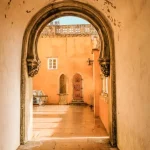
📷 Featured image by Alejandro Piñero Amerio on Unsplash.