On this page
- Shopping in Sintra in 2026: What You Actually Need to Know First
- Where to Shop in Sintra: The Main Streets and Zones
- Sintra’s Best Markets and Fairs in 2026
- What to Buy in Sintra: The Iconic Local Products
- Sintra’s Artisan Workshops and Studios Worth Stepping Into
- Shopping the Palaces and Museum Shops
- Practical Tips: Hours, Crowds, and Getting Around to Shop
- 2026 Budget Reality: What Things Actually Cost
- Frequently Asked Questions
💰 Click here to see Portugal Budget Breakdown
💰 Prices updated: August, 2026. Budget figures are estimates — always verify before travel.
Exchange Rate: $1 USD = €0.86
Daily Budget (per person)
Shoestring: €40.00 – €90.00 ($46.51 – $104.65)
Mid-range: €130.00 – €200.00 ($151.16 – $232.56)
Comfortable: €250.00 – €500.00 ($290.70 – $581.40)
Accommodation (per night)
Hostel/guesthouse: €15.00 – €45.00 ($17.44 – $52.33)
Mid-range hotel: €100.00 – €190.00 ($116.28 – $220.93)
Food (per meal)
Budget meal: €10.00 ($11.63)
Mid-range meal: €35.00 ($40.70)
Upscale meal: €100.00 ($116.28)
Transport
Single metro/bus trip: €2.00 ($2.33)
Monthly transport pass: €40.00 ($46.51)
Shopping in Sintra in 2026: What You Actually Need to Know First
Most visitors arrive in Sintra with one plan: see the palaces, eat a travesseiro, leave. The shopping side of town gets almost no attention in travel guides, which is a shame — and also, if you’re reading this in summer 2026, a warning. Sintra’s historic centre has become intensely crowded on weekends between May and October, with day-tripper numbers still rising after the post-pandemic surge. If shopping is on your agenda, timing and local knowledge matter more here than in almost any other Portuguese town.
Where to Shop in Sintra: The Main Streets and Zones
Sintra is not one place — it’s three distinct zones, and understanding which one to be in for shopping saves a lot of frustrating uphill walking.
Sintra Vila (the historic centre) is where the majority of shops concentrate. Rua Visconde de Monserrate and Rua das Padarias form the backbone of the commercial area. These narrow streets are lined with ceramic shops, confectionery houses, linen stores, and the kind of cork goods Portugal is famous for. The quality varies enormously — some shops sell beautifully crafted regional pieces, others are selling the same factory-made magnets you can find in any Lisbon tourist trap. Walk the full length before buying anything.
Volta do Duche, the street that curves alongside the stream below the palace zone, holds a quieter cluster of independent shops. Less foot traffic means shopkeepers have more time to talk, and the prices are occasionally a touch lower. A few artisan studios have relocated here in the past two years specifically to escape the crowds on the main drag.
Portela de Sintra, the modern town around the train station, is not picturesque — but it is functional. You’ll find a local supermarket (Continente), a pharmacy, everyday goods, and the sort of practical shopping that residents actually do. If you’re staying in Sintra for more than a day, it’s worth knowing this area exists.

The Cascais-Sintra road corridor (the EN247) also has a couple of garden centres and home goods stores that attract locals, though these are car-access only.
Sintra’s Best Markets and Fairs in 2026
Sintra’s market scene has grown noticeably since 2024. The municipality made a deliberate push to bring back regular markets after several were disrupted in the post-COVID years, and in 2026 there are now three recurring options worth planning around.
Feira de Sintra is the town’s traditional monthly market, held on the second and fourth Sunday of each month in the Portela de Sintra area near the train station. It’s a proper mixed-use market — clothing, vegetables, second-hand tools, household goods, and the occasional stall with old azulejo tiles or vintage Portuguese ceramics at very reasonable prices. Arrive before 9 a.m. The good pieces go early, and by midday the heat and crowds make it unpleasant.
Mercado de Artesanato de Sintra runs every Saturday morning from April through October in the historic centre, near the Praça da República. This is the one aimed at visitors — jewellery, handwoven textiles, painted tiles, cork accessories, and locally produced jams and honeys. Prices are higher than at the Feira, but you are buying from the makers, which changes the transaction. Several of the stallholders have been participating since the market launched in 2019 and know their crafts deeply.
Mercado de Natal de Sintra (Christmas Market) runs from late November through December 23rd. In 2025 it expanded to a second location near the Palácio Nacional, and based on municipality announcements, the 2026 edition will maintain that format. Handmade ornaments, traditional sweets, regional wine, and chestnuts roasting on charcoal grills — the sweet smoke drifts all the way down to Volta do Duche when the wind is right.
What to Buy in Sintra: The Iconic Local Products
Sintra has a short list of things it does genuinely well, and a much longer list of things sold there that you could buy more cheaply and at better quality in Lisbon. Here is an honest breakdown.
Travesseiros and Queijadas
These are Sintra’s two signature pastries and both are best bought fresh here rather than pre-packaged elsewhere. The travesseiro — a pillow-shaped puff pastry filled with almond and egg cream — comes out of the oven at Piriquita (the original, on Rua das Padarias) throughout the morning. The shell shatters when you bite it, and the warm almond filling has a faint floral sweetness that pre-packaged versions never capture. Queijadas, the small rounds of fresh cheese, egg, and sugar, are denser and more savoury. Both make excellent gifts if you’re travelling back to Lisbon the same day.
Cork Products
Portugal produces over half the world’s cork, and Sintra’s shops carry some of the better designed cork accessories available outside Lisbon’s specialist stores. Look for wallets, handbags, phone cases, and bottle holders. The quality mark to look for is “100% natural cork” — some cheaper items use cork powder compressed with plastic binders, which is far less durable. Price range for a decent cork wallet runs €12–€28 depending on the workshop.
Hand-Painted Ceramics and Azulejos
Several shops in Sintra Vila sell tiles and ceramic pieces hand-painted in workshops outside Lisbon. The better ones will tell you where the piece was made and who painted it. Avoid anything that looks laser-printed — hold the tile at an angle in the light and you can see the brushwork in the glaze on a genuine hand-painted piece. A single decorative tile runs €8–€25 for authentic hand-painted work; a complete set for a kitchen splashback starts around €180.

Regional Honey and Jams
The Sintra-Cascais Natural Park surrounds the town, and local beekeepers produce several distinct honeys from the park’s heather and eucalyptus. You’ll find these at the Saturday artisan market and in a handful of delicatessen-style shops on Rua Visconde de Monserrate. A 250g jar of Serra de Sintra heather honey costs around €7–€10 and travels well.
Medronho and Local Spirits
Medronho, the firewater distilled from arbutus berries, is produced throughout the Sintra hills. Small bottles sold at artisan markets make compact gifts. Some are properly aged and smooth; others are rough and best reserved for people who enjoy a challenge. Ask to taste before buying — any honest stallholder will offer.
Sintra’s Artisan Workshops and Studios Worth Stepping Into
Beyond the market stalls, Sintra has a small but serious community of working artisans — people making things in the town, not just selling things in it. A few of these workshops welcome visitors who want to see the process or commission something specific.
Atelier Pedra e Cal, tucked into a side street off Volta do Duche, specialises in hand-carved limestone and marble pieces — small architectural details, decorative objects, and custom tiles. The stone dust in the air and the high whine of the cutting wheel make it feel like a real working studio, not a shop dressed up to look like one. Pieces start around €35 for small decorative items.

Olaria da Quinta, a ceramics studio operating in the broader Sintra municipality (about 4 km from the historic centre, requiring a car or taxi), runs drop-in throwing sessions on weekend mornings. In 2026 they’ve added a small shop section selling their production pieces — bowls, cups, and plates in earthy glazes that reflect the Serra de Sintra palette. A set of four espresso cups costs around €55.
Several jewellers in the historic centre do custom work with Portuguese filigree, the intricate gold and silver wirework associated with the north of Portugal. Sintra’s version tends toward simpler, more contemporary designs than the traditional Viana do Castelo style. Commission times run 3–7 days, which is worth knowing if you’re staying in the region for a week.
Shopping the Palaces and Museum Shops
This is an underrated category. Parques de Sintra — the organisation managing the palaces and gardens — has consistently improved its museum shop offerings since 2023, and in 2026 the shops at Palácio Nacional de Sintra, Palácio da Pena, and Palácio de Monserrate each carry distinct, site-specific merchandise.
The Palácio Nacional de Sintra shop (inside the entrance, and again near the exit) carries facsimile reproductions of historical documents, azulejo-inspired stationery, and books on Manueline architecture that you won’t find in general bookstores. If you’re serious about Portuguese history or architecture, this is the best bookshop in the Sintra area.
The Palácio da Pena shop leans into the palace’s theatrical, Romantic-era aesthetic — deep jewel colours, ornate packaging, candles scented with ingredients from the palace gardens. The quality is genuinely higher than average museum shop fare. A set of three palace-branded ceramic espresso cups costs €28. Botanical prints of Pena’s gardens, printed on heavy stock, start at €18 and roll into a tube for easy transport.

The Monserrate shop is the smallest and most interesting. Monserrate Palace has a strong botanical heritage, and the shop stocks seeds of plants grown in the gardens, locally produced beeswax products, and botanical illustration prints. It feels less commercial than the Pena shop — closer to the kind of thing you’d find in a good independent garden centre.
One practical note: you need an entrance ticket to access these shops. Factor that in if you’re visiting specifically for the shopping — palace tickets in 2026 run €18–€25 per adult depending on the site, though the Parques de Sintra combined ticket (€40 in 2026) covers multiple palaces and remains valid for multiple days.
Practical Tips: Hours, Crowds, and Getting Around to Shop
Shopping in Sintra requires more logistical thought than shopping almost anywhere else in Portugal. The geography works against casual browsing — the historic centre is hilly, compact, and overwhelmed by visitors from about 10:30 a.m. to 4:00 p.m. on weekends and public holidays.
Hours: Most shops in Sintra Vila open between 9:30 and 10:00 a.m. and close between 6:00 and 7:00 p.m. A significant number close on Mondays, particularly the smaller independent shops and artisan studios. During August and the September long weekends, some extend to 8:00 p.m. The shops near the Palácio Nacional tend to stay open latest.
Crowds and timing: Tuesday through Thursday mornings are by far the quietest time to shop. If you can only visit on a weekend, aim to be in the historic centre by 9:00 a.m. — before the first wave of day-trippers arrives from Lisbon on the 9:14 a.m. train from Rossio. By 11:00 a.m. on a Saturday in July, walking Rua das Padarias without being jostled is essentially impossible.
Getting around to shop: The historic centre is walkable but steep. If you’re buying heavy ceramics or multiple bottles of wine and spirits, bring a small backpack or wheeled trolley bag — the cobblestones make carrying a large tote bag for an hour genuinely tiring. The 434 circular bus connects Sintra train station with the historic centre and Pena Palace every 15–20 minutes; a hop-on/hop-off ticket valid for the day costs €15 in 2026. Tuk-tuks are available but run €8–€15 per short trip and are slow in high-season traffic.

Payments: All but the smallest market stalls now accept contactless card payment. Multibanco terminals are standard. It’s still worth carrying €20–€30 in cash for market stalls and the smallest artisan workshops, where card minimums sometimes apply.
2026 Budget Reality: What Things Actually Cost
Sintra has always charged a premium over nearby towns for the same categories of goods. Expect to pay 10–20% more here than you would for comparable items in Lisbon’s Alfama or Bairro Alto. That said, the experience of buying directly from artisans in this setting has its own value.
Pastries and Food Gifts
- Budget: Travesseiro or queijada — €2.20–€2.80 each. A box of six queijadas to take home: €12–€15.
- Mid-range: Local honey (250g jar), artisan jam, or medronho bottle — €7–€15 per item.
- Comfortable: Curated gift hamper from a deli shop on Rua Visconde de Monserrate — €35–€65.
Ceramics and Tiles
- Budget: Single hand-painted decorative tile — €8–€15.
- Mid-range: Hand-painted ceramic bowl or plate — €22–€45.
- Comfortable: Commission piece or full ceramic set — €80–€250+.
Cork and Textile Accessories
- Budget: Cork keyring or small pouch — €5–€10.
- Mid-range: Cork wallet or small handbag — €18–€45.
- Comfortable: Full-size cork shoulder bag or backpack — €55–€120.
Palace Shops
- Budget: Postcard, fridge magnet, or small print — €2–€8.
- Mid-range: Botanical print, ceramic espresso set, or illustrated book — €18–€45.
- Comfortable: Art print, architectural reference book, or premium home fragrance set — €50–€90.
A realistic budget for a focused shopping half-day in Sintra — including pastries, one artisan piece, and a small food gift — sits around €40–€70 per person. If you’re including palace entrance fees, add €18–€25 per adult on top of that.

Frequently Asked Questions
What is the best day to go shopping in Sintra?
Tuesday through Thursday mornings offer the most comfortable experience. If you must visit on a weekend, arrive before 9:30 a.m. Saturday also has the artisan market running from April to October, which is the best opportunity to buy directly from makers. Avoid Sunday afternoons in summer — the crowds are at their worst.
Are there any shopping centres or malls near Sintra?
The nearest large shopping centre is Cascais Villa Shopping in Cascais, about 22 km away — easily reached by car via the EN247 or by taking the train to Cascais via Lisbon. Sintra itself has no shopping mall. Portela de Sintra, around the train station, has everyday retail and a Continente supermarket for practical needs.
Can I find authentic handmade souvenirs in Sintra, or is most of it mass-produced?
Both exist side by side. The Saturday artisan market and the individual workshops off Volta do Duche are the most reliable places for genuinely handmade goods. On the main tourist streets, check for the maker’s name on ceramics and ask directly whether items are locally made. Honest shops will tell you; evasive answers usually mean factory-produced.
Do shops in Sintra accept credit cards?
Almost all shops and permanent stores accept contactless card payment in 2026. Market stalls are the exception — most now have card terminals, but some smaller vendors still prefer cash, particularly for purchases under €10. Carrying €20–€30 in cash covers most situations at markets and very small workshops.
Is it cheaper to buy Portuguese products in Sintra or in Lisbon?
Generally cheaper in Lisbon. Sintra’s tourism premium adds roughly 10–20% to comparable goods. The exception is buying directly from artisans at Sintra’s markets — you bypass retailer markup and sometimes get better quality than Lisbon’s tourist shops carry. For volume purchases of ceramics or cork goods, Lisbon’s dedicated shops in Chiado or Intendente offer more selection and better pricing.
Explore more
Sintra Travel Tips: Your Essential Guide to Tickets, Transport & Avoiding Crowds
The Ultimate Sintra Travel Guide: Palaces, Castles & Enchanted Forests
The Best Day Trips from Sintra: Coastal Towns, Palaces & Hidden Gems
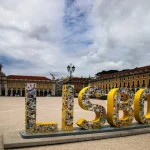
📷 Featured image by Andrei Daniel Petrica on Unsplash.