On this page
- The Neighbourhoods That Actually Define Lisbon After Dark
- Bairro Alto & Príncipe Real: The Street-Drinking Culture Explained
- Cais do Sodré: From Sailors’ Bars to Pink Street’s Global Fame
- LX Factory & the Alcântara Scene: Industrial Nights on the Riverfront
- Live Fado: Where to Hear the Real Thing vs. the Tourist Show
- Lisbon’s Club Scene: Electronic Music, Late Hours & Door Culture
- Live Music Beyond Fado: Jazz, Indie & African Sounds
- 2026 Budget Reality: What a Night Out Actually Costs
- Practical Logistics: Getting Around Lisbon at Night in 2026
- Frequently Asked Questions
💰 Click here to see Portugal Budget Breakdown
💰 Prices updated: September, 2026. Budget figures are estimates — always verify before travel.
Exchange Rate: $1 USD = €0.88
Daily Budget (per person)
Shoestring: €40.00 – €70.00 ($45.45 – $79.55)
Mid-range: €150.00 – €300.00 ($170.45 – $340.91)
Comfortable: €400.00 – €1,000.00 ($454.55 – $1,136.36)
Accommodation (per night)
Hostel/guesthouse: €15.00 – €50.00 ($17.05 – $56.82)
Mid-range hotel: €70.00 – €150.00 ($79.55 – $170.45)
Food (per meal)
Budget meal: €10.00 ($11.36)
Mid-range meal: €25.00 ($28.41)
Upscale meal: €60.00 ($68.18)
Transport
Single metro/bus trip: €1.90 ($2.16)
Monthly transport pass: €40.00 ($45.45)
Lisbon’s nightlife has always punched above its weight for a city of 550,000 people. But in 2026, the pressure is real: new short-term rental caps pushed long-term residents out of key nightlife districts, a handful of beloved clubs closed under noise complaints from new apartment buildings, and the city’s tourism board quietly restructured its late-night transport to cope with demand. If you planned a night out here based on a 2023 blog post, you might show up to a shuttered bar or miss the neighbourhood that’s actually buzzing right now. This guide reflects where things stand today.
The Neighbourhoods That Actually Define Lisbon After Dark
Lisbon doesn’t have one nightlife district. It has five or six overlapping ones, each with a distinct personality and peak hour. Getting a mental map of these before you arrive saves you wandering uphill in the wrong direction at midnight.
Bairro Alto is the original outdoor drinking zone — cobblestone streets, bottles in hand, 22:00 to 01:00. Cais do Sodré is the river-level bar strip where things go later and louder. Príncipe Real sits just above Bairro Alto with a calmer, more design-conscious crowd and better cocktail bars. Alcântara and LX Factory are the industrial west, where the clubs that matter have relocated after being pushed out of more central spots. Intendente and Mouraria in the east have quietly grown into a scrappier, more local scene — cheaper drinks, fewer tourists, live African music spilling onto the street on weekend nights.
Most visitors make the mistake of staying in one zone all night. The real move is to start high (Bairro Alto for drinks), slide down to Cais do Sodré around midnight, then head west to Alcântara for clubs from 02:00 onward. Taxis and Uber connect all of these in under 15 minutes at that hour.
Bairro Alto & Príncipe Real: The Street-Drinking Culture Explained

Bairro Alto works differently from most bar districts in Europe. The bars are tiny — many hold 20 people at a push — so the street becomes the venue. You buy a beer or a gin and tonic from a bar hatch or just carry your drink outside, and you stand on the cobblestones with everyone else. There are no bouncers, no queues, no wristbands. It’s chaotic, warm, and genuinely fun between 22:30 and 01:00.
The main arteries are Rua da Atalaia, Rua do Norte, and Rua da Barroca. Each has a slightly different tone — Atalaia runs younger and louder, Norte has more of a mix, Barroca has a few quieter spots with actual seating outside. On a Friday in summer, the crowd spills across all three simultaneously and you barely notice where one street ends and another begins.
Príncipe Real, a 10-minute walk uphill, is where you go when you want a proper cocktail in an actual seat. Bar Procópio on Alto de São Francisco is a Lisbon institution — dark wood, good whisky, and a clientele that’s been coming for decades. Foxtrot on Travessa Santa Teresa is smaller, art-deco-ish, and makes an excellent negroni. Neither of these is cheap, but neither is overpriced by 2026 European standards.
Cais do Sodré: From Sailors’ Bars to Pink Street’s Global Fame
Rua Nova do Carvalho — universally known as Pink Street for the hot-pink painted road surface — has been famous long enough that it now attracts visitors who’ve seen it on Instagram without knowing anything else about the neighbourhood. That’s fine. It’s still worth your time, and the surrounding streets are genuinely excellent.

The street itself runs about 150 metres from the Cais do Sodré train station toward the river. It was historically a red-light district, which is why the bars are long, narrow, and built for maximum capacity with minimum square footage. Pensão Amor is the most photographed spot — a former brothel converted into a bar, with original tile work, erotic murals, a small burlesque stage, and bookshelves lining the walls. The drinks are mid-range (a beer runs €4–5, cocktails €10–12), the crowd is mixed tourists and locals, and the atmosphere is genuinely theatrical.
Across Rua Alecrim and into the side streets, the tone shifts. Bar Hennessy’s and the smaller spots along Rua do Alecrim draw a younger local crowd. The craft beer movement that took hold in Lisbon around 2019 is fully embedded here by 2026 — you’ll find Portuguese craft lagers and IPAs from producers like Dois Corvos and Letra on tap in at least a dozen venues in this neighbourhood.
Cais do Sodré also has the Mercado da Ribeira’s Time Out Market component, which is worth knowing about: it stays open until 02:00 on Fridays and Saturdays and functions as a decent late-night food stop before or between bars. The food quality is consistent, the prices are higher than average (budget €15–20 for a meal), but it’s one of the few places you can eat a proper meal at 01:00 without resorting to a kebab.
LX Factory & the Alcântara Scene: Industrial Nights on the Riverfront
LX Factory is a converted 19th-century industrial complex under the Ponte 25 de Abril — Lisbon’s version of the Brooklyn Bridge, roughly speaking. During the day it hosts a market, independent shops, and restaurants. After 22:00 on weekends, the weight shifts to music and bars.

The rumble of trams overhead and the smell of the Tagus on a warm night give this place a sensory identity that’s hard to replicate. The main courtyard fills up slowly from 21:00, and by midnight the several venues inside — including the long-running Lux Frágil affiliate spaces and newer club rooms that have opened since 2024 — are running at capacity.
Lux Frágil itself sits slightly east of LX Factory, near the Santa Apolónia train station. It’s been Lisbon’s most internationally recognised club since the late 1990s and is still the benchmark for the city’s electronic music scene. The terrace overlooking the Tagus is one of the genuinely great spaces in European nightlife — a wide, open deck with a direct view of the river and the bridge lit up across the water. The music policy skews toward house and techno, the crowd is mixed Portuguese and international, and the door selection is real: dress well, arrive in a group of two or three rather than a large pack, and don’t be drunk when you arrive.
The Alcântara area beyond LX Factory has absorbed several clubs displaced from more central locations since 2023. Village Underground Lisboa — a permanent version of the London pop-up concept — operates stacked shipping containers as event spaces near the waterfront and hosts everything from live bands to DJ sets to film screenings.
Live Fado: Where to Hear the Real Thing vs. the Tourist Show
Fado is Lisbon’s indigenous music — a genre built around saudade, the Portuguese concept of longing, performed by a vocalist with a Portuguese guitarra (12-string) and viola baixo accompaniment. It’s also one of the most aggressively commercialised experiences in the city, so knowing the difference between an authentic performance and a dinner-show package matters.

The honest tourist-friendly option is Tasca do Chico in Bairro Alto. It’s small (holds about 30 people), you need a reservation weeks in advance, food is secondary to the music, and the performers are professional fado musicians who also perform in the more serious venues. Prices run around €20–25 for a minimum spend that covers wine and petiscos. The music starts around 21:30 and runs in sets through midnight.
For something closer to how locals experience fado, head to Mouraria — the neighbourhood below the castle where fado is traditionally said to have originated. Tasca do Jaime and a few other small spots on and around Largo da Severa do not have websites, do not take reservations, and do not have English menus. You arrive, you eat, and if there’s a performer that night, they sing. The quality varies. Some nights are transcendent; some nights nothing happens at all. That unpredictability is exactly the point.
The larger fado houses — Clube de Fado in Alfama and Sr. Fado on Rua dos Remédios — offer polished performances with full dinners starting at €50–80 per person. The musicians are excellent. The experience is more structured, which suits some visitors perfectly and feels too staged for others. Both are legitimate; it’s a question of what you’re after.
Lisbon’s Club Scene: Electronic Music, Late Hours & Door Culture
Lisbon clubs don’t really start until 02:00. The serious venues — Lux Frágil, Titanic Sur Mer, and the newer Loft club that opened in Alcântara in late 2025 — run until 08:00 or later on weekends. The city operates on a fundamentally later schedule than northern Europe, and clubs reflect that.

Titanic Sur Mer sits in a former maritime warehouse near Cais do Sodré and programmes an eclectic mix: one weekend might be Afrobeat, the next deep house, the next an experimental electronic artist from Berlin. The sound system is excellent and the interior is visually striking — high ceilings, exposed brick, a main floor that can absorb a crowd without feeling cramped.
Door culture in Lisbon is real but not aggressive. The main variables are: arriving drunk (will get you turned away), arriving in a very large group (harder to get in without a prior arrangement), and arriving before 01:00 (they don’t want you yet). A relaxed, reasonably dressed group of two to four people arriving at 02:30 will almost always get in. Entry fees typically run €10–20, sometimes including a drink.
Worth knowing in 2026: Lisbon’s music licensing framework was updated in 2024, and several venues now operate under stricter acoustic compliance requirements. This has pushed some smaller club events toward private-event formats that circulate via WhatsApp and Telegram communities rather than public listings. If you want access to these, your best option is to ask bar staff at Lux Frágil, Titanic, or the bars in Bairro Alto — they’ll know who’s running what that weekend.
Live Music Beyond Fado: Jazz, Indie & African Sounds
Lisbon has a serious jazz scene that most visitors walk straight past. Hot Clube de Portugal on Praça da Alegria has been running continuously since 1948 and remains the anchor of the city’s jazz life. The room is underground, deliberately cramped, and acoustically strange in the best possible way — the sound bounces off low ceilings and the whole space vibrates when a good quartet is in full flow. Tickets run €10–15 for most performances. Listings are updated on their website and the programme runs most nights of the week.

The African music connection is less visible to tourists but central to Lisbon’s actual cultural identity. Portugal’s historical ties to Cape Verde, Angola, and Mozambique created a substantial community in Lisbon, and neighbourhoods like Mouraria, Intendente, and parts of Amadora have live African music — kizomba, kuduro, semba, morna — in bars and community spaces most weekends. There is no single venue to point you toward; this scene operates through community networks. But if you’re in Mouraria on a Saturday night and you follow the music, you’ll find it.
For indie and alternative live music, ZDB (Galeria Zé dos Bois) in Bairro Alto has been programming adventurous live acts since the 1990s. The venue functions as both a gallery and a music space, and the acts it books tend toward the experimental — Portuguese indie artists, touring European bands, the occasional international noise act. Tickets are cheap (€5–12) and the crowd is young and genuinely engaged with the music rather than there to be seen.
2026 Budget Reality: What a Night Out Actually Costs
Lisbon remains one of Western Europe’s more affordable nightlife cities in 2026, but the gap has narrowed. Prices in tourist-heavy venues now match or exceed those in comparable cities like Porto or Seville. Here’s what to actually expect:
- Beer (draught, 330ml): €2.50–3.50 in local bars; €4–5.50 in tourist-facing venues on Pink Street or in Chiado
- House wine (glass): €3–5 in a tasca or local bar; €7–10 in a cocktail bar or upmarket venue
- Cocktail: €9–13 in a mid-range bar; €14–18 in a premium cocktail bar in Príncipe Real or Chiado
- Club entry: €10–20, usually including one drink
- Fado dinner house: €50–80 per person including food and wine
- Tasca do Chico fado (drinks and petiscos only): €20–30 per person
Budget night out (street drinking in Bairro Alto, one club): €25–40 per person including transport.

Mid-range night (cocktail bar in Príncipe Real, dinner at Time Out, one club): €70–100 per person.
Comfortable night (fado house dinner, private booth at Lux Frágil, Uber throughout): €130–180 per person.
Note that since the 2024 VAT adjustment on hospitality, prices in licensed venues have risen roughly 8–12% compared to 2022 levels. The cheapest drinking in Lisbon is still the kiosk culture — the small outdoor kiosks in gardens and squares like Jardim do Príncipe Real and Jardim de São Pedro de Alcântara serve beer for €2–3 and are perfectly legal and entirely pleasant until around 23:00.
Practical Logistics: Getting Around Lisbon at Night in 2026
The Lisbon Metro runs until 01:00 Sunday through Thursday, and until 02:30 on Fridays and Saturdays — an extension that came into effect in mid-2025 and has meaningfully changed how people move between early-night neighbourhoods. The Green Line (Telheiras–Cais do Sodré) and the Yellow Line (Rato–Odeivelas) are the most useful for nightlife. A single ticket costs €1.61 with a Viva Viagem card loaded.
After the Metro closes, your options are Uber, Bolt, or licensed taxis. Uber and Bolt are consistently available and generally cheaper than taxis. On Friday and Saturday nights between 01:30 and 03:00, surge pricing is real — a trip from Bairro Alto to Alcântara (about 3 km) can cost €12–18 during peak surge versus €6–8 at normal rates. The practical workaround is to walk down to Cais do Sodré and request the ride from there, where driver supply is higher.
The new Alcântara riverside tram extension, which opened in early 2026, connects Cais do Sodré to the LX Factory area directly along the waterfront. Tram 15E runs until late and is the single most useful addition to nightlife transport in years — it’s faster than walking, cheaper than an Uber, and the ride along the Tagus waterfront at night is genuinely beautiful.

Walking between Bairro Alto and Cais do Sodré takes about 15 minutes downhill. Between Cais do Sodré and LX Factory on foot is about 25 minutes along the riverfront — entirely safe, well-lit, and a pleasant walk if the weather is good. Lisbon is a physically safe city for nighttime walking in tourist and nightlife areas, though basic awareness of your belongings applies as in any European capital.
Frequently Asked Questions
What time do Lisbon bars and clubs actually get busy?
Bars in Bairro Alto and Cais do Sodré fill up between 22:30 and 00:30. Clubs don’t reach meaningful capacity until 02:00–03:00. If you arrive at a club before midnight, you’ll likely be among the first people there. Lisbon’s social schedule runs genuinely late — dinner at 21:00, bars from 23:00, clubs from 02:00 is a normal Friday pattern.
Is Pink Street (Rua Nova do Carvalho) worth visiting in 2026?
Yes, though it’s fully tourist-aware now. The bars are solid, Pensão Amor remains a legitimate highlight, and the surrounding streets offer good alternatives if you want a less crowded experience. Arrive before 23:00 to avoid the thickest crowds, or lean into the energy and go at midnight. It’s loud, fun, and compact.
Do I need to book fado restaurants in advance?
For quality small venues like Tasca do Chico, yes — reserve at least two weeks ahead in high season (June–September). Larger fado houses can usually be booked a few days out. The informal fado in Mouraria requires no booking and no plan; just show up on a Friday or Saturday evening and find the music.
How does Lisbon’s club door policy work?
There’s no universal policy, but general rules apply: arrive sober, dress like you made an effort, come in a small group (two to four people works best), and arrive after 01:30. Most clubs charge €10–20 entry. Being a foreigner is not a disadvantage — Lux Frágil and Titanic Sur Mer have international reputations and welcome mixed crowds.
Is Lisbon nightlife safe for solo travellers and LGBTQ+ visitors?
Lisbon has a well-established LGBTQ+ scene centred on Príncipe Real and parts of Bairro Alto, and the city is broadly tolerant and progressive. Solo travellers generally report feeling safe in nightlife areas. Standard precautions — watching your drink, keeping your phone out of sight in crowds — apply as in any busy European city. The Intendente area warrants slightly more awareness late at night.
Explore more
Best Douro Valley Wine Restaurants: A Foodie’s Guide to Portugal’s Wine Region
Where to Stay Off the Beaten Path in Portugal: Your Guide to Unique Regional Stays
The Ultimate Lisbon Food Guide: Where Locals Eat Now
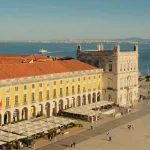
📷 Featured image by Nicolas Ruiz on Unsplash.