💰 Click here to see Portugal Budget Breakdown
💰 Prices updated: September, 2026. Budget figures are estimates — always verify before travel.
Exchange Rate: $1 USD = €0.88
Daily Budget (per person)
Shoestring: €40.00 – €70.00 ($45.45 – $79.55)
Mid-range: €150.00 – €300.00 ($170.45 – $340.91)
Comfortable: €400.00 – €1,000.00 ($454.55 – $1,136.36)
Accommodation (per night)
Hostel/guesthouse: €15.00 – €50.00 ($17.05 – $56.82)
Mid-range hotel: €70.00 – €150.00 ($79.55 – $170.45)
Food (per meal)
Budget meal: €10.00 ($11.36)
Mid-range meal: €25.00 ($28.41)
Upscale meal: €60.00 ($68.18)
Transport
Single metro/bus trip: €1.90 ($2.16)
Monthly transport pass: €40.00 ($45.45)
Where Lisbon Nights Actually Happen
Lisbon‘s nightlife reputation has exploded since 2023, and in 2026 the city is handling the pressure in uneven ways. Some neighbourhoods have been hollowed out by short-term rental conversions and noise ordinances, while others have quietly become more interesting. If you’re working from a bar list that’s two or three years old, you’ll spend half your night walking past shuttered doors or standing in tourist queues that have nothing to do with how Lisbon actually drinks. This guide is built for 2026 — with venues checked and neighbourhoods assessed for what they are right now.
Lisbon’s nightlife is spread across five main zones, each with a completely different personality. Understanding which zone matches your mood saves you from making the classic mistake of ending up in the wrong part of the city at midnight.
Bairro Alto
This is where the night starts. Bairro Alto is a dense grid of narrow streets in the city centre where dozens of small bars — most with no more than 30 people inside — spill their crowds onto the cobblestones from around 10pm. The atmosphere is genuinely electric between 11pm and 1am. After that, the serious crowd moves on. It’s accessible, unpretentious, and good for bar-hopping without a plan. The 2024 noise regulations that restricted amplified music before midnight are still in effect, so most Bairro Alto spots operate as conversation bars rather than dance venues.
Cais do Sodré and Pink Street
Rua Nova do Carvalho — universally called Pink Street because of its painted surface — is the spine of Lisbon’s most concentrated late-night strip. It used to be a red-light district and it still carries that slightly raw energy, which is part of the appeal. Clubs, bars, and music venues line the street and the surrounding blocks. This is where you go when you want the night to run past 4am. It’s louder, younger, and denser than Bairro Alto, and it has direct Metro access on the Green Line at Cais do Sodré station.

LX Factory and Alcântara
On weekend nights, the old industrial zone of Alcântara — anchored by the LX Factory complex — becomes something closer to a festival than a bar district. It’s a 15-minute Uber from the city centre but worth the trip for anyone who wants space, good sound systems, and a crowd that’s more mixed in age and style than the tourist-heavy Pink Street.
Intendente and Mouraria
These two adjacent neighbourhoods in the city’s older eastern core have developed a low-key, local nightlife scene over the past three years. Fewer tourists, more interesting music, and bars where you can actually hear the person you’re talking to. It’s the city’s answer to the overcrowding problem in the western districts.
Bars Worth Your Time
Lisbon has hundreds of bars. Most are fine. A handful are genuinely memorable. Here are specific venues by area that hold up in 2026.
Bairro Alto
Pavilhão Chinês on Rua Dom Pedro V is one of the most unusual bars in Europe — a series of connected rooms decorated floor-to-ceiling with thousands of collectibles: tin soldiers, crystal glasses, model planes, porcelain. It looks like a Victorian curiosity shop that also serves excellent cocktails. It opens at 6pm and gets serious around 9pm. Order the house gin and tonic and take a slow walk through every room before you sit down.
Tasca do Chico sits nearby and doubles as a fado house some nights — but its bar function is legitimate even when there’s no music. Small, candlelit, wooden tables. The kind of place where a glass of Alentejo red costs €3.50 and nobody is in a hurry.

Cais do Sodré
BECO Bar on Pink Street is a consistently good option — well-designed cocktails, a crowd that’s half local and half international, and a sound level that still allows conversation before midnight. The caipirinha with passion fruit is the drink to order here.
Sol e Pesca, just off Pink Street, is a converted fishing tackle shop that still sells lures alongside tins of preserved fish and cheap wine. It’s a genuine Lisbon original and feels nothing like the bars that surround it. Go between 7pm and 10pm before the area gets overwhelming.
Rooftop Bars
Park Bar in Bairro Alto sits on top of a multi-storey car park and has unobstructed views over the Tagus river and the 25 de Abril bridge. The sunsets are extraordinary — the sky turns deep orange above the water and the bridge lights up pink before dark. It opens at 1pm and reaches peak capacity by 8pm in summer, so arrive before 7pm if you want a spot without queuing. Entry is free but drinks are priced above neighbourhood bar rates (expect €10–14 for a cocktail).
TOPO Chiado on the roof of the Armazéns do Chiado shopping centre offers a 360-degree view and a more relaxed atmosphere than Park. It’s less known to short-stay tourists and easier to get a table.
Clubs and Late-Night Dancing
Lisbon clubs do not hit their stride until after 1am. If you arrive at midnight, you will be one of 15 people in a room designed for 600. Plan your pre-club evening accordingly — dinner at 9pm, bar-hopping from 10:30pm, and club doors around 1:30am is the standard local rhythm.

Lux Frágil
Lux Frágil in Santa Apolónia is still the reference point for Lisbon clubbing in 2026 — a riverside warehouse venue with three floors, a rooftop terrace, and a sound system that remains one of the best in southern Europe. The music policy covers techno, house, and electronic with an occasional leftfield booking that surprises even regular attendees. Entry costs between €15–25 depending on the night. The door policy is selective but not arbitrary — dress reasonably, don’t arrive in a large group of obvious tourists, and don’t be drunk before you arrive.
Musicbox
Musicbox on Pink Street runs a dual programme: live music in the early part of the evening and club nights from midnight. The basement room has raw brick walls and a sound system that rumbles through the floor. It’s smaller and more intimate than Lux, and the bookings tend toward indie electronic, post-punk, and world music crossover acts. Entry is typically €10–15.
Urban Beach and Silk Club
Both of these venues operate in the premium club bracket — dress codes are enforced, cocktail prices climb above €15, and the music leans toward commercial house and R&B. They’re worth knowing about if that’s what you’re after, but they’re not representative of Lisbon’s genuine club culture. They’re also popular with bachelor and bachelorette groups, which shapes the atmosphere accordingly.
LGBTQ+ Nightlife
Lisbon has a well-established and genuinely welcoming LGBTQ+ scene, concentrated around Príncipe Real and the streets connecting it to Bairro Alto. Trumps in Príncipe Real is the longest-running gay club in the city and still draws a mixed, lively crowd on Friday and Saturday nights. The area’s bars — including Bar 106 and Finalmente — are inclusive, unpretentious, and open late.

Live Music Beyond Fado
Fado gets the headlines, but Lisbon’s live music scene is genuinely diverse. The city has always had strong jazz and African music traditions — particularly from Cape Verdean and Angolan communities — and in 2026 the indie and electronic live music circuit has matured considerably.
Jazz
Hot Clube de Portugal near Praça da Alegria has been running since 1948 and is the oldest jazz club in Portugal. The room is small, dark, and acoustically excellent. Weekend sets typically start at 10pm. Entry costs €8–15 depending on the act, and the programming consistently features a mix of Portuguese jazz musicians and visiting international artists. The sound inside — a warm, close buzz of double bass and brushed snare — is the real thing.
World Music and African Sounds
B.Leza in Cais do Sodré is the essential destination for Cape Verdean music, particularly morna and coladeira — the melancholy, soulful genres that share DNA with fado but feel entirely different. The club runs live music on weekends and the dancefloor fills up as the night progresses. It’s a community space as much as a venue, and the welcome is genuine.
Indie and Alternative
ZDB (Galeria Zé dos Bois) in Bairro Alto is a cultural centre with a backroom concert space that programmes some of the most interesting independent acts passing through Lisbon. It’s deliberately non-commercial — you might see an experimental noise band, a Portuguese singer-songwriter, or a visiting art-rock group from northern Europe. Check their monthly programme online. Entry is usually €5–12.
O’Gilins and The Pub both run live sessions, though these tend toward covers and acoustic sets rather than original acts. They’re reliable for a casual live music fix without planning ahead.

The Fado Experience Done Right
Fado is Lisbon’s defining musical tradition — raw, emotional, and built around the Portuguese concept of saudade, a longing for something lost or absent. Done properly, it stops a room. Done badly, it’s background noise in a restaurant charging €80 a head for mediocre food.
The distinction matters enormously in 2026, when the fado tourist circuit has expanded significantly. The rule is simple: if the venue’s primary business is the food and the fado is secondary, the fado will be secondary. Go to places where the music is the point.
Genuine Fado Houses
Tasca do Chico in Bairro Alto runs fado nights on Mondays and Wednesdays and a few other evenings each week. There is no stage — the fadista performs from a corner of the room, and the audience sits at wooden tables close enough to see every expression. Reservations are essential and fill up weeks in advance. No set menu is required; you can come for drinks only.
A Severa in Mouraria claims the neighbourhood where fado is said to have been born, and has maintained a genuine programme despite its fame. More expensive than Tasca do Chico (expect to spend €40–60 per person with food and wine), but the performances are consistently strong.
Clube de Fado in Alfama is where working musicians go when they want to hear fado on their nights off — which tells you everything about the quality. It’s in a beautiful old building with stone walls and excellent acoustics, and the guitar playing alone is worth the entry.
What to Avoid
Any venue that advertises fado with a large billboard in four languages and offers a fixed tourist menu at the door is probably not the right choice. The Alfama hillside has several of these. They’re not illegal, and the performers are often technically capable, but the context drains the emotion out of the music entirely.

2026 Budget Reality
Lisbon is no longer cheap by European standards, but it’s not yet at Amsterdam or Copenhagen prices either. Here’s what a night out actually costs in 2026, broken down honestly.
Budget Night (under €30)
- Beer in Bairro Alto bar: €3–4
- Glass of house wine: €3–5
- Entry to a bar crawl night or smaller club: €5–10
- Late-night bifana (pork sandwich) from a street kiosk: €3–4
- Metro ride home: €1.60
A budget night hitting three or four bars in Bairro Alto with no club entry and no cocktails runs €20–30 total. It’s genuinely achievable and you’ll have a better time than the people paying five times as much at a rooftop bar.
Mid-Range Night (€50–80)
- Cocktails at a mid-tier bar: €10–14 each
- Club entry at Musicbox or similar: €10–15
- Drinks inside the club: €8–12 per round
- Uber home at 3am: €10–15
Comfortable Night (€100–180+)
- Rooftop bar cocktails (2–3 drinks): €35–50
- Fado dinner at A Severa or equivalent: €50–70 per person
- Entry to premium club (Silk, Urban Beach): €20–25
- Premium cocktails inside: €15–18 each
One important 2026 note: Uber surge pricing in central Lisbon after 2am on weekends has become significant — sometimes adding 40–60% to the base fare. If you’re heading home between 2am and 4am on a Friday or Saturday, either pre-book through the app or plan to walk or take night bus service.
Getting Around After Dark
Lisbon’s geography makes nightlife logistics slightly awkward. The best neighbourhoods for bars are spread across hills and valleys that don’t connect neatly, and the public transport situation after midnight changes significantly.
Metro
The Lisbon Metro runs until approximately 1am on weekdays and extends to around 2am on Friday and Saturday nights. The 2025 extension of the Yellow Line to Alcântara — operational since early 2026 — has made LX Factory and the riverside club zone significantly more accessible without a car or Uber. The Green Line connects Cais do Sodré, Baixa-Chiado, and continues east toward Santa Apolónia (for Lux Frágil). Tickets cost €1.60 per journey or use a Viva Viagem card loaded with credit.

Night Buses
Carris operates a network of night bus routes (marked with an “N” prefix) that cover the main nightlife areas after the Metro closes. Routes N12, N15, and N44 are the most useful for getting between Bairro Alto, Cais do Sodré, and Alfama. They run every 30–45 minutes and cost the same as a standard bus ticket.
Taxis and Rideshare
Uber, Bolt, and FREE NOW all operate in Lisbon. Bolt tends to have better pricing than Uber on weekend nights. Official taxis (cream-coloured) are metered and reliable — hail one directly rather than using touts near club doors, who may quote flat rates that are always higher than the meter would show.
Safety
Lisbon remains a safe city by European standards. Petty theft — particularly phone snatching and pickpocketing — occurs in Alfama and around Martim Moniz late at night. Keep your phone in a pocket rather than your hand in unfamiliar areas, and stay aware in tightly packed street crowds. The Pink Street area can feel rowdy after 2am but serious incidents are rare. Solo female travellers report feeling generally comfortable in Lisbon’s nightlife zones, though the same basic street-awareness rules that apply anywhere apply here.
Frequently Asked Questions
What time does Lisbon nightlife actually start?
Bars in Bairro Alto fill up between 10pm and midnight. Clubs don’t reach a real atmosphere until 1am or 1:30am. Pre-drinking at home or a cheap bar before 10pm is standard local practice. If you want to go to both bars and a club in one night, plan for a 5–6 hour evening starting around 10pm.

Is Lisbon nightlife expensive compared to other European capitals?
In 2026, Lisbon sits in the middle range. Beer costs €3–5, cocktails €10–14, and club entry €10–25. It’s cheaper than London, Amsterdam, or Paris for a comparable night, but noticeably more expensive than it was in 2021–2022. Budget nights are still very possible if you stay in neighbourhood bars rather than tourist-facing venues.
Do Lisbon clubs have a dress code?
Most mainstream clubs expect clean, presentable clothing — trainers are usually fine but sportswear is often refused. Lux Frágil and Musicbox are relaxed about appearance but strict about attitude and sobriety at the door. Premium clubs like Silk enforce smarter dress codes. Flip-flops or beachwear will get you turned away almost everywhere.
Where is the best area for LGBTQ+ nightlife in Lisbon?
Príncipe Real and Bairro Alto form the heart of Lisbon’s LGBTQ+ scene. Trumps is the main club, while several bars along and around Rua da Palmeira and Rua do Século are well-established and welcoming. Lisbon Pride in June 2026 drew record attendance, reflecting how openly the city embraces its LGBTQ+ community year-round.
Can I see authentic fado without spending a lot of money?
Yes. Tasca do Chico in Bairro Alto lets you attend fado nights with drinks only — no mandatory dinner. Arrive for a glass of wine at around €4–5 and experience genuine fado in a proper setting for under €20 total. Book well in advance because reservations fill quickly, especially on weekends and in summer months.
Explore more
The Best Bars & Clubs in Lisbon: Bairro Alto, Pink Street & Rooftop Nightlife
Getting Around Lisbon: Your Essential Guide to Metro, Trams, and Airport Transfers
The Ultimate Lisbon Food Guide: From Traditional Tascas to Must-Try Street Food
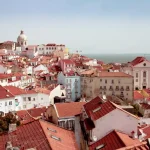
📷 Featured image by Fulvio Ambrosanio on Unsplash.