On this page
- Why Évora Belongs on Your 2026 Portugal Itinerary
- Getting to Évora from Lisbon and Beyond
- When to Go: Seasons, Crowds, and the Alentejo Heat
- Where to Stay: Inside the Walls and Beyond
- Getting Around Évora Day-to-Day
- 2026 Budget Reality: What Évora Actually Costs
- What to See and Do: The Essential List
- Eating and Drinking in Évora: Where to Go Specifically
- Évora for Workationers: Connectivity and Where to Work
- Frequently Asked Questions
Why Évora Belongs on Your 2026 Portugal Itinerary
Most travellers rushing between Lisbon and the Algarve skip Évora entirely, which is honestly their loss and your gain. In 2026, with Lisbon’s tourist pressure at an all-time high and short-term rental restrictions tightening across the capital, Évora has quietly become one of the most rewarding stops in Portugal — without the overcrowded streets or inflated prices that now define peak-season Porto and Lisbon. That said, Évora is no longer a secret. Summer weekends fill fast, and the city’s UNESCO World Heritage status means a steady stream of day-trippers from Lisbon. Plan with that in mind and you’ll have the place largely to yourself.
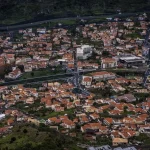
Enclosed within Roman-era walls in the heart of the Alentejo plains, Évora is compact, walkable, and genuinely beautiful. A Roman temple, a cathedral, a Chapel built from human bones, cork-oak forests on the edges of town, and some of the best food in Portugal — all within a 2-kilometre radius. This guide covers everything you need to plan an actual trip, not just a day visit.
Getting to Évora from Lisbon and Beyond
Évora sits roughly 130 kilometres east of Lisbon, and how you arrive shapes the whole experience.
By Train
The CP Intercidades service from Lisbon’s Oriente station remains the most comfortable option. Journey time is approximately 1 hour 35 minutes to 1 hour 45 minutes depending on the service. In 2026, CP updated its Évora timetable to include earlier morning departures (first train around 07:05 from Oriente) and a later evening return, making genuine day trips from Lisbon more realistic than before — though staying overnight is still strongly recommended. Tickets cost between €11 and €16 one-way depending on the fare class you book. Buy online at cp.pt at least 48 hours ahead to secure the cheaper Especial fares, especially on weekends.
Évora’s train station sits about 1.3 kilometres from the old town walls — an easy 15-minute walk on a flat road, or a quick taxi for around €5.

By Bus
Rede Expressos runs multiple daily coaches from Lisbon’s Sete Rios terminal. Journey time is around 1 hour 45 minutes to 2 hours. Fares hover around €13–€15 one-way. The bus drops you at Évora’s rodoviária (bus station) on Avenida São Sebastião, about a 10-minute walk from the Praça do Giraldo, the city’s main square. Buses are a solid option if train times don’t work for your schedule.
By Car
The A6 motorway from Lisbon makes the drive straightforward — around 1 hour 20 minutes in light traffic. Driving gives you the flexibility to visit the megalithic sites around Évora (Cromeleque dos Almendres, Anta Grande do Zambujeiro) without needing a guided tour, which is a real advantage. Parking inside the old walls is limited. The free car parks near the Jardim Público and along the walls to the south are your best options. A paid underground car park near Praça do Giraldo charges around €1.50 per hour.
When to Go: Seasons, Crowds, and the Alentejo Heat
The Alentejo is one of the hottest regions in continental Europe in summer. In July and August, temperatures in Évora routinely hit 38–42°C during the day. The stone streets radiate heat, shade is limited, and the midday hours between 12:00 and 16:00 are genuinely unpleasant for sightseeing. If you visit in summer, structure your days around early mornings and evenings — the city looks spectacular in the golden hour anyway.
Spring (March to May) is the ideal window. Temperatures sit between 18–26°C, the Alentejo countryside is vivid green with wildflowers, and crowds are manageable outside of Easter week. Autumn (September to October) runs a close second — still warm, harvest season is underway, and the tourist volume drops noticeably after mid-September. Winter is quiet and cold by Alentejo standards (8–14°C), with occasional rain, but accommodation prices drop significantly and the city feels authentically local. The Christmas market in Praça do Giraldo is small but genuinely charming.
Where to Stay: Inside the Walls and Beyond
Évora’s old town, enclosed by the 14th-century walls, is where almost everything worth seeing is located. Staying inside the walls means you can walk everywhere — to dinner, to the Roman temple at night when it’s lit up, to the morning market — without thinking about transport. This is the right choice for most visitors.
Inside the Walls
The streets around Praça do Giraldo and the cathedral district have the densest concentration of guesthouses, boutique hotels, and self-catering apartments. This area is lively in the evenings but quietens down by midnight — Évora is not a late-night city. Look for accommodation on or near Rua 5 de Outubro, the main pedestrian street connecting the square to the temple. It’s central without being directly on the loudest streets.
The Pousada de Évora (housed in the former Convento dos Lóios, directly beside the Roman temple) is the landmark luxury option — and worth it if the budget allows. Waking up to the view of the temple from the cloister is something you won’t see at any other hotel in Portugal.
Outside the Walls
If you’re driving and don’t want to deal with the limited parking inside the walls, the residential streets immediately south and east of the walls have solid mid-range options within a 10-minute walk of the centre. The Montebelo Évora Congress Hotel, for example, is about 700 metres from the Jardim Público gate and has a pool — useful in summer.

For a genuinely different experience, consider staying at one of the Alentejo herdades (country estates) within 20–30 kilometres of Évora. Places like Herdade do Esporão or smaller agro-turismo properties offer cork-oak landscapes, olive groves, and genuine quiet. You’ll need a car, but the contrast to a city hotel is total.
Getting Around Évora Day-to-Day
The honest answer is: you’ll walk everywhere inside the walls. The old town is about 1.5 kilometres across at its widest point. The Roman temple, cathedral, Chapel of Bones, Praça do Giraldo, and the market — everything sits within comfortable walking distance. The streets are cobbled and occasionally steep near the cathedral, so comfortable shoes matter more here than in most Portuguese cities.
Taxis and Rideshares
Uber operates in Évora in 2026, though availability is thinner than in Lisbon. Traditional taxis are reliable and metered — a ride from the train station to the centre costs €5–€7. For day trips to the megalithic sites outside the city, taxis can be hired by the hour (approximately €25–€30 per hour); negotiate and agree on the total before departing.
Bikes
The city has a small bike-share scheme, and several rental shops near the train station offer standard and e-bikes. E-bikes make particular sense for reaching the Cromeleque dos Almendres (about 14 kilometres west of the city) independently — the road is flat through cork-oak countryside and the route is straightforward. Rental costs around €20–€30 per day for an e-bike.
Day Trips from Évora
Évora works well as a base for exploring the wider Alentejo. Monsaraz (a fortified hilltop village above the Alqueva reservoir) is 55 kilometres east and worth an afternoon. The medieval town of Estremoz is 45 kilometres north. Neither is accessible by public transport in any practical way — a car or organised tour is necessary. Several small-group tour operators in Évora run half-day and full-day trips covering the megaliths, Monsaraz, and wine estates; check the tourism office on Praça do Giraldo for current operators and pricing.

2026 Budget Reality: What Évora Actually Costs
Évora remains noticeably cheaper than Lisbon and Porto, but prices have risen steadily since 2023. Here’s an honest breakdown for 2026:
Accommodation (per night, for two people)
- Budget: €50–€80 — guesthouses and smaller residenciais inside or near the walls. Basic but clean; some include breakfast.
- Mid-range: €90–€150 — boutique hotels with private bathrooms, AC, and character. This tier is strong in Évora.
- Comfortable: €160–€350+ — the Pousada de Évora, design hotels, and upscale rural estates outside the city.
Food and Drink
- Budget: A prato do dia (dish of the day) at a local tasca: €8–€12 including bread, wine, and dessert. This is still one of the best deals in Portuguese travel.
- Mid-range: A full dinner for two at a proper restaurant with Alentejo wine: €50–€80.
- Comfortable: Tasting menus at Évora’s better restaurants: €70–€120 per person.
Sights
- Roman Temple: free (exterior always accessible).
- Évora Cathedral (Sé): €4.50 adult entry; rooftop access included.
- Chapel of Bones (Igreja de São Francisco): €5 adult entry in 2026.
- Museu de Évora: €3 adult entry.
- Combined tickets for multiple sites are available at each entrance and save around €2–€3 per person.
Getting There
- Train from Lisbon (return): €22–€32 depending on advance booking and fare class.
- Bus from Lisbon (return): €26–€30.
What to See and Do: The Essential List
Évora’s sights are concentrated and genuinely exceptional. Resist the temptation to rush through them in a single morning.
Templo Romano
The 1st or 2nd-century Roman temple — often called the Temple of Diana, though that name is historically debated — stands in the centre of the old town with 14 Corinthian columns still intact. It survived largely because it was used as a medieval slaughterhouse, then a fortress, which protected the stone. Visit at dusk when the columns glow orange-gold and the square empties of tour groups. The atmosphere at that hour, with the old walls visible in the background and the scent of jasmine from nearby gardens drifting through the warm air, is genuinely hard to describe without sounding like a cliché.

Évora Cathedral (Sé de Évora)
Built between the 12th and 14th centuries, the Sé is the largest medieval cathedral in Portugal. Climb to the rooftop terrace for the best panoramic view of the city and the Alentejo plains stretching endlessly to the horizon. The Gothic cloister is quiet and cool even on hot days. Budget at least 45 minutes.
Chapel of Bones (Capela dos Ossos)
Attached to the Igreja de São Francisco, this 16th-century chapel is lined with the bones and skulls of approximately 5,000 monks — arranged with a strange, deliberate artistry. The entrance inscription reads “Nós ossos que aqui estamos, pelos vossos esperamos” (We bones that are here, await yours). It’s a sobering and genuinely memorable place, not merely macabre. Lines form here by mid-morning in summer; arrive before 09:30.
Cromeleque dos Almendres
About 14 kilometres west of the city, this megalithic stone circle is one of the largest and oldest in Iberia — predating Stonehenge. The site sits in a cork-oak forest, reached along a dirt track. There’s minimal signage and almost no infrastructure, which makes it feel genuinely ancient. A car or e-bike is necessary to reach it. Go early; by 10:00 in summer it’s already hot in the open field.
Praça do Giraldo and the Old Town Streets

The main square — with its 16th-century marble fountain and the Igreja de Santo Antão on the northern end — is the natural gathering place. The streets radiating from it, particularly Rua 5 de Outubro and the lanes behind the cathedral, have a mix of independent shops, cork goods, ceramics, and wine shops worth browsing. The morning market (Mercado Municipal on Rua de Aviz) runs until about 13:00 and is where locals actually shop for produce, cheese, and chouriço.
Eating and Drinking in Évora: Where to Go Specifically
Alentejo cooking is rich, slow, and unapologetically pork-forward. The region produces some of Portugal’s finest black pork (porco preto), lamb, and game. Locally grown bread — the dense, slightly sour Alentejo bread — is the base of multiple dishes.
What to Order
- Açorda alentejana: A bread-based soup with garlic, coriander, olive oil, and a poached egg. Simple and extraordinary when made well.
- Migas: Fried bread crumbs cooked with garlic and pork fat — eaten as a side dish, not a main.
- Borrego assado: Slow-roasted Alentejo lamb. Order it if you see it on a daily specials board.
- Queijo de Évora: A hard, salty ewe’s milk cheese made in the region. Buy it at the market to take home.
- Alentejo wines: The Alentejo DOC produces bold reds from Aragonez, Trincadeira, and Alicante Bouschet grapes. Order the house wine at any local tasca — it will almost certainly be good.
Where to Eat
For a genuine local lunch experience, the tascas on and around Rua da República and the lanes south of Praça do Giraldo serve prato do dia from around €9. These places don’t have English menus and fill with locals between 12:30 and 14:00 — that’s your signal you’re in the right place.
For a more considered dinner, Taberna Típica Quarta-Feira on Rua do Inverno has been a consistent favourite for Alentejo regional cooking for years. Reservations are essential in season. Fialho on Travessa das Mascarenhas is the city’s most established restaurant — traditional, slightly formal, and very good for a longer lunch or dinner. Expect to spend €35–€50 per person with wine.

For wine specifically, the shop-bar concept has grown in Évora. Several wine shops near the Roman temple have opened tasting areas where you can work through a flight of Alentejo wines with charcuterie for €15–€25 per person — a useful and enjoyable way to learn the region’s producers before buying bottles to take home.
Évora for Workationers: Connectivity and Where to Work
Évora isn’t a major workationer hub like Lisbon or Porto, but it functions surprisingly well for remote workers spending a few days or a week in the Alentejo. The pace is slower, the distractions are manageable, and the cost of living is noticeably lower.
Cafés with Reliable WiFi
Café Arcada on Praça do Giraldo has been upgraded with faster WiFi in 2025 and has enough seating and power points to work comfortably through a morning. Order a galão (milky coffee) and a slice of queijada (a local cheese pastry) and you’ll fit in. Officina do Sabor near the cathedral is quieter in the mornings and has good natural light. Most cafés in the centre offer free WiFi — ask for the password when ordering.
Co-Working
Évora’s co-working infrastructure is limited compared to larger cities, but Évora Incubadora (the city’s business incubator near the university) offers day passes for around €15 and has reliable fibre internet. The University of Évora area, to the north of the old town, also has a few study-friendly cafés that work well for remote working during term time.

Connectivity
4G/5G coverage is solid throughout the old town and surrounding urban area in 2026. All major Portuguese operators (NOS, MEO, Vodafone) cover Évora well. If you’re working on a local SIM, NOS and MEO both offer monthly data plans from around €15–€20 that cover the whole country including rural Alentejo — useful if you’re planning day trips.
Frequently Asked Questions
How many days do you need in Évora?
Two nights and two full days is the minimum to see the main sights comfortably and eat well. Three nights works better if you want to include a day trip to Monsaraz, the Cromeleque dos Almendres, or a wine estate. A single day visit from Lisbon is possible but leaves you rushed and means missing Évora at night, which is genuinely worth experiencing.
Is Évora worth visiting in summer despite the heat?
Yes, with adjustments. Structure your days to start before 09:00 and rest between 12:00 and 16:00. Evenings are warm and pleasant, the city lights beautifully at night, and terrace dining is excellent from June through September. The heat is real — 40°C days happen regularly in July and August — but it doesn’t make Évora unvisitable. Just plan for it.
Can you visit Évora without a car?
Absolutely. The old town itself is entirely walkable, and the train from Lisbon is fast and comfortable. The limitation is day trips — Monsaraz, the megalithic sites, and most wine estates require a car or an organised tour. If you’re happy staying within the city, a car is unnecessary. If you want to explore the wider Alentejo, rent one in Évora or drive from Lisbon.
Is Évora safe for solo travellers?
Very safe. Évora is a small university city with a calm, community feel. Street crime is extremely rare. Solo travellers — including women travelling alone — consistently report feeling comfortable here, including walking the old town streets at night. Standard common-sense precautions apply as anywhere, but Évora presents no particular safety concerns.
What is the best way to book accommodation in Évora?
Book directly with the property where possible — many smaller guesthouses and boutique hotels offer slightly better rates or added extras (breakfast, late checkout) for direct bookings. In high season (July, August, and Easter week), book at least 6–8 weeks ahead for any property inside the walls. Outside peak season, last-minute availability is usually fine.
Explore more
Evora Shopping Guide: Where to Buy Alentejo Wine, Cork Products & Ceramics
Evora’s Culinary Crown Jewels: The Best Restaurants You Can’t Miss
Evora Nightlife Guide: Best Bars, Clubs, and Live Music Spots
📷 Featured image by Gunnar Ridderström on Unsplash.