On this page
- Where to Find Weekly Markets Across the Algarve
- Portimão and Faro: The Best Malls and Shopping Centres
- What to Actually Buy in the Algarve
- Boutique Streets and Independent Shops in Lagos, Tavira, and Silves
- 2026 Budget Reality: What Things Cost at Algarve Markets and Shops
- Practical Tips for Shopping Smart in the Algarve
- Frequently Asked Questions
💰 Click here to see Portugal Budget Breakdown
💰 Prices updated: September, 2026. Budget figures are estimates — always verify before travel.
Exchange Rate: $1 USD = €0.88
Daily Budget (per person)
Shoestring: €40.00 – €70.00 ($45.45 – $79.55)
Mid-range: €150.00 – €300.00 ($170.45 – $340.91)
Comfortable: €400.00 – €1,000.00 ($454.55 – $1,136.36)
Accommodation (per night)
Hostel/guesthouse: €15.00 – €50.00 ($17.05 – $56.82)
Mid-range hotel: €70.00 – €150.00 ($79.55 – $170.45)
Food (per meal)
Budget meal: €10.00 ($11.36)
Mid-range meal: €25.00 ($28.41)
Upscale meal: €60.00 ($68.18)
Transport
Single metro/bus trip: €1.90 ($2.16)
Monthly transport pass: €40.00 ($45.45)
Where to Find Weekly Markets Across the Algarve
Portugal’s mass-tourism wave hit the Algarve harder than anywhere else in 2025, and by 2026 the coastal towns between Lagos and Tavira are running near capacity every summer weekend. The result: overcrowded beaches and overpriced beach-bar cocktails — but also a flourishing network of local markets that still feel genuinely Portuguese, if you know which ones to go to and when.
The Algarve’s mercados de levante (morning markets) rotate through the region on a weekly calendar that most tourists never discover. Here’s where to go:
- Loulé Saturday Market — The most famous in the Algarve and deservedly so. It runs every Saturday morning from around 7:00 until 13:00 inside a striking Moorish-revival building in the centre of town. Stalls spill outside onto the surrounding streets. You’ll find fresh almonds, fig cakes, local honey, handmade ceramics, and woven esparto baskets. Loulé is 18 km north of Faro — an easy drive or a short train ride.
- Olhão Fishing Market — Two neogothite market buildings on the waterfront sell fresh fish and vegetables Tuesday through Saturday. Saturday morning is the busiest and most atmospheric, with tuna, sea bass, and clams still smelling of the Atlantic. The fish market closes at 13:00; don’t arrive late.
- Silves Tuesday Market — Smaller, quieter, almost entirely local. Set up along the riverbank near the castle, it sells regional fruit, cheap clothing, and handmade copper goods. Worth combining with a visit to the red sandstone castle above town.
- Lagos Gypsy Market — Held on the first Saturday of every month at the Rossio de São João car park. This large open-air market runs from 08:00 to 13:00 and sells everything from embroidery and leather sandals to garden tools and second-hand clothes.
- Quarteira Wednesday Market — One of the largest outdoor markets in southern Portugal. It covers several blocks near the seafront and runs from early morning until around 14:00. Go for cheap linen, ceramics, and local spices. Avoid the knock-off branded goods — they’re everywhere here.
Portimão and Faro: The Best Malls and Shopping Centres
Not every shopping trip in the Algarve needs to mean haggling under a canvas awning in 35°C heat. The region has two genuinely good shopping centres worth knowing about — especially useful if you need practical items, international brands, or air conditioning.

Forum Algarve, Faro
This is the largest shopping centre in southern Portugal, located just off the EN125 on the western outskirts of Faro. Forum Algarve has around 150 shops across two floors, including Zara, H&M, Mango, a large FNAC, and a Continente hypermarket in the basement. The food court is functional rather than exciting, but the Continente supermarket downstairs is genuinely useful for stocking up on Portuguese wines, local olive oil, and nata pastries at supermarket prices before your flight home. Faro Airport is 4 km away. Forum Algarve is open Monday to Sunday, 10:00–23:00.
Aqua Portimão
Smaller than Forum Algarve but better located — it sits right in the centre of Portimão, walking distance from the riverside restaurants on the waterfront. Three floors with around 70 shops including Parfois, Springfield, and a cinema. More relaxed atmosphere than Forum Algarve, and the top floor has a good view of the Arade river estuary. Open daily 10:00–23:00.
There’s also a small shopping gallery in the centre of Lagos — Rua das Portas de Portugal hosts a cluster of mid-range shops — and Tavira has a compact pedestrianised shopping street, though neither approaches the scale of the Faro or Portimão centres.
What to Actually Buy in the Algarve
Skip the cork-covered fridge magnets and the fake azulejo tiles printed in a factory somewhere outside Lisbon. The Algarve produces genuinely good regional goods that travel well and are hard to find elsewhere.
- Medronho — A rough, powerful spirit distilled from arbutus berries. It’s legal to produce in small quantities in the Algarve, and local aguardente de medronho from the Serra de Monchique area (the hills behind Portimão) is worth buying direct from a market vendor. Expect 40–50% alcohol content. Prices start around €8–10 for a 500ml bottle at a market.
- Algarve almonds and figs — The region has grown almonds and figs for centuries. Dried fig cakes (morgados de figo) stuffed with almonds, cinnamon, and chocolate are a proper local product. Buy from Loulé market or directly from makers in Tavira and Silves.
- Cataplana cookware — The copper clam-shaped pot used to make cataplana stew is an Algarve original, not a generic Portuguese product. Silves and Portimão markets still have craftspeople selling hand-hammered copper cataplanas. Sizes range from individual (22 cm) to family (30 cm).
- Local honey — Mel do Algarve has protected designation of origin (DOP) status. Look for the certification label at markets. It’s darker and more aromatic than supermarket honey, often made from rosemary, orange blossom, or carob flowers.
- Ceramic rooster figures from Porches — The village of Porches, between Lagoa and Alcantarilha, has been a centre for Algarve pottery since the 1960s. The Porches Pottery workshop is still the best place to buy hand-painted pieces directly. Tiles, bowls, and plates painted with traditional blue and white patterns are made on site.

Boutique Streets and Independent Shops in Lagos, Tavira, and Silves
The most interesting shopping in the Algarve isn’t in malls or markets — it’s in the old-town pedestrian streets of Lagos, Tavira, and Silves, where a growing number of small independent shops have opened since 2023, partly driven by the digital nomad and long-stay visitor economy that transformed coastal towns over the past few years.
Lagos
Rua 25 de Abril and the connecting streets in the old town have the highest concentration of independent boutiques in the western Algarve. Look for Casanova Lagos (handmade leather bags and sandals), several surf-brand concept stores, and small jewellery workshops where you can watch artisans work. The narrow streets smell of beeswax and grilled fish — the kind of sensory combination that makes you slow down and actually look at what’s in the windows.
Tavira
The most architecturally intact town in the eastern Algarve has a pedestrian zone running along Rua da Liberdade and Rua Dr. Augusto da Silva Carvalho. Several shops here specialise in Algarve linen and embroidered tablecloths — look for items with the hand-stitched label indicating actual local production, not imports. Tavira is also the best place to buy tuna-related products: canned local tuna in olive oil, tuna pâté, and salt-cured atum from the traditional fishing industry that still operates out of nearby Santa Luzia.
Silves
The copper-crafting tradition here is the real draw. Several workshops near the castle still produce hand-hammered copper items — cataplanas, jugs, and decorative plates. Prices are fair because Silves gets fewer tourists than Lagos or Albufeira, and the craftspeople compete more on quality than on tourist volume.
2026 Budget Reality: What Things Cost at Algarve Markets and Shops
Prices across the Algarve rose significantly between 2023 and 2025, tracking inflation and the ongoing growth in visitor numbers. Here’s an honest picture of what to expect in 2026:

At Weekly Markets
- Fresh produce: €1–3 per kg for seasonal fruit and vegetables. Still among the best-value fresh food in Western Europe.
- Local honey (500g jar): €6–10 from certified producers at Loulé and Olhão markets.
- Medronho (500ml): €8–14 depending on age and producer.
- Handmade leather sandals: €25–45 a pair at Lagos market.
- Hand-painted ceramic tile (single): €4–8 at Loulé; higher in tourist-facing shops.
At Shops and Boutiques
- Budget: Zara, H&M, and Springfield in Forum Algarve or Aqua Portimão — prices match elsewhere in Europe, €15–60 for clothing items.
- Mid-range: Porches Pottery hand-painted bowl, €35–80. Copper cataplana (22 cm), €45–75.
- Comfortable: Large copper cataplana (30 cm, hand-hammered), €100–180. High-quality embroidered Tavira linen tablecloth, €60–120.
One thing that hasn’t changed: supermarket prices at Continente and Pingo Doce remain relatively affordable. A bottle of decent Algarve white wine is €4–8. Regional olive oil, DOP certified, runs €6–12 per litre. If you’re flying home from Faro, the Continente inside Forum Algarve is 4 km from the airport and makes an efficient last stop for food gifts.
Practical Tips for Shopping Smart in the Algarve
A few things that save you time, money, and frustration — especially if this is your first time shopping here rather than just eating and beaching.
- Opening hours are strict. Most independent shops close between 13:00 and 15:00 for lunch, and many market stalls are packed up and gone by 13:30. Plan accordingly. Monday morning is often a dead zone — some shops stay closed until Tuesday.
- Bargaining is not standard in Portugal. At markets, you can politely ask if there’s a discount for buying multiple items — “tem desconto para dois?” works fine — but don’t push it. In shops, prices are fixed.
- Avoid the airport gift shops. Faro Airport’s retail offering is overpriced and the products are mostly mass-produced generics. Everything from ginjinha to tinned sardines costs 30–50% more airside than at Forum Algarve 4 km away.
- Tax refunds (VAT): Non-EU visitors spending over €61.50 at a single retailer can claim a VAT refund (IVA reembolso) at Faro Airport. Ask the shop for a refund form at point of sale. The process at Faro’s refund desk is faster than at Lisbon Airport, typically taking 10–15 minutes.
- Summer crowds peak between mid-July and late August. Loulé Saturday Market and Olhão Fish Market are both noticeably more crowded during this window. If you can visit in May, June, or September, you’ll have more space and vendors will be less rushed.
Frequently Asked Questions
What is the best market in the Algarve?

Loulé Saturday Market is consistently the best overall, combining fresh produce, regional food products, ceramics, and crafts in a beautiful indoor-outdoor setting. Olhão’s fish market is the top choice specifically for fresh seafood. Both are accessible by train from Faro and other coastal towns.
Where can I buy authentic Portuguese ceramics in the Algarve?
Porches Pottery in the village of Porches, between Lagoa and Alcantarilha, is the most reliable source for hand-painted Algarve ceramics. Loulé market also has several stalls selling genuine local work. Avoid ceramic tiles sold near Albufeira’s tourist strip — most are not locally made.
Are there good shopping centres near Faro Airport?
Forum Algarve is the best option — 4 km from the terminal with around 150 shops, a large Continente supermarket, and standard European retail chains. It’s useful for last-minute food gifts, wine, and olive oil at reasonable prices. Open daily 10:00–23:00, including Sundays.
Can I use credit cards at Algarve markets?
Increasingly yes — many vendors in 2026 carry mobile card readers and accept Visa and Mastercard. However, some older stallholders and fresh produce vendors still prefer cash. Carry €30–50 in small notes as backup. Multibanco ATMs are available near most major market locations but get busy on Saturday mornings.
What Algarve products are worth buying as gifts?
The most practical and genuinely local options are: morgados de figo (fig and almond cakes), medronho spirit from Monchique, DOP-certified Algarve honey, tinned local tuna from Tavira, and hand-painted ceramics from Porches. All travel well and are difficult to find outside the region.
Explore more
The Ultimate Guide to Algarve Day Trips: Explore Beyond Your Resort
Where to Stay in Algarve: Lagos, Albufeira, Faro & The Best Areas
Your Ultimate Guide to Getting Around the Algarve: Transfers, Car Rental & Public Transport
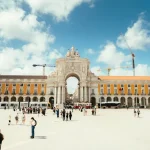
📷 Featured image by Alice Kotlyarenko on Unsplash.