💰 Click here to see Portugal Budget Breakdown
💰 Prices updated: September, 2026. Budget figures are estimates — always verify before travel.
Exchange Rate: $1 USD = €0.88
Daily Budget (per person)
Shoestring: €40.00 – €70.00 ($45.45 – $79.55)
Mid-range: €150.00 – €300.00 ($170.45 – $340.91)
Comfortable: €400.00 – €1,000.00 ($454.55 – $1,136.36)
Accommodation (per night)
Hostel/guesthouse: €15.00 – €50.00 ($17.05 – $56.82)
Mid-range hotel: €70.00 – €150.00 ($79.55 – $170.45)
Food (per meal)
Budget meal: €10.00 ($11.36)
Mid-range meal: €25.00 ($28.41)
Upscale meal: €60.00 ($68.18)
Transport
Single metro/bus trip: €1.90 ($2.16)
Monthly transport pass: €40.00 ($45.45)
Aveiro has been on the Portuguese day-trip circuit long enough that summer weekends now feel genuinely crowded along the central canal. In 2026, visitor numbers to this small coastal city continue to climb — partly because the Alfa Pendular from Porto now drops you here in under an hour, and partly because social media keeps recycling the same colourful moliceiro shots. If you show up on a Saturday in August without a plan, you’ll queue for a boat ride, queue for ovos moles, and leave wondering what the fuss was about. Visit on a Tuesday in April and you’ll understand immediately.
What Makes Aveiro Worth the Trip
Aveiro sits at the edge of the Ria de Aveiro, a vast coastal lagoon stretching roughly 45 kilometres along the Atlantic coast. The city itself is compact and walkable, built around a network of canals that were once working waterways for seaweed harvesting. That agricultural past is exactly where Aveiro’s character comes from — it’s not a city that performed its identity for tourists. The moliceiros, those flat-bottomed painted boats, were genuine working vessels until the mid-20th century. The salt pans on the lagoon’s edge are still active. The seafood in the local restaurants is caught nearby.
What separates Aveiro from more polished Portuguese destinations is its low-key confidence. The centre is small enough to walk in an afternoon, but the surrounding lagoon and coast give it a geographic scale that most visitors barely scratch. The Art Nouveau architecture along Rua João Mendonça is genuinely striking — not a theme park recreation of a style, but buildings commissioned by wealthy merchants who made fortunes in Brazil and brought the aesthetic home around 1900. The Museu Arte Nova is one of the best small architecture museums in the country.
The Moliceiro Boat Ride — What to Expect
The moliceiro ride is the thing everyone does, and it earns its reputation. The boats leave from the main canal near the Praça do Peixe, and a standard shared ride runs about 45 minutes through the central canals. What you get is a surprisingly quiet glide past painted façades, low bridges, and the backs of old warehouses — the city looks completely different from water level. The gondolier will point out key buildings, usually in Portuguese, sometimes with a rough English commentary depending on the operator.
The prow panels on every moliceiro are painted with scenes that range from religious imagery to surprisingly bawdy folk humour — a tradition that dates back centuries and is still maintained. Your boat might show a cartoon of a politician or a cheeky domestic scene. It’s worth asking the operator what yours depicts before you board.
Expect to pay €15 per adult for a shared ride in 2026, or €70–€80 to hire a private boat for up to six people. Children under 5 typically ride free. The ride does not go out onto the open lagoon — it stays within the city canals, which is the right call given those are the most photogenic stretches.
Eating and Drinking in Aveiro
Ovos moles are Aveiro’s most famous export — thin wafer shells filled with a thick egg yolk and sugar paste, shaped like fish, shells, and barrels. The smell of warm wafer from a good confeitaria is faintly sweet and almost savoury at the same time, somewhere between a custard and a fresh crêpe. Confeitaria Peixinho near the central canal is the most consistently recommended producer in 2026, and they also do a decent coffee. Buy three or four loose pieces rather than a boxed gift set if you want to eat them fresh — the boxes are optimised for transport, not flavour.
For a proper meal, Restaurante Salpoente on Canal de São Roque is the serious option — a converted salt warehouse with a menu built around local fish and shellfish. The caldeirada de enguias (eel stew) is specific to this part of the Ria and almost impossible to find well-made elsewhere in Portugal. It’s a mid-range to comfortable restaurant; expect to spend €30–€45 per person with wine.
For something cheaper and faster, the covered market (Mercado Manuel Firmino) has a cluster of lunch counters serving grilled fish and rice dishes for €8–€12. It’s where locals eat on weekday lunchtimes and the quality is reliably good. The bacalhau à brás and the grilled robalo (sea bass) are safe choices.
Beyond the Canals — What Else to See

The Ria de Aveiro deserves more time than most visitors give it. The lagoon is accessible by bicycle along the dedicated cycle path that runs south from the city toward the Costa Nova, a beach village about 8 kilometres away. The striped houses at Costa Nova — palheiros, originally fishermen’s storage huts — are genuinely one of the more striking visual curiosities in central Portugal. The beach itself is wide and Atlantic-rough; not a calm swimming beach in most weather, but dramatic and almost empty outside July and August.
The salt pans between Aveiro and the lagoon villages are worth a slow walk or cycle. In late summer they turn vivid shades of pink and amber as the salt crystallises. Several producers still harvest by hand and sell directly from small farm stands along the road — the flor de sal from this region is considered among the best in Europe.
Back in the city, Vista Alegre has its factory and museum about 10 kilometres south of Aveiro in Ílhavo. The porcelain brand has been producing here since 1824, and the museum traces the full history of the factory with an impressive permanent collection. The on-site shop sells seconds and discontinued pieces at reduced prices. The Museu da Vista Alegre is worth combining with a visit to Ílhavo’s excellent Museu Marítimo, which covers the long history of the local cod-fishing fleet that once sailed to Newfoundland.
Day Trip or Overnight?
Aveiro works as a day trip from Porto — the train journey is under an hour each way, and you can cover the canal, the Art Nouveau buildings, a meal, and the market in a comfortable seven hours. From Lisbon it’s more of a stretch: the fastest Alfa Pendular takes around two hours, which means a long day or an overnight stay makes more sense. Travelling from Lisbon, combining Aveiro with a stop in Coimbra on the return journey is a practical way to make the most of the distance.
If you stay overnight, the city changes character completely after 6pm when the day-trip buses have left. The canal restaurants fill with locals, the pace slows, and you get to see a small Portuguese city on its own terms. Two days is enough to add Costa Nova, a lagoon cycle, and the Ílhavo museums without rushing. Budget guesthouses in the centre start around €55 per night in 2026; mid-range hotels with canal views run €90–€130.

Getting to Aveiro and Getting Around
The train is the obvious choice from both Porto and Lisbon. From Porto Campanhã, Alfa Pendular and InterCity services run frequently throughout the day — journey time is 50–60 minutes and tickets start at €7.60 in advance. From Lisboa Santa Apolónia, the Alfa Pendular takes around 2 hours 10 minutes; fares start around €20 booked ahead through CP’s website or app. In 2026, CP’s real-time app has improved significantly and is reliable for seat booking on these routes.
From Porto, regional trains are cheaper (around €3.50) but take 1h20–1h40 and require a change at Espinho or Ovar — not worth the saving unless you’re on a tight budget.
Within Aveiro, walking covers the city centre easily. The city runs a free BUGA bicycle loan scheme — pick up a bike from designated stations with a refundable €50 deposit (returned when you bring it back). These are city bikes, fine for flat canal paths and the coastal route to Costa Nova. For the Ílhavo museums, take a local bus (line 8) or a taxi; it’s about €10–€12 each way.
2026 Budget Reality
Budget (under €60/day): Train from Porto, BUGA bike, market lunch €10, ovos moles €3, moliceiro shared ride €15, guesthouse €55. Tight but very doable.
Mid-range (€80–€130/day): Return Alfa Pendular from Porto, moliceiro ride, lunch at the market, dinner at a canal-side restaurant with wine, mid-range hotel. This is the comfortable sweet spot for most visitors.
Comfortable (€160+/day): Add private moliceiro hire, lunch at Salpoente, a canal-view hotel room, and a taxi to Ílhavo. Still not expensive by Western European standards.
Prices in Aveiro have increased about 12–15% since 2024, in line with inflation across the Portuguese hospitality sector. The moliceiro ride price rose from €12 to €15 in early 2025 and has held there. Restaurant meal prices are still noticeably lower than Lisbon or Porto for equivalent quality.
Practical Tips for 2026
Best time to visit: Late March through May, and September through October. The weather is mild, the lagoon light is beautiful, and crowds are manageable. July and August bring Portuguese families on holiday — the city is busy but still functional; just pre-book everything.
What to skip: The tourist boat ticket kiosks near the train station charge the same price as independent operators but offer less experience. The souvenir shops along the main canal sell ovos moles in airport-style packaging at inflated prices — go directly to a confeitaria.
A note on the “Venice” comparison: It’s a marketing label and a useful shorthand, not an accurate description. Aveiro is smaller, quieter, and more genuinely Portuguese than the comparison implies. The canals are interesting because of what they tell you about local history, not because they look like somewhere else.
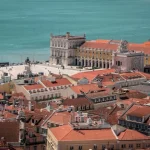
📷 Featured image by Bruno Soares on Unsplash.