On this page
- The Silver Coast in 2026: Still the Real Portugal, But Getting Discovered Fast
- What Actually Makes the Silver Coast Different
- The Towns Worth Slowing Down In
- Beaches for Every Kind of Traveler
- Where and What to Eat on the Silver Coast
- Getting There and Moving Between Towns
- Inland Detours Worth the Drive
- Surfing, Big Waves, and Outdoor Life
- Where to Stay: Accommodation by Town and Budget
- When to Go: Seasons, Surf, and Crowds
- What Things Cost: 2026 Budget Reality
- Ground-Level Practical Tips
- Frequently Asked Questions
💰 Click here to see Portugal Budget Breakdown
💰 Prices updated: September, 2026. Budget figures are estimates — always verify before travel.
Exchange Rate: $1 USD = €0.88
Daily Budget (per person)
Shoestring: €40.00 – €70.00 ($45.45 – $79.55)
Mid-range: €150.00 – €300.00 ($170.45 – $340.91)
Comfortable: €400.00 – €1,000.00 ($454.55 – $1,136.36)
Accommodation (per night)
Hostel/guesthouse: €15.00 – €50.00 ($17.05 – $56.82)
Mid-range hotel: €70.00 – €150.00 ($79.55 – $170.45)
Food (per meal)
Budget meal: €10.00 ($11.36)
Mid-range meal: €25.00 ($28.41)
Upscale meal: €60.00 ($68.18)
Transport
Single metro/bus trip: €1.90 ($2.16)
Monthly transport pass: €40.00 ($45.45)
The Silver Coast in 2026: Still the Real Portugal, But Getting Discovered Fast
The Algarve is fully booked, Lisbon hotels cost what Paris hotels cost, and the Douro Valley fills up weeks in advance. The Silver Coast — Costa de Prata in Portuguese — sits roughly 80 kilometres north of Lisbon and stretches up toward Figueira da Foz, and for now it still rewards travelers who do the basic research. In 2026, visitor numbers on this stretch have climbed steadily, but it hasn’t tipped into mass tourism the way the south coast has. Fishing villages still function as fishing villages. Restaurants without English menus often serve the best food. The ocean is rawer, colder, and more dramatic than anything you’ll find in the Algarve. This guide covers everything you need to make the most of it.
What Actually Makes the Silver Coast Different
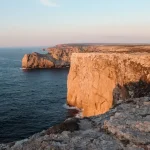
The name comes from the way Atlantic light hits the water on clear mornings — a pale, shimmering silver rather than the turquoise of southern Portugal. That’s not marketing copy; stand on the cliffs above Nazaré at 8am and you’ll see exactly what it means. The light is cooler, the water temperature is lower (typically 16–19°C in summer), and the landscape alternates between pine forest, limestone ridges, and wide sandy beaches that seem to go on longer than makes geographical sense.
What sets this region apart from Portugal’s other coastal zones is the density of interesting places within a compact area. You can visit a medieval walled town, watch big-wave surfers, eat the freshest grilled fish of your life, and walk a near-empty beach — all within 40 kilometres of each other. The infrastructure is improving too: road upgrades on the IC1 corridor have cut drive times between towns, and several new rural tourism accommodations opened in 2025 and 2026 that didn’t exist before.
The Towns Worth Slowing Down In
Nazaré
The most famous town on the Silver Coast, and rightfully so — but it earns its reputation for multiple reasons, not just the big waves. The lower town (Praia) runs along a wide beach lined with restaurants, while the upper town (Sítio) sits on a clifftop connected by a funicular that’s been running since 1889. The views from Sítio over the beach below are genuinely dizzying. Women in traditional seven-layered skirts still sell dried fish and handicrafts here, though in 2026 you’ll also find specialty coffee shops and natural wine bars tucked into the same streets.
Peniche
A proper working port town on a small peninsula that juts into the Atlantic. Peniche smells of salt and diesel in the morning when the trawlers come back in — not unpleasantly. The fishing auction hall (Lota) near the harbour operates early morning, and some local restaurants source directly from it. The town also has a 16th-century fortress that served as a political prison under Salazar’s dictatorship and is now a compelling museum. Baleal, a tidal island connected to the mainland by a sand spit, is just 6 kilometres north and has calmer waters on one side and surf breaks on the other.
Óbidos
This is the one that looks like it was designed for Instagram, but that’s not the town’s fault — it’s been beautiful for 600 years. The entire village sits inside intact medieval walls, and walking the top of those walls (free, with some narrow sections) gives you views over terracotta rooftops, bougainvillea spilling over white walls, and the green countryside beyond. Óbidos is small enough to walk in 45 minutes and is best visited on a weekday morning before the tour buses arrive from Lisbon. The famous cherry liqueur ginjinha is served here in a chocolate cup — the chocolate softens the sharp sweetness of the liqueur, and it’s one of those small experiences that you remember disproportionately long.
Caldas da Rainha
This is where Portuguese people actually go, rather than where tourists are told to go. A market town with a thermal spa history (the name means “Hot Springs of the Queen”), it has a lively daily market, a good municipal museum, and some of the most irreverent pottery in Portugal — the town has been producing deliberately crude, erotic ceramic figures (figuras de Caldas) since the 18th century. The Museu de Cerâmica is worth an hour. The produce market near Praça da República runs every morning and is one of the best places on the coast to buy local fruit, vegetables, smoked sausage, and cheese.
São Martinho do Porto
A natural bay so sheltered and circular it looks almost artificial. The water here is noticeably warmer than the open Atlantic beaches nearby, making it popular with families and people who want to swim without fighting waves. It’s a quieter, lower-key town than Nazaré, with a good handful of decent seafood restaurants along the bay. Worth an afternoon or an overnight.
Figueira da Foz
At the northern end of the Silver Coast, where the Mondego River meets the Atlantic, Figueira is a proper Portuguese resort town — casino, wide beach, a real city centre with its own personality. It draws Portuguese holidaymakers in summer rather than international tourists, which gives it an authenticity that’s harder to find further south. The beach here is vast: reportedly one of the widest in Europe.
Beaches for Every Kind of Traveler
The Silver Coast has enough beach variety to fill a week without repetition. Praia da Nazaré is the big, wide, town-fronting beach — impressive but busy in July and August. Praia do Norte, just north of Nazaré and accessible on foot, is where the enormous winter waves break and where in summer you’ll find far fewer people on a beach that feels genuinely wild.
Praia de Santa Cruz, south of Peniche, is a long sandy stretch backed by low cliffs — popular but not overcrowded, with consistent surf and a relaxed atmosphere. Lagoa de Óbidos, a lagoon separated from the sea by a narrow sand bar, offers flat-water options including kayaking and paddleboarding, with a few beach bars operating in summer. Praia de Baleal’s split personality — rough surf on the Atlantic side, calm water on the lagoon side — makes it one of the most practical beaches on the coast if you’re traveling with mixed swimmers.
Where and What to Eat on the Silver Coast
The seafood here is not a tourist performance — it’s what people have been eating for generations, and quality is consistently high because supply is genuinely local. In Peniche, the area around Rua do Cego has several no-frills restaurants that serve grilled fish with boiled potatoes, salad, and bread for under €12. The freshness is obvious: the fish doesn’t need sauce because it doesn’t need help.
Nazaré’s seafront promenade restaurants are convenient but priced for tourists. Walk one block back from the beach and prices drop noticeably. The Mercado Municipal de Nazaré on Avenida Vieira Guimarães is a good morning stop for fresh produce and occasionally has food stalls open at lunchtime. For a more structured market experience, Caldas da Rainha’s daily produce market is the best on the coast — locals shop there, not tourists, and prices reflect that.
In Óbidos, the main street (Rua Direita) restaurants are priced for day-trippers, but the town is small enough that stepping off the main drag leads you to a few places where locals actually eat lunch. Figueira da Foz has the most diverse food scene on the northern end of the coast, with a working-class café culture, proper pastelarias, and several restaurants around Rua Cândido dos Reis that serve lunch menus (prato do dia) for €8–10.
Caldas da Rainha also has a strong street food presence around the market — bifanas (pork sandwiches) from the market stalls are among the best you’ll find anywhere in Portugal, sold for €2–3.
Getting There and Moving Between Towns
From Lisbon, the Silver Coast is well connected. Trains run from Lisboa Oriente and Santa Apolónia to Caldas da Rainha, Óbidos (the station is actually in Gaeiras, a few kilometres from town — check this before assuming you’ll walk), and connections to Nazaré via Valado dos Frades. Journey times from Lisbon to Caldas da Rainha run around 1h15m–1h30m on Comboios de Portugal (CP) regional services. In 2026, CP updated several Silver Coast timetables following infrastructure work on the Oeste line — check current schedules directly on the CP website as departure times have shifted from what older guides list.
Rede Expressos buses connect Lisbon’s Sete Rios terminal to Nazaré, Peniche, and Figueira da Foz, with journey times of 1.5–2 hours depending on destination. Buses often reach town centres more conveniently than trains.
That said, a rental car is the most practical option if you’re staying more than two days or want to explore beaches between towns. The IC1 runs the length of the coast and is fast and in good condition. Driving between Nazaré and Peniche, for example, takes about 35 minutes. Fuel costs around €1.65–1.80 per litre in 2026. Renting a small car from Lisbon Airport runs €35–60 per day depending on season and provider.
Inland Detours Worth the Drive
The Silver Coast’s inland neighbours are some of Portugal’s most significant historical sites, and most are within 30–45 minutes of the coast.
Alcobaça is 10 kilometres from Nazaré. The Mosteiro de Santa Maria de Alcobaça is a UNESCO World Heritage site and one of the finest examples of Cistercian Gothic architecture in Europe. The royal tombs inside — particularly those of Dom Pedro I and Inês de Castro — are extraordinary. Budget 1.5–2 hours. Entry in 2026 is €8 for adults.
Batalha, another 20 kilometres north of Alcobaça, has the Mosteiro da Batalha, built to commemorate the 1385 Battle of Aljubarrota. The Unfinished Chapels (Capelas Imperfeitas) are among the most haunting architectural spaces in Portugal — roofless, elaborate, and deliberately incomplete. Entry is €8.
Tomar sits about 50 kilometres inland and is accessible as a longer day trip. The Convento de Cristo, built by the Knights Templar, combines Romanesque, Gothic, Manueline, and Renaissance architecture in a single hillside complex. Give it a full morning.
The Óbidos Lagoon itself functions as a half-day nature detour — flat, calm water surrounded by low dunes and pine, with a few operators offering kayak and stand-up paddleboard rental from the village of Foz do Arelho on its western shore.
Surfing, Big Waves, and Outdoor Life
Peniche is the definitive surf town on this coast. Supertubos, just south of the town centre, is a world-class beach break that hosts the MEO Rip Curl Pro each October, drawing the global surf circuit. The wave breaks fast and hollow and is best left to experienced surfers — but Baleal, a few kilometres north, has gentler waves and at least half a dozen surf schools offering beginner lessons for €35–50 for a 2-hour session including board and wetsuit.
Nazaré’s Praia do Norte is in a different category entirely. The underwater canyon that focuses Atlantic swells here creates waves that have broken world records — 30-metre faces were documented during the 2023–24 winter season. Big wave season runs November through February. Watching from the clifftop at Sítio (free, accessible by the funicular or a steep footpath) is one of the most viscerally impressive things you can do anywhere in Portugal. The scale doesn’t fully register until a jet ski appears next to a wave and looks like a toy.
For hiking, the Rota Vicentina’s Fishermen’s Trail doesn’t reach this far north, but the Serra de Aire e Candeeiros natural park, inland from Nazaré and Alcobaça, has well-marked trails through limestone karst landscape. The park is home to some of the largest cave systems in Portugal, including the Grutas de Mira de Aire, which are open to the public.
Where to Stay: Accommodation by Town and Budget
Budget (under €60/night)
Peniche has the strongest budget accommodation scene, with multiple surf hostels around Baleal and in the town centre offering dorms from €18–25 and private rooms from €45–60. Nazaré has basic guesthouses (pensões) in the Praia neighbourhood that are clean and functional if not stylish. Caldas da Rainha is the best base for budget travelers wanting a central location — it’s less touristic, so prices are lower and rooms easier to find in high season.
Mid-Range (€60–150/night)
São Martinho do Porto has several well-run small hotels along the bay with sea views in this price range. Óbidos has a handful of guesthouses within or near the walls that offer genuine character without the premium of the town’s famous pousada. The village of Foz do Arelho, at the edge of the Óbidos Lagoon, has grown in mid-range rural tourism options in 2025–26, with several new agritourism properties opening.
Comfortable/Luxury (€150+/night)
The Pousada do Castelo in Óbidos, housed inside the actual medieval castle, is the standout property on the coast — rooms from around €200 in shoulder season, significantly more in summer. Praia d’El Rey Golf & Beach Resort, between Peniche and Nazaré, is a large resort complex with golf, spa, and direct beach access. Several boutique rural properties inland from Nazaré offer high-end agritourism experiences with pools and farm-to-table dining.
When to Go: Seasons, Surf, and Crowds
The Silver Coast has a longer useful season than the Algarve, partly because the surf and outdoor crowds extend the shoulder periods in both directions. Here’s how each season actually plays out:
- March–May: Best overall. Temperatures reach 18–22°C, wildflowers cover the countryside, accommodation is 30–40% cheaper than summer, and towns like Óbidos and Nazaré are peaceful. Ocean is still cold (15–17°C) but surf conditions are excellent.
- June–August: Peak season. Beaches fill by 10am in July and August. Portuguese families dominate São Martinho do Porto and Figueira da Foz; international tourists cluster in Nazaré and Óbidos. Book accommodation months ahead. Water warms to 18–20°C. Festivals run throughout summer, including the Óbidos Medieval Market (usually July).
- September–October: Second best window. Crowds thin after mid-September, prices drop, and the light turns golden in a way that makes every coastal photograph look better. Surf picks up again. The Rip Curl Pro at Supertubos runs in October — good timing if you want to watch world-class surfing.
- November–February: Off-season but not dead. Big wave season at Nazaré draws a specific crowd of surf watchers. Most beach bars close, some restaurants reduce hours. Temperatures stay mild (10–15°C) and rain is more frequent. Óbidos Christmas Village (December) is genuinely charming and less overcrowded than in previous years since the town introduced timed entry slots in 2025.
What Things Cost: 2026 Budget Reality
The Silver Coast is meaningfully cheaper than Lisbon, the Algarve, or Porto for most categories. Here’s a realistic daily budget breakdown:
Budget Traveler (hostel dorm, local restaurants, bus transport)
- Accommodation: €18–28/night (dorm bed)
- Meals: €20–30/day (café breakfast, market lunch, set-menu dinner)
- Transport: €5–10/day (local buses, occasional train)
- Attractions: €5–10/day (most beaches free, museum entries €6–8)
- Total: €48–78/day
Mid-Range Traveler (private room or small hotel, mix of restaurants, rental car)
- Accommodation: €70–120/night
- Meals: €40–60/day (sit-down meals, occasional splurge)
- Transport: €15–25/day (car rental share, fuel, parking)
- Attractions: €15–20/day
- Total: €140–225/day
Comfortable Traveler (boutique hotel or pousada, restaurant meals, private car)
- Accommodation: €150–250/night
- Meals: €70–100/day (quality restaurants, wine)
- Transport: €30–50/day (full car rental)
- Attractions: €20–30/day
- Total: €270–430/day
Ground-Level Practical Tips
Driving: Speed limits are strictly enforced — 50km/h in towns, 90km/h on regional roads, 120km/h on motorways. Fixed speed cameras are common on the IC1. Tolls apply on the A8 motorway from Lisbon; you’ll need either a Portuguese toll transponder, a pre-registered credit card on the Via Verde system, or to use a rental company’s toll service (usually €5–10/day extra). Don’t rely on being billed later without registering — it doesn’t work reliably for foreign-plated cars.
Parking: In Nazaré and Óbidos in peak season, arrive before 9am or use designated pay-and-display areas. Free parking exists but requires walking 10–15 minutes to the centre.
Mobile signal: Coverage is generally good along the coast and in towns. Inland in the Serra de Aire park, signal drops. A Portuguese SIM from NOS or Vodafone PT costs €15–20 with adequate data for a week’s travel and is available at Lisbon Airport arrivals.
Tourist tax: Most municipalities along the Silver Coast charge a tourist tax of €1–2 per person per night, collected by your accommodation. This is normal and not a scam.
Tipping: Not obligatory but appreciated. Round up the bill or leave 5–10% at sit-down restaurants. Café service doesn’t typically expect tips.
Water: Tap water is safe to drink everywhere on the Silver Coast. Buying bottled water is unnecessary and wasteful.
Language: English is widely spoken in tourist-facing businesses in Nazaré, Óbidos, and Peniche. In Caldas da Rainha, Figueira da Foz, and smaller inland towns, Portuguese is the working language — a translation app on your phone handles any gaps easily.
Frequently Asked Questions
Is the Silver Coast in Portugal worth visiting?
Yes, particularly in 2026 when it still offers a genuinely less-crowded alternative to the Algarve. The combination of dramatic beaches, medieval towns, world-class surf, and excellent seafood within a compact area makes it one of the most rewarding coastal regions in Western Europe. It rewards travelers who rent a car and explore at their own pace.
How far is the Silver Coast from Lisbon?
The closest Silver Coast towns — Óbidos and Caldas da Rainha — are about 80–90 kilometres from central Lisbon, roughly an hour by car or 1.5 hours by train. Nazaré is around 120 kilometres and takes about 1.5 hours to drive. Peniche is 90 kilometres northwest, about 1h15m by car via the A8 motorway.
What is the best town to base yourself on the Silver Coast?
Nazaré suits travelers who want the quintessential Silver Coast experience — beach, cliffs, good seafood, and day-trip access to Alcobaça and Óbidos. Peniche is better for surfers or those wanting a working-port atmosphere. Caldas da Rainha is the most practical central base for exploring the whole region by car, with lower prices and a less touristy feel.
When are the big waves at Nazaré?
Big wave season at Praia do Norte runs from November through February, with the largest swells typically arriving in December and January. Watching is free from the clifftop viewpoint at Sítio. Exact swell timing is unpredictable — follow local surf forecast sites or the Nazaré town social media accounts for alerts when conditions are building.
Is the Silver Coast good for families with children?
Yes, with some planning. São Martinho do Porto’s sheltered bay is the best beach for young children — warm, calm, and shallow. The Óbidos Lagoon is also family-friendly for paddleboarding and swimming. Open Atlantic beaches at Nazaré and Peniche have stronger currents and are better suited to older children and adults who are confident swimmers.
Explore more
The Best Shopping Destinations in Portugal for Every Traveler
📷 Featured image by Vera Gorbunova on Unsplash.