On this page
- Why September Hits Different in Portugal’s Wine Regions
- Where to Actually Watch the Harvest Happen
- The Grape Treading Experience: What It’s Really Like
- September Festivals and Harvest Celebrations Worth Planning Around
- 2026 Budget Reality: What a Harvest Trip Costs
- Practical Planning: Getting There, Getting Around, What to Pack
- Frequently Asked Questions
September in Portugal is genuinely one of the best-kept secrets in European travel — and in 2026, it’s getting harder to keep. With summer crowds thinning after the August peak and temperatures cooling to something actually comfortable, the country’s wine regions come alive with the vindima, the annual grape harvest. If you’ve been searching for a reason to time your Portugal trip around something real and rooted in the land rather than a tourist calendar, this is it. The challenge most visitors face is knowing where to go, what to book ahead, and how to tell the genuine harvest experiences from the staged ones.
Why September Hits Different in Portugal’s Wine Regions
The shift that happens in Portugal during September is almost physical. The brutal heat of July and August — often pushing 38°C or higher in the Alentejo and Douro interior — softens into days that sit comfortably between 22°C and 28°C. The light changes too, turning golden and lower in the sky, which is why photographers quietly consider September one of the best months on the Iberian Peninsula.
But beyond the weather, September is when the agricultural calendar takes over. Quinta owners, winemakers, and picking crews have been watching the grapes for weeks, monitoring sugar levels and skin thickness. The moment the fruit hits the right balance, the harvest starts — and it moves fast. Most of the picking in the Douro Valley, for example, happens within a two- to three-week window, typically between early and late September depending on the year and the altitude of the vineyards. In 2026, after a warm but not extreme summer across most of northern Portugal, harvest timing is expected to follow a fairly traditional pattern, though conditions vary by quinta.
The result is a Portugal that feels purposeful and alive in a way that’s completely different from the beach season. Villages that were quiet in August suddenly have workers, trucks, and the sweet, slightly fermented smell of crushed grapes drifting through the air.
Where to Actually Watch the Harvest Happen
Portugal has several distinct wine-producing regions, and each offers a very different harvest experience.
The Douro Valley
This is the most dramatic setting — steep terraced vineyards dropping down to the Douro River, schist rock everywhere, and quintas that have been producing port and Douro DOC wines for centuries. The harvest here is physically demanding work. The slopes are too steep for mechanical harvesting, so everything is done by hand. Visitors who arrange quinta visits during this period can often watch picking teams at work in the early morning, when the heat is still manageable. Some quintas offer structured harvest visits or even short volunteer picking experiences. The towns of Pinhão and Peso da Régua are good bases.
The Alentejo
Further south, the Alentejo harvest typically runs slightly earlier than the Douro — often starting in late August and continuing through the first half of September. The landscape here is flatter, vast cork oak and olive trees sharing space with low-lying vines. The region around Évora and Estremoz has a cluster of estates that welcome visitors during the harvest period. The scale here often allows for mechanised harvesting on the plains, but smaller family estates still work by hand.
Vinho Verde Country
In the northwest, the Minho region produces Vinho Verde — literally “green wine”, though the name refers to its youth rather than its colour. Harvesting here happens in September and extends into October. The vines grow high on pergola systems, and the landscape is lush and green in a way that feels completely unlike the baked south. This region is less visited by harvest tourists than the Douro, which makes it a good option for anyone wanting a more low-key, authentic experience.
The Grape Treading Experience: What It’s Really Like
The image most people have of the Portuguese harvest involves stone lagares — shallow granite tanks — and barefoot workers treading grapes together to the sound of music. This tradition is real, but it’s become rarer as commercial wineries have moved to mechanical processing. A handful of quintas in the Douro, particularly those producing high-end traditional port, still practise lagar treading because it’s genuinely better for the grapes — the human foot applies pressure without crushing the pip, which would release bitter tannins.
If you participate in a treading session, here’s what to actually expect: the must (crushed grape juice and skins) comes up to around mid-shin level. It’s cold at first, then warms up quickly from the fermentation already starting. The surface is uneven and sticky. There’s usually music playing — an accordion or a banda — and the pace is structured: a march formation for the first hour to break down the grape skins, then a freer movement as the must becomes more fluid. The smell is intensely sweet and slightly yeasty. Your feet and lower legs will be stained a deep purple-red that takes a day or two to fully fade.
September Festivals and Harvest Celebrations Worth Planning Around
Beyond the vineyards themselves, September brings a series of regional festivals tied to the harvest and to the broader agricultural calendar.
The Festa das Vindimas in Palmela, in the Setúbal Peninsula south of Lisbon, has been running for decades and typically takes place in early September. It involves a ceremonial first treading, a blessing of the grapes, and several days of music, food stalls, and wine. The location is easy to reach from Lisbon, making it one of the most accessible harvest festivals in the country.
In the Douro, the town of Peso da Régua hosts harvest-related events through September, and the Douro Museum in the town centre provides good context on the history of port wine production if you want to understand what you’re seeing in the vineyards.
The Feira de São Mateus in Viseu runs through late August and into September and is one of Portugal’s oldest and largest fairs, with agricultural roots and a strong regional food and wine presence. Viseu itself is an underrated Portuguese city — handsome, manageable in size, and a good base for exploring the Dão wine region.
2026 Budget Reality: What a Harvest Trip Costs
Portugal remains better value than France, Italy, or Spain for a wine-focused trip, but prices have risen meaningfully since 2023. Here’s an honest breakdown for September 2026.
- Budget (self-catering, guesthouses, local restaurants): €80–110 per person per day. This gets you a clean room in a regional guesthouse or agriturismo, meals at local tascas, and wine bought directly from producers or at supermarkets. Budget quintas often sell bottles directly from the estate for €5–12.
- Mid-range (boutique hotels, guided experiences, good restaurants): €150–220 per person per day. This opens up wine hotel stays in the Douro, guided quinta tours (typically €25–50 per person including tastings), and dinner at the better regional restaurants where a full meal with wine sits around €35–55 per person.
- Comfortable (wine hotel estates, private harvest experiences, fine dining): €300–500+ per person per day. Several Douro quintas operate their own hotels with room rates between €180–350 per night. A private harvest experience or lagar treading event can add €100–200 per person. Fine dining in the region, including at restaurant options attached to wine estates, typically runs €70–120 per person with wine pairings.
Flights to Porto (the natural gateway for Douro and Vinho Verde) from major European cities in September 2026 are generally more affordable than August, with return fares from London, Amsterdam, or Paris often available in the €100–200 range if booked several weeks out.
Practical Planning: Getting There, Getting Around, What to Pack
Porto is the most practical entry point for northern wine regions. From Porto’s Francisco Sá Carneiro Airport, you can reach the city centre by metro, and from Campanhã train station there are CP rail services that run along the Douro Valley to Pinhão — a scenic train journey that takes a little over two and a half hours and is well worth taking at least one way.
For the Alentejo, Lisbon is the natural base. Évora is about 1.5 hours by bus or car from the capital. There is a rail connection, though bus services are often more practical for reaching smaller wine towns.
A hire car genuinely transforms a harvest trip. The quintas and smaller estates that offer the most authentic experiences are rarely on public transport routes. Prices for car hire in September drop compared to August peaks — expect to pay €30–60 per day for a standard vehicle, with fuel around €1.70–1.85 per litre in 2026.
For packing: September mornings in the Douro can be surprisingly cool, especially at elevation — bring a light layer. Evenings cool faster than you’d expect after the sun drops. Comfortable closed shoes are essential for vineyard walking; sandals are not practical on schist slopes. A refillable water bottle is essential — the harvest heat during the day still catches people off guard.
Frequently Asked Questions
When exactly does the grape harvest happen in Portugal in September?
The timing varies by region and vintage. In the Alentejo, picking often starts in late August and continues into early September. The Douro Valley harvest typically runs from early to late September. Vinho Verde extends into October. Warm summers can pull dates earlier; cooler years push them later. Always confirm with specific quintas before booking.
Do I need to speak Portuguese to visit a quinta during harvest?
Not for most organised harvest experiences — quintas that actively welcome visitors in September typically have English-speaking staff or guides. However, learning a few basic Portuguese phrases is genuinely appreciated and will make interactions warmer, particularly in smaller village restaurants and local shops away from tourist routes.
Is it possible to visit the Douro Valley as a day trip from Porto?
Technically yes — the train to Pinhão and back in a single day is doable — but you’ll see very little of the actual harvest activity. Most picking happens in the early morning and slows by midday heat. Staying at least one or two nights in the valley gives you access to early morning vineyard activity and evening quinta dinners that are the highlight of any harvest visit.
Are harvest experiences in Portugal suitable for children?
Many are, particularly the grape treading events and outdoor harvest festivals like the Festa das Vindimas in Palmela, which have a family-friendly atmosphere. Vineyard walks and quinta visits are generally accessible for children who are comfortable walking on uneven ground. Obviously, wine tastings are for adults, but most quintas that welcome families have non-alcoholic grape juice available from the harvest.
How far in advance should I book a September harvest experience in 2026?
For popular Douro quintas with traditional lagar treading, booking three to six months ahead is sensible — these fill up. Harvest festival attendance is generally open without booking. Mid-range quinta hotel stays in the Douro benefit from booking two to three months out, especially for weekends in the peak harvest window of mid-September.
Explore more
Portugal in September 2026: Where Summer Lingers and Autumn Begins
Portugal in September 2026: Golden Light and Vineyard Visits
Portugal in August 2026: Enjoying Warm Evenings and Local Festas
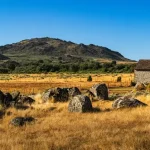
📷 Featured image by Fran Pencliffe on Unsplash.