On this page
- What Makes Aveiro Worth the Trip
- The Moliceiro Boat Ride — What to Expect
- Aveiro’s Art Nouveau Streets (and Where to Find Them)
- What to Eat in Aveiro (and Where Specifically)
- Day Trip or Overnight? An Honest Answer
- Getting to Aveiro from Lisbon and Porto
- Getting Around Once You’re There
- 2026 Budget Reality — What It Actually Costs
- Practical Tips Before You Go
- Frequently Asked Questions
💰 Click here to see Portugal Budget Breakdown
💰 Prices updated: August, 2026. Budget figures are estimates — always verify before travel.
Exchange Rate: $1 USD = €0.86
Daily Budget (per person)
Shoestring: €40.00 – €90.00 ($46.51 – $104.65)
Mid-range: €130.00 – €200.00 ($151.16 – $232.56)
Comfortable: €250.00 – €500.00 ($290.70 – $581.40)
Accommodation (per night)
Hostel/guesthouse: €15.00 – €45.00 ($17.44 – $52.33)
Mid-range hotel: €100.00 – €190.00 ($116.28 – $220.93)
Food (per meal)
Budget meal: €10.00 ($11.63)
Mid-range meal: €35.00 ($40.70)
Upscale meal: €100.00 ($116.28)
Transport
Single metro/bus trip: €2.00 ($2.33)
Monthly transport pass: €40.00 ($46.51)
Aveiro has been on Portuguese day-trip lists for years, but in 2026 the pressure of overtourism has made timing your visit smarter than ever. Weekend crowds along the main canal now rival what you’d find in Sintra on a summer Saturday. That doesn’t mean you should skip it — it means you should know exactly what you’re walking into, how to move around efficiently, and where to eat without landing in a tourist trap. This guide gives you that, in plain terms.
What Makes Aveiro Worth the Trip
Aveiro sits on a shallow coastal lagoon called the Ria de Aveiro, about 75 kilometres south of Porto. The city grew wealthy in the 19th century on salt and seaweed farming, and that prosperity left behind a handsome core of Art Nouveau architecture, a handful of navigable canals, and a local food culture built around egg yolks and sweet bread. It is compact, walkable, and genuinely different in character from anywhere else in Portugal.
The Venice comparison is used mostly in tourist copy, and it oversells the canal drama a little. Aveiro has four canals running through the centre, not a city built on water. But the painted wooden moliceiro boats, the low bridges, and the reflections of candy-coloured buildings on still water do create something visually striking — especially in morning light before the crowds arrive.
What gives Aveiro its real personality is the mix of a functioning university town (the Universidade de Aveiro is one of Portugal’s largest) with an older, quieter fishing-town identity. You’ll find both students cycling to lectures and elderly women in house coats buying salt cod from market stalls. That combination keeps it from feeling like a theme park, even on busy days.
The Moliceiro Boat Ride — What to Expect
The moliceiro is the city’s most recognisable icon — a long, flat-bottomed wooden boat with a high curved prow, traditionally used to harvest seaweed (moliço) from the lagoon. Today the boats run tourist trips through the central canals, and yes, most visitors do this. It is genuinely enjoyable if you go in with the right expectations.

Trips depart from the main canal (Canal Central) near the fish market. In 2026, the standard 45-minute canal tour runs roughly €12–14 per adult. Boats hold around 12 passengers and leave when they fill up rather than on a fixed schedule. On weekday mornings you might wait 10–15 minutes. On Saturday afternoons in July, expect to queue for 45 minutes or more.
The boats move slowly. You’ll pass under low bridges hung with painted tiles, slide past the backs of old merchant houses, and eventually loop out toward the wider lagoon before returning. Commentary from the boatman is informal and varies — some are enthusiastic and bilingual, others are quietly efficient. The prows of the boats are painted with traditional folk scenes, often humorous, sometimes a little bawdy. Look closely at them while you wait to board.
If you are physically able, try to sit toward the prow rather than the centre. The angle for photos of the painted boat nose against the coloured buildings is better, and you feel the light breeze off the water more directly. Sitting at the stern puts you next to the boatman’s pole work, which is interesting in its own way — watching someone navigate a heavy wooden boat through a narrow canal with a single long pole is genuinely skillful.

Aveiro’s Art Nouveau Streets (and Where to Find Them)
Most visitors spend their time around the central canal and miss the Art Nouveau buildings entirely, which is a real shame. Aveiro has one of the most concentrated collections of Art Nouveau facades in Portugal, built between roughly 1890 and 1920 by merchants who wanted to display their wealth in the fashionable style of the time.
The place to start is Rua Joao Mendonça and the streets immediately surrounding it. Look up — that’s the main instruction. The buildings here have elaborate ceramic tile panels, wrought iron balconies with organic curves, painted stucco friezes, and tiled facades in muted greens, yellows, and blues. The Casa Major Pessoa on Rua Dr. Barbosa de Magalhães is the standout — a privately owned house with a facade so heavily decorated it looks like a wedding cake, covered in hand-painted azulejos depicting allegorical figures.
The Museu Art Nouveau (also called the Casa de Almeida Moreira) is a small but well-curated museum on Rua Barbosa de Magalhães. Entry in 2026 is around €3. It’s a quick visit — an hour is enough — and it gives useful context about the style before you walk the streets. The restored interior shows original furniture, glasswork, and decorative objects alongside the building’s extraordinary exterior.
For a self-guided walk, plan a rough loop: start at Praça Humberto Delgado, walk south past the Sé Cathedral (modest exterior, striking gilded interior), continue to the Art Nouveau museum, then east along Rua João Mendonça back toward the canal. The whole circuit is under 2 kilometres.
What to Eat in Aveiro (and Where Specifically)
Aveiro’s food identity is built around two things: ovos moles and salted cod. The ovos moles are the city’s most famous product — soft egg-yolk-and-sugar filling pressed into thin wafer shells shaped like barrels, fish, seashells, and anchors. They are sweet, deeply eggy, and unlike anything else in Portuguese pastry. The texture is silky with a slight resistance from the wafer, and the flavour is pure, unapologetic sugar and yolk. One or two is enough; more becomes overwhelming.

Buy them from Confeitaria Peixinho on Rua Direita — a proper old-school shop that has been making them for generations. Avoid the generic souvenir shops near the canal selling ovos moles in branded boxes; the product inside is often not made in-house and the quality varies. At Confeitaria Peixinho you can watch them being made through a window to the back kitchen on most mornings.
For a proper meal, Restaurante O Bairro on Rua Almirante Cândido dos Reis serves grilled fish and bacalhau dishes at honest prices to a mixed crowd of locals and visitors. A full lunch with wine runs €18–24 per person. For something lighter, the covered Mercado Manuel Firmino on the eastern side of town has a small food court area where you can eat traditional market food — caldo verde, grilled chicken, fresh bread — for under €10.
The local beer to drink is Super Bock on tap, the same as anywhere in northern Portugal. But if you see vinho verde from the Minho on a menu — slightly sparkling, low alcohol, crisp — it pairs brilliantly with any fish dish you order in Aveiro.
Day Trip or Overnight? An Honest Answer
Aveiro is 100% doable as a day trip from Porto, and possible as a long day trip from Lisbon. Whether you should stay overnight depends on what kind of traveller you are and what you want from the place.
From Porto: The train takes 55–70 minutes. You can be in Aveiro by 9:30, spend 6–7 hours comfortably doing everything — canal boat, Art Nouveau walk, proper lunch, a wander through the market — and be back in Porto for dinner. This is the most popular approach in 2026 and it works well.

From Lisbon: The IC train takes around 2 hours 20 minutes. Factor in at least 5 hours in the city to make the journey worthwhile, which means arriving before noon. A long day works, but you’ll be tired by the time you get back. Staying one night transforms this into a more relaxed experience and lets you walk the streets in the evening when the tour groups have left and the canal light turns golden.
Who should stay overnight: Photographers, cyclists who want to explore the lagoon (cycling routes around the Ria de Aveiro are excellent), people combining Aveiro with a visit to the nearby Barra beach or Costa Nova (the striped-house village 8 kilometres away), and anyone who dislikes rushing. A single night at a mid-range guesthouse costs €70–110, and the city at 7am or 8pm has a completely different, quieter atmosphere that most day-trippers never see.
Getting to Aveiro from Lisbon and Porto
The train is by far the best option from either city. Aveiro station sits directly in the city centre — you step off the platform and you’re already close to the canal.
From Porto (Santa Apolónia or Campanhã): Alfa Pendular and Intercidades trains run regularly throughout the day, every 30–60 minutes depending on the time. Journey time is 55–70 minutes. In 2026, second-class Intercidades fares from Porto to Aveiro are roughly €8–13 depending on how far in advance you book through the CP (Comboios de Portugal) app or website. Book at least a day ahead in summer — these trains fill up, especially on Friday afternoons and Sunday evenings.
From Lisbon (Santa Apolónia or Oriente): Alfa Pendular trains connect Lisbon to Aveiro in approximately 2 hours 20 minutes, making a single stop or two. Fares range from €22–35 in second class. The CP website offers promotional fares (called Promoções) if you book 10–14 days ahead. In 2026, CP has improved the Alfa Pendular frequency on the Lisbon–Porto corridor, so departures every 1–2 hours from Oriente are now reliable.

Driving is straightforward on the A1 motorway but parking in central Aveiro on a summer weekend is genuinely frustrating. There are paid car parks near the canal area (look for the blue P signs), but they fill by mid-morning on weekends. If you’re driving, arriving before 9:00 is the only sensible strategy.
There is no direct regional bus service from Lisbon that’s competitive with the train. Rede Expressos coaches serve Aveiro from Lisbon but take around 3 hours and deposit you at a bus terminal further from the centre. The train wins on every count.
Getting Around Once You’re There
Aveiro’s historic centre is compact enough to walk entirely. The distances between the canal, the Art Nouveau district, the market, and the cathedral are all under 15 minutes on foot. You do not need public transport within the city centre for a standard day visit.
What you might want is a bicycle. Aveiro has had a free municipal bike-sharing system called BUGA (Bicicleta de Utilização Gratuita de Aveiro) for many years, and in 2026 it remains free with a €50 refundable deposit on your bank card (returned when you return the bike). Pick-up points include spots near the train station and the main canal. The bikes are heavy, upright Dutch-style city bikes — not fast, but practical for flat city streets.
If you want to reach Costa Nova (the striped fishing village) or the Barra lighthouse, either rent a regular bike (around €10–15 for the day from private rental shops near the canal) or take a local bus. Bus line 8A connects central Aveiro to Costa Nova and runs regularly in summer. The ride takes about 25 minutes. Uber and taxis are available in Aveiro but rare — don’t depend on them for getting between attractions quickly, especially outside peak hours.

2026 Budget Reality — What It Actually Costs
Aveiro is moderately priced compared to Porto and significantly cheaper than Lisbon. Here’s what a realistic day looks like in 2026:
- Train from Porto (return, 2nd class): €16–26
- Train from Lisbon (return, 2nd class): €44–70
- Moliceiro canal boat ride: €12–14 per adult
- Art Nouveau museum entry: €3
- Coffee and pastel de nata at a café: €2–3
- Box of ovos moles (6 pieces): €4–6
- Sit-down lunch (main + drink): €14–22 per person
- BUGA bike rental: Free (€50 refundable deposit)
Budget day (from Porto): Around €50–60 per person, including train, boat, lunch, and a small purchase.
Mid-range day (from Porto): €75–90 per person, adding a museum, a proper restaurant lunch, and a few local products.
Comfortable overnight (from Porto): €150–200 per person total, including transport, accommodation, dinner, and the next morning’s breakfast in a canal-side café.
From Lisbon, add €30–50 to each tier for the longer train journey. Aveiro does not have a tourist entry fee, and most outdoor attractions — including the canal walks, the Art Nouveau streets, and the market — cost nothing.
Practical Tips Before You Go
Best time to visit: Weekdays are significantly less crowded than weekends from May through September. If you must come on a weekend, arrive early — on the first train from Porto if possible. October to March is quieter, cooler (temperatures around 10–15°C), and the light in autumn is particularly good for photography along the canal.
What to wear: Aveiro is completely flat, so comfortable walking shoes are fine — no hiking boots needed. The canal area can be windy, especially in winter and spring. A light layer is always sensible, even in summer, if you’re taking a boat ride.

Language: Most café and restaurant staff in the tourist areas speak basic English. The Mercado and smaller bakeries may not — pointing and a few words of Portuguese go a long way. Um café, por favor (an espresso, please) and quanto custa? (how much?) will serve you well.
Cash vs card: Almost every business in Aveiro accepts contactless payment in 2026. The market stalls and some older bakeries may prefer cash. Carrying €30–40 in cash covers anything that might come up.
Children: Aveiro is an easy destination with kids. The boat ride entertains children of most ages, the streets are flat and stroller-friendly, and the sweet-shop culture (ovos moles, pastries, fresh fruit from the market) tends to keep younger travellers cooperative.
Frequently Asked Questions
How long do you need in Aveiro?
A focused day visit of 5–7 hours covers the canal boat, the Art Nouveau district, lunch, and a walk through the market. If you want to visit Costa Nova, explore the wider Ria de Aveiro lagoon, or simply move at a slower pace, an overnight stay makes the experience significantly more relaxed and rewarding.
Is Aveiro really like Venice?
Not exactly. Aveiro has a few attractive canals running through the city centre, but it is not a city built on water. The comparison is mostly used in tourism marketing. Aveiro has its own distinct character — flatter, quieter, with an Art Nouveau identity and a lagoon setting that makes it genuinely unique in Portugal without needing the Italian comparison.
What is the best way to get to Aveiro from Porto?
The train is by far the best option. Alfa Pendular and Intercidades services run regularly from Porto Campanhã, reaching Aveiro in 55–70 minutes. Second-class return fares are €16–26 in 2026. Book ahead through the CP app, especially for weekend travel in summer.

What are ovos moles and should I try them?
Ovos moles are Aveiro’s signature sweet — a soft filling of egg yolks and sugar inside a thin wafer shell, moulded into shapes like fish, barrels, and seashells. They are very sweet and intensely eggy. Buy them from an established confeitaria rather than a souvenir shop near the canal. One or two pieces is the right amount for most people.
Is Aveiro suitable as a day trip from Lisbon?
Yes, but it’s a long day. The Alfa Pendular takes around 2 hours 20 minutes from Lisbon Oriente, so plan for an early departure and a late return. Allow at least 5 hours in Aveiro to make the journey worthwhile. For a more comfortable experience, consider staying one night and combining the trip with Porto or the Beiras region.
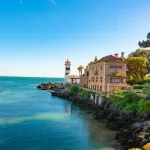
📷 Featured image by Claudio Schwarz on Unsplash.