💰 Click here to see Portugal Budget Breakdown
💰 Prices updated: September, 2026. Budget figures are estimates — always verify before travel.
Exchange Rate: $1 USD = €0.88
Daily Budget (per person)
Shoestring: €40.00 – €70.00 ($45.45 – $79.55)
Mid-range: €150.00 – €300.00 ($170.45 – $340.91)
Comfortable: €400.00 – €1,000.00 ($454.55 – $1,136.36)
Accommodation (per night)
Hostel/guesthouse: €15.00 – €50.00 ($17.05 – $56.82)
Mid-range hotel: €70.00 – €150.00 ($79.55 – $170.45)
Food (per meal)
Budget meal: €10.00 ($11.36)
Mid-range meal: €25.00 ($28.41)
Upscale meal: €60.00 ($68.18)
Transport
Single metro/bus trip: €1.90 ($2.16)
Monthly transport pass: €40.00 ($45.45)
Most visitors in 2026 make the same mistake with the Azores: they book one week, try to see four islands, and spend half of it in airports. The nine islands sit up to 600 km apart in the Atlantic, and the flight and ferry schedules do not forgive loose planning. This guide gives you a route that works, with realistic timing and prices.
How the Nine Islands Fit Together
The Azores split into three groups. The Eastern group has São Miguel and Santa Maria. The Central group has Terceira, Graciosa, São Jorge, Pico and Faial. The Western group has Flores and Corvo. Flores is about 230 km from Faial, the nearest island in the Central group, so the Western group is a separate trip in practice.
Each island has its own character:
- São Miguel: the biggest and easiest island, with crater lakes, hot springs and tea plantations.
- Terceira: a UNESCO-listed old town, lava caves and a lively bull-running and festival culture.
- Faial: a sailing island with a famous harbour and a barren volcanic landscape.
- Pico: Portugal’s highest mountain (2,351 m), black-stone vineyards and the best whale watching.
- São Jorge: long, thin and cliffy, with remote coastal flatlands called fajãs.
- Flores and Corvo: waterfalls, hydrangeas and almost no crowds.
The 10-Day Island Hopping Route
This route covers three island groups with only two inter-island flights and one short ferry. It is the best balance of variety and rest.
Days 1–4: São Miguel
Base yourself in Ponta Delgada. Spend day one on the town and its black-and-white basalt streets. On day two, drive to Sete Cidades, where twin lakes sit in one crater, and walk the rim at Vista do Rei. Day three is for Furnas: sulphur steam rising from the ground, a swim in the warm, rust-coloured water at Terra Nostra Park, and the Gorreana tea plantation on the north coast, which is free to walk through. Use day four for the Lagoa do Fogo viewpoint or a coastal swim at Caloura.
Days 5–6: Terceira
Fly from Ponta Delgada (about 40 minutes). Stay in Angra do Heroísmo, whose old centre is UNESCO-listed. Visit Algar do Carvão, a volcanic chimney you can descend into, and the lava pools at Biscoitos. The pace is slower than São Miguel, which is the point.
Days 7–10: Faial and Pico
Fly to Horta on Faial. Spend two nights there. See the Capelinhos volcano, whose 1957 eruption created new land, and have a drink at the harbour, where sailors have painted the quay walls for generations. Then take the ferry to Madalena on Pico (about 30 minutes) for two more nights. Go whale watching, walk through the UNESCO-protected vineyards, and, if the weather allows, climb the mountain.
With only 7 days, drop Terceira and do São Miguel (4 nights) plus Pico and Faial (3 nights).
What to Eat and Where
Azorean food is simple and built on dairy, beef and seafood. Cows outnumber people on most islands, and you can taste it in the steak.
In Furnas on São Miguel, order cozido das Furnas. Pots of meat and vegetables are buried in volcanic soil and cooked for about six hours by geothermal heat. Tony’s in Furnas is a long-standing choice. Expect to pay around €20–25 per person. The smell of sulphur drifts over the whole village at lunchtime, and it somehow makes you hungrier.
In Ponta Delgada, Associação Agrícola is known for its Azorean steaks, usually €18–25. For something lighter, order lapas (grilled limpets) in garlic butter, served sizzling in the shell with a squeeze of lemon. On Terceira, try alcatra, a slow-cooked beef stew in a clay pot. On Pico, drink the local white wine, made from vines growing in black lava-stone enclosures, with grilled fish.
Do not leave without trying São Jorge cheese. It has a sharp, peppery bite that gets stronger with age. For something sweet, try queijadas in Vila Franca do Campo on São Miguel. In Horta, Peter Café Sport is where sailors and travellers have met for generations. Order a gin tonic and look through the scrimshaw museum upstairs.
Flights, Ferries and Cars
Getting to the Azores: Direct flights to Ponta Delgada run from Lisbon and Porto, taking around 2 hours 30 minutes from Lisbon. Both Azores Airlines and low-cost carriers operate these routes, and fares drop sharply outside July and August. Azores Airlines also flies from North America. The airline has been through a privatisation process, so check schedules directly rather than relying on older articles.
Between islands: SATA Air Açores runs short domestic flights, typically €60–150 one way, and small planes sell out quickly in summer. The ferry operator Atlânticoline runs year-round boats between Faial, Pico and São Jorge, called the Triangle route. Other crossings are mostly seasonal, from roughly May to September. The Faial–Pico crossing costs under €5. Always check timetables close to your travel date, because sea conditions can cancel sailings.
On the islands: There are no trains in the Azores. Buses exist but are infrequent and built around school and work hours, so they are not practical for sightseeing. Rent a car on each island you visit. Book early for July and August, when automatics are scarce. Roads are good, but narrow, and cows sometimes block them.
One 2026 note for non-EU visitors: the Azores are part of Schengen, so the EU’s new biometric entry system applies when you first arrive in mainland Portugal or the islands. Allow extra time at the border during busy periods.
Day Trip or Overnight?
You cannot see the Azores as a day trip from Lisbon. The flight is 2.5 hours each way, and the weather often delays them. Plan at least 3–4 nights on one island if you are coming from the mainland.
Within the archipelago, some day trips do work:
- Pico from Faial: Easy by ferry, but you would miss sunrise and sunset on Pico. Two nights are better if you want to climb or whale watch.
- Corvo from Flores: A day trip is the standard way to see the tiny island and its Caldeirão crater, by boat or short flight. Weather decides whether it happens.
- São Jorge from Pico: Possible in summer, but the island is too long and winding to see in a single day. Stay one night.
- Terceira: One night is too short, since it takes a full day just to see the caves and the old town. Two nights is the minimum.
2026 Budget Reality
The Azores cost more than the mainland, mainly because of flights and car hire. Daily costs below do not include flights to the islands.
- Budget (€70–100 per day): a hostel bed or guesthouse room at €25–45, a shared small rental car at €30–50, and simple set lunches at €10–12.
- Mid-range (€130–200 per day): a hotel or good guesthouse double at €90–150, a rental car at €40–90 depending on season, dinner at €20–30 per person, and one paid activity.
- Comfortable (€250+ per day): boutique hotels at €180 and up, private guides, fine dining and day boat trips.
Typical activity prices: whale watching €60–75, Terra Nostra Park about €10, and the Pico climb registration around €15. Book accommodation early for July and August, when prices rise by 30–50%.
Weather, Timing and Packing
The Azores have mild weather all year, usually 14–25°C. They also have the famous problem of four seasons in a day. June to September is the driest and best for ferries. Hydrangeas turn the roadsides blue and pink in July and August. Whale watching is good from April to October, and the spring months are quiet and green.
Pack waterproof layers even in July, plus swimwear for the hot springs and sturdy shoes for muddy trails. Check the live webcams on the Azores tourism site before driving up to any crater lake, because clouds often cover the views by midday.
Frequently Asked Questions
How many days do you need for the Azores?
Seven days is enough for two islands, such as São Miguel and Pico. Ten days lets you add Terceira and Faial without rushing. With less than five days, stay on São Miguel. Travelling between islands takes time, and weather delays can eat into short trips.
Which Azores island is best for first-time visitors?
São Miguel is the best first choice. It has the most flights, the widest range of hotels and restaurants, and the main sights, including Sete Cidades, Furnas and the tea plantations. It is also the easiest to explore by car in three or four days.
Is it cheaper to fly or take a ferry between islands?
The Faial–Pico ferry costs under €5, so it is far cheaper than flying. For islands further apart, flights are often the only practical option. They cost €60–150 one way, and you should book early in summer. Ferries run less often outside the summer months.
Do I need to rent a car in the Azores?
Yes, in almost all cases. Public buses are infrequent and do not reach most viewpoints, trailheads or villages. A car gives you control over your schedule, especially when clouds roll in. Book early for July and August, and expect to pay €40–90 per day.
When is the best time to visit the Azores?
June to September offers the most stable weather, warm sea and full ferry timetables, though it is also the busiest and priciest period. May and October are quieter, with lower prices but more rain. Whale watching is good from April through October.
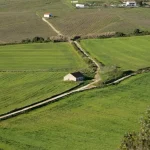
📷 Featured image by Thomas Gabernig on Unsplash.