On this page
- Bairro Alto in 2026: Still Lisbon’s Beating Heart After Dark
- What Bairro Alto Actually Is
- How the Night Unfolds: The Bairro Alto Timeline
- Best Streets and Pockets to Explore
- Where to Drink: Bars Worth Knowing in 2026
- The Music Scene: From Fado to Electronic
- Food Before (and After) the Party
- 2026 Budget Reality: What a Night Out Costs
- Getting There, Getting Around, Getting Home
- Frequently Asked Questions
💰 Click here to see Portugal Budget Breakdown
💰 Prices updated: August, 2026. Budget figures are estimates — always verify before travel.
Exchange Rate: $1 USD = €0.86
Daily Budget (per person)
Shoestring: €40.00 – €90.00 ($46.51 – $104.65)
Mid-range: €130.00 – €200.00 ($151.16 – $232.56)
Comfortable: €250.00 – €500.00 ($290.70 – $581.40)
Accommodation (per night)
Hostel/guesthouse: €15.00 – €45.00 ($17.44 – $52.33)
Mid-range hotel: €100.00 – €190.00 ($116.28 – $220.93)
Food (per meal)
Budget meal: €10.00 ($11.63)
Mid-range meal: €35.00 ($40.70)
Upscale meal: €100.00 ($116.28)
Transport
Single metro/bus trip: €2.00 ($2.33)
Monthly transport pass: €40.00 ($46.51)
Bairro Alto in 2026: Still Lisbon’s Beating Heart After Dark
Lisbon’s nightlife has shifted considerably over the past two years. Mouraria has grown noisier, Pink Street gets more crowded every summer, and new bars keep popping up in Marvila. Yet Bairro Alto — the hilly, cobblestoned neighbourhood just west of Chiado — holds its ground as the city’s most democratic party district. No dress code at the door, drinks poured into plastic cups on the pavement, and a crowd that mixes students, expats, and curious tourists without any of the awkwardness that implies. The one real 2026 pain point: the neighbourhood is more popular than ever, and if you don’t know which streets to target and when to show up, you’ll spend the best hours of your night lost in a slow-moving crowd. This guide cuts through that.
What Bairro Alto Actually Is
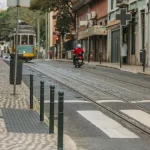
Bairro Alto translates simply as “Upper Neighbourhood,” and that elevation is the first thing you notice. The district sits on one of Lisbon’s seven hills, its grid of narrow streets dropping steeply toward Chiado on the east and the Miradouro de São Pedro de Alcântara on the north. During the day, it’s a quiet, almost sleepy place — small grocery shops, independent bookstores, laundry hanging between windows, cats on windowsills. The residential character is genuine. People actually live here.
What makes Bairro Alto unique in Lisbon is the density. Within roughly 400 metres squared, there are more than 150 bars. They are tiny — most hold 20 to 30 people inside — which is why the real nightlife spills onto the streets. By 11pm on a Friday, Rua do Norte, Rua da Atalaia, and Rua do Diário de Notícias are essentially one long open-air party. The vibe is loose, unplanned, and genuinely fun in a way that more curated nightlife districts rarely manage.
How the Night Unfolds: The Bairro Alto Timeline
Understanding the rhythm of the neighbourhood saves you from arriving too early and leaving too late. Lisbon nights run late by any European standard, and Bairro Alto is no exception.
- 7pm – 9pm: The aperitivo hour. Terraces in Chiado fill up. A few Bairro Alto bars open, but the neighbourhood is still quiet. Good time to grab dinner nearby.
- 9pm – 11pm: The warm-up. Locals start arriving. Bars begin to fill. This is the window for getting a seat inside a bar you actually want to be in.
- 11pm – 1am: Peak street energy. The narrow streets are packed. Vendors sell beer from coolers. Music leaks from every doorway. This is the core Bairro Alto experience.
- 1am – 3am: The migration. Crowds thin slightly as people move toward clubs — either in the neighbourhood itself or down toward Cais do Sodré. Serious night-owls stay.
- 3am onwards: The die-hards. A handful of bars hold on. The street crowd fades but never fully disappears on weekends.

Best Streets and Pockets to Explore
Not all of Bairro Alto is created equal. The neighbourhood is small enough to walk entirely in 15 minutes, but the energy concentrates on specific streets.
Rua do Norte
This is the spine of the nightlife. It runs through the heart of the district and has the highest concentration of bars per metre of any street in the neighbourhood. Start here to take the temperature of the night before wandering.
Rua da Atalaia
Slightly more relaxed than Rua do Norte, with a mix of wine bars and cocktail spots that attract a slightly older crowd. The street is narrower, which somehow makes it feel more intimate even when packed.
Rua do Diário de Notícias
Named after the old newspaper that used to be published nearby, this street is the unofficial crossroads of the neighbourhood. Streets branch off in four directions, and it’s where the street drinking culture is most visible. The intersection at Largo do Calhariz is a good meeting point.
Rua da Rosa
The slightly quieter edge of the district, where you’ll find a few spots that lean into a more alternative, artsy crowd. Good for when you want conversation over shouting.
Where to Drink: Bars Worth Knowing in 2026
Bairro Alto bars open and close with regularity, but several have built enough loyal crowds to outlast the churn. These are worth finding specifically.
- Pavilhão Chinês (Rua Dom Pedro V): Technically just above Bairro Alto, this bar is one of Lisbon’s most visually striking interiors — ceiling-to-floor shelves of antiques, toys, and military memorabilia collected over decades. The cocktails are well-made and priced accordingly. Come before midnight for a seat.
- Artis (Rua do Diário de Notícias): A neighbourhood stalwart with live jazz several nights a week. Low lighting, good whisky selection, and a crowd that actually talks to each other. One of the few bars where the inside is genuinely better than the street outside.
- Portas Largas (Rua da Atalaia): Long-running bar with wide doors that open completely to the street — hence the name. The crowd spills inside and outside seamlessly. Known as a welcoming LGBTQ+ space throughout its history, and that inclusive energy remains today.
- Era Uma Vez (Rua do Norte): Tiny, warm-lit spot specialising in natural wines from Portuguese producers. The owner knows every bottle on the shelf. Fills up fast — arrive by 10pm.
- Bicaense (Rua da Bica de Duarte Belo): Just downhill from Bairro Alto proper, this bar has a loyal neighbourhood crowd and hosts occasional DJ nights that run well past 2am.
The Music Scene: From Fado to Electronic
Bairro Alto has a more varied music identity than most visitors expect. Fado — Lisbon’s haunting, melancholic music genre — has deep roots in the neighbourhood. Several traditional fado houses operate here, where the voice of a fadista cuts through a silent room and the hair on your arms stands up without warning. These are sit-down, dinner-and-show experiences, typically requiring a reservation, and they run earlier in the evening, from around 8pm to midnight.
The electronic side of the neighbourhood is smaller than Cais do Sodré’s club scene, but it exists. A handful of bars run DJ sets on weekends that push into proper club territory after 1am. The sound leans toward house and minimal techno rather than commercial EDM. For harder electronic nights, most locals migrate to Lux Frágil in Santa Apolónia or to the Cais do Sodré strip after 2am.
One genuinely distinctive Bairro Alto experience: standing on Rua do Norte at midnight on a summer Saturday, hearing five different genres leak from five different doorways simultaneously — fado from one, Brazilian funk from the next, something indistinguishable but loud from further down. It’s chaotic and completely representative of why the neighbourhood works.
Food Before (and After) the Party
Bairro Alto itself has a solid range of restaurants concentrated mainly on its southern edge near Chiado. For pre-night eating, Tasca do Chico on Rua do Diário de Notícias is one of the better traditional tascas in the area — small plates, honest cooking, book well ahead. Zé da Mouraria has a Bairro Alto outpost that does grilled fish and pork dishes without fuss.
For late-night eating — and this matters, because you will be hungry at 2am — the options just outside the neighbourhood are better. A Cevicheria in Príncipe Real sometimes takes walk-ins late. More realistically, the bifanas (pork sandwiches) and tostas mistas (toasted ham and cheese) sold from the small café on Rua do Loreto are exactly what they need to be at that hour: cheap, warm, and without pretension. A pastel de nata from a nearby pastelaria, still warm enough that the egg custard jiggles slightly when you pick it up, is the classic Lisbon nightcap.
2026 Budget Reality: What a Night Out Costs
Lisbon remains more affordable than Madrid, Paris, or Amsterdam for nightlife, but prices have risen meaningfully since 2024. Here’s what to expect in Bairro Alto specifically.
Budget (Under €30 per person)
- Street beer from vendors: €1.50 – €2.00 per can
- House wine by the glass in a basic bar: €2.50 – €3.50
- Dinner at a tasca: €12 – €16 for a full meal with wine
- Late-night snack (bifana + coffee): €4 – €5
Mid-Range (€30 – €60 per person)
- Cocktails at a dedicated cocktail bar: €9 – €13 each
- Natural wine by the glass: €5 – €8
- Dinner at a sit-down restaurant: €25 – €35 per person with wine
- Entry to a club night (if applicable): €10 – €15
Comfortable (€60+ per person)
- Fado dinner-and-show experience: €50 – €80 per person including food
- Pavilhão Chinês cocktails and premium spirits: €14 – €20 per drink
- Taxi home to central Lisbon after 2am: €8 – €15 depending on surcharges
A solid, enjoyable night in Bairro Alto — dinner, several drinks, a bit of street time, and a taxi home — runs most people €40 – €55 per person without trying to be frugal.
Getting There, Getting Around, Getting Home
Bairro Alto sits between the Baixa-Chiado metro station (Blue and Green lines) and the Rato metro station (Yellow Line). Both are about a 10-minute walk from the heart of the neighbourhood. In 2026, the Lisbon Metro’s extended Green Line service now runs until 2am on Fridays and Saturdays, which is a genuine improvement over previous years and covers the early-to-middle part of your night conveniently.
The Elevador da Bica funicular, which climbs from Rua de São Paulo up through Bairro Alto, stops running at 9pm on weekdays and 11pm on weekends — useful for getting up the hill before the night starts. Getting down is easy on foot via Calçada do Combro or the steep steps beside the funicular track.
For getting home after 2am, taxis and rideshares (Uber, Bolt, and Free Now all operate widely in Lisbon) are the realistic option. Surge pricing applies on weekend nights, particularly between 2am and 4am. Walking distance to many central Lisbon hotels and accommodation in Baixa or Chiado is entirely feasible — 15 to 20 minutes on flat-ish ground.
One important note: the streets of Bairro Alto are cobblestone, uneven, and often steep. Comfortable footwear is not a suggestion. Anyone who shows up in shoes that weren’t designed for walking will regret it by midnight.
Frequently Asked Questions
Is Bairro Alto safe at night?
Generally yes. Bairro Alto is busy with people throughout the night, which itself provides a degree of safety. Petty theft — particularly phone snatching in crowded streets — does occur. Keep your phone in a front pocket or bag, be aware of your surroundings in the densest crowds, and you’ll have no issues. The neighbourhood is well-patrolled on weekend nights.
What nights of the week is Bairro Alto best?
Friday and Saturday are peak nights with the fullest streets and most bars open. Thursday has grown increasingly popular in 2026, particularly with students and expats. Sunday through Wednesday, the neighbourhood is much quieter — some bars open, but the street culture that defines the area is largely absent. Avoid Monday if nightlife is the goal.
Is there a dress code for Bairro Alto bars?
No. This is one of Bairro Alto’s most appealing qualities. The neighbourhood has no velvet ropes, no guest lists, and no dress requirements. People show up in jeans, trainers, summer dresses, vintage finds — whatever. The culture is deliberately anti-exclusive. If you want a dressed-up night, the clubs in Cais do Sodré or Príncipe Real have more of that energy.
How late do bars stay open in Bairro Alto?
Most bars in Bairro Alto hold a license until 2am or 3am. A handful push to 4am on weekends. The street activity peaks between 11pm and 1am and starts thinning noticeably after 2am as people migrate to clubs elsewhere. The neighbourhood rarely feels fully dead before 3am on a Saturday, but the energy peak is well before that.
Can I visit Bairro Alto nightlife without speaking Portuguese?
Entirely. English is widely spoken in virtually every bar in the neighbourhood, and the street culture requires no conversation at all. Many bar staff in Bairro Alto specifically deal with an international crowd and are comfortable in English, Spanish, and French. You won’t feel out of place as a non-Portuguese speaker at any point during the night.
Explore more
Douro Valley Day Trip from Porto: Cruising & Wine Tasting Guide
Renting a Car in Portugal: Everything You Need to Know for a Smooth Road Trip
Your Shopping List for Regional Portugal: From Douro Wine to Barcelos Roosters
📷 Featured image by Léa Poisson on Unsplash.