On this page
- The Bar Scene in Évora: What Makes It Different from Lisbon and Porto
- The Old Town Cluster: Bars Within the Roman Walls
- Craft Beer and Natural Wine: Évora’s Slow-Pour Movement
- Late-Night Spots: Where Évora Actually Goes After Midnight
- Outdoor Terraces and Rooftop Drinks with a View
- 2026 Budget Reality: What a Night Out Costs in Évora
- Getting Around: Évora’s Nightlife Is Walkable — With Caveats
- Frequently Asked Questions
💰 Click here to see Portugal Budget Breakdown
💰 Prices updated: August, 2026. Budget figures are estimates — always verify before travel.
Exchange Rate: $1 USD = €0.86
Daily Budget (per person)
Shoestring: €40.00 – €90.00 ($46.51 – $104.65)
Mid-range: €130.00 – €200.00 ($151.16 – $232.56)
Comfortable: €250.00 – €500.00 ($290.70 – $581.40)
Accommodation (per night)
Hostel/guesthouse: €15.00 – €45.00 ($17.44 – $52.33)
Mid-range hotel: €100.00 – €190.00 ($116.28 – $220.93)
Food (per meal)
Budget meal: €10.00 ($11.63)
Mid-range meal: €35.00 ($40.70)
Upscale meal: €100.00 ($116.28)
Transport
Single metro/bus trip: €2.00 ($2.33)
Monthly transport pass: €40.00 ($46.51)
Évora’s nightlife problem in 2026 is not that there’s nothing to do — it’s that most visitors eat dinner, walk past the Roman temple once more in the dark, and head back to their hotel assuming the night is over. That assumption wastes some genuinely good evenings. The city is small, the bars are concentrated, and the rhythm here is slower and more social than anything you’ll find in Lisbon. You just need to know where to go and when things actually start moving.
The Bar Scene in Évora: What Makes It Different from Lisbon and Porto
Évora has roughly 57,000 residents and a university that has been injecting young energy into the city since the 16th century. That combination produces a nightlife scene that is local-first, unhurried, and — compared to Porto’s Galerias strip or Lisbon’s Bairro Alto — genuinely affordable. Nobody is performing for tourists here. The bars are where Eborenses actually drink.
The university’s presence matters more than its age. The Universidade de Évora draws students from across Portugal and the Alentejo region, and during the academic year — roughly October through June — bars in the historic centre fill up with regulars who know the bartenders by name. Outside those months, the crowd shifts toward visitors and weekending Lisbonites, but the bones of the scene stay the same.
One more thing: Évora bars run on Alentejo time. Nobody walks in before 10 PM expecting a crowd, and the real energy rarely builds before 11 PM. Plan dinner accordingly.
The Old Town Cluster: Bars Within the Roman Walls
Almost everything worth visiting in Évora’s nightlife sits inside the medieval walls, which makes navigation straightforward. The key streets to know are Rua de Burgos, Rua do Cano, and the area immediately around Praça do Giraldo — the main square that acts as Évora’s living room from early evening onward.
Bar do Teatro, near the Garcia de Resende theatre on Rua Cândido dos Reis, has been a consistent anchor of the local scene for years. The interior is compact and dark-walled, with framed theatre posters and good house wine by the glass. It draws a mixed crowd — locals, university staff, occasional tourists who wander in — and rarely feels forced or over-decorated.
On Rua de Burgos, a short lane that runs parallel to the southern edge of Praça do Giraldo, several small bars sit close together. This is where the university crowd gravitates after dinner. The bars along here open around 9 PM but don’t require patience until closer to 11 PM. Seating spills onto the cobblestones in warmer months, and the street takes on the particular smell of rolled cigarettes and cold Sagres that is essentially the Évora night in condensed form.

Praça do Giraldo itself has café-bars with outdoor seating that works well for an early drink — say, 7 to 9 PM — while the square is still lit and the evening feels young. These spots are more café than bar, but they’re useful for transitioning from sightseeing into nightlife mode without committing to a full evening out.
Craft Beer and Natural Wine: Évora’s Slow-Pour Movement
The Alentejo is Portugal’s most important wine region by volume, and Évora sits at its heart. That geography has consequences for bar menus. Even casual bars here pour local wine as a default — Herdade do Esporão, Mouchão, Cartuxa — and asking for a glass rarely costs more than €3 to €4. What has shifted noticeably since 2024 is the arrival of a small but serious natural wine movement, with a couple of spots now stocking Alentejo producers working with minimal intervention and amphora aging.
Taberna da Rua das Flores — not to be confused with the Lisbon restaurant of the same name — operates more as a wine bar with food than a traditional bar, but an evening here anchored around a bottle of local red and a board of Alentejo cheeses and chouriço is one of the better ways to spend time in the city. The pour is generous, the room is stone-walled and candlelit, and the staff can actually explain what’s in the glass.
On the craft beer side, Évora has been slower to move than Lisbon or Porto, but a handful of bars now stock bottles from independent Portuguese breweries — Dois Corvos, Letra, Mean Sardine — alongside the standard Sagres and Super Bock taps. If craft beer matters to you, ask specifically; the selection isn’t always obvious from the menu.
Late-Night Spots: Where Évora Actually Goes After Midnight
Évora is not a city that stays up until 4 AM on a Tuesday, but weekends — especially Friday and Saturday nights during the academic year — have genuine late-night energy concentrated in a small number of places.

Discoteca Slide on Rua Serpa Pinto has been the primary club option for years. It’s not cutting-edge, but it’s the place where the night goes when the bars close. Music runs toward commercial electronic and Portuguese pop. The crowd is mostly in their early 20s. Entry is usually free before midnight; after that, expect to pay around €5 to €8 depending on the night.
For something less club-oriented, a few bars along Rua do Cano stay open until 2 AM on weekends and carry a looser, later-evening energy — more standing room and louder conversation than dancing. These are where you’ll find people bridging the gap between dinner and whatever comes next.
One honest caveat: Évora empties out noticeably in July and August when university students leave. The bars are still open, but the local density drops and the crowd skews tourist-heavy. The atmosphere changes — not bad, just different.
Outdoor Terraces and Rooftop Drinks with a View
Évora’s historic centre sits on a gentle hilltop, and a few spots take advantage of the elevation. The city has no dedicated rooftop bar scene in the Lisbon sense, but terraces matter here, especially in spring and early autumn when the evenings are warm without being brutal.
Several of the hotels inside the walls — including the M’AR De AR Aqueduto near the aqueduct — have terraces open to non-guests for drinks. The Aqueduto terrace in particular looks directly onto the 16th-century arches of the Aqueduto da Prata, which are lit at night. Sitting there with a glass of chilled Antão Vaz white wine while the old stone glows amber in the dark is one of those simple Évora experiences that does not require any planning beyond turning up and asking if the terrace is open.
The air in summer evenings carries the particular dry-herb warmth of the Alentejo plains — a faint trace of rosemary and warm earth that drifts in when the wind comes from the south. It makes outdoor drinking here feel distinctly unlike anywhere else in Portugal.
2026 Budget Reality: What a Night Out Costs in Évora
Évora is meaningfully cheaper than Lisbon for a night out, and that gap has not closed in 2026 despite general price increases across Portugal.
- Budget: A night out — two or three drinks at a local bar on Rua de Burgos — runs €8 to €14 total. Beer costs €1.80 to €2.50. House wine by the glass is typically €2.50 to €3.50.
- Mid-range: Add a bottle of Alentejo wine at a wine bar, a sharing plate of local cheese and cured meats, and two or three bars over the course of an evening. Budget €25 to €45 per person.
- Comfortable: A proper wine bar experience with a curated bottle of regional wine, full charcuterie board, and late drinks comes in around €55 to €80 per person, still well below comparable experiences in Lisbon or Porto.

Club entry, where applicable, adds €5 to €10. Taxis inside the walled city are almost never necessary — everything is walkable — but a ride back to a hotel outside the walls costs €4 to €8.
Getting Around: Évora’s Nightlife Is Walkable — With Caveats
The entire nightlife zone inside the Roman walls covers less than 1.5 kilometres end to end. You will not need a taxi to move between bars. What you do need is comfortable shoes — Évora’s cobblestones are beautiful and genuinely uneven, and they get slippery in winter rain.
If your accommodation is outside the walls — several guesthouses and rural tourism properties are located a kilometre or more from the centre — you have two practical options. Uber and Bolt both operate in Évora in 2026, though wait times can stretch to 10 to 15 minutes late at night on weekends. Alternatively, agree on a pickup time with a local taxi driver in advance; most will wait for a call.
Évora’s bus network does not run practical late-night services, and driving after drinking is not a serious option on roads that connect to the IP2 and A6 motorways. The walkability of the centre is its genuine strength — use it.
Frequently Asked Questions
What time do bars in Évora open and close?
Most bars in Évora’s historic centre open around 9 PM and stay open until 1 to 2 AM on weekdays, and until 2 to 3 AM on Fridays and Saturdays. The crowd typically arrives between 10 and 11 PM. Clubs like Slide run later, closing around 4 AM on weekends.
Is Évora nightlife busy in summer?
Summer nightlife in Évora is quieter than during the academic year because university students leave in June. July and August still have open bars and visitors, but the local energy is lower. Spring and autumn — April through May, September through November — are the best times for a lively evening scene.
Are there wine bars in Évora where I can try Alentejo wines?

Yes. Several bars and tabernas in the historic centre focus on regional Alentejo wine, including bottles from small independent producers. Ask for local recommendations specifically — staff at wine-focused bars can usually point you toward something genuinely interesting rather than the mass-market labels you’d find anywhere in Portugal.
Is Évora nightlife safe for solo travellers?
Évora is one of Portugal’s safest cities and the nightlife zone inside the walls is compact and well-lit. Solo travellers — including women — report feeling comfortable on the main bar streets. Standard sensible precautions apply late at night. Évora does not have the petty theft issues seen in parts of Lisbon’s tourist zones.
Do I need to book tables at Évora bars in advance?
For standard bars and most wine bars, no reservation is needed. The exception is popular tabernas that serve food alongside drinks — these can fill up on weekend evenings, and a quick phone call or email earlier in the day is worth the effort, particularly from March through May and in September and October.
Explore more
Best Day Trips from Evora: Your Ultimate Alentejo Exploration Guide
Best Restaurants in Evora: Your Ultimate Alentejo Food Guide
Evora Travel Tips: Your Essential Guide to Planning Your Trip
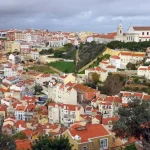
📷 Featured image by Gunnar Ridderström on Unsplash.