On this page
- Choosing the Right Day Trip
- Sintra: Palaces in the Clouds
- Cascais and Cabo da Roca: The Atlantic Coast
- Óbidos: The Walled Town
- Setúbal, Arrábida and Azeitão
- Ericeira and Mafra
- Évora: Roman and Medieval History
- Transport in 2026: Trains, Buses and Cars
- Where to Base Yourself in Lisbon
- Best Time to Go
- Practical Tips
- 2026 Budget Reality
- Frequently Asked Questions
💰 Click here to see Portugal Budget Breakdown
💰 Prices updated: November, 2026. Budget figures are estimates — always verify before travel.
Exchange Rate: $1 USD = €0.89
Daily Budget (per person)
Shoestring: €50.00 – €85.00 ($55.96 – $95.13)
Mid-range: €130.00 – €340.00 ($145.50 – $380.53)
Comfortable: €350.00 – €1,020.00 ($391.72 – $1,141.58)
Accommodation (per night)
Hostel/guesthouse: €15.00 – €45.00 ($16.79 – $50.36)
Mid-range hotel: €100.00 – €190.00 ($111.92 – $212.65)
Food (per meal)
Budget meal: €12.00 ($13.43)
Mid-range meal: €28.00 ($31.34)
Upscale meal: €110.00 ($123.11)
Transport
Single metro/bus trip: €1.90 ($2.13)
Monthly transport pass: €40.00 ($44.77)
The classic Lisbon day trip has a problem in 2026: everyone does the same one, at the same hour. Pena Palace at 11:00 in July means queues, selfie sticks and a lot of waiting. The good news is that Lisbon sits within easy reach of a dozen very different places, and with a little planning you can see a palace, a surf village, a walled town or a Roman temple without fighting a crowd. This guide covers the six best options, how to reach each one, and what each really costs.
Choosing the Right Day Trip
Match the trip to your energy and your interests, not to an Instagram list. Here is the short version.
- Sintra: 40 minutes by train. Fairy-tale palaces and forest. Needs a full day and good shoes.
- Cascais and Cabo da Roca: 40 minutes by train. Beaches, cliffs and sea air. Easy and relaxed.
- Óbidos: about 1 hour by bus. A compact walled town. Half a day is enough.
- Setúbal and Arrábida: about 50 minutes by train or car. Beaches, dolphins and wine. Best with a car.
- Ericeira and Mafra: about 1 hour by bus. Surf culture and a huge palace.
- Évora: about 1.5 hours by bus. The best historic site trip, but a long day.
If you only have one day, choose Sintra or Cascais. If you have three, combine Sintra, Óbidos and Setúbal for the most variety.
Sintra: Palaces in the Clouds
Sintra is the most famous day trip from Lisbon, and for good reason. The hills here catch the sea fog, so even in August you can walk into the forest and feel the air turn cool and damp. The smell of wet moss and eucalyptus follows you between the monuments.
Take the CP train from Rossio station. Trains run every 15 to 20 minutes and the journey takes about 40 minutes. A one-way ticket costs around €2.50, and you can pay with a rechargeable Navegante card. Rossio is in the centre of town, so you do not need to cross the city.
What to see
- Pena Palace: the yellow and red hilltop fantasy. Entry is around €20 for palace and park. Book a timed slot online. Since 2024, buying at the gate has been a gamble in high season.
- Quinta da Regaleira: a mansion with gardens, tunnels and the spiral Initiation Well. About €12. Go at opening time, when the tunnels are empty and echoing.
- Monserrate Palace: quieter and more elegant, with botanical gardens. About €10 to €12. Many visitors skip it, which is exactly why you should not.
- Castle of the Moors: a stone wall walk with views all the way to the Atlantic. About €12.

Do not try to see all four. Two palaces plus the town centre is a full day. Pick Pena and Regaleira, or swap Pena for Monserrate if crowds put you off.
For food, stop at a pastelaria in the old town for a travesseiro, a flaky pastry filled with almond and egg cream. It is sweet and still warm when it comes out of the oven. For lunch, the side streets behind the main square have simple restaurants that charge €10 to €14 for a dish of the day. The restaurants next to the palace ticket office are more expensive and weaker.
Cascais and Cabo da Roca: The Atlantic Coast
Cascais is the easiest coastal day trip from Lisbon. The CP train leaves from Cais do Sodré, runs along the river and the sea, and arrives in about 40 minutes. A one-way fare is about €2.50, and trains run every 20 minutes for most of the day. Sit on the left side going out for the best sea views.
Cascais was a fishing town before it became a royal holiday spot, and you can still feel both histories. In the morning, walk the old centre and the harbour, then head to the Mercado da Vila for fruit, cheese and fresh fish. Fish auctions still take place near the harbour in the late afternoon.
What to do
- Boca do Inferno: a sea cave about 2 km from the centre, where waves slam into the cliff with a deep thud. Free to visit.
- Cycle the coast: Cascais lends bikes for free through the BiCas scheme with ID, and a flat coastal path runs toward Guincho beach, about 7 km away. Guincho is windy and wild, popular with kitesurfers.
- Cabo da Roca: the westernmost point of mainland Europe. Bus 403 runs from Cascais, and from Sintra too, so you can combine this with the Sintra trip. The cliff is dramatic, but you only need 30 to 45 minutes.
- Beaches: Praia da Rainha is small and sheltered, and Praia da Conceição is the main town beach. Both can be crowded in July and August.

For lunch, eat grilled fish near the harbour or in the streets behind the Mercado da Vila. Expect €14 to €22 for a main course. Many places charge by weight for whole fish, so ask the price before ordering.
Óbidos: The Walled Town
Óbidos is small, white and almost too pretty. The medieval walls enclose a single main street, Rua Direita, lined with whitewashed houses with blue and yellow trim and bougainvillea over the doors. Parts of the town felt like a film set even before the film crews arrived.
The Rodoviária do Oeste express bus leaves from Campo Grande station in Lisbon and takes about 1 hour to 1 hour 15 minutes. A one-way ticket costs around €9 to €10. Buy it online or at the booth, and check the return times before you leave, as the last bus is earlier than you might expect.
- Walk the walls: the walkway has no railings in many places, so take care with children and in wind. The views over the tiled rooftops are worth it.
- Ginjinha de Óbidos: the local cherry liqueur is sold in tiny chocolate cups. You sip the sour-sweet liqueur, then eat the cup. It costs about €1.50 to €2.
- Bookshops: the old church of São Tiago and the former market have been turned into bookshops. They are a pleasant surprise in a town this size.
- Castle: now a pousada, so you can look from outside but not wander freely.
Óbidos needs only 3 to 4 hours. Pair it with Nazaré or Peniche if you have a car, or with the Alcobaça monastery for a historic-site day. Avoid weekends in summer and the Christmas market period if you dislike crowds.
Setúbal, Arrábida and Azeitão
South of the Tagus, the landscape changes. The Arrábida hills drop steeply into turquoise water, and the air smells of pine and rosemary. This is the best choice for beach lovers, wine drinkers and anyone who wants to avoid the Sintra crowds.
The Fertagus train runs from Roma-Areeiro or Entrecampos to Setúbal in about 50 minutes, with fares around €5 to €6. A car makes the day much easier, because Arrábida is not served well by public transport. In summer, access to Portinho da Arrábida and nearby beaches is restricted on peak days, so check current parking and shuttle rules before you set off.

The best stops
- Setúbal market: the Mercado do Livramento is one of the best fish markets in Portugal, with blue tiles and stalls of fresh cuttlefish, clams and sardines. Go in the morning.
- Choco frito: fried cuttlefish strips, the town speciality. Eat it at one of the small restaurants near the market.
- Dolphin watching: boat trips on the Sado estuary, where resident bottlenose dolphins live. Tours cost about €30 to €40 and take 2 to 3 hours.
- Azeitão: a village known for sheep cheese, sweet tortas and the José Maria da Fonseca winery. Tastings start around €10 to €15 per person, and moscatel de Setúbal is the wine to try.
- Beaches: Praia da Figueirinha and Portinho da Arrábida are the best known, with clear, calm water for swimming.
Ericeira and Mafra
This is the easiest way to pair a historic site with a surf village. Mafra National Palace and Ericeira are about 15 minutes apart by car or bus, and both are served by buses from Campo Grande. The ride takes about 50 minutes to Mafra and about an hour to Ericeira, with fares around €5 to €6.
Mafra is a baroque palace and convent built in the 18th century with gold from Brazil. The scale is shocking: over 1,000 rooms and a basilica with six organs. The highlight is the library, a long hall holding 36,000 old books, where bats are kept to protect the pages from insects. Entry is about €9.
Ericeira is a whitewashed fishing village on high cliffs, and also a World Surfing Reserve. You hear the waves from the narrow lanes, and the smell of grilled fish comes from every second doorway. Surf lessons cost about €35 to €50 for 2 hours with gear, and are suitable for beginners at beaches like Praia de São Sebastião. For lunch, order grilled fish or percebes and sea urchin if you are adventurous. A seafood lunch costs about €15 to €25.
Évora: Roman and Medieval History
If your priority is history, Évora is the best day trip from Lisbon. It is a UNESCO World Heritage city in the Alentejo, about 1.5 hours away by bus. Rede Expressos buses leave from Sete Rios and cost about €12 to €15 each way. Book ahead in summer. Buses are usually faster and more regular than trains on this route.

- Roman Temple: the 1st-century columns stand in the middle of town and are free to see. Evening light turns them gold.
- Chapel of Bones (Capela dos Ossos): a chapel whose walls are lined with human skulls and bones. It costs about €6 to €7, and the quiet inside is unforgettable.
- Cathedral and cloister: climb the roof for views over terracotta rooftops and cork-oak plains.
- Praça do Giraldo: the main square, good for a coffee and people-watching.
For lunch, look for Alentejo dishes in small restaurants off the main square, such as slow-cooked pork with clams or bread soup. A full meal costs about €12 to €20. Wine from the region is very good value, often €3 to €4 a glass. Évora is hot in summer, often above 35°C, so start early and rest at midday.
Transport in 2026: Trains, Buses and Cars
Most of these trips work without a car, but each type of transport has its own rules.
- Navegante card: the rechargeable card costs €0.50 to get. It works on the Sintra and Cascais lines, Lisbon metro, and many buses. Loading it with pay-as-you-go credit usually saves money compared with buying single tickets each time.
- CP trains: Sintra and Cascais lines are frequent and reliable. Check CP strike notices before you travel, as strikes do occasionally affect schedules.
- Express buses: Rede Expressos and Rodoviária do Oeste both sell tickets online. Print or save the QR code to your phone.
- Car hire: best for Arrábida, Azeitão and combining Óbidos with the coast. Prices start around €30 to €45 a day for a small car in low season, and rise in summer. Tolls apply on many motorways, and the Via Verde transponder is worth adding.
- Guided tours: small-group tours from Lisbon cost about €60 to €120 per person. They make sense for Évora or Arrábida if you do not drive.
Where to Base Yourself in Lisbon
Your hotel location can add or subtract an hour from every day trip.
- Baixa and Rossio: best for Sintra, since the train station is a short walk away. Mid-range hotels cost about €100 to €160 a night.
- Cais do Sodré: best for Cascais, with the train terminal on your doorstep. It is also lively at night, so ask for a quiet room.
- Parque das Nações and Oriente: best for early buses and trains south and east, with modern hotels and good transport links.
- Campo Grande or Entrecampos: good for buses to Óbidos and Mafra, and often cheaper at about €70 to €110 a night.

Budget travellers should look at hostel dorms from €22 to €35 a night. Remember that Lisbon charges a tourist tax of about €4 per person per night, for up to seven nights.
Best Time to Go
Spring (April to June) and early autumn (September to October) are the best seasons. Temperatures stay between 18°C and 26°C, crowds are smaller, and the light is good for photographs.
- Summer (July to August): hot and busy. Sintra is cooler than Lisbon, but queues are long. Évora can exceed 38°C, so skip it unless you start very early.
- Winter (November to February): mild but rainy, around 9°C to 15°C. Sintra under fog is atmospheric, though paths get slippery. Cascais beaches are empty.
- Festivals: Óbidos hosts a medieval market in July and the Chocolate Festival in spring. Setúbal and Cascais hold local summer festivals, with sardines and music in June.
Weekdays are almost always calmer than weekends, particularly in Sintra and Óbidos.
Practical Tips
- Language: English works well in Sintra, Cascais and Ericeira. In Évora and Setúbal, a few words of Portuguese, like bom dia and obrigado (or obrigada if you are a woman), earn warm smiles.
- Safety: these are very safe places. Pickpockets operate on the Sintra train and at Pena Palace queues, so keep your phone in a front pocket.
- Tipping: not required. Rounding up or leaving 5% to 10% for good service is appreciated.
- Lunch hours: kitchens usually close between 15:00 and 19:00 outside tourist hubs, so eat between 12:30 and 14:30.
- Monday closures: many museums, including some in Évora, close on Mondays. Check opening days before you go.
- Water: tap water is safe to drink everywhere on this list. Bring a refillable bottle, especially for Sintra hills.
- SIM cards: buy a prepaid SIM or eSIM at the airport or a Vodafone, MEO or NOS shop. Around €10 to €20 gets you plenty of data for maps and tickets.
- Footwear: Sintra, Óbidos and Évora have steep cobbled streets that are slippery when wet. Wear shoes with grip.
2026 Budget Reality
These are typical costs per person for one day trip, based on 2025 prices with a small allowance for rises in 2026.
Budget: €25 to €45
- Return train or bus: €5 to €20
- One paid monument or none: €0 to €12
- Sandwich, pastry and coffee: €8 to €12
Mid-range: €60 to €110
- Transport, including taxis at the destination: €15 to €30
- Two monuments or a wine tasting: €20 to €35
- Sit-down lunch with wine: €18 to €30
- Coffee, snacks and a small souvenir: €10 to €15

Comfortable: €150 to €250
- Private driver or small-group tour: €80 to €150
- Entry fees and a guide: €30 to €50
- Long seafood lunch with wine: €40 to €60
A private driver for a full day to Sintra and Cascais costs about €250 to €400 per vehicle, which becomes good value when shared by four people.
Frequently Asked Questions
What is the best day trip from Lisbon?
Sintra is the most popular and the most rewarding for first-time visitors, thanks to its palaces and forest setting. If you prefer beaches and sea air, Cascais is easier and more relaxed. For history lovers who do not mind a longer day, Évora is the strongest choice.
Can you do Sintra and Cascais in one day?
Yes, but it is a full day. See one or two Sintra monuments in the morning, then take bus 403 via Cabo da Roca to Cascais in the afternoon. Finish with dinner by the sea and the train back to Cais do Sodré. Do not add more stops.
Do I need a car for day trips from Lisbon?
No, for Sintra, Cascais, Óbidos, Mafra, Ericeira and Évora, trains and buses are enough. A car helps for Arrábida, Azeitão and combining several smaller places in one day. Parking in Sintra is difficult, so the train is better there.
How far in advance should I book tickets?
Book Pena Palace and Quinta da Regaleira timed tickets a few days ahead in high season, and a week ahead for July and August. Buses to Évora and Óbidos are worth booking a day earlier. Trains to Sintra and Cascais need no advance booking.
Which day trip is best for beaches?
Arrábida has the clearest, most scenic water, but it requires a car and has summer restrictions. Cascais and Guincho are the easiest by train. Ericeira is best for surfing, and Praia da Rainha in Cascais is best for a quick, sheltered swim.
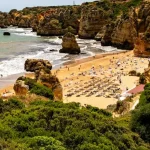
📷 Featured image by David Magalhães on Unsplash.