On this page
- What the Douro Valley Actually Feels Like
- Best Wine Estates to Visit
- River Cruises — What’s Available and What to Expect
- Scenic Drives Through the Valley
- Where and What to Eat Along the Douro
- Getting There and Getting Around
- Day Trips from the Douro Valley
- Staying the Night — Accommodation by Budget
- Best Time to Visit the Douro Valley
- Practical Tips for 2026 Visitors
- Budget Breakdown — Daily Costs in EUR
- Frequently Asked Questions
💰 Click here to see Portugal Budget Breakdown
💰 Prices updated: September, 2026. Budget figures are estimates — always verify before travel.
Exchange Rate: $1 USD = €0.88
Daily Budget (per person)
Shoestring: €40.00 – €70.00 ($45.45 – $79.55)
Mid-range: €150.00 – €300.00 ($170.45 – $340.91)
Comfortable: €400.00 – €1,000.00 ($454.55 – $1,136.36)
Accommodation (per night)
Hostel/guesthouse: €15.00 – €50.00 ($17.05 – $56.82)
Mid-range hotel: €70.00 – €150.00 ($79.55 – $170.45)
Food (per meal)
Budget meal: €10.00 ($11.36)
Mid-range meal: €25.00 ($28.41)
Upscale meal: €60.00 ($68.18)
Transport
Single metro/bus trip: €1.90 ($2.16)
Monthly transport pass: €40.00 ($45.45)
Booking a trip to the Douro Valley in 2026 is easier than it’s ever been — but that popularity cuts both ways. High-season quintas now fill up weeks in advance, cruise departures sell out by April, and the most-photographed viewpoints near Pinhão get genuinely crowded between July and September. The good news: with a little planning, the valley still delivers exactly what the hype promises — stacked terraces of ancient vines above a copper-coloured river, silence broken only by cowbells and the occasional train, and wine poured generously by people who actually make it.
What the Douro Valley Actually Feels Like
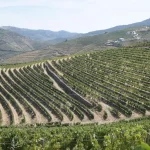
The Douro is one of those places that photographs can’t fully prepare you for. The scale is the thing — standing on the miradouro above Casal de Loivos and watching morning light slide down 3,000 metres of terraced schist is a physical experience, not just a visual one. The air smells faintly of warm stone and wild lavender in summer. In October, it carries crushed grape skins and wood smoke from the lodges.
This is not a polished, tourist-facing destination in the way the Algarve is. Villages are small and often quiet. Locals speak very little English outside the larger quintas. Meals happen on local time — lunch from 12:30, dinner rarely before 7:30pm. The valley rewards slowness. Visitors who rush through in a single day see the views but miss the point entirely.
The Douro Valley was designated a UNESCO World Heritage Site in 2001, and in 2026 that status is more relevant than ever — there are now active restrictions on new large-scale hotel construction in the protected corridor, which has kept the landscape remarkably intact compared to a decade ago.
Best Wine Estates to Visit
Not all quintas are open to visitors, and among those that are, the experience varies enormously. The following are consistently reliable in 2026.
Quinta do Crasto
Situated above the river between Régua and Pinhão, Crasto has one of the best terrace views in the valley and a tasting room that doesn’t feel like a sales pitch. Their guided tour covers the old stone lagares, some still used during harvest. Tastings run €15–€30 per person depending on the wine flight selected. Book at least a week ahead in summer.
Quinta da Pacheca
Pacheca is worth visiting for two reasons: the wine barrel guesthouses (more on those in the accommodation section) and their harvest-season experience in October, where visitors can tread grapes in traditional lagares. Tasting sessions start at €20. The estate is just outside Lamego, making it one of the more accessible quintas if you’re coming from Porto by train.
Quinta do Vallado
Family-owned and run by descendants of Dona Antónia Adelaide Ferreira — the most famous figure in Douro wine history — Vallado is the most genuinely intimate of the major quintas. Their white Douro wines are often overlooked in favour of reds and port, but they’re outstanding. Tours are smaller here, usually capped at 12 people. Tastings from €18.
Quinta de la Rosa
Right on the riverbank in Pinhão, La Rosa is one of the few quintas where you can walk down from your accommodation to taste wine with virtually no other tourists around outside July and August. The restaurant here, Cozinha da Clara, is one of the best in the region (more in the food section). Tastings from €15.
River Cruises — What’s Available and What to Expect
There are two very different ways to get on the Douro by boat, and mixing them up is one of the most common mistakes visitors make when planning the trip.
The Multi-Day Cruise Ships
Companies like Douro Azul, AmaWaterways, and Viking operate full river cruise itineraries — typically 7 nights from Porto, sailing up to Spain and back. These are comfortable, well-managed, and include shore excursions, meals, and port wine tastings onboard. In 2026, prices start around €1,800 per person for a standard cabin in shoulder season, rising above €3,500 in high summer. They suit travellers who want a structured, no-planning itinerary. The downside: you’re largely confined to the ship’s schedule and rarely stray far from the organised excursion path.
Day Cruises from Pinhão or Régua
These are the more flexible option. Departing from Pinhão or Peso da Régua, day boats run 3-to-4-hour loop trips along the river, often with wine included. Prices are €35–€55 per adult. Some operators offer sunset cruises in summer (around €45) which, on a clear evening with the valley light going gold, is an experience that justifies the ticket price on its own. Operators to look at in 2026 include Douro Superior Cruises and the locally-run Barca Douro.

The Historic Rabelo Boat
Traditional flat-bottomed rabelo boats — originally used to carry barrels of port downriver to Vila Nova de Gaia — now operate as charter vessels for smaller groups. A private half-day charter for up to 8 people runs €300–€450. For families or groups of friends, this is often the most memorable way to experience the river.
Scenic Drives Through the Valley
If you have a rental car, the Douro delivers some of the finest driving roads in Portugal. The N222, which runs along the south bank of the river between Régua and Pinhão, was named the world’s best road by a major European motoring magazine in 2012, and it still earns that description in 2026. The tarmac winds through tunnels cut into schist, past quinta gates, over narrow bridges, and along sheer drops to the river. Go slowly — not just for safety but because there’s no point rushing.
The road from Pinhão up to São João da Pesqueira is steeper and less travelled. At the top, near the village of Casal de Loivos, there’s a viewpoint that most tourists miss because it requires a slight detour off the main road. The panorama from up here covers roughly 40 kilometres of valley — a scale of terracing that makes you understand immediately why this landscape has UNESCO status.
Where and What to Eat Along the Douro
The local food in the Douro is hearty, unfussy, and centred around slow-cooked meat, river fish, and bread that actually tastes of something. Here’s where to find it.
Régua
Peso da Régua has the highest concentration of restaurants for a town its size. Docas Restaurant on the waterfront serves grilled lamprey during season (February–April) and is consistently reliable year-round. The market hall on Rua Marquês de Pombal has a small selection of local cheese and smoked sausage that’s better and cheaper than anything sold in quinta gift shops.
Pinhão
The village of Pinhão itself is tiny — 200 people — but Cozinha da Clara at Quinta de la Rosa stands out as genuinely excellent. The set lunch menu is usually three courses for around €35 and changes with what’s in season. In summer, tables on the terrace above the river are among the most sought-after seats in the whole valley. Reservations are essential.
Favaios
A 20-minute drive north of Pinhão, the village of Favaios is known for two things: Moscatel wine and bread baked in communal wood ovens. The local tasca near the main square serves a lunch of bread, cheese, cured meats, and a glass of Favaios Moscatel for under €10. There are no tourists here most days. That’s the point.

Getting There and Getting Around
From Porto by Train
The Douro Line train from Porto Campanhã to Pinhão is one of the great train journeys in Europe, full stop. The route hugs the river from Régua onwards, with carriages that date from the 1970s but remain functional and atmospheric. Journey time: around 2 hours 30 minutes to Pinhão. In 2026, CP (Comboios de Portugal) runs several daily departures and has improved weekend frequency. Tickets cost €13–€16 one-way. Book on the CP website — no third-party app gives you more reliable Douro Line availability.
By Car
Driving from Porto takes around 1 hour 30 minutes to Régua via the A4 motorway. Having a car gives you access to the valley’s best viewpoints, smaller quintas, and the villages that the train doesn’t reach. Fuel is widely available in Régua and Pinhão. Parking is free and abundant except during harvest festival weekends in October.
Getting Around the Valley
Public buses between towns are limited and infrequent — don’t plan your day around them. Taxis are available in Régua. In Pinhão, most quintas are within walking distance of the train station, but the viewpoints and higher roads require a car or a hired driver. Several guesthouses in the valley now offer guided driving day-trips at around €80–€120 per vehicle, which is often the smartest option if you don’t want to drive the mountain roads yourself.
Day Trips from the Douro Valley
Lamego
25 kilometres south of Régua, Lamego is a handsome market town with a baroque sanctuary — Nossa Senhora dos Remédios — reached via a grand staircase of 686 steps decorated with azulejo panels. The town also has a strong smoked ham tradition and a covered market worth an hour of anyone’s time. Half-day trip by car.
Vila Nova de Foz Côa
The Côa Valley Archaeological Park here protects the world’s largest concentration of open-air Palaeolithic rock art. The site museum is genuinely world-class and guided tours of the engravings run twice daily. Allow a full day. About 70 kilometres east of Pinhão via the N222.
Porto
The city is close enough — 1 hour 30 minutes by car, 2.5 hours by train — for a day trip, though if you’re staying in the valley it’s more natural to use Porto as your entry and exit point than a side trip. That said, for wine tourists who want to see the port lodges in Vila Nova de Gaia as a counterpoint to the producing region, the trip makes sense.
Sabrosa and the Alto Douro
Sabrosa is the birthplace of Fernão de Magalhães (Ferdinand Magellan) and sits at about 700 metres altitude, offering completely different views of the valley. The drive through the schist villages of the Alto Douro between Sabrosa and Torre de Moncorvo passes some of the most ancient vineyard plantings in Europe. Best done as a loop by car, allow 4–5 hours.
Staying the Night — Accommodation by Budget
Budget (under €70 per night)
Budget accommodation in the valley is genuinely limited. The best options are guesthouses in Régua — Casa do Visconde de Chanceleiros and similar rural turismo properties offer clean rooms and breakfast for €55–€70. Camping is available at Peso da Régua riverside campsite; powered pitches run €18–€25 per night in 2026.
Mid-Range (€70–€180 per night)
This is the sweet spot for the Douro. Quinta de la Rosa in Pinhão offers rooms from €110 with breakfast and that riverside terrace. Casa de Casal de Loivos — a manor house above the valley — runs €130–€160 and is consistently rated among the most atmospheric places to sleep in the region. The famous wine barrel rooms at Quinta da Pacheca start around €150 including breakfast and a wine tasting.
Luxury (€180 and above)
Six Senses Douro Valley near Lamego remains the benchmark luxury property in the region in 2026, with rooms from €400 and a spa that uses local schist stone in its design. Aquapura Douro Valley is slightly more restrained in price (from €250) and has arguably better food. Both require booking months in advance for summer stays.
Best Time to Visit the Douro Valley
Harvest season — mid-September to mid-October — is when the valley is at its most dramatic and most busy. Grapes come off the vines, the quintas are operational day and night, and you can watch the whole grape-to-must process in real time. The downside: accommodation prices spike 30–40% and rooms at smaller quintas sell out by June.
Late spring (May–June) is increasingly the insider’s choice. Temperatures are 20–27°C, the terraces are brilliantly green, wildflowers cover the schist slopes, and most quintas are fully open without the September crowds. River cruise operators have begun prioritising May departures in 2026 due to demand.
July and August are hot — regularly 38–42°C in the Alto Douro — and while the landscape is beautiful, outdoor activity is genuinely uncomfortable in the middle of the day. Stick to mornings and evenings.
November through March is quiet, cold (5–12°C), and atmospheric in a different way. The bare vines expose the terrace architecture completely. Several quintas close or offer limited tastings, so check ahead. But if you find the valley in morning mist in November, it’s unlike anything in summer.
Practical Tips for 2026 Visitors
- Reservations: Book quinta tastings, restaurant lunches, and cruise tickets before you arrive. Walk-in availability between June and October is poor across the board.
- Cash: Carry some. Small village tascas, market stalls, and rural campsites often don’t accept cards.
- Mobile coverage: NOS and MEO both have reasonable 4G coverage along the main valley road and in towns. Coverage gets patchy on the higher schist roads between quintas.
- Driving: The N222 is beautiful but narrow. Passing points require patience. If you’re not comfortable with single-track mountain roads, hire a local driver for the day rather than renting a car.
- Sun protection: The Douro is one of the hottest regions in Portugal in summer. Schist reflects heat. Bring SPF 50+, a hat, and water if you’re walking between viewpoints.
- Language: Basic Portuguese phrases go a long way in villages. “Um vinho tinto, por favor” and “Quanto custa?” will serve you better than assuming English is available.
- Tipping: 5–10% in restaurants is appreciated. Not mandatory but genuinely welcomed in smaller family-run places.
Budget Breakdown — Daily Costs in EUR
Budget Traveller (€60–€90 per day)
- Guesthouse or camping: €20–€35
- Train travel: €13–€16 one-way from Porto
- Meals in village tascas: €10–€15 per meal
- One shared day cruise ticket: €35–€55
- Basic wine tasting at a quinta: €15–€20
Mid-Range Traveller (€150–€250 per day)
- Quinta guesthouse or rural turismo: €90–€160 including breakfast
- Rental car: €35–€55 per day (booked from Porto)
- Restaurant lunches at quinta restaurants: €30–€50 per person
- Premium wine tasting flight: €25–€40
- Day cruise or sunset cruise: €45–€55
Comfortable/Luxury Traveller (€350–€600+ per day)
- Six Senses or Aquapura room: €250–€450
- Private rabelo boat charter: €300–€450 (split across group)
- Full multi-day cruise cabin: from €250/night per person (all-inclusive)
- Private guided driving tour: €120–€200
Frequently Asked Questions
Do I need a car to visit the Douro Valley?
Not necessarily. The train from Porto to Pinhão covers the main valley beautifully, and several quintas are walkable from Pinhão station. But without a car, you’ll miss the high viewpoints, smaller villages, and the N222 scenic route. A rental car for 1–2 days alongside a train journey is the ideal combination for most visitors.
How many days should I spend in the Douro Valley?
Minimum two full days to see the essentials — a quinta tasting, the river, and at least one viewpoint. Three to four days gives you the best balance: time for a cruise, a scenic drive, a day trip to Lamego or Foz Côa, and meals at good quinta restaurants without feeling rushed.
When is the Douro Valley grape harvest?
Harvest (vindima) typically runs from mid-September to mid-October, though exact timing varies with altitude and grape variety. Higher vineyards in the Alto Douro harvest later. If you want to see — or participate in — traditional treading, book a harvest experience with quintas like Pacheca or Vallado well in advance, as spots fill by July.
Is a Douro Valley river cruise worth the money?
Day cruises (€35–€55) offer good value for a 3–4 hour experience, especially the sunset departures in summer. Multi-day cruise ships are well-suited to travellers who want a structured, fully-inclusive holiday with no logistics to manage. If you’re independent-minded and already have a car, the day cruise is probably enough — the valley’s best scenery is seen from the road and viewpoints, not just the river.
What is the closest airport to the Douro Valley?
Porto’s Francisco Sá Carneiro Airport (OPO) is the main entry point, roughly 120 kilometres from Régua. In 2026, OPO has direct connections from over 60 European cities plus transatlantic routes via Lisbon. Transfer to the Douro by rental car takes around 1 hour 30 minutes. Alternatively, take the Metro to Porto Campanhã station and connect to the Douro Line train — total journey time to Pinhão is approximately 3 hours from the airport terminal.
📷 Featured image by Roland Wood on Unsplash.