On this page
- Shopping in Évora in 2026: What You Actually Need to Know First
- The Shopping Streets: Where to Walk and Browse in Évora
- Cork: Évora’s Most Iconic Buy and How to Choose Well
- Traditional Crafts and Ceramics Worth Bringing Home
- Évora’s Markets: Timing, Location, and What to Expect
- Local Food Products: What to Pack in Your Suitcase
- 2026 Budget Reality: What Things Cost in Évora
- Frequently Asked Questions
💰 Click here to see Portugal Budget Breakdown
💰 Prices updated: September, 2026. Budget figures are estimates — always verify before travel.
Exchange Rate: $1 USD = €0.88
Daily Budget (per person)
Shoestring: €40.00 – €70.00 ($45.45 – $79.55)
Mid-range: €150.00 – €300.00 ($170.45 – $340.91)
Comfortable: €400.00 – €1,000.00 ($454.55 – $1,136.36)
Accommodation (per night)
Hostel/guesthouse: €15.00 – €50.00 ($17.05 – $56.82)
Mid-range hotel: €70.00 – €150.00 ($79.55 – $170.45)
Food (per meal)
Budget meal: €10.00 ($11.36)
Mid-range meal: €25.00 ($28.41)
Upscale meal: €60.00 ($68.18)
Transport
Single metro/bus trip: €1.90 ($2.16)
Monthly transport pass: €40.00 ($45.45)
Shopping in Évora in 2026: What You Actually Need to Know First
Évora is compact, UNESCO-listed, and increasingly busy. In 2026, the town has seen a steady rise in day-trippers arriving on the improved CP Intercidades train service from Lisbon — journey time now reliably under 90 minutes — which means the central shopping streets fill up fast between 11am and 3pm. If you want to browse without elbowing past tour groups, aim for early morning or late afternoon. The good news: Évora’s shopping scene remains genuinely local. There are no big chain malls here, no H&M or Primark. What you find is cork, ceramics, Alentejo wines, and craftwork — and most of it is the real thing.
The Shopping Streets: Where to Walk and Browse in Évora
Évora’s commercial heart is compact enough to cover entirely on foot. The two streets that matter most are Rua 5 de Outubro and Rua João de Deus, which run roughly parallel through the old town between the cathedral area and Praça do Giraldo. These are where you’ll find the highest concentration of independent shops selling cork goods, textiles, ceramics, and regional food products.
Rua 5 de Outubro is the more tourist-facing of the two — slightly wider, busier, with shop windows dressed to catch the eye. Rua João de Deus runs quieter and has a few shops aimed more at locals, including a good pharmacy, a hardware shop, and a couple of delis that don’t adjust their prices for visitors.
For a more local atmosphere, slip into the side streets around Praça do Sertório and the lanes near the Roman Temple. Small artisan workshops occasionally open their doors here, especially on Saturday mornings. The Mercado Municipal on Rua 24 de Julho is worth a detour for fresh produce and regional cheeses — more on that below.
Cork: Évora’s Most Iconic Buy and How to Choose Well
The Alentejo produces roughly a third of the world’s cork, and Évora is one of the best places in Portugal to buy cork goods. You’ll find everything from handbags and wallets to placemats, hats, notebooks, and wine stoppers. Quality varies significantly, so it pays to know what to look for.
Good cork has a smooth, slightly warm texture and a faint earthy smell — almost like forest floor after rain. It’s flexible without cracking, and the grain should look consistent rather than patchy or filled. Cheap cork products are often made from compressed cork dust bonded with synthetic adhesives; they look fine in the shop but crack within months. Press gently on a corner of any item — quality cork springs back slowly. Dust-bonded cork collapses unevenly.
For reliable quality in Évora, Corkor on Rua 5 de Outubro and several independent shops near the cathedral stock mid-to-premium range goods with clear labelling about origin. A cork wallet runs €15–€35 depending on construction. A good-quality cork handbag sits between €45 and €120. Avoid the grab-and-go souvenir racks near Praça do Giraldo — those products are almost always imported and rebranded.
Traditional Crafts and Ceramics Worth Bringing Home
Alentejo ceramics are distinct from the blue-and-white azulejo tiles you see in Lisbon. The regional tradition here leans toward earthy tones — ochre, terracotta, dark brown — often with simple painted motifs: birds, olive branches, wheat. The pieces are functional rather than decorative: soup bowls, serving platters, olive dishes, oil jugs. They’re made to be used, and they age well.
The best place to find authentic Alentejo ceramics in Évora is Casa do Artesanato near the cathedral, which stocks work from regional potters rather than mass-produced imports. Prices are honest: a small handmade bowl starts around €8, a quality serving platter €25–€60 depending on size and decoration.
Beyond ceramics, look for hand-embroidered linen from the Alentejo tradition. The embroidery style uses cross-stitch patterns in red and black thread on natural linen — tablecloths, napkins, and decorative panels. These take time to make and the price reflects it. A set of six embroidered napkins from a local artisan costs €40–€80. Be sceptical of anything priced far below that; machine-embroidered imports from outside Portugal have flooded souvenir shops across the country.
Wrought-iron pieces — candle holders, hooks, key rings — are another Alentejo craft worth picking up. Small ironwork items are easy to pack and genuinely handmade versions are still affordable here.
Évora’s Markets: Timing, Location, and What to Expect
Évora’s main market is the Mercado Municipal on Rua 24 de Julho, about a 10-minute walk south of Praça do Giraldo. It runs Tuesday through Saturday, 7am to 2pm. Inside you’ll find regional produce: vegetables, local olive oil sold loose by weight, fresh herbs, sheep’s milk cheese, and cured meats. The smell hits you before you reach the entrance — sharp cheese, dried sausage, bundles of dried oregano.

Tuesday and Saturday are the biggest days, when outdoor stalls extend beyond the covered hall. Local farmers bring seasonal produce directly — in spring, look for wild asparagus; in autumn, fresh figs and walnuts. This is not a tourist market. It’s where Évora residents shop, and prices are what locals pay.
A separate flea market and general goods market runs on the second Tuesday of each month near the Rossio de São Brás, on the edge of the old town. This is a proper mixed market — second-hand books, used tools, old ceramics, hardware, clothing — alongside stalls selling new goods. Arrive before 9am for the best finds. By midday, the serious browsers are gone and the bargains have been picked over.
Local Food Products: What to Pack in Your Suitcase
- Azeite (olive oil): Alentejo olive oil has PDO (Protected Designation of Origin) status. Look for bottles labelled Azeite do Alentejo DOP. A 500ml bottle of quality single-estate oil runs €8–€18 in local shops — notably cheaper than buying the same oils abroad.
- Queijo de Évora: This hard sheep’s milk cheese has its own DOP certification. Small, firm, and intensely flavoured — the older versions have a sharp, almost spicy edge. Sold vacuum-packed in the Mercado Municipal and in several deli shops on Rua João de Deus. A small wheel (around 60g) costs €3–€5.
- Enchidos (cured sausages): Chouriço, paio, and morcela from the Alentejo are vacuum-packed and will clear most customs when sealed. Prices at the market are significantly lower than in Lisbon airport.
- Mel do Alentejo (honey): Regional honey from lavender and eucalyptus flowers. Deep amber colour, thick, with a floral intensity that lighter honeys don’t have. A 250g jar runs €5–€9.
- Alentejo wines: Strong, full-bodied reds from producers like Esporão, Herdade do Mouchão, and smaller cooperatives. A solid bottle starts around €6 from a local shop. Supermarkets in the centre stock a good range at honest prices.
2026 Budget Reality: What Things Cost in Évora
Évora is not cheap by Alentejo standards, but it remains significantly more affordable than Lisbon or Porto for equivalent goods. Here’s a realistic picture of what to expect in 2026:
Budget tier (under €15 per item)
- Small cork wallet or card holder: €8–€15
- Queijo de Évora small wheel: €3–€5
- Local honey, 250g: €5–€9
- Ceramic olive dish, handmade: €8–€12
- Single bottle of Alentejo wine (shop price): €6–€14

Mid-range tier (€15–€60)
- Cork handbag, small-medium: €45–€75
- Set of embroidered linen napkins (6 pieces): €40–€80
- Quality ceramic serving platter: €25–€60
- 500ml single-estate olive oil DOP: €8–€18
- Cured meat selection, vacuum-packed: €15–€30
Comfortable splurge (€60 and above)
- Large cork tote bag or structured handbag: €80–€140
- Hand-embroidered tablecloth: €90–€200 depending on size
- Premium Alentejo wine case (6 bottles): €60–€150
- Artisan ceramic set (bowls, platter, jug): €80–€150
One practical note: most Évora shops accept card payment in 2026, including the smaller artisan shops. The Mercado Municipal stalls are more likely to prefer cash — bring €20–€40 in small notes if you’re planning a serious market visit.
Frequently Asked Questions
What is Évora most famous for buying?
Cork products are Évora’s signature buy, given the Alentejo’s role as a global cork producer. Alongside cork, Queijo de Évora (a DOP sheep’s milk cheese), Alentejo olive oil, cured meats, and traditional ceramics in earthy Alentejo tones are the most authentic and practical things to bring home.
Are the shops in Évora open on Sundays?
Most independent shops in Évora close on Sundays or open limited hours (typically 10am–1pm). Saturday is the best day for full access to both shops and the Mercado Municipal. Plan your shopping for Thursday or Friday if you’re arriving mid-week to avoid the weekend crowds.
Is Évora worth visiting just for shopping?
Probably not as a sole reason, but it’s a genuinely rewarding part of a visit. Évora pairs excellent regional shopping with a UNESCO old town, Roman ruins, and some of Portugal’s best Alentejo restaurants. Most visitors combine it with a half-day of sightseeing.
How can I tell if cork products in Évora are genuine quality?
Check for the Produto Alentejano certification sticker where available — it confirms the cork was harvested and processed locally. Avoid products that feel lightweight and plasticky, which usually indicates compressed cork dust with synthetic binding rather than natural cork board from Alentejo oak trees.
Where can I buy local Alentejo wine in Évora to take home?
Several small wine shops near Praça do Giraldo stock regional bottles at honest prices — better value than Lisbon airport shops. The Mercado Municipal also has stalls selling local cooperative wines. For a wider selection of premium estate wines, dedicated wine shops on Rua 5 de Outubro carry bottles from producers like Esporão and Herdade do Mouchão.
Explore more
Evora Travel Tips: Your Essential Guide to Planning Your Trip
Evora Nightlife Guide: Best Bars, Clubs, and Live Music Spots
Evora Shopping Guide: Where to Buy Alentejo Wine, Cork Products & Ceramics
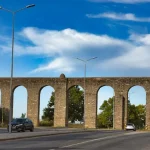
📷 Featured image by Miriam Pereira on Unsplash.