On this page
- Why Porto Catches First-Timers Off Guard
- Before You Arrive: 2026 Logistics Worth Knowing
- Day 1: The Historic Core
- Day 2: Wine, Views, and Vila Nova de Gaia
- Day 3: Bohemian Porto — Bonfim, Cedofeita, and Matosinhos
- Where to Eat and Drink Across Your Three Days
- Getting Around Porto in 2026
- Where to Stay for Three Days
- Porto Budget Breakdown for 2026
- Practical Tips Specific to Porto
- Frequently Asked Questions
💰 Click here to see Portugal Budget Breakdown
💰 Prices updated: August, 2026. Budget figures are estimates — always verify before travel.
Exchange Rate: $1 USD = €0.86
Daily Budget (per person)
Shoestring: €40.00 – €90.00 ($46.51 – $104.65)
Mid-range: €130.00 – €200.00 ($151.16 – $232.56)
Comfortable: €250.00 – €500.00 ($290.70 – $581.40)
Accommodation (per night)
Hostel/guesthouse: €15.00 – €45.00 ($17.44 – $52.33)
Mid-range hotel: €100.00 – €190.00 ($116.28 – $220.93)
Food (per meal)
Budget meal: €10.00 ($11.63)
Mid-range meal: €35.00 ($40.70)
Upscale meal: €100.00 ($116.28)
Transport
Single metro/bus trip: €2.00 ($2.33)
Monthly transport pass: €40.00 ($46.51)
Porto in 2026 is busier than ever — direct flights from North America and the Gulf have added a new wave of first-time visitors who land expecting a quieter version of Lisbon and find something far more disorienting and brilliant. The hills are steeper than the photos suggest, the tram lines are shorter than the maps imply, and the city rewards people who slow down and walk instead of ticking boxes. If you have three days, that is genuinely enough to understand Porto — but only if you structure them well. This itinerary cuts through the noise.
Why Porto Catches First-Timers Off Guard
Porto is not a postcard city that performs for tourists. It is a working port town that has been beautiful for centuries without particularly caring whether you notice. The azulejo-tiled facades are peeling in places. The granite staircases are uneven. The Douro river smells faintly of salt and diesel at low tide, and the seagulls are enormous and aggressive.
What surprises most first-timers is the verticality. Porto is built on hills so steep that the city had to install funiculars and elevators to make some streets passable. The Ribeira neighbourhood sits at river level, but climb five minutes and you are in the medieval quarter around the Sé Cathedral with a completely different air temperature and a view that stops conversation. The city layers itself in altitude, and each layer has its own character.
The other surprise is how compact the centre is. The main sights are walkable from each other if you are reasonably fit and comfortable with cobblestones. This makes a 3-day itinerary genuinely productive without ever feeling rushed.

Before You Arrive: 2026 Logistics Worth Knowing
Francisco Sá Carneiro Airport sits about 11 kilometres northwest of the city centre. The metro line E (Violet) connects the airport to Trindade station in around 30 minutes and costs €2.10 with a Andante card, which you load at the airport machines. As of 2026, the metro now runs until 1:30am on weekends following the extended hours rollout that began in late 2025 — useful if you land on a Friday evening.
Taxis and Uber are both available outside arrivals. Expect to pay €20–€28 for a taxi to the Ribeira or Baixa area depending on traffic. Uber typically runs €14–€20 for the same journey. There is no surge pricing ban in Portugal, so avoid Uber during major events at the Estádio do Dragão.
For connectivity, Portuguese eSIM options from operators like NOS and Vodafone Portugal can be activated before you land using a QR code. A 10-day tourist data plan runs around €12–€15 and is far simpler than buying a physical SIM at the airport kiosk, where queues in peak season can be 20 minutes long.
Portugal updated its tourist accommodation tax rules in 2025. Porto’s municipal tourist tax is now €3 per person per night, capped at 7 nights. Most hotels add this at checkout rather than including it in the advertised rate, so budget for it separately.
Day 1: The Historic Core
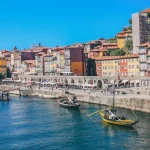
Start where Porto started — at the river. Walk down to the Ribeira before 9am if possible. The narrow medieval lanes are empty at that hour, the morning light hits the terraced houses on the opposite (Gaia) bank in a warm amber, and the café owners are setting out chairs on the cobblestones. The smell is river water, fresh bread from the bakeries on Rua dos Mercadores, and coffee.

From Ribeira, walk up to the Sé Cathedral. The climb takes about 12 minutes and is steep, but the view from the cathedral terrace back over the Douro justifies every step. The cloister inside is tiled with 18th-century azulejos depicting scenes from the Song of Songs — entry to the cloister costs €3.
From the Sé, walk north along Rua das Flores, one of the most beautiful streets in the city, lined with silver shops, old pharmacy facades, and the occasional tile atelier. This takes you toward Livraria Lello, one of the most photographed bookshops in the world. In 2026, timed entry tickets remain mandatory (€5, redeemable against a book purchase). Book the 10am slot online the evening before — the 11am and 12pm slots are consistently sold out by mid-morning.
After Livraria Lello, the Igreja do Carmo is two minutes away and free to enter. Its exterior azulejo panel depicting Carmelite monks is one of the great public art pieces in Portugal.
Spend the afternoon at Palácio da Bolsa, the 19th-century stock exchange whose Arab Room is the most ornate interior in the city — guided tours run every 30 minutes and cost €13. Then return to the Ribeira for the golden hour, when the light on the Dom Luís I Bridge turns the iron structure a deep rust colour and every photographer on the waterfront gets the same shot.
Day 2: Wine, Views, and Vila Nova de Gaia
Cross the Dom Luís I Bridge on foot — take the upper deck, which sits 45 metres above the river and gives you the full panorama of both banks. The upper deck also connects directly to the Jardim do Morro on the Gaia side, a hilltop garden with benches and unobstructed views over Porto’s historic skyline. This is the view that appears on every Porto travel feature, and it is as good in person as it looks.

Below the garden, the slopes of Vila Nova de Gaia are stacked with port wine lodges — the large warehouse-style buildings where port matures in oak barrels. This is where the Douro’s wine gets its final character. The major houses — Graham’s, Taylor’s, Ramos Pinto, Sandeman — all offer cellar tours and tastings. A standard tour with two wine samples costs €15–€20. Taylor’s, perched highest on the hill, has the best terrace views. Arrive when they open at 10am to avoid the midday rush.
Inside a functioning lodge, the air is cool and heavy with the smell of oak and fortified wine — a deep, slightly sweet scent that is specific to nowhere else on earth. The barrels are stacked in long rows in near-darkness, and the guides speak in lowered voices as if the wine is sleeping.
After the lodge visit, walk along the Gaia waterfront (the Cais de Gaia) for lunch. The restaurant strip here is more tourist-facing than the Porto side, but the river views are excellent and a grilled fish lunch with wine runs €18–€25 per person at the mid-range spots.
In the afternoon, take the Teleférico de Gaia cable car from the waterfront up to the Jardim do Morro — or walk back up if you prefer. From there, cross back over the lower deck of the Dom Luís I Bridge (trams and pedestrians share this level) and explore the Bairro da Sé as the day cools. End Day 2 at one of the rooftop bars on the Porto side of the bridge — WOW (World of Wine) in Gaia also has a rooftop bar that stays open until midnight.

Day 3: Bohemian Porto — Bonfim, Cedofeita, and Matosinhos
Day 3 takes you away from the tourist centre and into the Porto that residents actually use. Start in Bonfim, the neighbourhood east of the historic centre that has been Porto’s creative hub since around 2020. The streets around Rua de Santo Ildefonso and Rua de Antero de Quental are lined with independent studios, concept stores, and café-bars with exposed brick interiors and hand-painted menus. The Igreja de Santo Ildefonso here is covered in 20,000 azulejo tiles depicting Biblical scenes and everyday life — it is free to enter and often quiet in the morning.
From Bonfim, take the metro (line D, Yellow) two stops west to Aliados and walk up into Cedofeita, Porto’s gallery district. The streets around Rua Miguel Bombarda have around 30 independent art galleries clustered within a 10-minute walk. Most are free to enter. On the first Saturday of the month, many galleries coordinate open-house events — if your visit aligns, this is one of the best free cultural afternoons in Portugal.
For the afternoon, catch the metro (line A, Blue) from Aliados to Matosinhos Sul — a 20-minute ride. Matosinhos is Porto’s seafood neighbourhood, a working fishing port where the day’s catch is grilled outside on charcoal fires and served with nothing but lemon and olive oil. The streets around Rua de Brito Capelo are packed with straightforward tascas where a grilled sea bass (robalo) with potatoes and salad costs €14–€18. This is not a tourist experience — it is where Porto families eat on a Sunday, and it remains one of the genuinely unpolished pleasures of the city.
Where to Eat and Drink Across Your Three Days

Rather than listing restaurants alphabetically, here is how to eat well day by day without over-researching or making reservations that pin you down.
Day 1 — Ribeira and Baixa eating zones
Breakfast: the cafés along Rua do Almada serve the cheapest coffee and croissants in the centre — around €1.80 for an espresso and a pastry. Avoid the Ribeira waterfront cafés for breakfast; their prices are 40% higher for the same items. Lunch: the Mercado do Bolhão, reopened after renovation in 2022 and now well-settled into its second life, has tascas on the upper level serving daily lunch plates (prato do dia) for €8–€11. Dinner: Rua do Bonjardim, nicknamed “Rua das Churrascarias,” is a solid, unpretentious street for grilled chicken and simple Portuguese cooking. A full dinner runs €12–€16 per person with a beer.
Day 2 — Gaia waterfront and bridge area
Pick up a late morning coffee and pastel de nata at any café on the Porto side before crossing the bridge — the ones in Gaia aimed at tourists are fine but overpriced. For dinner, the area around Praça da Ribeira on the Porto side has restaurants with outdoor seating that are busy but not as tourist-trap-heavy as they were five years ago. Ask to see the daily specials board rather than the tourist menu.
Day 3 — Bonfim, Cedofeita, and Matosinhos
Breakfast in Bonfim: the coffee shops on Rua de Antero de Quental are some of the best in the city for specialty coffee. Lunch in Cedofeita: there is a cluster of natural wine bars and sandwich spots around Rua do Rosário that do exceptional lunch-only deals. Dinner in Matosinhos: see the Brito Capelo street note above — arrive by 7pm to get a table without waiting.
Getting Around Porto in 2026
Porto’s metro has six lines and covers the airport, the coast, and most of the inner city. For a 3-day visit, you will use it primarily on Day 3 to reach Bonfim, Cedofeita, and Matosinhos. The Andante card (€0.60 reusable card) works across metro, bus, and the funiculars. Load it with zones as needed — most city centre trips are Zone 2 at €1.85 per trip.

The historic tram lines (routes 1, 18, and 22) are tourist attractions in their own right rather than efficient transport. Route 1 runs along the Douro from Infante to Passeio Alegre — it is a lovely ride but slow and often crowded. Route 22 is the small circular tram through the Batalha area. Rides cost €3.50 each.
The Funicular dos Guindais connects the Ribeira waterfront to the Batalha plateau in about 90 seconds and costs €2.70. It is the most practical way to avoid the brutal climb back up from the river, and it is included on the Porto Card.
Walking is your primary mode in the historic centre. The distances between sights are short, but the terrain is relentless. Wear shoes with real grip — Porto’s cobblestones (calçada portuguesa) become extremely slippery when wet, and the hills are steep enough that a fall is a genuine risk in smooth-soled shoes.
Uber operates reliably across the city. Expect €5–€9 for most inner-city rides. Bolt is also active in Porto and is occasionally cheaper by 10–15%. Traditional taxis are metered and honest — the base rate starts at €3.25 during the day.
Where to Stay for Three Days
Your neighbourhood choice matters more in Porto than in most cities because the hills make a bad location genuinely inconvenient.
Budget tier (under €70/night)
Bonfim has the best concentration of independent hostels and guesthouses at fair prices. The neighbourhood is safe, walkable to the centre, and has excellent local cafés. Expect to pay €18–€35 for a hostel dorm and €55–€70 for a private en-suite room. The metro access makes Day 3’s itinerary effortless from here.

Mid-range tier (€70–€160/night)
Aliados / Baixa is the sweet spot for mid-range visitors. You are central, flat ground is more available here than in Ribeira, and the neighbourhood has good dining and transport links. Boutique hotels along Rua de Santa Catarina and Avenida dos Aliados offer solid value at €90–€140 per night for a double room including breakfast.
Comfortable tier (€160+/night)
Foz do Douro, where the river meets the Atlantic, is where Porto’s wealthier residents live and where the best upscale hotels sit — away from the tourist noise, with Atlantic-facing rooms and access to the coastal promenade. The trade-off is a 20-minute metro or taxi ride to the historic centre. Expect €170–€320 per night for well-reviewed four-star properties in this zone.
Porto Budget Breakdown for 2026
Porto remains more affordable than Lisbon for accommodation but prices have risen roughly 12% since 2024 following increased international flight access. Here is a realistic daily cost picture:
Budget traveller — €60–€85/day
- Hostel dorm: €20–€30
- Breakfast at local café: €3–€5
- Mercado do Bolhão lunch plate: €9–€11
- Transport (Andante card trips): €4–€6
- One paid attraction (e.g. Palácio da Bolsa): €13
- Dinner at tasca: €12–€16
- Beer or wine: €2–€4
- Tourist tax: €3
Mid-range traveller — €130–€190/day
- Boutique hotel: €90–€140
- Breakfast included or café: €0–€8
- Sit-down lunch with wine: €18–€25
- Two paid attractions: €20–€26
- Porto Card (amortised across 3 days): €12/day
- Dinner at mid-range restaurant: €28–€40 per person
- Port wine tasting: €15–€20
- Tourist tax: €3
Comfortable traveller — €280–€420/day
- Four-star hotel (Foz or Aliados): €170–€320
- Curated dining and wine experiences: €70–€100
- Private driver or multiple Uber rides: €20–€35
- Premium port wine lodge experience: €30–€45
- Shopping (azulejo, wine, ceramics): variable
- Tourist tax: €3
Practical Tips Specific to Porto
The hills will humble you. Even experienced city walkers are surprised by the gradient between Ribeira and the upper city. If you have knee problems or mobility considerations, plan your route to use the Funicular dos Guindais and the metro rather than relying on shanks’s pony for every climb.

Weather and what to pack. Porto sits in the northwest corner of Portugal and has a genuinely Atlantic climate. Summers are warm (25–30°C in July and August) but afternoon clouds roll in from the ocean most days. In spring and autumn, pack a waterproof layer — rain arrives quickly and often without warning. In winter (November to February), temperatures sit at 8–15°C and rain is frequent, but the city is significantly less crowded and many locals consider it the best time to visit.
Safety. Porto is a safe city by European standards. Pickpocketing occurs in the Ribeira and around Livraria Lello during peak tourist hours — keep phones and cameras in front pockets or a cross-body bag. The city’s lighting is poor in some areas of the upper Sé district after dark; use well-lit routes.
Tipping. Not mandatory but appreciated. Round up a coffee, leave €1–€2 on a café table after a meal, and 5–10% at a restaurant if the service was attentive. No one will be offended if you do not tip.
Language. Portuguese, but almost all hospitality workers under 50 speak workable English. Making an attempt at basic Portuguese (bom dia, obrigado/a, por favor) is consistently well received and occasionally gets you better service.
Drinking water. Porto’s tap water is safe and good. Carry a refillable bottle — the city has public drinking fountains throughout the historic centre, including several decorative chafarizes (stone fountains) that still flow with clean water.
Sunday hours. Many smaller shops and some museums close Sunday afternoon or all day. Plan your shopping for Friday or Saturday. The Mercado do Bolhão closes Sunday. Matosinhos restaurants, however, are busiest on Sunday — the local tradition of Sunday seafood lunch is alive and very active.

Frequently Asked Questions
Is 3 days enough for Porto?
Three days is enough to see the essential Porto — the historic Ribeira, the port wine lodges in Gaia, and at least one outer neighbourhood like Bonfim or Matosinhos. You will not exhaust the city; you will leave wanting more. That is, honestly, the correct relationship to have with Porto on a first visit.
What is the best area to stay in Porto for first-time visitors?
The Aliados and Baixa area gives first-time visitors the best combination of central location, transport access, and flat-ish terrain. Ribeira is atmospheric but inconvenient for moving around the wider city. Bonfim is excellent for budget travellers who do not mind a 15-minute walk to the historic centre.
How much money do I need per day in Porto in 2026?
Budget travellers can manage comfortably on €65–€85 per day including accommodation, meals, transport, and one or two paid attractions. Mid-range travellers should plan for €140–€190 per day. These figures include the €3 nightly tourist tax. Porto remains notably cheaper than Lisbon for equivalent accommodation quality.
Do I need to book Livraria Lello tickets in advance?
Yes, always. In 2026, walk-in entry is not available during peak hours (10am–4pm, April through October). Book online the day before your visit at minimum. The €5 entry fee is redeemable against any book purchase. The 9am opening slot, if available, gives you the interior largely to yourself for around 20 minutes before the crowds arrive.
Is Porto or Lisbon better for a first visit to Portugal?
They offer genuinely different experiences. Lisbon is larger, flatter in parts, and has more nightlife and beach access. Porto is more compact, more architecturally raw, and has a stronger regional identity. Most travellers who visit both prefer Porto for atmosphere and Lisbon for convenience. Neither is the wrong choice for a first visit.
Explore more
Best Neighborhoods in Porto: Where to Stay for Every Traveler
The Ultimate Porto Shopping Guide: Where to Find the Best Deals & Souvenirs
How Many Days Do You Need in Porto? A Perfect Itinerary Planner
📷 Featured image by Nick Karvounis on Unsplash.