💰 Click here to see Portugal Budget Breakdown
💰 Prices updated: September, 2026. Budget figures are estimates — always verify before travel.
Exchange Rate: $1 USD = €0.88
Daily Budget (per person)
Shoestring: €40.00 – €70.00 ($45.45 – $79.55)
Mid-range: €150.00 – €300.00 ($170.45 – $340.91)
Comfortable: €400.00 – €1,000.00 ($454.55 – $1,136.36)
Accommodation (per night)
Hostel/guesthouse: €15.00 – €50.00 ($17.05 – $56.82)
Mid-range hotel: €70.00 – €150.00 ($79.55 – $170.45)
Food (per meal)
Budget meal: €10.00 ($11.36)
Mid-range meal: €25.00 ($28.41)
Upscale meal: €60.00 ($68.18)
Transport
Single metro/bus trip: €1.90 ($2.16)
Monthly transport pass: €40.00 ($45.45)
What Kind of City Is Braga?
Braga gets called “the Rome of Portugal” so often that the nickname has almost lost its meaning. But spend a morning walking between its baroque church facades and Roman-era ruins, and you start to understand why. This is one of the oldest cities in the Iberian Peninsula — settled before the Romans arrived, and continuously inhabited ever since. In 2026, it is also one of the fastest-growing cities in Portugal, with a large university population that keeps the streets lively long after the tourist buses leave.
If you are coming from Lisbon or Porto wondering whether Braga deserves a place on your itinerary, the honest answer is yes — but it suits a specific kind of traveller. Braga rewards people who enjoy walking slowly through historic streets, eating well without paying Lisbon prices, and exploring religious heritage without it feeling like a museum exhibit. It is not a beach destination. It has no dramatic coastline. What it has is texture — layers of history sitting comfortably alongside a city that functions and breathes in the present.
Top Things to Do in Braga
Most visitors know Bom Jesus, and that gets its own section below. But Braga’s city centre alone is worth several hours of your time.
- Sé de Braga: The cathedral is the oldest in Portugal, founded in the 11th century. The exterior is understated, but the interior chapels — especially the Chapel of the Kings — are extraordinary. Entry to parts of the cathedral complex costs around €5 in 2026.
- Jardim de Santa Bárbara: A formal garden tucked against a 17th-century palace, directly behind the archbishop’s residence. It is small, immaculately maintained, and almost absurdly photogenic. Worth five minutes of your afternoon.
- Theatro Circo: Braga’s restored art nouveau theatre hosts concerts and events year-round. Even if you do not catch a show, the facade alone is striking.
- Museu dos Biscainhos: An 18th-century noble palace turned museum, with original azulejo-tiled ground floors and period furniture. One of the most underrated museums in northern Portugal. Entry is around €3.
- Rua do Souto and Praça da República: The main pedestrian spine of the city. Braga’s historic centre is compact and walkable. Give yourself two hours to wander without a fixed plan — the side streets off Rua do Souto are full of small surprises.
Braga also hosts some of Portugal’s most spectacular Semana Santa (Holy Week) processions. If your visit falls in late March or April, the city transforms in a way that is genuinely unlike anything else in the country.
Bom Jesus do Monte: What to Actually Expect
Bom Jesus do Monte is the image that appears in every article about Braga — a baroque staircase climbing a forested hillside, zigzagging between fountains and chapels to a church at the top. The photographs are accurate. The experience of being there is something else entirely.
The staircase has 577 steps arranged in a series of terraces, each representing a station of pilgrimage. On the day we visited, elderly pilgrims were ascending on their knees beside groups of students jogging upward for exercise. Hawkers sold ice cream from carts at the bottom. The whole scene was quietly surreal — intensely Portuguese in the way it mixed the sacred with the everyday.
You do not have to climb the stairs. A funicular runs from the base to the top and costs around €2 each way. The funicular is one of the oldest in the world still in operation, running on a water counterweight system since 1882. Taking it up and walking down the staircase is a sensible approach if you want to see both.
The church at the summit is 18th century and worth a look inside, but the real attraction is the journey and the views over the Braga plain below. The surrounding parkland has walking trails, a lake, rowboats for hire, and a couple of restaurants. Budget a minimum of two hours. Three is more comfortable if you want to explore the full park.
Getting there from central Braga: Bus 2 runs from Avenida da Liberdade directly to Bom Jesus. The journey takes about 20 minutes and costs under €2. A taxi or rideshare from the centre costs around €8–10.
Where to Eat in Braga
Braga’s food scene is rooted in Minho cooking — the regional cuisine of northern Portugal. That means heavy, satisfying dishes built around pork, vegetables, and bread. Caldo verde (kale soup), rojões (fried pork pieces), and bacalhau à braga (salt cod fried with potatoes and eggs) appear on menus across the city. The cooking is unpretentious and portion sizes are generous.

- Taberna da Sé: A small, no-frills restaurant a short walk from the cathedral. The daily lunch menu (prato do dia) runs about €9–11 and almost always sells out by 1pm. Arrive before 12:30.
- Brac: A casual café and restaurant popular with university students and locals. Good for lighter meals, sandwiches, and some of the better coffee in the centre.
- Anjo Verde: One of the few vegetarian restaurants in the city with a proper menu rather than an afterthought salad list. Worth knowing about if you do not eat meat.
- Mercado Municipal de Braga: The covered market on Rua do Bem-Sucedido has fresh produce stalls on the lower floors and a food hall on the upper level. A good option for a cheap, local lunch.
For pastries, look for broa de Avintes (dense cornbread common in the north) and the jesuíta — a flaky pastry filled with sweet egg cream that originated in Viana do Castelo but is eaten throughout the Minho. A pastelaria coffee and pastry stop should cost no more than €2.50–3.50.
Day Trip or Overnight?
Braga is 55 kilometres from Porto and the train journey takes under an hour. That makes it a very easy day trip — and most visitors treat it as one. That approach works if your time is limited, but you will miss what makes the city actually enjoyable: the slower rhythms, the evening streets when the day-trippers have gone, the unhurried dinner at a neighbourhood taberna.
One night in Braga is the minimum to feel like you have genuinely been there rather than just passed through. Two nights lets you add a day trip to Guimarães (20 minutes by train) or the Peneda-Gerês National Park — Portugal’s only national park, about an hour north by car or bus.
Getting to Braga and Getting Around
By train, Braga is served by regular CP intercity and regional services from Porto Campanhã and Porto São Bento. The Braga train station is a 10-minute walk from the historic centre. Tickets on the Porto–Braga route cost €3.50–7 depending on service type. Direct Lisbon–Braga Alfa Pendular services run several times daily; total journey time from Lisbon is around 3 hours 30 minutes to 4 hours depending on connections. In 2026, CP has increased frequency on the Porto–Braga corridor, making same-day return trips from Porto genuinely stress-free.
By bus, Rede Expressos connects Braga with Lisbon (journey time approximately 3 hours 30 minutes, from around €18 one way). Transdev operates regional services connecting Braga to smaller towns in the Minho.
Within Braga, the historic centre is compact enough to cover on foot. The TUB urban bus network covers the wider city including Bom Jesus. For Guimarães day trips, direct trains run frequently from Braga station (around 20 minutes, €2.20). Car rental is useful if you plan to explore the national park or smaller villages in the Minho countryside — the road network in the region is good.
2026 Budget Reality
Braga remains noticeably cheaper than Lisbon and Porto, which is one of its genuine advantages for travellers watching their spending.
Accommodation (per night, double room)
- Budget: Hostel dorm beds from €18–22. Budget guesthouses (pensões) from €55–70.
- Mid-range: 3-star hotels and boutique guesthouses from €85–130.
- Comfortable: Design hotels and upscale options from €150–220. Braga does not have many five-star properties — the top end is comfortable rather than luxury.
Food and drink (per person per day)
- Budget: €20–30, eating prato do dia lunches and supermarket dinners.
- Mid-range: €40–60, with a sit-down lunch and dinner at neighbourhood restaurants.
- Comfortable: €70–100, including wine, coffee stops, and one better restaurant meal.
Key activity costs (2026)
- Sé de Braga complex: €5
- Museu dos Biscainhos: €3
- Bom Jesus funicular (one way): €2
- Bom Jesus entrance: free
A realistic two-night trip to Braga from Porto, including train travel, mid-range accommodation, food, and main sights, costs approximately €180–260 per person. From Lisbon, add €40–50 for the train connection.
Frequently Asked Questions
Is Braga worth visiting if I have already been to Porto?
Yes — Braga offers a genuinely different experience. Porto is a coastal, riverside city with a strong visual identity. Braga is an inland cathedral city with older roots and a quieter rhythm. The two complement each other well rather than overlap, and the journey between them takes under an hour by train.
How many days do I need in Braga?
One full day covers the city centre and Bom Jesus do Monte comfortably. Two days lets you explore more slowly, visit the Museu dos Biscainhos, and make a day trip to nearby Guimarães. Three days is comfortable if you plan to reach Peneda-Gerês National Park or explore smaller Minho towns.
Is Braga safe for tourists?
Braga is one of the safest cities in Portugal. Petty theft is rare compared to Lisbon or Porto’s main tourist areas. Standard common sense applies — watch your belongings in crowded spots — but the city has no significant safety concerns for visitors in 2026.
What is the best time of year to visit Braga?
Late spring (May–June) and early autumn (September–October) offer the best balance of pleasant weather and manageable crowds. Braga’s Semana Santa in Holy Week is spectacular but brings large crowds. Summer is warm and busy. Winters are mild but rainy — the Minho region is the wettest part of Portugal.
Can I visit Braga as a day trip from Lisbon?
Technically yes, but it makes for a very long day — roughly seven to eight hours of travel for a few hours in the city. A much better option is to base yourself in Porto for one or two nights and take the short train to Braga from there. Porto to Braga takes under an hour each way.
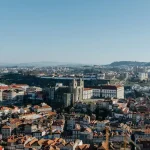
📷 Featured image by Eduard Pretsi on Unsplash.