On this page
- What Makes Óbidos Different From Every Other Portuguese Town
- Inside the Walls — The Castle, Ramparts, and Hidden Corners
- Ginjinha de Óbidos — The Cherry Liqueur You Drink From Chocolate
- The Food Scene Beyond the Ginjinha
- Festivals and Events That Still Happen in 2026
- Day Trip or Overnight?
- Getting to Óbidos From Lisbon and Porto
- 2026 Budget Reality — What Things Actually Cost
- Practical Tips Before You Go
- Frequently Asked Questions
💰 Click here to see Portugal Budget Breakdown
💰 Prices updated: August, 2026. Budget figures are estimates — always verify before travel.
Exchange Rate: $1 USD = €0.86
Daily Budget (per person)
Shoestring: €40.00 – €90.00 ($46.51 – $104.65)
Mid-range: €130.00 – €200.00 ($151.16 – $232.56)
Comfortable: €250.00 – €500.00 ($290.70 – $581.40)
Accommodation (per night)
Hostel/guesthouse: €15.00 – €45.00 ($17.44 – $52.33)
Mid-range hotel: €100.00 – €190.00 ($116.28 – $220.93)
Food (per meal)
Budget meal: €10.00 ($11.63)
Mid-range meal: €35.00 ($40.70)
Upscale meal: €100.00 ($116.28)
Transport
Single metro/bus trip: €2.00 ($2.33)
Monthly transport pass: €40.00 ($46.51)
Óbidos has a reputation problem — not because it’s bad, but because it’s so good that everyone knows about it. On summer weekends in 2026, the main street (Rua Direita) fills up by 10am, and the village can feel more like a film set than a living place. That doesn’t mean you should skip it. It means you need to know when to go, where to look, and how to spend your time once the day-trippers head back to Lisbon.
What Makes Óbidos Different From Every Other Portuguese Town
Portugal has plenty of charming historic towns. What separates Óbidos is that the entire village sits inside a complete, unbroken medieval wall. You don’t just look at the wall from outside — you walk on top of it, look down into terracotta-roofed courtyards, and watch cats sleeping on windowsills two metres below your feet.
The town was a royal wedding gift. In 1282, King Dinis brought his queen, Isabel of Aragon, to Óbidos on their honeymoon trip through Portugal. She was so taken with it that he gave it to her on the spot. From that moment, Óbidos became part of the Casa das Rainhas — the property of Portuguese queens — a tradition that lasted for centuries and explains the exceptional care taken with its buildings and fortifications.
Today, around 3,000 people still live inside or just outside the walls. The blue-and-yellow painted houses aren’t a tourist invention — that’s just how the town looks. Flower pots hang from whitewashed walls. Bougainvillea spills over stone archways. It is, genuinely, as pretty as the photographs suggest.
Inside the Walls — The Castle, Ramparts, and Hidden Corners
The castle at the western end of the village is now a Pousada — a luxury hotel inside a genuine medieval fortress. You don’t need to stay there to appreciate the exterior, but the main gate, the Porta da Vila, is worth slowing down at. Step inside and look up: the gate passage is entirely lined with 18th-century blue-and-white azulejo tiles, an unusual detail that most people walk straight through without noticing.
Walking the ramparts is the single best thing you can do in Óbidos. The full circuit is about 1.5 kilometres and takes roughly 30 to 40 minutes at a relaxed pace. There are no guardrails on much of the wall — the drop on the outer side is several metres — so this isn’t ideal for very young children or anyone uncomfortable with heights. But the views over the surrounding farmland and the lagoon (Lagoa de Óbidos) in the distance are unlike anything you get at street level.
Away from Rua Direita, the crowds thin quickly. Push into the side streets and you’ll find the Igreja de Santa Maria, a 12th-century church with a beautiful painted ceiling and the tomb of Renaissance painter Josefa de Óbidos, one of Portugal’s most celebrated artists. The nearby Museu Municipal is small but worthwhile, housing several of her works.
Ginjinha de Óbidos — The Cherry Liqueur You Drink From Chocolate
Ginjinha — a sour cherry liqueur — exists all over Portugal, but Óbidos has its own version and its own ritual. Here, it’s served in a small cup made of dark chocolate. You drink the liqueur, then eat the cup. The whole thing takes about 45 seconds and costs around €1.50.
The experience is more than the sum of its parts. The ginjinha is sweet and slightly syrupy, with a warm alcoholic finish. The chocolate cup starts to soften the moment the liqueur hits it, so you eat it while it’s still slightly cold and faintly bitter — a good contrast. It’s the kind of small, specific pleasure that makes Portugal easy to love.
There are several shops along Rua Direita selling it. The quality is consistent across most of them; don’t stress about which one is “authentic.” Some visitors buy a small bottle to take home — these are widely available and make an easy, non-fragile souvenir.
The Food Scene Beyond the Ginjinha
Óbidos is not a food destination in the way Lisbon or Porto are — the restaurant scene is small and largely aimed at day visitors. That said, there are a few places worth knowing.
Taberna d’Óbidos on Rua Direita serves regional Estremadura cooking: slow-braised kid (cabrito), açorda (bread-based soup), and local cheeses. The portions are generous and the room is stone-walled and candlelit at lunch, which feels appropriate. Book ahead on weekends.
Tasca do Joel, just off the main drag, is more casual and less polished — plastic chairs, handwritten menus — and better for it. The grilled sardines and the arroz de linguiça (sausage rice) are exactly what this kind of place should serve.
For pastries, any of the small cafés along the main street will sell queijadas de Óbidos — small custard-and-cheese tarts that are distinct from pastéis de nata. They’re dense and slightly sweet, and best eaten fresh and warm from the display case. The pastry shell has a faint crunch before giving way to a smooth, eggy interior — one of those regional specialities that doesn’t travel well but tastes exactly right in context.
Festivals and Events That Still Happen in 2026
Óbidos runs several themed festivals that draw large crowds but also give the village a reason to visit beyond just its appearance.
The Mercado Medieval de Óbidos takes place each July and fills the village with actors, traders, and food stalls in period dress. It’s theatrical and unabashedly commercial, but it’s also genuinely fun — blacksmiths hammer real ironwork, archers demonstrate techniques on a range just outside the walls, and the food includes things cooked over open wood fires.
The Óbidos Vila Natal (Christmas market) runs through December and is among the best Christmas markets in Portugal. The illuminated walls, the mulled wine, and the craft stalls transform a place that already looks slightly unreal into something that feels actively magical. Weekday visits in early December avoid the worst of the crowds.
The Folio Literary Festival in October continues to bring Portuguese and international authors to the village for readings, debates, and installations. In 2026, it remains one of the more intellectually serious events on the Portuguese cultural calendar.
Day Trip or Overnight?
For most visitors, Óbidos works well as a day trip from Lisbon — the journey is under an hour and a half by direct bus, and five to six hours inside the walls is enough to cover everything without rushing.
That said, staying overnight changes the experience significantly. Once the tour buses leave (usually by 6pm), the village quiets down to something close to its actual self. The Pousada inside the castle is expensive but genuinely special. Several smaller guesthouses and rural quintas within a few kilometres offer comfortable mid-range alternatives.
If you’re combining Óbidos with other stops on the Silver Coast — Peniche, the Baleal peninsula, or the Nazaré cliffs — an overnight stay makes logistical sense and lets you cover more ground without backtracking to Lisbon.
Getting to Óbidos From Lisbon and Porto
From Lisbon, the Rede Expressos bus from Campo Grande bus terminal runs directly to Óbidos in approximately 1 hour 20 minutes. Buses run several times daily; the early morning departure is consistently the least crowded. As of 2026, no direct train serves Óbidos itself — the nearest station is Caldas da Rainha, about 6 kilometres away, with local bus connections into town.
By car from Lisbon, the A8 motorway takes you there in just over an hour depending on traffic. Parking is available just outside the main gate — the large car park to the south fills quickly on summer weekends, so aim for arrival before 9:30am.
From Porto, Óbidos is a 2.5- to 3-hour drive south via the A1 and A8. By public transport, the most practical route involves taking the Alfa Pendular or Intercidades train to Caldas da Rainha (about 2 hours), then a local bus or taxi the final stretch.
2026 Budget Reality — What Things Actually Cost
- Entry to Óbidos village: Free. No ticket required to walk in.
- Ramparts walk: Free, though some sections may have token access controls during peak festival periods.
- Ginjinha in chocolate cup: €1.50–€2.00
- Queijada de Óbidos: €1.20–€1.80 each
- Sit-down lunch (mid-range): €15–€25 per person including wine
- Museu Municipal: €2.00 adult entry
- Budget accommodation (guesthouse outside walls): €55–€85 per night
- Mid-range accommodation (boutique inside or near walls): €100–€160 per night
- Comfortable (Pousada castle hotel): €220–€380 per night depending on season
- Lisbon to Óbidos bus (return): approximately €16–€20
Practical Tips Before You Go
- Best time to visit: Weekday mornings in spring (April–May) or autumn (September–October). Avoid August Saturday afternoons entirely.
- Wear proper shoes: The cobblestones inside the walls are uneven and the rampart steps are steep and sometimes slippery after rain.
- Cash is useful: Smaller food stalls and some traditional shops still prefer cash. Card payment is available at restaurants and hotels.
- Weather: Óbidos sits inland from the coast, so it’s slightly warmer than Peniche or Nazaré. July and August regularly reach 32–36°C. Bring water and sunscreen if you’re walking the walls in summer.
- Photography: The light inside the village is best in the early morning and late afternoon. Midday creates harsh shadows on the white walls.
Frequently Asked Questions
Is Óbidos worth visiting in 2026?
Yes — the village is genuinely beautiful and historically significant, and the crowds, while real, are manageable with smart timing. Arriving early on a weekday, especially outside summer, gives you the experience that makes Óbidos famous without the frustration of shoulder-to-shoulder tourists on the main street.
How long do you need in Óbidos?
Three to five hours covers the ramparts, the main church, the castle exterior, lunch, and a wander through the side streets. If you’re visiting during a festival or planning to eat slowly and explore thoroughly, a full day or overnight stay gives you more space and a quieter evening atmosphere.
Can you drive into Óbidos?
No. Private vehicles cannot enter through the main gate. Parking is available in car parks immediately outside the walls, within easy walking distance of the entrance. Disabled access parking is available closer to the gate — check signage on arrival.
What is Óbidos famous for?
Its complete medieval walls, its history as a royal wedding gift to Portuguese queens, and its ginjinha cherry liqueur served in edible chocolate cups. The village is also known for its Mercado Medieval festival in July and the Folio Literary Festival each October.
Is Óbidos expensive compared to other Portuguese towns?
Moderately. Restaurants and shops inside the walls charge a slight premium due to tourism. A sit-down lunch runs €15–€25 per person, which is reasonable by 2026 Portuguese standards. Accommodation options range widely — budget guesthouses outside the walls are affordable, while the castle Pousada is a luxury price point.
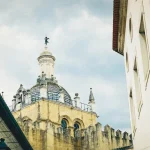
📷 Featured image by Noelephants Flying on Unsplash.