On this page
- How a Porto Club Night Works in 2026
- Baixa and Aliados: The Core of the Club Scene
- Ribeira: Hard Club in the Iron Market Hall
- Rua Cândido dos Reis and Galerias de Paris: Warm-Up Bars
- Student Porto: Cordoaria and the Cheap-Night Circuit
- Foz and Matosinhos: Seafront Nights
- Getting Home: Night Transport in 2026
- Porto Nightlife Budget in 2026
- Frequently Asked Questions
💰 Click here to see Portugal Budget Breakdown
💰 Prices updated: September, 2026. Budget figures are estimates — always verify before travel.
Exchange Rate: $1 USD = €0.88
Daily Budget (per person)
Shoestring: €40.00 – €70.00 ($45.45 – $79.55)
Mid-range: €150.00 – €300.00 ($170.45 – $340.91)
Comfortable: €400.00 – €1,000.00 ($454.55 – $1,136.36)
Accommodation (per night)
Hostel/guesthouse: €15.00 – €50.00 ($17.05 – $56.82)
Mid-range hotel: €70.00 – €150.00 ($79.55 – $170.45)
Food (per meal)
Budget meal: €10.00 ($11.36)
Mid-range meal: €25.00 ($28.41)
Upscale meal: €60.00 ($68.18)
Transport
Single metro/bus trip: €1.90 ($2.16)
Monthly transport pass: €40.00 ($45.45)
You land in Porto, ask where the clubs are, and get three different answers. One is a street of bars, one is a concert hall, and one closed last spring. Porto’s club scene is compact and changes fast, so the real challenge in 2026 is knowing which doors are worth your night. This guide covers the venues and streets that have lasted, how to move between them, and what it all costs.
How a Porto Club Night Works in 2026
Portuguese nights start late, and Porto is no exception. Dinner runs until 9:30 or 10 pm, bars fill from 11 pm, and clubs only get busy after 1 am. Most close between 4 and 6 am. If you arrive at midnight, you will often find a half-empty room and a DJ warming up.
Entry usually costs €5 to €15 and often includes one drink. Many places run a “consumo mínimo” system, where you get a card, order through the night, and pay on the way out. Do not lose the card, because the fee is high. Bouncers rarely care about dress codes, but they do check ID, so carry a passport copy or ID card. Indoor smoking is banned, so the smokers’ crowd on the pavement is part of the scene.
Many club programmes are posted only on Instagram. Check the venue’s page the same day, because themed nights, guest DJs, and one-off concerts shift the mood completely.
Baixa and Aliados: The Core of the Club Scene
Plano B on Rua Cândido dos Reis is the club most locals name first. It is a multi-room space with a stage, a dance floor, and a rotating mix of electronic, indie, hip-hop, and live sets. On a good Friday the bass comes up through the floor and the crowd mixes students, creatives, and visitors who have wandered in from the street. It stays popular because the programming has a clear point of view.
Passos Manuel sits nearby on Rua Passos Manuel, in a former cinema and dance hall. The high ceilings and old stage give it a theatrical feel that most clubs cannot copy. Club nights, concerts, and cultural events share the calendar, so check what is on before you go.
Maus Hábitos is on the fourth floor of a building on the same street, above a car park. It started as an arts space and still works as one: exhibitions, gigs, a restaurant, then late DJ sets. It is the best choice if you want a night that feels more like a house party with good taste than a standard club.

All three are within a ten-minute walk of each other. You can try one, leave if the music is not right, and be somewhere else in minutes.
Ribeira: Hard Club in the Iron Market Hall
Hard Club occupies the Mercado Ferreira Borges, a 19th-century iron-and-glass market building a short walk from the Douro. The setting is the draw. You dance under a vaulted metal roof that once covered fruit stalls, with the river just outside.
Hard Club focuses on concerts and larger electronic or alternative nights rather than a nightly club. That means the experience depends on who is playing. Look at the lineup first. If a band you like is on, buy a ticket in advance, as bigger shows sell out. If you only want a general dance floor, Plano B or Passos Manuel is the safer pick.
Rua Cândido dos Reis and Galerias de Paris: Warm-Up Bars
Before the clubs fill up, the bar streets do the work. Rua Cândido dos Reis and the short, busy Rua Galerias de Paris are lined with small bars, many with open doors and music spilling onto the cobblestones. Between 10 pm and 1 am, the street is a slow-moving crowd of people holding plastic cups and cold Super Bock bottles.
Galerias de Paris is the better place for a pre-club drink, with cocktail bars, rock bars, and a few pubs within a few doors of each other. Cocktails cost €7 to €10 and beer €2 to €4. Pick one bar, stay for a drink or two, then move on. Crowds on the narrow pavement make constant bar-hopping tiring.
The city council pays close attention to noise complaints in the centre. Some bars now close earlier than they did a few years ago, so confirm hours rather than assuming everything runs to 4 am.
Student Porto: Cordoaria and the Cheap-Night Circuit
Porto is a university city, and student areas around Cordoaria and Praça de Parada Leitão (near the Torre dos Clérigos and the university buildings) have the cheapest drinks in town. Beer is often €1.50 to €2.50, and shots are cheap and strong. The crowd is young, loud, and friendly.

This is the right choice if you want a lively, low-cost night and do not mind a rougher edge. Term time is when it runs at full strength, from roughly October to June. In July and August, the student crowd leaves and the area is quieter, though tourists fill part of the gap.
Foz and Matosinhos: Seafront Nights
If the centre feels crowded, head west. Foz do Douro has a more polished, local crowd, with seafront bars and a few clubs along Avenida do Brasil. In summer the best part of the night is the walk along the promenade at 1 am, with Atlantic air cooling the pavement and music drifting from open terraces.
Matosinhos is better known for seafood, but it has bars and late-night spots that serve a local crowd rather than tourists. Reach either area by taxi or ride app, as both are 15 to 25 minutes from the centre. Because venues in these areas change often, ask your hotel or check recent Instagram posts before committing to a long ride.
Getting Home: Night Transport in 2026
The Porto Metro stops running around 1 am, which is before most clubs get busy. If you rely on it, you will need another way home. STCP runs night bus routes after midnight, but frequency is low, usually about once an hour, so do not count on a quick connection.
Bolt and Uber are widely used and are the simplest option. A ride within the centre costs about €4 to €8, and to Foz or Matosinhos about €8 to €15. Prices rise after 2 am on busy weekend nights. Official taxis wait near Aliados and São Bento, and are usually reliable.
Porto’s centre is hilly and cobbled. Walking back at 4 am in heels or worn shoes is harder than it looks, so plan your route and wear shoes you can climb in. Infrastructure work around the Metro network continues in 2026, so expect some diversions and noise in parts of the Baixa.
Porto Nightlife Budget in 2026
- Budget (€25–40): Student-area beers, one cheaper club entry or a free-entry night, a late snack such as a francesinha, and a ride share home split between friends.
- Mid-range (€50–90): Dinner out, a pre-club cocktail on Galerias de Paris, club entry with a drink, two more drinks inside, and a ride home.
- Comfortable (€100–180): A tasting dinner, several cocktails, a Hard Club concert ticket or table service at a larger event, and taxis door to door.

Drinks inside clubs usually cost €5 to €9 for a mixed drink and €3 to €5 for a beer. Pre-drinking in your accommodation is not unusual among locals, but check the rules of your rental first.
Frequently Asked Questions
What time do clubs in Porto open and get busy?
Most clubs open around 11 pm or midnight, but the dance floor does not fill until 1 or 2 am. Many stay open until 4 or 6 am. If you want a real atmosphere, arrive after 1 am and spend the earlier hours in bars.
Which area of Porto is best for clubbing?
The Baixa and Aliados area is the strongest base, with Plano B, Passos Manuel, and Maus Hábitos within a short walk. Hard Club is a few minutes downhill in Ribeira. Foz and Matosinhos suit a quieter, more local seafront night.
Is Porto nightlife safe for tourists?
Generally yes. Porto’s centre is busy and well-trafficked at night. Pickpocketing is the main risk in crowded bars and streets, so keep phones and wallets in front pockets. Use licensed taxis or ride apps late at night, and do not leave drinks unattended.
How much does it cost to go clubbing in Porto?
Entry is usually €5 to €15, often with a drink included. Beer inside costs €3 to €5, and cocktails €6 to €10. A full night out costs €40 to €90 depending on how much you drink and how you get home.
Is there public transport after midnight in Porto?
The Metro stops around 1 am. STCP night buses run through the early hours, but only about hourly. Most visitors use Bolt, Uber, or taxis for the return trip. Rides within the centre are cheap, and the fare is easy to split between friends.
Explore more
10 Unforgettable Day Trips from Porto You Can’t Miss
Where to Eat in Porto: Top Picks for Every Budget
Best Bars in Porto: From Craft Beer Havens to Chic Cocktail Lounges
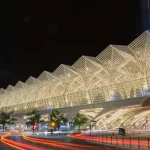
📷 Featured image by Gary Walker-Jones on Unsplash.