On this page
- How Porto’s Neighbourhoods Actually Differ
- Ribeira and Miragaia — The Postcard Stays With a Price
- Bonfim and Campanhã — Porto’s Fastest-Changing Neighbourhood
- Cedofeita and the Boavista Corridor — Where Locals Actually Live
- Foz do Douro and Matosinhos — The Atlantic Option
- Baixa and Aliados — Central Convenience, Zero Charm Tax
- Vitória and Batalha — The Creative Middle Ground
- 2026 Budget Reality: What You Will Pay to Stay in Each Area
- Getting Around Porto From Each Base
- Frequently Asked Questions
💰 Click here to see Portugal Budget Breakdown
💰 Prices updated: August, 2026. Budget figures are estimates — always verify before travel.
Exchange Rate: $1 USD = €0.86
Daily Budget (per person)
Shoestring: €40.00 – €90.00 ($46.51 – $104.65)
Mid-range: €130.00 – €200.00 ($151.16 – $232.56)
Comfortable: €250.00 – €500.00 ($290.70 – $581.40)
Accommodation (per night)
Hostel/guesthouse: €15.00 – €45.00 ($17.44 – $52.33)
Mid-range hotel: €100.00 – €190.00 ($116.28 – $220.93)
Food (per meal)
Budget meal: €10.00 ($11.63)
Mid-range meal: €35.00 ($40.70)
Upscale meal: €100.00 ($116.28)
Transport
Single metro/bus trip: €2.00 ($2.33)
Monthly transport pass: €40.00 ($46.51)
Porto‘s accommodation map looked very different in 2024. Back then, most visitors defaulted to Ribeira or the streets around Clérigos and called it done. By 2026, that approach costs more, delivers less sleep, and puts you in direct competition with tour groups at every corner. The city’s metro expansion — the long-awaited Pink Line now fully operational — has genuinely changed which neighbourhoods make sense as a base. Areas that once required a taxi or a sweaty uphill walk are now straightforward to reach. This guide cuts through the noise and tells you exactly what each neighbourhood feels like to live in for a week, not just photograph for an afternoon.
How Porto’s Neighbourhoods Actually Differ
Porto is not a flat city. That single fact shapes your experience more than anything else. The historic centre sits on granite hillsides that drop sharply toward the Douro. A neighbourhood that looks close on a map can feel genuinely demanding on foot, particularly if you are carrying a backpack or travelling with young children. Understanding the terrain before you book saves frustration later.
The city divides roughly into three elevation bands. The riverfront — Ribeira and Miragaia — sits at the base, beautiful but hemmed in. The mid-city band — Vitória, Batalha, Cedofeita, Bonfim — runs along the plateau and upper slopes. The outer zones — Foz do Douro, Matosinhos, Boavista — sit on flatter ground and feel more like a European city and less like a medieval hill town.
Beyond topography, each neighbourhood has a distinct social rhythm. Porto is still a working city. You will find genuine bakeries, hardware stores, and elderly residents hanging laundry on balconies in most areas — but that texture thins noticeably the closer you get to the main tourist corridors. Choosing your base is really choosing how much of the real Porto you want around you every morning.

Ribeira and Miragaia — The Postcard Stays With a Price
Ribeira is the image most people carry in their heads before they arrive: the coloured houses stacked above the river, the rabelo boats moored along the quay, the smell of grilled sardines drifting from the esplanades. It delivers exactly that — and the trade-off is real.
By 10am in high season, the narrow lanes between the quayside and the cathedral are busy with organised tours. By 2pm they are genuinely difficult to navigate. Noise carries late into the evening from the riverside bars, and the streets are steep and uneven underfoot. Many of the apartments here are accessed via staircases with no lifts, built into buildings that predate any concept of modern access.
Miragaia, the quieter stretch immediately west of Ribeira, softens these problems slightly. It has the same riverfront position but fewer bars and a slightly more residential character. The Friday antiques market on Rua de Miragaia is one of Porto’s better-kept secrets, and the walk along the water to the Museu do Vinho do Porto takes about eight minutes.
Staying here makes most sense if your priority is the Douro view from your window, you are a light sleeper with earplugs, and you have booked accommodation in advance. If you want to feel like a resident rather than a visitor, look elsewhere.
Bonfim and Campanhã — Porto’s Fastest-Changing Neighbourhood

If you visited Porto five years ago and dismissed Bonfim as rough around the edges, the 2026 version will surprise you. This eastern neighbourhood has undergone the kind of transformation that Mouraria in Lisbon went through in the early 2010s — without yet losing the grit that made it interesting in the first place.
The streets around Rua de Fernandes Tomás and Rua de São Victor now hold some of Porto’s most respected independent restaurants, natural wine bars, and concept stores alongside traditional tascas serving lunch menus at €10–12. The neighbourhood attracts a mix of young Portuguese professionals, artists, and the kind of international visitors who have done Porto before and want something less curated.
Campanhã, further east, is the arrival point for the high-speed Alfa Pendular trains from Lisbon and the new direct CP services added in early 2026. The area around Campanhã station itself is still in transition — a major urban regeneration project is underway — but the streets between Campanhã and Bonfim are increasingly liveable. The practical advantage here is direct, fast transit to the rest of the country without crossing the whole city.
For first-time visitors, the 15–20 minute walk to the main landmarks from central Bonfim is not a problem. The metro’s Pink Line stop at Campanhã connects you downtown in under ten minutes. The drawback is that some parts of this zone still feel unfinished, and if you want ambient walkability from your front door, the denser central neighbourhoods do it better.
Cedofeita and the Boavista Corridor — Where Locals Actually Live
Ask a Porto resident where they would choose to live, and Cedofeita comes up often. It sits on the upper plateau, just west of the historic core, and it has the kind of neighbourhood infrastructure — good bakeries, a covered market, independent bookshops, no-nonsense cafés — that makes daily life easy.

The main artery, Rua de Cedofeita, connects down toward the Clérigos tower and up toward the Rotunda da Boavista. Along it and the side streets branching off, you find a mix of 19th-century residential buildings, small galleries, and restaurants that serve regular Porto people rather than tourists. The Saturday Mercado Bom Sucesso, now permanently expanded after its 2025 renovation, is a five-minute walk and worth a morning.
The Boavista corridor heading west toward the Palácio de Cristal gardens adds parks, wider pavements, and access to the Casa da Música metro stop — the hub for much of Porto’s western public transport grid. This part of the city is noticeably flatter than the historic centre, which matters if terrain is a concern.
Accommodation here tends to be apartments rather than hotels, and prices reflect the local market rather than the tourist premium. The trade-off is that you are not within instant walking distance of the Livraria Lello or the Dom Luís bridge — but you are closer to what Porto actually feels like as a city, rather than a backdrop.
Foz do Douro and Matosinhos — The Atlantic Option
Foz do Douro sits where the Douro river meets the Atlantic, about six kilometres west of the city centre. It is a different kind of Porto — wider streets, ocean air, a seafront promenade, and a residential calm that feels removed from the tourist circuit even though it is easily connected to it.
The Avenida do Brasil runs along the coast and is one of the better places in Porto to run or cycle in the morning. The Jardim do Passeio Alegre, a formal garden right at the river mouth, is genuinely peaceful on weekday mornings — the smell of eucalyptus and salt air mixing as the Atlantic fog burns off. The fish restaurants here are serious, aimed at locals who know what good seafood costs and are willing to pay for it.

Matosinhos, just north of Foz along the coast, is technically a separate municipality but functions as an extension of Porto’s beach zone. Matosinhos Sul, the strip closest to the beach, is famous for its grilled fish restaurants and its fish market. Since the opening of the Matosinhos metro extension in late 2025, getting to central Porto takes around 20 minutes by metro — a journey that previously required a bus or taxi.
These areas suit visitors who want space, sea access, and a slower pace. They are not the right base if you plan to spend every day walking Porto’s historic core, but if you want to split your time between the city and the coast, they make that easy.
Baixa and Aliados — Central Convenience, Zero Charm Tax
The Baixa — roughly the commercial centre around Avenida dos Aliados and the streets running down toward the São Bento railway station — is Porto’s least romantic district to stay in and its most practical. Wide boulevards, good transport links, ATMs, pharmacies, and hotels of every category within a short radius.
São Bento station itself is one of the more extraordinary train stations in Europe, its entrance hall lined floor-to-ceiling with blue and white azulejo tiles depicting scenes of Portuguese history. Walking through it at 7am when the commuters are rushing through is a genuinely different experience from seeing it at midday surrounded by tour groups — the sound of announcements echoing off the tiles, the sharp smell of espresso from the station café.
For families, business travellers, or anyone who values having options within walking distance over neighbourhood character, this area works well. The density of hotels also means prices are more competitive and availability is higher than in the historic riverside zones. The downside is noise from traffic on the main avenues and a daytime atmosphere that is functional rather than characterful.
Vitória and Batalha — The Creative Middle Ground
Vitória and Batalha form a crescent of streets running from the Clérigos tower east toward the Praça da Batalha and down to the cathedral. This is probably the best compromise zone in Porto in 2026: historic enough to feel embedded in the city’s identity, but with enough mixed-use residential activity to avoid the pure-tourist bubble of Ribeira.
The streets here are dense and layered. Old pharmacies, independent music venues, the Teatro Nacional São João, and some of Porto’s best traditional bakeries sit in close proximity. Rua das Flores, the pedestrianised street connecting this area to the riverfront, has evolved since its earlier gentrification wave into something that balances tourist footfall with genuine commerce. In the evening, the Praça da Batalha fills with students from the nearby university faculty buildings, giving it an energy that is specifically Porto rather than generically tourist.
Accommodation here ranges from well-located small hotels in renovated palaces to apartments carved out of 18th-century merchant houses. The terrain is hilly but manageable — most of the key sites are within 10 minutes on foot, and the São Bento metro and Trindade metro stations bracket the area from either end.
2026 Budget Reality: What You Will Pay to Stay in Each Area
Porto remains better value than Lisbon for accommodation, but the gap narrowed considerably between 2024 and 2026. Here is an honest breakdown of what you should expect to pay per night in high season (June–September) for a decent standard of stay.

Ribeira and Miragaia
- Budget (hostel dorm or very basic private): €35–55
- Mid-range (private apartment or small hotel): €110–180
- Comfortable (riverfront hotel or restored boutique): €200–350+
Bonfim and Campanhã
- Budget: €25–40
- Mid-range: €70–120
- Comfortable: €130–200
Cedofeita and Boavista
- Budget: €28–45
- Mid-range: €75–130
- Comfortable: €140–220
Foz do Douro and Matosinhos
- Budget: €30–50
- Mid-range: €80–140
- Comfortable: €160–280
Baixa, Aliados, Vitória, and Batalha
- Budget: €30–50
- Mid-range: €80–150
- Comfortable: €160–250
Shoulder season (October–November, March–May) typically brings these prices down by 20–35%. January and February remain the cheapest months, with mid-range apartments in most zones available from €55–80 per night.
Getting Around Porto From Each Base
The 2026 metro network is meaningfully better than it was two years ago. The Pink Line, fully operational since mid-2025, connects Campanhã to the western waterfront via a central arc that catches several previously under-served neighbourhoods. Combined with the existing Blue, Yellow, Green, and Red lines, the metro now covers Porto’s main residential zones with reasonable density.
That said, Porto’s terrain means the metro does not eliminate walking — it reduces it. Several key sights, including much of the historic core, the cathedral, and the viewpoints (miradouros), sit on slopes between metro stops and require walking regardless of where you stay.
Walking practicality by neighbourhood
- Ribeira / Miragaia: Everything within walking distance, but the uphill return from the river is steep. Good for fit travellers or those who will use taxis for uphill legs.
- Vitória / Batalha: Best walking position in the city. Most landmarks within 10–15 minutes on foot, at manageable gradients.
- Cedofeita / Boavista: Flat and walkable within the neighbourhood. Requires metro or tram to reach the historic core (20 minutes).
- Bonfim / Campanhã: Metro-dependent for the historic core. 15–20 minute metro ride puts you anywhere central.
- Foz / Matosinhos: Metro to centre takes 20–25 minutes. Good for visitors who enjoy cycling — the riverside bike path from Foz into Ribeira is excellent and mostly flat.
- Baixa / Aliados: Metro hub (Trindade and São Bento nearby). Very well connected. Walking distances to most sites are short.

Taxis and Uber remain affordable by northern European standards. A ride from Foz to the historic centre runs €8–12 in 2026. The historic tram lines — including the famous Line 1 along the Douro — are tourist experiences as much as transport, slow but scenic, and still worth doing once.
Frequently Asked Questions
Which Porto neighbourhood is best for first-time visitors?
Vitória or Batalha offers the best balance for a first trip — you are within walking distance of the major landmarks, embedded in a genuinely mixed neighbourhood, and not paying the full Ribeira premium. The terrain is manageable and both metro lines bracket the area, making day trips to Foz or Matosinhos straightforward.
Is Ribeira worth the higher price in 2026?
Only if a Douro riverfront view is genuinely your priority. The 2026 short-term rental restrictions have pushed prices up and availability down. For most visitors who want to explore the city actively rather than sit on a balcony, the price difference is better spent on food and experiences. Sleep quality is also notably lower here due to nighttime noise.
Has the Pink Line metro made Bonfim and Campanhã genuinely practical to stay in?
Yes, significantly. The Pink Line now puts Campanhã about eight to ten minutes from the centre by metro. Bonfim has also matured as a neighbourhood with good restaurants and cafés. It suits repeat visitors and those who want local atmosphere at lower nightly rates. It remains less immediately walkable to landmarks than the central zones.
Are Foz do Douro and Matosinhos suitable for a city-focused trip?
They work if you are happy spending 20–25 minutes each way on the metro daily. The Atlantic setting and seafood restaurants are genuine draws, and the new Matosinhos metro extension (late 2025) made the connection to central Porto much easier. For visitors primarily focused on Porto’s historic sights, the daily commute adds up over a week.
What is the cheapest Porto neighbourhood to stay in without sacrificing safety or access?
Bonfim consistently offers the lowest prices of any neighbourhood with good metro access and a functioning local infrastructure. It is safe, improving rapidly, and genuinely interesting in 2026. Campanhã station-adjacent streets are still more mixed in quality — Bonfim proper, particularly the streets around Rua de Fernandes Tomás, is the stronger choice.
Explore more
Best Neighborhoods in Porto: Where to Stay for Every Traveler
How Many Days Do You Need in Porto? A Perfect Itinerary Planner
Best Day Trips from Porto: Your Ultimate Guide to Northern Portugal
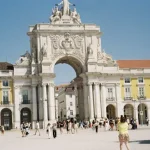
📷 Featured image by Roaming Pictures on Unsplash.