On this page
- Algarve’s Hidden Botanical Paradise: Beyond the Beach Towns
- Lisbon’s Historic Garden Circuit: From Gulbenkian to Estrela
- Porto’s Urban Oases and Riverside Blooms
- Central Portugal’s Wild Flower Spectacle: Serra da Estrela to Óbidos
- Northern Minho: Ancient Estates and Celtic Gardens
- Planning Your April Garden Trail: Routes and Timing
- 2026 Budget Breakdown: Garden Visits and Green Experiences
- Frequently Asked Questions
April in Portugal brings a transformation that catches many visitors off guard. While beach season hasn’t quite arrived, the countryside explodes into a botanical showcase that rivals any European destination. The challenge for 2026 travellers is knowing where to find these hidden gardens and natural displays beyond the obvious tourist routes.
Algarve’s Hidden Botanical Paradise: Beyond the Beach Towns
The Algarve’s spring awakening happens away from the coastal resorts. Head inland to discover landscapes painted with wild cistus, lavender, and the region’s famous almond blossoms that peak in early April. The hills around Monchique transform into rolling carpets of white and pink, while the sweet fragrance of orange groves fills the air in the valleys below.
Start your exploration at Caldas de Monchique, where the thermal springs are surrounded by centuries-old eucalyptus and cork oak groves. The walking trails here wind through native Mediterranean vegetation that blooms in waves throughout April. Wild rosemary and thyme release their oils in the warming spring sunshine, creating an almost intoxicating natural aromatherapy experience.
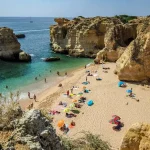
The coastal town of Lagos offers an unexpected botanical treat at Ponta da Piedade. While most visitors focus on the dramatic limestone cliffs, April reveals hidden pockets of endemic plants clinging to the rock faces. Ice plants carpet the clifftops in bright magenta, while wild lavender and fennel create purple and yellow patches across the headland.
Lisbon’s Historic Garden Circuit: From Gulbenkian to Estrela
Lisbon in April becomes a city of gardens, where formal botanical spaces and wild urban patches create an interconnected green network. The Calouste Gulbenkian Museum gardens showcase carefully curated collections of native Portuguese plants alongside exotic species that thrive in the city’s mild climate.

The real surprise lies in Jardim da Estrela, where massive plane trees create a cathedral-like canopy over winding paths. April brings the first flush of roses in the formal beds, while wild grass areas are dotted with native Portuguese wildflowers. The adjacent Basilica da Estrela provides a stunning backdrop for the garden’s most photogenic moments.
Principe Real Garden offers a more intimate experience, with its distinctive cedar tree forming a natural pavilion at the centre. The surrounding flowerbeds burst with seasonal colour in April, while the outdoor cafés provide perfect spots to observe the daily rhythm of local life. The nearby botanical garden extends this green corridor up the hillside, showcasing Portugal’s diverse plant heritage in themed collections.
Don’t overlook the wild gardens that emerge along Lisbon’s abandoned railway lines and vacant lots. These unofficial green spaces often contain the most authentic displays of Portuguese spring flora, with poppies, wild garlic, and native grasses creating spontaneous meadows in urban settings.
Porto’s Urban Oases and Riverside Blooms
Porto’s relationship with nature takes on a distinctly northern character, with gardens that blend formal design with the region’s naturally lush landscape. The Crystal Palace Gardens sprawl across terraced hillsides above the Douro River, offering spectacular views alongside meticulously maintained plant collections.
April transforms the riverside areas into unexpected botanical corridors. The path along the Douro from Ribeira to Foz fills with wild fennel and maritime plants that have adapted to the salty river conditions. Early morning walks reveal mist rising from the water while resident peacocks call from the Crystal Palace grounds above.
Parque da Cidade, Portugal’s largest urban park, becomes a natural laboratory in April. The diverse habitats within the park support everything from wetland plants around the lake to coastal dune vegetation near the Atlantic edge. The park’s network of trails allows visitors to experience multiple ecosystems within a single morning walk.

The historic centre hides pocket gardens in the most unexpected places. Small courtyards burst with climbing roses and jasmine, while abandoned lots become impromptu wildflower meadows. The steep streets of Miragaia neighbourhood offer glimpses of terraced gardens clinging to impossible slopes, maintained by local residents who’ve turned urban challenge into horticultural art.
Central Portugal’s Wild Flower Spectacle: Serra da Estrela to Óbidos
Central Portugal’s April landscape creates some of the country’s most dramatic natural displays. Serra da Estrela’s alpine meadows carpet the mountainsides with endemic flowers found nowhere else in Portugal. The descent from the snow line to the valleys passes through distinct botanical zones, each with its own spring timeline.
The medieval town of Óbidos becomes a living garden in April, with wild flowers growing from ancient walls and bougainvillea beginning its seasonal climb over traditional whitewashed houses. The town’s position on a hilltop creates unique microclimates that support both Mediterranean and Atlantic plant species in close proximity.
The monastery gardens at Batalha and Alcobaça reveal centuries of monastic gardening tradition. These enclosed spaces preserve heritage varieties of herbs, vegetables, and ornamental plants that medieval monks brought from across Europe. April visits often coincide with traditional planting ceremonies that local communities still maintain.
The coastal pine forests between Figueira da Foz and Nazaré create their own spring ecosystem. Wild iris and gladioli emerge from sandy soils beneath the maritime pine canopy, while the distinctive umbrella-shaped trees frame ocean views that change with the April light.
Northern Minho: Ancient Estates and Celtic Gardens
Portugal’s far north reveals a Celtic influence in its garden traditions, with ancient quintas (estates) maintaining landscapes that feel distinctly different from the Mediterranean south. The Minho region’s granite landscapes and abundant rainfall create conditions similar to Ireland or Brittany.

Viana do Castelo’s hillside quintas preserve centuries-old garden designs where box hedges frame beds of native Portuguese plants. These formal gardens transition seamlessly into wild Atlantic coastal vegetation, creating unique combinations of cultivated and natural beauty. The morning mist that often shrouds these gardens in April adds an almost mystical quality to early visits.
The Peneda-Gerês National Park represents Portugal’s most pristine natural environment, where traditional village gardens blend with protected wilderness. Ancient granite villages like Soajo maintain communal gardens that have operated continuously for centuries, using techniques passed down through generations of mountain farmers.
Ponte de Lima’s historic centre preserves medieval garden traditions along the Lima River. The town’s position as an ancient pilgrimage stop on the Camino de Santiago route means its gardens incorporate plants from across Europe, brought by centuries of travellers and maintained by local families.
Planning Your April Garden Trail: Routes and Timing
April’s variable weather requires flexible planning. Early April typically offers the best almond blossoms in the Algarve, while late April brings peak wildflower displays in central and northern regions. Coastal areas maintain more stable blooming periods, while mountain regions depend heavily on winter rainfall and spring temperatures.
The ideal garden route follows Portugal’s natural progression from south to north. Start in the Algarve during the first week of April, move to Lisbon and central regions in mid-month, and finish in the north during the final week. This timing aligns with the natural progression of spring across different latitudes and elevations.
Transportation between garden destinations relies primarily on rental cars, as many of the most spectacular locations lie outside major urban centres. The A1 motorway provides the primary north-south connection, with regional roads accessing mountain and coastal areas. Train services connect major cities but require additional transport to reach rural garden locations.

Weather contingency planning becomes essential for April visits. Coastal gardens offer reliable backup options during rainy periods, while indoor botanical collections in Lisbon and Porto provide educational alternatives. Many gardens maintain greenhouses or covered areas that remain accessible regardless of weather conditions.
2026 Budget Breakdown: Garden Visits and Green Experiences
Budget Options (€25-40 per day): Public gardens and parks remain free throughout Portugal. Municipal botanical gardens typically charge €2-5 entry fees. Wild hiking areas and coastal paths cost nothing beyond transportation. Picnic supplies from local markets average €8-12 per person.
Mid-Range Experiences (€50-80 per day): Private quinta visits range €15-25 per person including guided tours. Garden-focused museums charge €8-12 entry fees. Rural quintas offering lunch packages cost €25-35 per person. Professional garden photography workshops average €45 per half-day session.
Comfortable Garden Tours (€100+ per day): Private garden tours with expert guides cost €80-120 per person including transportation. Luxury quintas offering full-day experiences including meals range €85-150 per person. Helicopter tours over spring landscapes start at €200 per person for 30-minute flights.
Accommodation costs vary significantly by region and proximity to garden destinations. Rural quintas offering accommodation range €60-150 per night, often including breakfast and garden access. Urban hotels with garden views typically add €20-40 to standard rates during April peak season.
Frequently Asked Questions
When do Portugal’s spring flowers peak in April 2026? Almond blossoms peak in early April, while wildflowers reach maximum display in mid to late April. Coastal areas maintain longer blooming periods than mountain regions, which depend on elevation and winter rainfall patterns.
Which Portuguese gardens are wheelchair accessible? Major urban gardens like Gulbenkian in Lisbon and Crystal Palace in Porto offer full accessibility. Many historic quinta gardens have limited accessibility due to traditional gravel paths and elevation changes. Contact gardens directly for specific accessibility information.

Do Portuguese gardens charge entry fees? Public municipal gardens remain free, while private quintas charge €5-25 entry fees. Museum gardens typically include access with general admission tickets. Many historic monastery gardens request voluntary donations rather than fixed entrance fees.
What should I wear for garden visits in April? Layers work best for Portugal’s variable April weather. Waterproof jacket essential for northern regions, while sun protection becomes important in southern areas. Comfortable walking shoes with good grip necessary for mountain garden visits and coastal cliff paths.
Can I collect seeds or cuttings from Portuguese gardens? Collecting from public spaces is generally prohibited, especially in protected areas like national parks. Private gardens may allow small personal collections with permission. Many garden centres near major attractions sell seeds and plants from local species for visitors to take home legally.
Explore more
Your April 2026 Portugal Trip: What to Pack for Spring Exploration
Portugal in April 2026: Savoring Local Flavors and Outdoor Dining
Portugal in April 2026: Ideal Weather for Exploring
📷 Featured image by Tyson Whitney on Unsplash.