On this page
- Why November Suits Fado
- How to Find a Real Fado Night in Lisbon
- Fado Beyond Lisbon: Coimbra and Porto
- São Martinho and the November Table
- Historic Towns in Soft Autumn Light
- Weather and Packing for November 2026
- November 2026 Budget Reality
- Getting Around in the Shorter Days
- Frequently Asked Questions
Many travellers in 2026 want Portugal without the summer queues, the heat, and the crowded miradouros. November gives you that, but it also raises a question: what do you do when the sun sets around 17:15? The answer is the one the Portuguese have used for generations. You go indoors, to a small room with stone walls, a glass of red wine, and a voice that fills the space. November is one of the best months to hear fado, and one of the easiest to enjoy historic Portugal at a calm pace.
Why November Suits Fado
Fado is a music of saudade, a longing for something lost or far away. It makes more sense on a grey, damp evening than on a hot July night with a terrace full of tourists. UNESCO added fado to its list of Intangible Cultural Heritage in 2011, and in November you can feel why. The small fado rooms are less crowded, the staff have more time, and the singers often seem less rushed.
You will hear two instruments above all. The guitarra portuguesa, a pear-shaped, twelve-string guitar, gives fado its bright, silvery sound. The viola, a classical guitar, gives it a steady base. On a cool night in Alfama, that sound drifts out through the doorways and down the narrow lanes, and you can follow it like a path.
How to Find a Real Fado Night in Lisbon
Lisbon’s fado lives in three main areas: Alfama, Mouraria, and Bairro Alto. Mouraria is often described as the birthplace of fado, and its back streets still have a local feel. Alfama is the most famous and the most visited. Bairro Alto mixes fado houses with a busy nightlife scene.
There are two broad types of venue:
- Restaurant fado houses (casas de fado): You book a table, eat dinner, and listen to a programme of several singers. The food is usually good but not the main event. Expect a minimum spend or a set menu.
- Tascas and small bars: Smaller, more informal places where fado happens in short sets. Some, such as Tasca do Chico in Alfama and Bairro Alto, are known for a relaxed, close-up atmosphere. Check current schedules before you go, because nights and times change.
Fado etiquette matters. When the singer begins, the room goes quiet. Staff may even call for silence with the phrase silêncio, que se vai cantar o fado. Do not talk, do not clink cutlery, and do not film with your phone held high. Applaud at the end of each song. The best nights are the ones when the room holds its breath together.
To avoid the tourist traps, be careful with anyone on the street pulling you in with a menu. Look instead for a place with a short, clear schedule, a mix of ages in the audience, and singers who stay in the room after their set. Fado vadio, the informal style where amateurs and professionals take turns, is often the most moving.
Fado Beyond Lisbon: Coimbra and Porto
Coimbra has its own version of fado, and it is quite different. It is tied to the university, one of the oldest in Europe, and was traditionally sung by men, often students wearing black capes. The mood is more formal, closer to serenade and poetry. Traditionally, listeners in Coimbra show appreciation by clearing their throats softly instead of clapping. Watch what the locals do and follow their lead.
Porto has fado too, though it is not the city’s main identity. You can find it in venues around the Ribeira and in the old centre. If you are travelling north, treat it as a bonus on a night when you want something quiet after a day of rain and stairs.
São Martinho and the November Table
The main food date of the month is Dia de São Martinho on 11 November. Tradition says that as the new wine becomes ready, you eat roasted chestnuts (castanhas) and drink young wine. The party is called a magusto. In towns across Portugal, street vendors roast chestnuts over coals, and the smoke carries a sweet, nutty smell through the cold air. You buy a paper cone, burn your fingertips peeling the shells, and eat them warm.
Other drinks to try are água-pé, a light, low-alcohol drink made from grape pressings, and jeropiga, a sweet fortified drink. November is also a good time for hearty dishes like cozido à portuguesa, caldo verde, and roast meats. Fresh seafood is excellent all year, but a bowl of hot soup in a neighbourhood tasca feels right when it is raining outside.

Note that 1 November (All Saints’ Day) is a public holiday in Portugal. Some shops and attractions have shorter hours, and intercity transport can be busier than usual around it.
Historic Towns in Soft Autumn Light
The low sun in November makes stone buildings glow, and the lack of summer crowds changes how historic sites feel. A few good choices:
- Sintra: Mist often wraps the palaces and forest. It is atmospheric, but pack a rain jacket, because the hills get wet and slippery. Go early, as the days are short.
- Évora: In the Alentejo, this walled city has a Roman temple, a cathedral, and white lanes that are pleasant to walk in cool air. The regional food is hearty, and cool weather suits it.
- Óbidos: A small walled town that is easy to see in half a day. It is far calmer outside summer.
- Guimarães and Coimbra: Both are rich in history and work well as bases for a slower trip through the centre and north.
Weather and Packing for November 2026
Expect mild but changeable weather. In Lisbon, daytime highs are usually around 17–20°C, with nights around 11–14°C. Porto and the north are a few degrees cooler and wetter. Rain becomes more frequent through the month, though sunny days are still common, especially in the south.
Pack layers, a waterproof jacket, and shoes with a good grip. Lisbon’s cobblestones become slippery when wet, and many fado houses are at the top or bottom of steep streets. Bring a light scarf too, as stone buildings can be cool inside.
November 2026 Budget Reality
November is one of the cheaper months to travel in Portugal. These are approximate ranges per person, and prices vary by city and by how busy a weekend is.
Budget
- Hostel dorm bed: about €20–35 per night
- Meal in a local tasca (dish of the day): about €10–15
- Drinks-only fado evening in a small venue: about €10–25
Mid-range
- Hotel or guesthouse double room: about €80–130 per night
- Dinner at a good restaurant: about €25–40
- Fado dinner at a casa de fado: about €40–70
Comfortable
- Boutique or upscale hotel: about €180 and up per night
- Tasting menu or high-end dinner: about €70–120
- Premium fado dinner in a well-known venue: about €70–100 or more
Check whether your hotel charges a municipal tourist tax, because some cities add a small per-night fee that is paid separately at the property.

Getting Around in the Shorter Days
Portugal’s established transport network works well in November. CP trains connect Lisbon with Porto and Coimbra, and the journey between Lisbon and Porto takes roughly three hours on the faster services. Sintra is reachable by suburban train from Lisbon in around 40 minutes. For Évora and many smaller towns, long-distance buses are often the easier option. Check current timetables before travelling, as winter schedules can differ.
Plan sightseeing for the daylight hours, which end early, and keep evenings for dinner and music. In Lisbon, walking home from a fado house is usually pleasant, but the steep, uneven streets in Alfama are easier by taxi or ride-hailing app if it is raining or late.
Frequently Asked Questions
Is November a good time to visit Portugal?
Yes, especially if you prefer fewer crowds and lower prices. Days are mild but can be rainy, particularly in the north. Lisbon and the south usually have more sunny spells. It suits food, culture, and historic towns better than beach holidays.
Where can I hear authentic fado in Lisbon?
Alfama, Mouraria, and Bairro Alto are the main areas. Look for small venues with a clear schedule and local audiences. Fado vadio nights, where amateurs and professionals sing in turn, often feel the most genuine. Always check current times, as programmes change.
What is the etiquette at a fado performance?
Stay silent while the singer performs. Avoid talking, moving around, or using your phone loudly. Applaud only when the song ends. In Coimbra, tradition favours a soft throat-clearing instead of clapping, so observe the locals around you.
What happens on São Martinho in Portugal?
On 11 November, Portuguese people celebrate with roasted chestnuts and young wine at gatherings called magustos. You will see chestnut sellers in many towns. Traditional drinks include água-pé and jeropiga. It is a casual, social celebration rather than a formal event.
What should I pack for Portugal in November?
Bring layers, a waterproof jacket, and comfortable shoes with good grip for wet cobblestones. Daytime temperatures are usually around 17–20°C in Lisbon but cooler in the north. Add a scarf for evenings and indoor venues with stone walls.
Explore more
Portugal in November 2026: Celebrating São Martinho and Autumnal Traditions
Portugal in October 2026: Savoring New Wine and Roasted Chestnuts
Portugal in October 2026: Exploring Historic Cities and Coastal Paths
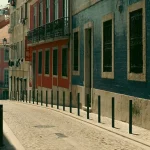
📷 Featured image by Joana Inácio on Unsplash.