💰 Click here to see Portugal Budget Breakdown
💰 Prices updated: September, 2026. Budget figures are estimates — always verify before travel.
Exchange Rate: $1 USD = €0.88
Daily Budget (per person)
Shoestring: €40.00 – €70.00 ($45.45 – $79.55)
Mid-range: €150.00 – €300.00 ($170.45 – $340.91)
Comfortable: €400.00 – €1,000.00 ($454.55 – $1,136.36)
Accommodation (per night)
Hostel/guesthouse: €15.00 – €50.00 ($17.05 – $56.82)
Mid-range hotel: €70.00 – €150.00 ($79.55 – $170.45)
Food (per meal)
Budget meal: €10.00 ($11.36)
Mid-range meal: €25.00 ($28.41)
Upscale meal: €60.00 ($68.18)
Transport
Single metro/bus trip: €1.90 ($2.16)
Monthly transport pass: €40.00 ($45.45)
What Makes Setúbal Worth Your Time
Most visitors to the Arrábida coast zoom straight past Setúbal on their way to the beaches, treating the city as a roundabout rather than a destination. That’s a mistake — and in 2026, with Arrábida’s beach access rules tighter than ever and tourist numbers still high across the Algarve, Setúbal has become a genuinely smart base for exploring one of mainland Portugal’s most dramatic coastlines. It’s a working port city of around 120,000 people, unpretentious and lived-in, with a fish market that opens before dawn, a historic centre that rewards slow walking, and direct access to protected nature that much of Portugal simply can’t match. There are no curated instagrammable squares here. What you get instead is a city that functions for its residents first — and that’s exactly what makes it interesting.
Arrábida Natural Park: What to Expect on the Ground
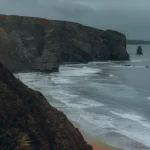
The Serra da Arrábida is a limestone ridge that runs roughly 35 kilometres along the Setúbal Peninsula, dropping sharply into the Atlantic. The colours here are genuinely arresting — deep green Mediterranean scrubland against white and ochre cliffs, then that famously transparent turquoise water below. In 2026, the park’s access restrictions that were first introduced in 2021 remain firmly in place and have been expanded. Private vehicles are prohibited on the coastal road (Estrada de Arrábida) between June and September, and a strict daily visitor cap applies to the main beaches.
What this means practically: you cannot simply drive to Praia de Galapinhos on a July afternoon. You book in advance through the official Setúbal municipality shuttle system, or you go in the shoulder season when access is far more relaxed. The upside is that the park genuinely feels wild when you’re there. The Convento da Arrábida, a 16th-century monastery perched halfway up the cliffs with views that stop conversation, is open for guided visits most mornings. The smell of rosemary and cistus drifts across the paths in spring. Walking the ridgeline trails in the early morning — before the shuttle buses start — gives you the Serra almost entirely to yourself.
Dolphin Watching in the Sado Estuary
The Sado Estuary is home to one of only two resident bottlenose dolphin populations in Portugal — the other is off the Algarve coast. This isn’t a seasonal migration. These roughly 30 dolphins live here permanently, feeding among the sandbanks and channels year-round. That makes Setúbal one of the most reliable places in the country to see wild dolphins without heading far offshore.
Several operators run certified tours from Setúbal’s marina, typically lasting two to three hours. The boats move through the estuary rather than the open sea, so conditions are generally calm — useful if anyone in your group is prone to seasickness. You’re likely to see dolphins within the first 30 minutes of most trips; encounter rates in 2026 remain above 90% according to operator data, though sightings are never guaranteed. Guides on reputable tours are marine biologists or trained naturalists who identify individual dolphins by their dorsal fins and explain the population’s history.
Beyond dolphins, the estuary supports flamingos, ospreys, and significant numbers of wading birds, so bring binoculars regardless of your primary interest. Choose operators with BSPB (Bottlenose Dolphin Monitoring Program) partnership certification — it signals both ecological responsibility and higher quality guidance. Vertigem Azul and Mil Andanças are two long-established operators with strong reputations as of 2026.
The Best Beaches Near Setúbal
The beaches along the Arrábida coast are genuinely among the best in mainland Portugal — the combination of limestone cliff shelter, fine pale sand, and cold-clear Atlantic water is hard to match anywhere on the mainland.
- Praia de Galapinhos — Repeatedly rated Portugal’s best beach, it’s small, sheltered, and vehicle-free. Requires shuttle booking in summer. No facilities, bring everything.
- Praia de Portinho da Arrábida — Slightly larger, with a small seasonal café and good snorkelling. Still requires shuttle access in peak season but has more space.
- Praia de Albarquel — Accessible directly from Setúbal on foot or by local bus, making it the easiest option without any booking. Less dramatic scenery but perfectly pleasant for a spontaneous afternoon swim.
- Praia de Galapos — A short walk from Portinho, popular with snorkellers because of its rock formations. Less crowded than its neighbour.
If you’re staying in Setúbal, Albarquel is your low-effort option. If you’re willing to plan ahead, Galapinhos repays the effort significantly.
Where to Eat in Setúbal
Setúbal has a serious food identity built around one thing: choco frito. Fried cuttlefish, battered and crisp on the outside, tender within, served with lemon and bread. Every restaurant in the city has a version and locals will tell you, with complete conviction, that theirs is definitive. The Mercado do Livramento, the city’s main market building — a beautiful azulejo-tiled hall near the waterfront — is the place to buy fresh fish and produce in the mornings.
For choco frito specifically, Restaurante O Beco on Rua António Maria Egas has been reliable for years and draws a local crowd even at lunch. Casa Santiago is frequently cited as the standard-bearer and fills up fast. Portions at both are generous and prices are honest.
Beyond cuttlefish, look for caldeirada de peixe — a layered fish stew with potato and tomato that varies by whatever came off the boats that morning. For a longer evening meal, the restaurants along Avenida Luísa Todi tend toward a slightly more polished dining room format while keeping the menus firmly local. A full meal with wine at a mid-range Setúbal restaurant runs €18–26 per person.
Day Trip or Overnight?
Setúbal is 50 kilometres from Lisbon, which makes it easy to dismiss as a day trip. And a day trip does work — you can catch an early train, visit the park or take a dolphin tour, eat choco frito for lunch, and be back in Lisbon by early evening. If your Portugal itinerary is tight and Arrábida is one item on a longer list, that’s a legitimate approach.
But an overnight stay changes the experience meaningfully. The dolphin tours run best in the morning when the light is low and flat on the water. The Arrábida trails are best before 9am before the shuttle crowds arrive. You can’t do both in a single day trip from Lisbon without feeling rushed. Staying one night — or two if you want a serious beach day plus the estuary — lets the place breathe. Evening in Setúbal is unhurried; locals are out walking the avenida well after 9pm in summer, the fish restaurants are busy, and there’s none of the tourist fatigue that settles over Lisbon’s neighbourhoods by midsummer.
Verdict: day trip if you’re tight on time and focused on one activity. Overnight if you want Arrábida plus dolphin watching plus actual rest.
Getting to Setúbal and Getting Around
From Lisbon’s Oriente or Roma-Areeiro stations, Comboios de Portugal (CP) runs direct trains to Setúbal on the Linha de Setúbal. The journey takes approximately one hour and trains run regularly throughout the day. A second-class single ticket costs around €3.55 in 2026 — this is one of the best-value rail connections in the country. The train station in Setúbal is central and walkable to the old town and marina.
By car, the A2 and A12 motorways connect Lisbon to Setúbal in under 45 minutes outside of rush hour. Parking in the city centre is manageable by Portuguese urban standards.
Getting around the Arrábida Park without a car requires planning. The municipal shuttle buses run from Setúbal city centre to the coastal zone from June through September — these are the same shuttles that cover beach access. Outside those months, a car gives you significantly more flexibility for reaching trailheads and the Convento. Cycling is possible on some routes but the terrain on the Serra is steep; it suits experienced riders only.
For the dolphin tours, all operators depart from the Setúbal marina, which is a flat 15-minute walk from the train station.
2026 Budget Reality
- Budget (hostel or guesthouse, self-catering, shuttle beaches, one dolphin tour): €60–80 per person per day
- Mid-range (3-star hotel, two sit-down meals, dolphin tour, park shuttle): €110–150 per person per day
- Comfortable (4-star hotel, full-service dining, private dolphin charter, car hire): €200–280 per person per day
Dolphin watching tours typically cost €35–50 per adult for a standard group trip (2–3 hours). Private or small-group charters run €120–180 per person. The Arrábida beach shuttle tickets are €3–5 per person return. Entry to the park itself is free. The Convento da Arrábida guided visit costs approximately €5.
Accommodation in Setúbal in 2026 ranges from around €45–65 per night for a decent guesthouse double to €120–170 for a mid-range hotel. Prices are notably lower than equivalent stays in Lisbon or Cascais.
Frequently Asked Questions
Can you visit Arrábida Natural Park without a car?
Yes. From June to September, the municipal shuttle service runs from Setúbal centre to the main coastal beaches and requires advance booking online. Outside peak season, local buses reach some park areas but are limited. Guided tours from Setúbal that include transport are a practical alternative for visitors without a vehicle.
Is dolphin watching in Setúbal suitable for children?
Generally yes. The Sado Estuary tours operate in sheltered, calm water rather than open sea, which reduces motion sickness risk significantly. Most operators accept children aged 4 and above. Tours last two to three hours, which is manageable for most kids. Sightings are frequent enough that children rarely leave disappointed.
When is the best time to visit Setúbal and Arrábida?
May, June, and September offer the best balance: warm enough for swimming, far fewer visitors than July and August, and no need to navigate the peak-season shuttle restrictions. The water temperature in September remains around 20°C. Dolphin watching operates year-round with consistent encounter rates regardless of season.
How far is Setúbal from Lisbon and how long does the train take?
Setúbal is approximately 50 kilometres south of Lisbon. The direct CP train from Lisbon’s Oriente or Roma-Areeiro stations takes around one hour and runs multiple times daily. It’s one of the cheapest and most straightforward rail day trips from the capital, with a single ticket costing roughly €3.55 in 2026.
Are the Arrábida beaches worth the booking effort in summer?
For Praia de Galapinhos specifically, yes — it’s consistently ranked among mainland Portugal’s finest beaches and the restricted access actually keeps it from becoming overcrowded. If forward planning isn’t your style, Praia de Albarquel near Setúbal requires no booking and is perfectly enjoyable, though it lacks the dramatic cliff scenery of the protected zone.
📷 Featured image by Bruno Soares on Unsplash.