On this page
- Why Visitors Keep Getting Portugal’s Pace Wrong in 2026
- What “Slow Travel” Actually Means in a Portuguese Context
- The Rhythm of the Portuguese Day
- Café Counter Culture: Standing, Sipping, and Not Rushing
- Greetings, Conversation, and the Art of Not Getting Straight to the Point
- Fado, Saudade, and Why Melancholy Is a Feature, Not a Bug
- Sunday as Sacred Time: Family, Rest, and Closed Shops
- 2026 Budget Reality: What Slow Travel Costs in Portugal
- Frequently Asked Questions
Why Visitors Keep Getting Portugal’s Pace Wrong in 2026
Portugal is the fastest-growing slow-travel destination in southern Europe right now — and that’s creating a strange tension. More travellers arrive each year specifically to “unwind and live like a local,” then spend their first three days frustrated because the restaurant isn’t open yet, the café waiter isn’t rushing over, and the town seems to have collectively disappeared between 2pm and 4pm. The problem isn’t Portugal. The problem is arriving with a northern European or North American tempo and expecting the country to adjust. It won’t. Learning to match the local rhythm isn’t just good manners — it’s the entire point of coming here.
What “Slow Travel” Actually Means in a Portuguese Context
Slow travel as a trend talks about staying longer, moving less, and connecting more. In Portugal, this isn’t a trend. It’s just how life works. The Portuguese concept of devagar — literally “slowly” — runs through daily life in a way that isn’t performative or philosophical. It’s structural. Businesses close when the owner decides to close. Lunch takes as long as it takes. A conversation with a neighbour at the door is not an interruption; it’s the point of the afternoon.
Visitors who treat this as charming quirkiness will enjoy Portugal. Visitors who treat it as inefficiency will be miserable. The cultural shift required is real: you are not managing your time here; you are surrendering some of it, and trusting that the return is worth it. Almost universally, it is.
In practical terms, slow travel in Portugal means building your days around the country’s natural schedule rather than your own, eating when Portuguese people eat, sitting where they sit, and resisting the urge to fill every hour with a sight or an activity. Boredom, approached honestly, often turns into the best afternoon you have.
The Rhythm of the Portuguese Day
The Portuguese day has a distinct architecture. Understanding it prevents irritation and opens doors that stay invisible to people moving at the wrong speed.
- Morning (7:00–10:00): Café counters are busy. Workers stop for a bica (espresso) and a torrada (thick buttered toast) before work. This is a functional, brief ritual — five to ten minutes standing at the counter. The city is already awake and purposeful.
- Midday (12:30–14:30): Lunch is the main meal of the day. Restaurants fill with locals ordering a full prato do dia (dish of the day), often two courses with wine, at speeds that might surprise you. Many small shops close entirely during this window.
- Afternoon (15:00–18:00): The pace drops noticeably, particularly outside Lisbon and Porto. This is not an official siesta culture the way Spain is sometimes described, but the heat in summer and the cultural value of rest mean that the street-level energy genuinely quiets.
- Evening (19:00–21:00): Life reactivates. People walk, meet friends at the café, have a beer on a esplanada (outdoor terrace). This is a social hour, not a pre-dinner rush.
- Dinner (20:00–22:30): Dinner begins late by northern European standards. Arriving at a restaurant at 19:00 marks you immediately as a tourist. Locals eat at 20:30 or later, and the meal is unhurried — bread, appetisers, main course, dessert or cheese, a coffee. Two hours is normal. Two and a half is not unusual.

Café Counter Culture: Standing, Sipping, and Not Rushing
The Portuguese café is not a place to open a laptop and work for three hours. It’s a transit point — somewhere to punctuate the day, not to camp in. Understanding this distinction matters, because how you use a café signals a lot about whether you’re participating in local life or just observing it from a distance.
Standing at the counter costs less than sitting at a table. A bica at the counter typically costs €0.80–€1.00. The same coffee at an outdoor table can cost €1.50–€2.00. This price difference exists everywhere and is openly accepted. Counter coffee is for the quick stop; table coffee is for the leisure of sitting.
Order simply. Uma bica, por favor (an espresso, please) or um galão (a tall milky coffee in a glass) is enough to start. Don’t overthink it. The barista is not building a relationship with your order; they’re efficient, friendly, and moving on to the next person. What makes the café feel warm is not the transaction — it’s the cumulative familiarity of returning to the same place, day after day, until the barista nods at you before you speak. That takes time. It is also, for many visitors, the most satisfying thing that happens on a long trip.
The smell of warm pastry behind the glass counter — a buttery pastel de nata still slightly warm from the oven, its caramelised custard top catching the light — is not incidental to this experience. It’s the whole sensory signature of a Portuguese morning.

Greetings, Conversation, and the Art of Not Getting Straight to the Point
Portuguese social interaction has a warm indirectness that can initially confuse visitors from cultures that value efficiency in conversation. Walking into a shop, a bom dia (good morning) before anything else is not optional — it’s the entry ticket to a pleasant exchange. Skipping it to ask your question immediately reads as rude, even if no one says so.
Among friends, greetings involve two cheek kisses (women with women, women with men in social settings) or a handshake (men with men in formal or first-meeting contexts). Don’t initiate the cheek kiss if you’re unsure — follow the other person’s lead. In 2026, post-pandemic habits have mostly reverted to pre-2020 norms in social settings, though some older people still prefer a slight distance with strangers.
Conversations in Portugal meander. A discussion about where to buy good cheese can become a twenty-minute story about a cousin’s village in the Alentejo, which becomes a recommendation for a viewpoint you weren’t planning to visit, which becomes the best thing you did in Portugal. The Portuguese are not inefficient conversationalists — they’re generous ones. Match that generosity. Ask questions back. Show that you’re actually there, not just harvesting information.
Fado, Saudade, and Why Melancholy Is a Feature, Not a Bug
No honest guide to Portuguese culture skips saudade, even though the word gets over-explained to the point of cliché. So here’s the short version: saudade is a longing for something loved and lost, or sometimes for something that may never have existed at all. It’s not despair — it has a sweetness to it. The Portuguese live comfortably alongside sadness in a way that many northern cultures do not.
This shows up most clearly in fado — the traditional music of Lisbon (and a separate but related tradition in Coimbra). A fado performance in a small house is not background music. The room goes quiet. The fadista (singer) closes their eyes. The sound of the Portuguese guitar — twelve strings, pear-shaped, unlike anything else — fills the space with something that vibrates between grief and beauty. You don’t need to understand the lyrics to feel it. The silence that follows a good fado is communal; everyone in the room just experienced something together.

For the slow traveller, saudade is actually useful framing. It makes you more comfortable with not doing everything, with missing things, with the bittersweetness of a place you know you’ll eventually leave. Portugal, perhaps intentionally, is a country that teaches you to love things you can’t hold onto.
Sunday as Sacred Time: Family, Rest, and Closed Shops
In Portugal, Sunday still functions as a genuine day of rest in a way that has largely disappeared from many European countries. Outside of Lisbon, Porto, and tourist-heavy areas, many small shops, local restaurants, and services are closed or operating reduced hours on Sundays. This is not a planning failure — it’s a cultural boundary that has held.
Sunday in a Portuguese town or village is for family lunch, which can run from 13:00 well into late afternoon. Extended families gather — grandparents, children, cousins — around a long table with caldo verde (the earthy, silky kale soup that smells of smoky chouriço), a roast, and probably wine someone’s uncle made. The sound from inside these homes on a Sunday afternoon — voices overlapping, cutlery, occasional laughter — is as authentic a travel experience as any organised excursion.
As a visitor, the practical implication is simple: plan your Sunday differently. Stock up on food Saturday evening. Don’t expect museums to be open in smaller towns. Walk instead. Notice that the streets are quieter, that people move slower, that the whole country seems to have agreed to exhale. That exhale is available to you too, if you let it be.
2026 Budget Reality: What Slow Travel Costs in Portugal
Slow travel in Portugal is genuinely accessible across a range of budgets, though prices in Lisbon and the Algarve have risen sharply since 2024. Here’s what to realistically expect in 2026:
Budget (under €60/day per person)
- Accommodation in a hostel private room or budget guesthouse: €30–€45/night
- Counter coffee and pastelaria breakfast: €2–€3
- Prato do dia lunch (two courses with water or wine): €9–€14
- Simple dinner at a local tasca: €12–€18
- Regional bus or train travel: €4–€12 per journey
Mid-range (€80–€130/day per person)
- Three-star hotel or well-reviewed guesthouse: €70–€110/night
- Table coffee and sit-down breakfast: €5–€8
- Relaxed lunch with wine and dessert: €20–€30
- Dinner at a proper restaurant: €25–€45
- Occasional train travel or car hire day: €15–€45
Comfortable (€150+/day per person)
- Boutique hotel or quinta (country estate): €130–€250/night
- Full café breakfast with pastries and juice: €10–€15
- Long weekend lunches with regional wine: €40–€60
- Fado house dinner (includes show, meal, and wine): €45–€75

One genuine 2026 shift: the CP train network has expanded and improved pricing on its green-ticket advance fares, making intercity slow travel by rail more affordable than it was two years ago. The Lisbon–Porto Alfa Pendular with a seven-day advance booking can be under €25 in early 2026. Budget slow travellers willing to be flexible with timing will find the train is now the smart option over car hire for most itineraries that aren’t Alentejo or the deep north.
Frequently Asked Questions
What time do Portuguese people actually eat dinner?
Most Portuguese households eat dinner between 20:00 and 22:00. Restaurants begin filling properly around 20:30. Arriving before 20:00 in a local restaurant is fine, but you’ll likely be eating alone in an empty room. In tourist areas, kitchens open earlier, but the food and atmosphere are usually better later in the evening.
Is it rude to sit at a café table for a long time?
Not rude, but culturally visible. Tables in Portuguese cafés are meant for lingering conversations or a full meal, not extended solo working sessions. If you’re nursing one coffee for two hours during a busy period, you’ll likely be ignored rather than asked to leave — but you’re occupying space that regular customers use. Mornings before 10:00 are a better time for a long sit.
What is saudade and do I need to understand it to enjoy Portugal?
Saudade is a deep, bittersweet longing — for the past, for absent people, for things that may never come back. You don’t need to intellectually understand it to feel its presence in fado music, in how people talk about their hometowns, or in the way a conversation about something simple can turn unexpectedly wistful. It adds emotional texture to the country rather than requiring explanation.
How has slow travel in Portugal changed since 2024?
Prices have risen in major cities and coastal tourist zones, pushing genuine budget slow travel toward the interior — the Alentejo, Trás-os-Montes, and the Beiras. The 2026 CP train improvements make rail travel more practical. Many smaller towns remain very affordable and less crowded, and the cultural experience of slow travel is actually richer away from the busiest tourist corridors.
What are the biggest mistakes visitors make when trying to “live like a local” in Portugal?
Arriving too early to restaurants, skipping the morning bom dia in shops, treating the café as a workspace, and trying to pack too much into each day. Slow travel in Portugal works best when you plan less, repeat the same café two or three mornings in a row, walk without a destination occasionally, and accept that some afternoons will simply disappear — and that this is the whole point.
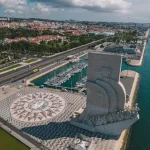
📷 Featured image by Sergio Rodriguez - Portugues del Olmo on Unsplash.