On this page
- Porto at Night: What’s Changed and What to Expect in 2026
- Where Porto’s Nightlife Actually Lives
- The Wine Bar Scene: Port, Natural Wine and Beyond
- Craft Beer and Gin Bars Worth Staying Up For
- Live Music Venues: Fado, Jazz and Indie Nights
- Porto’s Club Scene: Where to Dance Until 6am
- Rooftop and View Bars for Sundowners and Pre-Night Drinks
- The Late-Night Eating Circuit
- 2026 Budget Reality: What a Night Out in Porto Actually Costs
- Getting Around at Night: Taxis, Uber and the Night Bus Reality
- Frequently Asked Questions
💰 Click here to see Portugal Budget Breakdown
💰 Prices updated: August, 2026. Budget figures are estimates — always verify before travel.
Exchange Rate: $1 USD = €0.86
Daily Budget (per person)
Shoestring: €40.00 – €90.00 ($46.51 – $104.65)
Mid-range: €130.00 – €200.00 ($151.16 – $232.56)
Comfortable: €250.00 – €500.00 ($290.70 – $581.40)
Accommodation (per night)
Hostel/guesthouse: €15.00 – €45.00 ($17.44 – $52.33)
Mid-range hotel: €100.00 – €190.00 ($116.28 – $220.93)
Food (per meal)
Budget meal: €10.00 ($11.63)
Mid-range meal: €35.00 ($40.70)
Upscale meal: €100.00 ($116.28)
Transport
Single metro/bus trip: €2.00 ($2.33)
Monthly transport pass: €40.00 ($46.51)
Porto at Night: What’s Changed and What to Expect in 2026
Porto‘s nightlife reputation has exploded since 2022, and the city is now dealing with the consequences. Rua Galeria de Paris — once the undisputed king of the bar crawl — has become genuinely overcrowded on Friday and Saturday nights, with venues turning away queues of 50 people by 11pm. If you show up to Porto in 2026 without a plan, you will spend your night shuffling between full bars and wondering what all the fuss is about. The good news: the city has spread outward. New neighbourhoods have matured, new venues have opened in formerly quiet corners, and locals have largely migrated away from the tourist-heavy strips. This guide tells you exactly where they went.
Where Porto’s Nightlife Actually Lives
Porto’s night scene is not one neighbourhood — it’s a loose constellation of distinct zones, each with its own energy and crowd. Understanding the geography is the first step to a good night.
Bonfim and Campanhã have become the most exciting areas in 2026. The stretch around Rua de Antero de Quental and the streets feeding into Praça da Batalha now holds a dense cluster of bars, small clubs, and late-night spots that attract a mostly local, 25-to-35 crowd. Since the CP train network improved connections to Campanhã station in late 2025, this eastern corridor became easier to reach and prices stayed lower than the centre.
Baixa and Aliados remain the tourist-facing hub. Rua Galeria de Paris, Rua Cândido dos Reis, and the surrounding alleys are packed, lively, and fine for a first night when you want easy access to everything. Just don’t expect a quiet corner after 10pm on weekends.
Foz do Douro is the neighbourhood for a slower, more expensive evening. The bars along Avenida do Brasil and near Praça Guilherme Gomes Fernandes pull a well-heeled crowd and stay open until 2am. Less dancing, more conversation over quality cocktails.
Massarelos and Miragaia sit along the riverbank west of the Ribeira and have quietly built a strong small-bar culture — intimate, unhurried, and rarely mentioned in mainstream guides.
The Wine Bar Scene: Port, Natural Wine and Beyond
Porto is one of the best cities in the world to drink wine seriously, and the bar scene reflects that. The wine bar format — small, intimate, knowledgeable staff, a list that rewards curiosity — is stronger here than anywhere else in Portugal outside Lisbon’s Mouraria district.
Portologia, on Rua de São João near the waterfront, remains the benchmark for Port wine education done without stuffiness. The list runs deep into aged tawnies and single-harvest colheitas, and the staff pour measured tastes before you commit to a glass. A glass of 20-year-old tawny costs around €7–€9 and it is worth every cent. The cellar smell drifting up from the wooden racks and the amber light caught in a freshly poured Ramos Pinto Quinta da Ervamoira — this is what you came to Porto for.
Era Uma Vez no Porto in Bonfim specialises in natural and low-intervention wines from the Douro and Minho, with a tight rotating list that changes monthly. The owners know every producer personally, which means the conversation is as good as the wine.
Wines on Foot near Rua de Passos Manuel is the city’s best spot for a structured tasting flight. They offer three- and five-wine flights from €12–€18 that cover regional varieties most tourists have never encountered — think Rabigato from the Douro white, or Alvarelhão from Trás-os-Montes.

Avoid the Port wine cellars across the river in Vila Nova de Gaia for nightlife purposes — they close early and are built for daytime tourists, not evening drinking.
Craft Beer and Gin Bars Worth Staying Up For
Portugal’s craft beer scene grew fast between 2020 and 2024, and Porto now has enough dedicated tap houses to fill a long weekend on its own.
Catraio in the Bonfim neighbourhood was one of the first serious craft beer bars in Porto and still packs the most interesting fridge selection in the city — around 200 bottled references including Portuguese labels like Letra, Mean Sardine, and Dois Corvos alongside Belgian and Scandinavian imports. A 330ml craft pour runs €3.50–€5.50.
O Meu Mercedes é Maior que o Teu (the name is a local in-joke) operates near Rua da Boavista and pulls a neighbourhood crowd that has no interest in being a tourist destination. Eight rotating taps, no food menu beyond crisps and nuts, long wooden tables, and a sound system set just loud enough to require you to lean in when talking. Exactly right.
For gin, Gin Lovers Porto near Praça Carlos Alberto maintains the most exhaustive Portuguese gin list in the city — more than 60 labels, including micro-distillery releases from the Alentejo and Azores that you will not find anywhere else. The gin and tonic here comes in a wide-mouth glass over hand-cut ice with botanicals matched to the spirit, not a generic slice of lemon. Budget €8–€12 for a properly made G&T.
Live Music Venues: Fado, Jazz and Indie Nights
Porto’s fado tradition differs sharply from Lisbon’s. Porto fado — fado de Coimbra and the rougher, more working-class fado portuense — is rawer, often accompanied by the viola baixo rather than the classical Portuguese guitar, and performed in spaces that feel genuinely local rather than choreographed for visitors.

Casa da Guitarra near the Cathedral offers curated fado evenings from Thursday to Saturday. These are not cheap — expect €25–€35 including a drink — but the performers are serious artists, not hotel-lobby entertainment. The stone vaulting of the room and the close seating mean the music reaches you physically, the reverb of a low guitar note settling into the walls.
Maus Hábitos, on the fourth floor of a building on Rua de Passos Manuel, has been Porto’s most consistently interesting live music venue for two decades. The programming spans jazz, experimental electronics, indie rock, and occasional spoken word. Most shows cost €5–€15, and the bar outside the performance space stays open even during sets. It also serves food until late, which makes it a reliable anchor point for an evening.
Hot Five Jazz and Blues Club on Largo Actor Dias has been booking quality acts since the 1980s. Thursday through Saturday, live jazz starts around 10:30pm. The interior is cramped and warm, the crowd a pleasant mix of older Porto residents and travellers who bothered to look beyond the mainstream listings.
For indie and electronic live acts, Plano B near Rua Cândido dos Reis operates across three floors with different sonic policies per level. The basement room books the most interesting electronic acts and stays open until 6am on weekends.
Porto’s Club Scene: Where to Dance Until 6am
Porto is not Ibiza and does not pretend to be. The club culture here is more intimate — rooms that hold 200 to 600 people rather than multi-stage megaclubs — and the music policy tends toward techno, house, and Portuguese electronic music rather than commercial EDM.

Plano B (mentioned above in the live music section) deserves its own entry in the club context. The basement floor runs a serious techno and house programme, with international DJs booked for weekend residencies. Entry is €8–€15 depending on the night, and the sound system was upgraded significantly in early 2026 — the low-end now carries through the floor in a way that rewards staying until 4am.
Tendinha dos Clérigos, a small venue in the shadow of the Clérigos Tower, plays more eclectic sets — funk, disco, Afrobeats, and Brazilian baile funk. Entry is usually free or €5, and it fills quickly on Fridays because the locals know it and the tourists largely don’t find it.
Industria Club near Boavista is Porto’s closest equivalent to a proper big-room club. Capacity around 800, international DJ bookings, and a sound and lighting rig built for serious dancing. This is where the city goes when a genuine headliner comes to town. Tickets run €15–€30 and sell in advance through Resident Advisor or the venue’s own site.
Pitch Club in the Bonfim area opened in late 2024 and quickly established itself as the go-to for deep house and minimal techno. The interior design strips everything back to exposed concrete and minimal lighting — no Instagram backdrop here, which seems to be a deliberate choice and works in its favour.
Rooftop and View Bars for Sundowners and Pre-Night Drinks
Porto’s topography — all hills and river bends — makes it an outstanding city for elevated drinking. The rooftop bar scene has matured since 2023, with fewer Instagram-trap operations and more genuinely good cocktail menus attached to the views.
WOW Porto’s Sky Bar in Vila Nova de Gaia is, strictly speaking, across the river, but its terrace faces directly north over the Dom Luís I Bridge and the Porto skyline and the view justifies the taxi fare. Open until midnight most nights. Cocktails run €12–€16.

Espaço Porto Cruz, also in Gaia, operates a rooftop lounge with a Port wine focus. The panorama at golden hour — the last sunlight catching the white facades of the Ribeira buildings across the water and the green of the hillside above Bonfim — is one of the finest views in the city.
Hotel Torel Palace’s Terrace Bar in the Bonfim district sits high enough to see the river bend and the bridges. Non-hotel guests are welcome until the bar fills. Arrive by 7:30pm in summer to secure a terrace table; by 8pm it is standing room only.
The Late-Night Eating Circuit
A Porto night out and a Porto food night are not separate events — the city integrates the two naturally, and knowing where to eat at 1am or 3am separates a good night from a great one.
Francesinha after midnight: The classic Porto sandwich — thick bread, ham, linguiça sausage, beef, topped with melted cheese and a spiced beer-and-tomato sauce — is the canonical late-night meal. Lado B near Bonfim and Francesinha Café on Rua do Bonjardim both serve until 2am or later on weekends. A full francesinha with fries costs €12–€16.
Pastéis de Bacalhau: Several cervejarias (beer halls) in the Baixa stay open past midnight and serve hot salt cod fritters at the counter — crispy exterior, the interior yielding and savoury, best eaten standing with a cold imperial (draft beer, €2–€2.50).
Bifanas: The pork steak sandwich, served in a soft roll soaked with the cooking juices and sharp with mustard and piri piri, is Porto’s answer to fast food and it costs €3–€5 at the late-night snack bars near Aliados. Unpretentious and exactly what you need at 2am.

The Mercado do Bolhão night market, which launched its late-night Friday programme in spring 2026, now runs food stalls until 1am on Fridays, making it a legitimate mid-evening destination to eat before continuing the night.
2026 Budget Reality: What a Night Out in Porto Actually Costs
Porto remains meaningfully cheaper than Lisbon for nightlife, and considerably cheaper than most northern European cities. That said, prices have risen 15–20% since 2023, and the tourist-facing venues in Baixa now charge Lisbon-level prices.
- Budget night (€25–€40 per person): Stick to neighbourhood bars in Bonfim. A craft beer at Catraio, two imperial beers at a local tasca, entry to Tendinha dos Clérigos, and a bifana at 2am. Transport by night bus.
- Mid-range night (€50–€80 per person): A wine flight at Wines on Foot, cocktails at a cocktail bar in Aliados, entry to Plano B or Pitch Club, a francesinha supper, Uber home.
- Comfortable night (€90–€130 per person): Rooftop sundowners at Torel Palace, fado at Casa da Guitarra (ticket included), post-show Port wine at Portologia, late-night dinner at a restaurant that stays open until midnight, taxi home.
Specific current prices to anchor expectations:
- Imperial (draft beer, 200ml): €2.00–€2.80 in local bars, €3.50–€4.50 in tourist-facing venues
- Glass of vinho verde: €2.50–€4.00
- Cocktail: €8–€14
- Club entry: €5–€20 depending on event
- Ginjinha shot: €1.50–€2.00
Getting Around at Night: Taxis, Uber and the Night Bus Reality
Porto’s public transport largely stops between midnight and 6am, with a few exceptions. The night bus network (Linha de Madrugada) runs on a reduced schedule from around 12:30am to 5am on weekends, covering major corridors but not the smaller residential streets. The ANDANTE card works on night buses — a single journey costs €1.85.
Uber and Bolt are both active in Porto and reliably available until around 3am. After 3am on Fridays and Saturdays, surge pricing kicks in and waits stretch to 15–20 minutes as drivers concentrate near the Aliados and Clérigos areas. Budget €6–€12 for most cross-city trips before surge; €12–€20 after.

Traditional taxis (identifiable by their cream colour) queue at ranks near Praça da Batalha and São Bento station overnight. They are metered and do not surge. For a 3am trip across town when the apps are showing 25 minutes and 2.5x pricing, the taxi rank is the smarter call.
The Metro runs until around 1am Sunday through Thursday and until approximately 2am on Fridays and Saturdays. The new Rubi line extension, which opened in phases through 2025, now connects Campanhã to the airport more directly — useful if you’re flying early after a late night. Check the Metro do Porto website for the current timetable, as the schedule was updated in January 2026.
Walking between nightlife zones is often the best option for the 11pm-to-midnight window. Bonfim to Aliados is a 20-minute walk downhill. Aliados to the Ribeira is 15 minutes. The city is compact enough that you rarely need transport until you’re heading home.
Frequently Asked Questions
What time do bars and clubs actually open and close in Porto?
Most bars open around 7–9pm but don’t fill until 10:30–11pm. Clubs typically open at midnight and run until 6am on weekends. Fado houses and live music venues usually programme their shows to start between 9:30pm and 10:30pm. Weekday nights run considerably quieter, with most bars closing by 2am.
Is Porto nightlife safe for solo travellers and tourists?
Generally yes. Porto has a low violent crime rate and the main nightlife areas are well-lit and busy until late. Petty theft — phone snatching, pickpocketing in crowded bars — happens in the Baixa tourist strip. Keep your phone in a front pocket, be aware in very crowded narrow streets, and the risk drops sharply. Solo women report feeling safe in the main areas in 2026.

Which neighbourhood is best for a first night out in Porto?
Aliados and the streets around Rua Galeria de Paris give you the easiest introduction — high density of bars, easy navigation, and minimal effort required. For a second night, move to Bonfim for a more authentic local atmosphere. First-timers usually enjoy the Baixa strip; returning visitors almost always migrate east toward Bonfim and Campanhã.
Do Porto clubs and bars have a dress code?
Most Porto venues have no formal dress code. Upscale clubs like Industria Club operate a door policy based on general appearance and behaviour rather than specific attire rules — smart casual is fine. Trainers are accepted almost everywhere. Avoid arriving in large single-gender groups after midnight, as some venues limit entry for these groups during peak hours.
Is it worth visiting Porto for nightlife compared to Lisbon?
Porto is cheaper, less crowded, and has a more local feel than Lisbon’s increasingly tourist-saturated night scene. Lisbon wins on sheer scale and variety. Porto wins on authenticity and value. For wine bars, fado portuense, and craft beer in neighbourhood settings without tourist-to-local ratios tipping in the wrong direction, Porto is the better call in 2026.
Explore more
The Best Restaurants in Porto: Your Ultimate Guide to Traditional Food, Seafood & Francesinha
The 10 Best Day Trips from Porto You Can’t Miss
Best Areas to Stay in Porto: A Neighborhood Guide for Every Type of Traveler
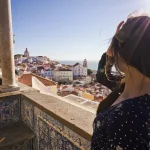
📷 Featured image by Seongyong Im on Unsplash.