On this page
- Essential Coastal Escapes: Sintra, Cascais & Estoril
- Hidden Medieval Towns: Óbidos, Monsaraz & Marvão
- Historic Monasteries & Religious Sites Worth the Journey
- Beach Towns Beyond the Obvious: From Setúbal to Nazaré
- Wine Country Adventures: Douro Valley & Peninsula de Setúbal
- Adventure & Nature: Arrábida Natural Park & Berlengas Islands
- Day Trip Logistics: Transport, Timing & Money-Saving Tips
- 2026 Budget Breakdown: What Each Trip Actually Costs
- Frequently Asked Questions
💰 Click here to see Portugal Budget Breakdown
💰 Prices updated: August, 2026. Budget figures are estimates — always verify before travel.
Exchange Rate: $1 USD = €0.86
Daily Budget (per person)
Shoestring: €40.00 – €90.00 ($46.51 – $104.65)
Mid-range: €130.00 – €200.00 ($151.16 – $232.56)
Comfortable: €250.00 – €500.00 ($290.70 – $581.40)
Accommodation (per night)
Hostel/guesthouse: €15.00 – €45.00 ($17.44 – $52.33)
Mid-range hotel: €100.00 – €190.00 ($116.28 – $220.93)
Food (per meal)
Budget meal: €10.00 ($11.63)
Mid-range meal: €35.00 ($40.70)
Upscale meal: €100.00 ($116.28)
Transport
Single metro/bus trip: €2.00 ($2.33)
Monthly transport pass: €40.00 ($46.51)
With Lisbon‘s new Metro Line expansion and improved regional train connections in 2026, day-tripping from Portugal’s capital has never been easier. Yet many visitors still struggle to choose between dozens of compelling destinations within striking distance. This guide cuts through the overwhelm with 15 carefully selected trips that showcase Portugal’s stunning diversity — from fairy-tale palaces to untouched beaches, medieval fortresses to world-class wineries.
Essential Coastal Escapes: Sintra, Cascais & Estoril
Start with Sintra, the crown jewel of Lisbon day trips. The 40-minute train ride from Rossio Station delivers you to a UNESCO World Heritage town where 19th-century Romantic architecture meets ancient Moorish castles. Pena Palace dominates the skyline with its candy-colored turrets and eclectic architectural mashup. The morning mist often clings to its ramparts, creating an otherworldly atmosphere that photographs beautifully.
Quinta da Regaleira offers a more intimate experience. Wander through its mystical gardens, where hidden tunnels lead to the famous Initiation Well — a spiral stone staircase descending 27 meters into darkness. The estate’s Gothic revival palace and elaborate grottos feel like stepping into a Dan Brown novel.
The Cascais-Estoril coastline provides the perfect contrast to Sintra’s mountain mystique. Cascais has evolved from a humble fishing village into a sophisticated resort town while maintaining its authentic Portuguese character. Walk the coastal path between Cascais and Estoril, where Atlantic waves crash against dramatic cliffs and elegant Belle Époque villas overlook manicured gardens.
Estoril’s famous casino inspired Ian Fleming’s first James Bond novel. Today, the town retains its air of refined glamour, with palm-lined promenades and Europe’s largest casino still drawing international visitors.
Hidden Medieval Towns: Óbidos, Monsaraz & Marvão
Óbidos enchants with its perfectly preserved medieval walls and whitewashed houses trimmed in brilliant blue and yellow. Walk the complete circuit of the town walls for panoramic views over orange tile roofs and surrounding countryside. The town’s narrow cobblestone streets harbor artisan shops selling traditional Portuguese crafts and the famous ginjinha served in edible chocolate cups.

Drive 90 minutes east to reach Monsaraz, one of Portugal’s most beautiful hilltop villages. This marble-clad town overlooks the vast Alqueva reservoir, Europe’s largest artificial lake. Sunset from Monsaraz’s walls paints the endless water surface in shades of gold and crimson. The town’s Dark Sky certification makes it exceptional for stargazing — bring binoculars for the clearest night skies you’ll see in Portugal.
Marvão, perched on a granite peak near the Spanish border, offers the most dramatic setting of any Portuguese town. Its 13th-century walls seem to grow from the living rock itself. The 2-hour drive from Lisbon rewards you with sweeping views across the Alentejo plains and Spanish Extremadura. Time your visit for early morning when mountain mist creates an ethereal atmosphere around the ancient stones.
Historic Monasteries & Religious Sites Worth the Journey
Batalha Monastery stands as Portugal’s greatest Gothic achievement. Built to commemorate the 1385 Battle of Aljubarrota, its soaring limestone facades and intricate Manueline stonework represent the pinnacle of Portuguese architectural artistry. The unfinished chapels, where construction stopped in the 16th century, create a haunting sense of interrupted ambition.
Alcobaça Monastery houses one of Europe’s most beautiful love stories in stone. The elaborate tombs of Pedro I and Inês de Castro, facing each other across the transept, tell their tragic tale through exquisite carved details. The monastery’s massive kitchen, with its enormous central chimney, could feed 999 monks daily at its medieval peak.
For a combined trip, visit both monasteries plus the stunning Nazaré coastline in one ambitious day. The 140-kilometer circuit from Lisbon showcases three distinct facets of Portuguese culture: Gothic religious architecture, Cistercian simplicity, and dramatic coastal scenery where record-breaking surfing waves reach heights of over 30 meters.

Beach Towns Beyond the Obvious: From Setúbal to Nazaré
Setúbal offers authentic Portuguese coastal life without tourist crowds. This working port city serves exceptional seafood, particularly the famous choco frito (fried cuttlefish) at riverside tascas. Take the ferry across to Tróia Peninsula for 18 kilometers of pristine Atlantic beaches backed by pine forests. The Roman ruins at Tróia add historical depth to your beach day.
Sesimbra combines fishing village charm with excellent beaches. Watch fishermen unload their catch at the harbor while pelicans wait hopefully nearby. The town’s castle offers commanding views over the coastline, while nearby Cabo Espichel provides dramatic clifftop scenery and the fascinating Sanctuary of Our Lady of the Cape.
Nazaré delivers big-wave surfing spectacle alongside traditional Portuguese culture. Visit Sítio, the upper town reached by funicular, for the best vantage point over Nazaré’s massive winter swells. Local women still wear traditional seven-petticoat skirts while selling fish in the lower town’s market. The sight of colorful fishing boats lined up on the beach creates one of Portugal’s most photogenic scenes.
Portuguese beaches can be deceptively sunny yet cool, even in summer. Atlantic water temperatures rarely exceed 20°C, making wetsuits advisable for extended swimming. Beach restaurants typically close between 3 PM and 7 PM, so plan lunch accordingly or pack provisions.
Wine Country Adventures: Douro Valley & Peninsula de Setúbal
While the Douro Valley requires an early start for a day trip from Lisbon, the spectacular terraced vineyards and river scenery justify the 3-hour drive to Peso da Régua. Book a river cruise combined with quinta visits for maximum efficiency. The landscape of steep vine-covered slopes rising from the Douro River creates some of Europe’s most dramatic wine country scenery.

For a closer wine experience, explore the Península de Setúbal’s Moscatel route. This overlooked region produces Portugal’s finest fortified Moscatel wines. Quinta da Bacalhôa offers excellent tastings in a Renaissance palace setting, while José Maria da Fonseca provides educational tours of their historic Setúbal cellars where Moscatel ages in massive oak barrels.
The Palmela wine region, centered around the hilltop castle town of Palmela, produces outstanding reds from local castelão and international grape varieties. Many quintas offer lunch pairings with panoramic views over Lisbon and the Tagus estuary on clear days.
Adventure & Nature: Arrábida Natural Park & Berlengas Islands
Arrábida Natural Park protects 35 kilometers of pristine coastline between Setúbal and Sesimbra. The park’s limestone cliffs drop directly into crystal-clear Mediterranean-blue waters that seem impossible on Portugal’s Atlantic coast. Portinho da Arrábida beach offers the most accessible swimming, while hiking trails through aromatic Mediterranean scrubland lead to hidden coves accessible only on foot.
The Berlengas Islands, 10 kilometers off Peniche, constitute one of Europe’s most pristine marine reserves. Day trips include boat transfers, snorkeling in incredibly clear waters, and exploring São João Baptista Fort, built on a tiny islet connected by a narrow bridge. The archipelago’s granite formations create natural swimming pools of startling beauty.
Berlengas trips require advance booking, especially during summer months. Weather conditions can cancel departures, so build flexibility into your itinerary. The 45-minute boat ride can be rough — take motion sickness medication if you’re susceptible.

Day Trip Logistics: Transport, Timing & Money-Saving Tips
Regional trains connect Lisbon to most coastal destinations efficiently and cheaply. The new CP Connect app launched in 2026 simplifies booking and includes real-time delays. For Sintra, Cascais, and nearby beaches, trains run every 20 minutes throughout the day.
Rental cars open up inland destinations like Óbidos, Marvão, and the monasteries. Book through local companies like Guerin or Europcar for better rates than international chains. Portuguese highways charge tolls electronically — ensure your rental includes Via Verde or budget €10-15 for tolls on longer trips.
Organized tours suit travelers without cars, especially for wine country and combination trips. Viator and GetYourGuide offer reliable English-language options, though small-group tours through local operators like Inside Lisbon provide more authentic experiences.
Summer crowds peak between July and September. Visit popular destinations like Sintra and Óbidos early morning or late afternoon for better photos and smaller crowds. Many attractions close between 12:30 PM and 2 PM for lunch — plan accordingly.
Winter offers mild weather perfect for exploring without crowds, though some attractions reduce hours between November and March. Check opening times before traveling, especially for smaller museums and castle sites.
2026 Budget Breakdown: What Each Trip Actually Costs
Budget Options (Under €25 per person):
- Cascais/Estoril: €4.50 train fare each way, free beach access, lunch from €8
- Sintra (basic): €4.15 train fare, €11 Pena Palace entrance, €8 lunch
- Setúbal: €7.50 bus fare roundtrip, €6 ferry to Tróia, lunch from €10
Mid-Range Adventures (€25-60 per person):
- Óbidos: €15 rental car fuel, €3 parking, €25 lunch with wine tasting
- Nazaré/Batalha: €35 bus tour, €8 monastery entrance, €15 seafood lunch
- Arrábida Natural Park: €20 rental car costs, €12 park entrance, €18 restaurant meal
Premium Experiences (€60-120 per person):
- Douro Valley: €85 organized tour with tastings, €25 lunch, €15 river cruise
- Berlengas Islands: €25 boat transfer, €35 snorkeling gear rental, €30 guided tour
- Private Sintra tour: €45 per person (minimum 4), includes transport and guide

Parking in historic town centers costs €1-3 per hour. Many restaurants add a €1.50-2 cover charge (couvert). Tipping 10% is standard for good service. Museum audio guides typically cost €3-5 extra.
Frequently Asked Questions
Which day trips work best without a rental car?
Sintra, Cascais, Estoril, and Setúbal connect easily by train or bus from Lisbon. Organized tours handle transportation for monasteries, wine regions, and medieval towns like Óbidos that require cars for independent visits.
How early should I start day trips from Lisbon?
Leave by 8 AM for distant destinations like Douro Valley or Marvão. Coastal trips like Cascais work well with 10 AM departures. Summer visitors should start earlier to beat crowds at popular sites like Pena Palace.
Can I visit multiple destinations in one day?
Yes, with careful planning. Combine Sintra with Cascais, or visit Batalha and Alcobaça monasteries together. The Óbidos-Nazaré-Batalha triangle works as an ambitious but rewarding full-day circuit with a rental car.
What should I pack for Portuguese day trips?
Comfortable walking shoes, sunscreen, and a light jacket for coastal wind. Bring swimwear for beach destinations, even in spring and fall when swimming is possible. A reusable water bottle saves money and reduces waste.
Do I need advance reservations for day trip attractions?
Book Berlengas boat trips and Douro Valley tours in advance, especially April through October. Sintra palaces sell timed entry tickets online to skip lines. Most other attractions accept walk-in visitors, though advance booking guarantees entry during peak season.
Explore more
The Best Neighborhoods in Lisbon: Where to Stay for Every Traveler
The Best Bars & Clubs in Lisbon: Bairro Alto, Pink Street & Rooftop Nightlife
The Ultimate Lisbon Food Guide: From Traditional Tascas to Must-Try Street Food
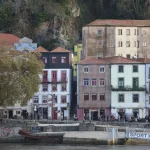
📷 Featured image by Aayush Gupta on Unsplash.