On this page
- Getting From Airport to Porto Center: Metro vs Taxi vs Uber Options
- Understanding Porto’s Metro System: Lines, Zones and Navigation
- Your Andante Card: What It Is, Where to Buy, and How Much to Load
- Walking vs Public Transport: When Each Makes Sense in Porto
- Regional Travel: CP Trains, Buses and Day Trip Logistics
- 2026 Budget Breakdown: Real Transport Costs for First-Timers
- Frequently Asked Questions
Porto‘s transport system got simpler in 2026 with unified Andante pricing across all metro lines and new express airport connections, but first-time visitors still face confusing zone maps and unclear card options. The good news? Once you understand the basics, getting around Portugal’s northern capital becomes straightforward and affordable.
Getting From Airport to Porto Center: Metro vs Taxi vs Uber Options
The violet Metro Line E connects Francisco Sá Carneiro Airport directly to Porto’s city center. The journey takes 32 minutes to Trindade station in the heart of downtown, with departures every 20 minutes from 6:00 to 1:00 daily. A single trip costs €2.00 with your Andante card.
Buy your Andante card at the airport metro station before boarding. The machines accept cash and cards, with English language options clearly marked. The metro entrance sits directly below the arrivals hall — follow signs for “Metro” and take the escalators down one level.
Taxis from the airport to central Porto cost €25-30 during the day, rising to €30-35 at night and weekends. The ride takes 25-30 minutes depending on traffic, but can stretch to 45 minutes during rush hour (8:00-9:30 and 17:30-19:00).
Uber and Bolt operate from the airport with typical fares of €15-22 to downtown. Pick-up happens at the designated ride-share area on the ground floor, clearly marked with app logos. Wait times average 8-12 minutes.
For early morning flights, the first metro train leaves the airport at 6:00 sharp, reaching central Porto by 6:35. If you’re staying near Campanhã station, take Line E directly there — no transfers needed and often faster than going through the city center.
Understanding Porto’s Metro System: Lines, Zones and Navigation
Porto’s metro operates six color-coded lines covering 67 stations across the metropolitan area. Most tourists use just three lines: the blue Line A (airport to Senhor de Matosinhos), yellow Line D (Hospital São João to Vila d’Este), and violet Line E (airport to Estádio do Dragão).

The system uses a spoke design with Trindade as the central hub. Four lines converge here, making it your transfer point for most journeys. The station spans multiple levels with clear signage in Portuguese and English, though the layout can feel maze-like during your first visit.
Line C (green) serves the historic center best, stopping at São Bento station right next to the famous azulejo-covered train station building. This line also reaches Vila do Conde and Póvoa de Varzim, popular beach destinations 30 minutes north of Porto.
The newest addition, Line F (orange), opened fully in 2026 connecting Senhora da Hora to Fânzeres. Unless you’re visiting specific suburbs, you’ll likely skip this line entirely during a short visit.
Metro trains run every 4-7 minutes during peak hours (7:00-9:30 and 17:00-19:30) and every 15 minutes during off-peak times. Weekend service reduces to every 15-20 minutes. The entire network shuts down from 1:00-6:00 daily for maintenance.
Platform announcements happen in Portuguese only, but digital displays show upcoming stations in real-time. Download the Metro do Porto app for live departure times and route planning — it works offline once you’ve loaded the current timetables.
Zone System Simplified
Porto metro uses four zones (Z1-Z4) with pricing based on how many zones you cross. Central Porto and most tourist areas fall within Z1 and Z2. The airport sits in Z4, explaining the €2.00 fare compared to €1.30 for downtown trips.
Validate your card at the yellow readers before entering metro platforms. Inspectors check regularly, especially on airport and beach lines where tourists congregate. The fine for traveling without a valid ticket reaches €100 in 2026.

Your Andante Card: What It Is, Where to Buy, and How Much to Load
The Andante card works like a rechargeable travel card across Porto’s entire public transport network — metro, buses, and some regional trains. The plastic card costs €0.60 upfront, then you load credit for individual journeys or day passes.
Buy cards at any metro station from the blue ticket machines. The interface supports English, Spanish, and French alongside Portuguese. You can pay with cash (exact change recommended), debit cards, or credit cards. Some machines only accept chip cards, not magnetic strips.
Loading options include single trips (€1.30-2.00 depending on zones), 24-hour passes (€4.15), and monthly passes for longer stays. The 24-hour pass activates on first use, not purchase time, giving you flexibility.
Multiple people can share one card for single trips — just validate once per person each journey. However, day passes work for one person only and can’t be shared.
Cards expire after one year of non-use, but credit remains valid for two years. If you’re returning to Porto within 24 months, keep your card for future trips rather than buying new ones.
Where to Buy and Reload
Beyond metro stations, many tobacco shops (tabacarias) and newsstands sell and reload Andante cards. Look for the distinctive blue and white Andante logo in shop windows. These locations often have shorter queues than busy metro station machines.
The Loja da Mobilidade at Trindade station offers full-service card management with English-speaking staff. They can help with complex journey planning and explain discount options for students or seniors.
Buses accept cash for single journeys (€2.00 exact change), but using your Andante card costs just €1.30 for most routes within Porto. The savings add up quickly across multiple trips.

Walking vs Public Transport: When Each Makes Sense in Porto
Central Porto measures roughly 2 kilometers from the Douro River to the university area, making many attractions walkable. The steep hills between neighborhoods, however, can turn a pleasant 10-minute stroll into a challenging climb.
From Ribeira (riverside) to the Se Cathedral takes 8-10 minutes walking uphill on cobblestones. The climb continues another 15 minutes to reach Livraria Lello or the university area. Many visitors underestimate these elevation changes when planning walking routes.
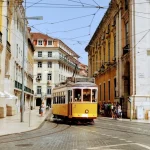
The historic tram Line 1 offers a charming alternative for the Ribeira to Passeio Alegre journey along the river. At €3.00 for tourists (€1.30 with Andante card), it provides scenic Douro views while saving your legs for exploring neighborhoods rather than commuting between them.
Bus routes 500, 501, and 502 connect major tourist areas efficiently. Route 500 runs from Matosinhos beach through downtown to Vila Nova de Gaia, hitting most key sights. These buses run every 15-20 minutes and accept Andante cards.
Walking makes most sense within individual neighborhoods — exploring Cedofeita’s boutiques, wandering Miragaia’s narrow streets, or browsing Mercado do Bolhão. Save public transport for moving between districts or reaching outlying attractions like the Serralves Museum.
Evening transport becomes crucial for dinner and nightlife. Metro lines run until 1:00, covering most restaurant areas. The last trains from Vila Nova de Gaia (where many fado houses operate) leave around 12:30, giving you time for dinner but requiring taxis for late-night bar hopping.
Regional Travel: CP Trains, Buses and Day Trip Logistics
Comboios de Portugal (CP) operates train services from Porto’s two main stations: São Bento for regional routes and Campanhã for intercity and international connections. The stations connect via metro, but allow 15 minutes minimum for transfers.
São Bento handles the scenic Douro line to Peso da Régua and Pocinho, departing 3-4 times daily. The journey takes 2 hours to Peso da Régua through terraced vineyard landscapes. Tickets cost €10.85 in second class, €14.40 in first class — buy online or at the station on travel day.

Regional trains to Braga leave every hour from São Bento, taking 55 minutes for €3.55. This line also serves Guimarães (70 minutes, €3.55) with connections in Nine. Both destinations work as comfortable day trips from Porto.
Aveiro trains depart from Campanhã station every 1-2 hours, reaching the “Venice of Portugal” in 45 minutes for €4.90. The journey passes through pine forests and salt marshes, offering glimpses of traditional Portuguese countryside.
Rede Expressos buses complement train services for destinations like Coimbra (2.5 hours, €12-15) and smaller towns poorly served by rail. Their terminal sits near Campanhã station with metro connections to central Porto.
For coastal destinations, STCP bus 500 reaches Matosinhos beach in 30 minutes using your Andante card. The same line continues to Leça da Palmeira and its lighthouse, popular for sunset walks.
International Connections
The Celta train connects Porto to Vigo, Spain daily, departing Campanhã at 8:25 and arriving in Vigo at 10:40. The €23 journey crosses the Minho River border with beautiful coastal views. Return trains leave Vigo at 18:05, reaching Porto by 20:20.
FlixBus operates overnight services to Madrid (9 hours, €35-50) and Barcelona (15 hours, €45-65), departing from Campanhã. These budget options work for onward travel but aren’t practical for day trips.
2026 Budget Breakdown: Real Transport Costs for First-Timers
A typical first-timer staying 3-4 days in Porto will spend €15-25 on local transport, depending on accommodation location and sightseeing style. Here’s how costs break down across different travel approaches:
Budget Option (€12-15 total)
- Andante card: €0.60
- Airport to city center: €2.00
- Three 24-hour day passes: €12.45
- Return to airport: €2.00
This approach works if you’re using public transport 4+ times per day, visiting beaches, or staying outside the historic center. The 24-hour passes activate on first use, so you can buy all three at once.

Mid-Range Approach (€18-25 total)
- Andante card: €0.60
- Airport transfers via Uber: €30-40 round trip
- Individual metro/bus trips: €8-12 total
- One vintage tram ride: €3.00
Most visitors fall into this category, using public transport selectively while walking between nearby attractions. The combination of strategic Uber rides and occasional metro trips balances convenience with cost control.
Comfort Level (€35-50 total)
- Airport taxis both ways: €50-60
- Daily Uber/taxi for longer distances: €25-35
- Minimal public transport: €5-8
This works for travelers prioritizing time savings, those with mobility concerns, or visitors staying in locations poorly served by public transport. The extra cost often proves worthwhile for short stays when time matters more than money.
Day Trip Additions
Add these costs for popular excursions:
- Douro Valley train: €21.70 round trip
- Braga or Guimarães: €7.10 round trip
- Aveiro: €9.80 round trip
- Matosinhos beach: €2.60 round trip with Andante
Regional transport costs remain reasonable compared to other European destinations. The biggest expense surprise for many visitors comes from taxi rides during late-night dining — plan for €10-15 returns to your accommodation after 23:00 when metro service becomes less frequent.
Frequently Asked Questions
Do I need to buy an Andante card if I’m only in Porto for two days?
Yes, even for short stays. The €0.60 card cost pays for itself on the airport journey alone, and individual trip prices are significantly cheaper than cash fares on buses. Walking between central attractions saves money, but you’ll still use public transport 3-4 times minimum.
Can I use my Andante card in other Portuguese cities?
No, Andante cards only work in Porto and its metropolitan area. Lisbon uses the Navegante system, and other cities have separate transport networks. However, you can reload and reuse your Porto card on future visits to the city.

What happens if I forget to validate my Andante card?
Transport inspectors treat unvalidated cards the same as no ticket — you’ll face a €100 fine. Always tap your card at the yellow readers before entering metro platforms or when boarding buses. The readers beep and show a green light when validation succeeds.
Is the metro safe to use late at night?
Porto’s metro feels generally safe until the final departures around midnight, with security cameras and regular police presence. However, avoid empty carriages late at night and stay alert at isolated stations. The airport line sees more petty theft attempts targeting tired travelers with visible luggage.
Can I buy Andante cards online or must I purchase them in Porto?
Physical cards must be purchased in Porto at metro stations, tobacco shops, or the mobility store. You cannot buy them online or at the airport before arriving. However, you can research routes and pricing using the official Metro do Porto website before your trip.
Explore more
Best Shopping in Porto: Where to Buy Azulejos, Port Wine & Unique Souvenirs
The Best Restaurants in Porto: Your Ultimate Guide to Traditional Food, Seafood & Francesinha
Porto After Dark: Uncovering the City’s Best Bars, Clubs & Nightlife Hotspots
📷 Featured image by Sergiy Kmet on Unsplash.