On this page
- Évora’s Living Museum
- Alentejo Wine Country
- Medieval Villages & Hilltop Towns
- Culinary Traditions & Local Markets
- Transportation & Getting Around
- Day Trips & Regional Excursions
- Cork Forests & Agricultural Experiences
- Accommodation Areas & Neighborhoods
- Seasonal Highlights & Festival Calendar
- Practical Travel Information
- Budget Planning & Daily Costs
- Frequently Asked Questions
💰 Click here to see Portugal Budget Breakdown
💰 Prices updated: August, 2026. Budget figures are estimates — always verify before travel.
Exchange Rate: $1 USD = €0.86
Daily Budget (per person)
Shoestring: €40.00 – €90.00 ($46.51 – $104.65)
Mid-range: €130.00 – €200.00 ($151.16 – $232.56)
Comfortable: €250.00 – €500.00 ($290.70 – $581.40)
Accommodation (per night)
Hostel/guesthouse: €15.00 – €45.00 ($17.44 – $52.33)
Mid-range hotel: €100.00 – €190.00 ($116.28 – $220.93)
Food (per meal)
Budget meal: €10.00 ($11.63)
Mid-range meal: €35.00 ($40.70)
Upscale meal: €100.00 ($116.28)
Transport
Single metro/bus trip: €2.00 ($2.33)
Monthly transport pass: €40.00 ($46.51)
Portugal’s Alentejo region feels like stepping into a different century, where cork oaks stretch endlessly under vast skies and medieval towns perch on hilltops unchanged since the Moors departed. In 2026, as overtourism grips Lisbon and Porto, this golden heartland offers something increasingly rare: authentic slow travel where the biggest decision is whether to visit the Roman temple before or after lunch.
Évora’s Living Museum
Évora’s historic center operates as Portugal’s most intact medieval city, where 2,000 years of history layer seamlessly into daily life. The Roman Temple of Diana stands at the heart, its 14 granite columns rising from the main square where locals still gather for evening conversations. Walking these cobblestone streets at sunset, you’ll hear the soft shuffle of elderly residents heading home from the market, their voices echoing off whitewashed walls that have sheltered generations.
The Cathedral of Évora dominates the skyline with its fortress-like towers, built when Portugal was establishing its independence. Inside, the Gothic nave stretches 70 meters, while the rooftop terrace offers panoramic views across red-tiled roofs to the Alentejo plains. The adjacent cloister, with its delicate stone tracery, provides cool refuge during the intense summer heat that defines this region.
Capela dos Ossos, the bone chapel, confronts visitors with the reality of mortality through walls lined with over 5,000 human skulls and bones. The inscription above the entrance reads “We bones that here lie, await yours,” a sobering reminder from 16th-century monks who created this memento mori. The chapel’s impact hits strongest in the morning light filtering through small windows, casting shadows that dance across centuries of remains.
Giraldo Square pulses as Évora’s social center, surrounded by arcaded buildings housing cafés where conversations flow from morning coffee to evening wine. The 16th-century fountain marks the spot where the Inquisition once held public trials, though today the square hosts farmers markets on Saturdays and outdoor dining that extends late into warm evenings.

The University of Évora, founded in 1559, brings youthful energy to ancient streets. Students gather in the Colégio do Espírito Santo’s Renaissance courtyards, their presence ensuring the city remains vibrant rather than merely museumlike. The azulejo-tiled lecture halls and library represent Portugal’s educational golden age when Évora rivaled Coimbra in scholarly importance.
Alentejo Wine Country
The Alentejo wine region encompasses eight sub-regions surrounding Évora, producing bold reds and crisp whites that reflect the intense sunshine and mineral-rich soils. Herdade do Rocim, 30 minutes east of Évora, offers tastings in a contemporary cellar where traditional amphora aging meets modern winemaking. Their flagship red blend captures the region’s essence: concentrated fruit flavors balanced by the herbal notes of wild Mediterranean scrubland.
Quinta do Carmo, once owned by the Rothschild family, sits among rolling vineyards where cork oaks provide natural shade for grazing sheep. The estate’s tours include walks through century-old cellars carved into limestone bedrock, maintaining constant temperatures perfect for aging. Tastings often feature vertical flights showing how Alentejo wines develop complexity over decades in bottle.
Herdade da Malhadinha Nova combines winemaking with luxury accommodation, their vineyards stretching toward the Spanish border. The estate’s restaurant pairs wines with dishes highlighting local ingredients: wild boar from nearby forests, olive oil from trees older than the United States, cheese from sheep that graze between vine rows. Lunch on their terrace, overlooking vineyards that shimmer in afternoon heat, exemplifies Alentejo’s agricultural abundance.
Adega Mayor represents the region’s modern ambitions, with a striking contemporary winery designed by renowned architect Siza Vieira. Their wines showcase how traditional grape varieties like Trincadeira and Aragonez express terroir when combined with precise temperature control and selective harvesting. The tasting room’s floor-to-ceiling windows frame views of geometric vineyards extending to distant hills.
Medieval Villages & Hilltop Towns
Monsaraz crowns a hilltop 50 kilometers east of Évora, its medieval walls enclosing cobblestone streets where time moves at mule pace. The village overlooks Alqueva Lake, Europe’s largest artificial lake, created in 2002 when the Guadiana River was dammed. Walking Monsaraz’s ramparts at sunrise, you’ll watch mist rise from water that stretches to the horizon, occasionally disturbed by fishing boats heading out for the day’s catch.
The village maintains its medieval character through strict building regulations, ensuring modern intrusions remain hidden behind ancient facades. Artisan workshops occupy ground floors where blacksmiths once worked, now selling pottery, textiles, and cork products. The parish church contains 14th-century frescoes depicting biblical scenes, their colors still vibrant thanks to the dry climate that preserves everything in the Alentejo.
Marvão perches on a granite outcrop near the Spanish border, its fortress walls following natural rock formations. The medieval castle guards mountain passes that have seen armies from Romans to Napoleon, each leaving traces in the architecture. From the keep’s highest tower, views extend across the Serra de São Mamede Natural Park, where wild boar and deer roam oak forests that supplied timber for Portuguese caravels.
Estremoz divides into upper and lower towns connected by narrow streets that climb past marble workshops still operating after centuries. The upper town’s marble palace houses a pousada where guests sleep in rooms once occupied by Portuguese royalty. Saturday’s market fills the lower town’s main square with produce from surrounding farms: olives cured in rock salt, cheese aged in mountain caves, honey harvested from wildflower meadows.

Vila Viçosa showcases Renaissance grandeur in its marble palace complex, where Portuguese royalty maintained their country residence. The palace’s vast rooms display azulejo panels depicting hunting scenes and pastoral life, while the armory contains weapons used in Portugal’s colonial campaigns. The surrounding town produces marble exported worldwide, its quarries providing white stone for monuments from Lisbon to Macau.
Culinary Traditions & Local Markets
Évora’s market operates Tuesday through Saturday in a modernist building near the train station, where vendors sell produce that defines Alentejo cuisine. Arrive early morning to watch farmers unload trucks filled with tomatoes that taste like concentrated sunshine, olive oil pressed from groves planted by Roman settlers, and cheese made from sheep milk according to recipes unchanged for generations.
Taberna Típica Quarta-feira occupies a converted cork warehouse in Évora’s historic center, serving traditional dishes at communal tables where conversations flow between strangers. Their açorda alentejana arrives as a thick bread soup enriched with garlic, olive oil, and cilantro, topped with a poached egg that breaks to create golden streams through the mixture. The dish embodies Alentejo’s genius for transforming simple ingredients into satisfying comfort food.
Restaurante Fialho, established in 1945, maintains recipes perfected across three generations of family ownership. Their migas com entrecosto combines fried bread crumbs with pork ribs slow-cooked until the meat falls from bone, creating textures that range from crispy to meltingly tender. The dining room’s azulejo panels depict rural scenes that mirror the ingredients arriving daily from nearby farms.
Local cork oak forests provide unique dining experiences at quintas that open their kitchens to visitors during harvest seasons. These meals feature ingredients foraged from the property: wild mushrooms that fruit after autumn rains, game birds netted in traditional traps, herbs picked from hillsides grazed by sheep. The experience connects diners directly to the land, understanding how terroir influences everything from wine to honey.

Olive oil tastings have become sophisticated experiences rivaling wine appreciation, with local producers like Herdade da Malhadinha Nova offering guided sessions that explore how soil, climate, and harvest timing affect flavor profiles. Their oils range from delicate early harvest varieties perfect for fish to robust late-season pressings that complement grilled meats. Tasting notes include descriptions like “green tomato leaf” and “wild herbs” that reflect the landscape surrounding ancient groves.
Transportation & Getting Around
Driving provides the most flexibility for exploring the Alentejo’s scattered attractions, with rental cars available at Lisbon’s airport for the 130-kilometer journey to Évora. The A6 motorway connects Lisbon to Évora in 90 minutes, passing through landscape that transitions from coastal pine forests to rolling plains dotted with cork oaks. Toll costs average €8 each way in 2026, with electronic payment systems accepting credit cards at automated booths.
CP train service connects Lisbon’s Oriente station to Évora four times daily, taking approximately 1.5 hours through countryside that showcases Alentejo’s agricultural diversity. The journey costs €12.40 for second class, €16.60 for first class, with advance booking available through CP’s website or mobile app. Trains feature comfortable seating and air conditioning essential during summer months when temperatures exceed 40°C.
Évora’s historic center remains compact enough for walking, with most attractions within 500 meters of Giraldo Square. The cobblestone streets can prove challenging for mobility-impaired visitors, particularly the steep sections leading to the cathedral and Roman temple. Local taxis operate from ranks near the train station and main square, though Uber and Bolt services arrived in 2025, providing app-based transportation throughout the city.
Regional bus service connects Évora to surrounding villages through Rede Expressos, though schedules favor commuters rather than tourists. Monsaraz requires changing buses in Reguengos de Monsaraz, extending journey time to 90 minutes each way. Marvão connects via bus through Portalegre, taking over two hours from Évora. These limitations make rental cars almost essential for exploring multiple destinations efficiently.

Cycling has gained popularity for local exploration, with several shops near Évora’s center renting mountain bikes suitable for rough country roads. The terrain around Évora remains relatively flat, though summer heat limits comfortable riding to early morning and late afternoon hours. Many quintas now offer guided cycling tours through their properties, combining wine tasting with scenic routes that avoid main highways.
Airport transfers from Lisbon cost approximately €120 by taxi or €15 per person via shared shuttle services that operate twice daily. Private transfers can be arranged through local companies for around €80, often including stops at viewpoints or brief village visits along the route. Many hotels and pousadas provide transfer services for guests, sometimes combined with wine estate visits or cultural experiences.
Day Trips & Regional Excursions
The Almendres Cromlech, 15 kilometers west of Évora, contains 95 standing stones arranged in two circles dating to 6000 BCE, making it older than Stonehenge. The megalithic complex sits among cork oaks and olive trees, with some stones carved with symbolic designs whose meaning remains mysterious. Early morning visits offer solitude among these ancient sentinels, when low sun angles emphasize the carved symbols and create dramatic shadows across the ceremonial space.
Monsaraz requires a full day to appreciate its medieval atmosphere and lakeside setting. The 45-minute drive from Évora passes through countryside dotted with traditional architecture, including several roadside shrines decorated with fresh flowers. The village’s elevated position provides panoramic views across Alqueva Lake, where boat tours operate from the marina below, combining scenic cruising with visits to submerged archaeological sites visible during low water periods.

Estremoz and Vila Viçosa can be combined in a single day trip focused on marble production and royal history. Estremoz’s marble quarries offer guided tours showing how craftsmen extract and shape stone using techniques refined over centuries. Vila Viçosa’s palace complex requires at least two hours to explore properly, with guided tours available in English during peak season. The 60-kilometer drive between locations passes through olive groves and small farming communities where traditional life continues largely unchanged.
Marvão demands an early start for the 100-kilometer drive through mountainous terrain that becomes increasingly dramatic near the Spanish border. The medieval castle perches at 862 meters elevation, requiring a steep walk through narrow village streets that challenge visitors’ fitness levels. Clear days offer views extending into Spain’s Extremadura region, while the village’s restaurants serve mountain specialties like wild boar stew and chestnuts roasted over open fires.
Arraiolos, famous for its needlepoint carpets, lies 25 kilometers north of Évora amid rolling hills where sheep graze between scattered oak trees. The town’s carpet workshops welcome visitors to observe artisans creating intricate designs that require months to complete. The 16th-century castle ruins crown a hilltop overlooking the town, accessible via a short walking trail that offers views across the surrounding agricultural landscape.
Cork Forests & Agricultural Experiences
Cork harvesting occurs every nine years from oak trees that can live over 200 years, creating a sustainable industry that shapes the Alentejo landscape. Herdade da Comporta offers guided walks through cork forests during harvest season (June through September), where visitors observe skilled workers stripping bark in continuous sheets without damaging the living tree. The fresh cork’s tannic smell fills the air while workers’ rhythmic hammering echoes through groves where pigs forage for acorns beneath protective canopies.
Agritourism experiences connect visitors directly to farming traditions that define regional identity. Quinta da Plansel combines wine production with organic farming, their guided tours showing how cover crops between vine rows provide nitrogen while attracting beneficial insects. Guests participate in seasonal activities from grape picking to olive harvesting, understanding how manual labor creates products that command premium prices in international markets.

The Montado ecosystem represents a unique agricultural system where cork oaks, pastureland, and livestock create symbiotic relationships perfected over centuries. Sheep and cattle graze beneath cork trees, their manure fertilizing soil while oak canopies provide shade during scorching summers. This extensive farming system requires vast acreage to remain profitable, explaining why Alentejo farms often exceed 1,000 hectares compared to northern Portugal’s small family plots.
Honey production thrives in the Alentejo’s diverse flora, with local beekeepers offering tastings that showcase how different flowers create distinct flavors. Spring honey from orange blossoms carries citrus notes and light color, while summer varieties from wildflower meadows develop amber hues and complex flavors. Several apiaries near Évora welcome visitors during extraction season, explaining how traditional hives made from cork bark continue producing honey using methods unchanged for generations.
Hiking trails wind through cork forests and olive groves, marked with symbols painted on trees and rocks. The Via Algarviana’s northern sections pass through Alentejo countryside, connecting villages via ancient pathways used by shepherds and merchants. Trail sections between Mértola and Alcoutim offer moderate difficulty with occasional stream crossings and panoramic viewpoints across rolling hills that extend toward the Spanish border.
Cheese production remains artisanal throughout the region, with small dairies operating from farms where sheep and goats graze native vegetation that influences milk flavor. Queijo de Nisa, protected by DOP designation, ages in natural caves where humidity and temperature remain constant year-round. Several farms offer cheese-making workshops where visitors learn traditional techniques from curding milk to aging wheels in underground storage areas.

Accommodation Areas & Neighborhoods
Évora’s historic center provides the most atmospheric accommodation within walking distance of major attractions. The area within the Roman walls offers boutique hotels in converted palaces and convents, where modern amenities hide behind centuries-old facades. Staying inside the walls means evening strolls past illuminated monuments and morning coffee in squares where residents have gathered for generations.
Pousada Convento de Évora occupies a 15th-century monastery where guests sleep in cells once used by Lóios monks. The conversion preserves original architectural details including Gothic cloisters and a church with azulejo panels depicting the life of São Lourenço. Modern rooms feature contemporary furnishings against stone walls, while the restaurant serves regional cuisine in dining rooms where monks once took silent meals.
Luxury quintas throughout the countryside offer exclusive experiences combining accommodation with wine production, cork harvesting, or organic farming. Herdade da Malhadinha Nova provides villa accommodation among vineyards, where private pools overlook properties extending to distant horizons. These estates often include guided activities from horseback riding to stargazing sessions that take advantage of minimal light pollution in rural areas.
Rural tourism has expanded significantly since 2024, with traditional farms converting outbuildings into guest accommodation while maintaining agricultural operations. These quintas de turismo rural offer authentic experiences where guests participate in daily farm activities from feeding animals to helping with harvest tasks. Accommodation ranges from restored 18th-century houses to contemporary buildings designed to blend with traditional architecture.
Vila Viçosa and Estremoz provide alternative bases for exploring northern Alentejo, both offering accommodations in converted palaces and historic buildings. Vila Viçosa’s pousada occupies the royal palace’s former residential quarters, where rooms feature period furnishings and marble bathrooms carved from local stone. Estremoz’s pousada sits within medieval castle walls, providing panoramic views across marble quarries and agricultural plains.

Budget travelers find accommodation in Évora’s newer districts outside the historic walls, where modern hotels and guesthouses offer competitive rates with parking included. These areas connect to the center via short taxi rides or 15-minute walks through residential neighborhoods where local life continues without tourist influence. Several albergues (hostels) provide dormitory accommodation for pilgrims following the Santiago de Compostela route through southern Portugal.
Seasonal Highlights & Festival Calendar
Spring (March-May) brings wildflower blooms that carpet Alentejo’s hills in colors from yellow gorse to purple lavender. The Feira de São José in Évora celebrates spring’s arrival with traditional crafts, regional foods, and folk dancing that fills Giraldo Square with music and laughter. Temperatures reach comfortable highs around 22°C, perfect for hiking through cork forests where birds migrate through on their journey to northern breeding grounds.
Summer arrives with intense heat that defines Alentejo’s character and challenges visitors unaccustomed to temperatures exceeding 40°C. The Festival de Música de Marvão brings classical performances to the medieval castle, where concerts begin after sunset when temperatures become bearable. Local festivals celebrate harvest seasons with wine tastings, traditional foods, and folk performances that continue into early morning hours when the heat finally breaks.
Autumn transforms the landscape as grape harvests begin in August and continue through October, depending on variety and weather conditions. Many quintas open their cellars to visitors during this active period, offering hands-on experiences from picking grapes to treading in traditional lagares. The Festival do Vinho in Reguengos de Monsaraz celebrates regional wine production with tastings, music, and cultural exhibitions that showcase Alentejo’s viticultural heritage.
Winter brings cooler temperatures and occasional rainfall that revives the landscape after summer’s dormancy. The Christmas season features special events including traditional nativity scenes in Évora’s cathedral and carol singing in village squares throughout the region. January and February offer ideal conditions for exploring megalithic sites and hiking trails without summer’s oppressive heat, though accommodations may have reduced hours or temporary closures.

Cork harvesting from June through September provides unique opportunities to observe traditional skills practiced for generations. The rhythmic sound of cork extraction fills forests as workers strip bark from trees using specialized axes and techniques that require years to master. Several quintas offer guided tours during harvest season, explaining the nine-year cycle that makes cork production sustainable while supporting rural employment.
Religious festivals throughout the year reflect deep Catholic traditions that survive in rural communities where faith remains central to daily life. Easter celebrations include processions through village streets decorated with flower petals, while saints’ days feature local markets, traditional foods, and evening dances that unite communities in celebration. These events offer authentic cultural experiences for visitors willing to participate respectfully in local customs.
Practical Travel Information
Summer heat management becomes essential for comfortable travel, with temperatures regularly exceeding 40°C from June through September. Plan outdoor activities for early morning or late afternoon, carrying water and seeking shade during midday hours when even locals retreat indoors. Many businesses close from 13:00-15:00 for siesta, particularly in rural areas where traditional schedules persist despite modern pressures.
Mobile phone coverage varies significantly in rural areas, with some valleys and remote quintas experiencing weak signals or complete dead zones. Purchase a Portuguese SIM card from major operators like NOS, MEO, or Vodafone for better coverage than international roaming. Download offline maps and inform accommodation providers of your planned routes when exploring isolated areas where help might be hours away.
Cash remains essential in rural Alentejo, where many small businesses, markets, and traditional restaurants don’t accept credit cards. ATMs exist in larger towns but may be scarce in remote villages, so withdraw sufficient euros before heading into countryside areas. Tipping follows Portuguese customs: round up restaurant bills by 5-10% and leave small amounts for exceptional service rather than fixed percentages.
Language barriers rarely pose serious problems, as tourism industry workers speak basic English, though learning Portuguese greetings and pleasantries enhances interactions with locals. Rural residents may speak only Portuguese, making translation apps useful for communication. Spanish speakers often manage basic conversations, as the languages share similarities despite Portuguese pronunciation differences.
Water quality meets European standards throughout the region, though rural areas may have different mineral content that affects taste. Bottled water costs around €1 in stores and €2-3 in restaurants. Public fountains in historic centers often provide potable water, marked with signs indicating safety for consumption.
Safety concerns remain minimal throughout the Alentejo, with crime rates among Portugal’s lowest. Normal precautions apply regarding valuables and vehicle security, particularly when parking at remote archaeological sites or hiking trailheads. Rural roads may lack lighting and emergency phones, making reliable transportation and communication plans essential for solo travelers.
Budget Planning & Daily Costs
Budget travelers can experience the Alentejo for €40-60 daily by staying in hostels or budget guesthouses outside Évora’s historic center, eating lunch at local tascas, and using public transportation. Accommodation costs €15-25 nightly in dormitories or basic double rooms, while traditional meals range from €8-12 at family-run restaurants serving regional specialties. Bus transportation between towns costs €3-8 depending on distance.
Mid-range budgets of €80-120 daily allow comfortable stays in boutique hotels within Évora’s historic walls, dining at quality restaurants with wine pairings, and rental car freedom for exploring surrounding villages. Hotel rooms cost €60-90 nightly including breakfast, while restaurant meals average €15-25 per person with local wine. Car rental adds €25-35 daily including insurance and fuel costs.
Luxury travelers spending €200-400 daily can enjoy pousada accommodations in converted palaces and monasteries, private wine estate tours with exclusive tastings, and guided experiences that provide insider access to cultural sites. Premium accommodations cost €150-300 nightly with exceptional service and historic settings. Fine dining experiences range from €50-80 per person including premium wines and multi-course tasting menus.
Wine estate visits vary significantly in cost, from free tastings at smaller producers to €25-50 for guided tours with food pairings at premium quintas. Many estates require advance booking, particularly during harvest season when capacity fills with enthusiastic visitors. Group tours can reduce individual costs while providing transportation between multiple wineries in single days.
Activity costs remain reasonable compared to major tourist destinations, with megalithic site visits typically free and museum admissions rarely exceeding €5. Guided hiking tours cost €20-35 per person for half-day experiences, while horseback riding averages €40-60 for two-hour rides through cork forests or vineyard landscapes.
Transportation represents the largest variable expense, particularly for visitors dependent on taxis or private transfers between rural destinations. Rental cars provide the best value for groups of three or four people, splitting costs while gaining access to remote locations impossible to reach by public transport. Fuel costs average €1.45 per liter in 2026, with motorway tolls adding to driving expenses.
Frequently Asked Questions
When is the best time to visit the Alentejo to avoid extreme heat?
April through June and September through November offer ideal temperatures between 15-28°C, perfect for outdoor activities. July and August see temperatures exceeding 40°C, though early morning and evening exploration remains comfortable. Winter months provide cooler weather for hiking but some rural accommodations may close.
How many days are needed to properly explore Évora and surrounding areas?
Allow minimum three days for Évora’s historic sites plus one day trip to nearby attractions. A full week enables visits to multiple wine estates, medieval villages like Monsaraz and Marvão, and authentic rural experiences. Two weeks permit deep exploration of the entire Alentejo region at a comfortable pace.
Is it possible to visit the Alentejo without renting a car?
Évora’s main attractions are walkable, and CP trains connect to Lisbon efficiently. However, rural villages, wine estates, and archaeological sites remain difficult to reach by public transport. Consider organized day tours from Évora or base yourself in town and book guided excursions to specific destinations.
What are the main differences between Alentejo wines and those from other Portuguese regions?
Alentejo wines show more concentration and power due to intense sunshine and minimal rainfall. Reds feature bold fruit flavors with higher alcohol content than northern regions like Vinho Verde. The region’s modern winemaking approach contrasts with traditional methods still common in Douro and Dão regions.
Are credit cards widely accepted in rural Alentejo areas?
Larger restaurants, hotels, and wine estates accept major credit cards, but rural markets, small tascas, and traditional craft shops often require cash. ATMs exist in main towns but can be scarce in remote villages. Always carry sufficient euros when exploring countryside areas or visiting local festivals.
Explore more
Where to Eat in Evora: An Insider’s Guide to Alentejo Flavors
Where to Go Out in Evora: Your Guide to the Best Nightlife
Evora Day Trips: Explore Monsaraz, Megalithic Sites & Alqueva Lake
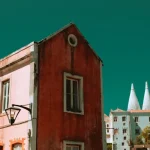
📷 Featured image by Gunnar Ridderström on Unsplash.