On this page
- A City That Has Been Around Since Before Portugal Existed
- Which Part of Évora to Base Yourself In
- What to Actually See and Do
- Where to Eat and Drink in Évora
- Getting Around Évora
- Day Trips Worth the Drive
- Évora After Dark
- Shopping in Évora
- Where to Stay in Évora
- When to Go to Évora
- Practical Things to Know Before You Arrive
- What Things Cost in Évora in 2026
- Frequently Asked Questions
💰 Click here to see Portugal Budget Breakdown
💰 Prices updated: August, 2026. Budget figures are estimates — always verify before travel.
Exchange Rate: $1 USD = €0.86
Daily Budget (per person)
Shoestring: €40.00 – €90.00 ($46.51 – $104.65)
Mid-range: €130.00 – €200.00 ($151.16 – $232.56)
Comfortable: €250.00 – €500.00 ($290.70 – $581.40)
Accommodation (per night)
Hostel/guesthouse: €15.00 – €45.00 ($17.44 – $52.33)
Mid-range hotel: €100.00 – €190.00 ($116.28 – $220.93)
Food (per meal)
Budget meal: €10.00 ($11.63)
Mid-range meal: €35.00 ($40.70)
Upscale meal: €100.00 ($116.28)
Transport
Single metro/bus trip: €2.00 ($2.33)
Monthly transport pass: €40.00 ($46.51)
Évora keeps showing up on “hidden gem” lists, which is ironic given that a million tourists passed through its Roman arch in 2024 alone. The real challenge in 2026 is not finding Évora — it’s slowing down enough to actually experience it. Many visitors arrive on a day trip from Lisbon, spend two hours photographing the Chapel of Bones, and leave without eating a single meal. This guide is for people who want to do better than that.
A City That Has Been Around Since Before Portugal Existed
Évora sits in the heart of the Alentejo, Portugal‘s largest region, surrounded by cork oak forests and rolling wheat plains. The city has been continuously inhabited for over two thousand years — the Romans built a temple here, the Visigoths took it next, then the Moors, then the Portuguese kings who made it a royal residence. Walking through the old town today, you feel all of those layers at once: a Roman colonnade rising above a medieval square, Moorish street patterns leading to Baroque churches.
The entire historic centre is a UNESCO World Heritage Site, designated in 1986. But unlike some UNESCO cities that feel preserved in amber, Évora is lived in. Locals hang laundry from apartment windows above thirteenth-century walls. University students fill the cafes around Praça do Giraldo on weekday mornings. There’s a real town here, not a museum with a ticket booth at the gate.
The city has a population of around 55,000, which makes it compact enough to walk everywhere inside the walls but large enough to have genuine restaurants, bookshops, and a functioning market. That balance is exactly why it rewards staying two or three nights rather than passing through.
Which Part of Évora to Base Yourself In
Intramuros — Inside the Medieval Walls
This is the historic centre, the area most visitors come to see, and the best place to stay if this is your first visit. The streets are narrow, paved in pale granite, and largely car-free in the tightest lanes. Staying here means you can walk to the Roman Temple in four minutes and reach the Cathedral in seven. The main square, Praça do Giraldo — a wide, sun-baked space ringed by whitewashed arcades — is your orientation point for everything.

The downside is noise on weekend nights. Évora has a university, and the student population around Rua da Moeda and Rua do Raimundo gets lively after 11pm. If you are a light sleeper, ask for a room facing an interior courtyard.
São Mamede
Just outside the eastern walls, this quiet residential neighbourhood has a handful of guesthouses and small hotels that offer better value than anything inside the walls. It’s a ten-minute walk to Praça do Giraldo, the streets are easier for people with limited mobility, and you get a more authentic feel for how Evorenses actually live. Suited to couples and solo travellers who want calm over convenience.
Malagueira
Further out, this neighbourhood is known mainly for its striking social housing project designed by architect Álvaro Siza Vieira in the 1970s — a pilgrimage destination for architecture students. Practical for travellers with a car who want lower prices, but not walkable to the historic centre. Only recommended if you specifically want to explore Siza Vieira’s work or plan to rent a car for day trips.
What to Actually See and Do
The Roman Temple of Évora
Fourteen Corinthian granite columns standing in the middle of the city, dated to the first or second century AD. The columns are still at their original height. No fence, no ticket booth — you just walk up to them. The best light is late afternoon, when the stone turns amber and the shadows stretch across the adjacent garden. It is genuinely impressive in person in a way that photographs do not capture.

Chapel of Bones (Capela dos Ossos)
The entrance is through the Igreja de São Francisco, and yes, you pay to go in (€5 in 2026, cash or card). The interior walls and ceiling columns are lined with the bones and skulls of approximately 5,000 monks, arranged in geometric patterns by Franciscan friars in the sixteenth century. The inscription above the entrance translates roughly to: “We bones that are here, for yours we wait.” It’s not grim in the way horror films are grim — it’s meditative and strange, which is more unsettling. Plan for 20 to 30 minutes.
Évora Cathedral (Sé de Évora)
The largest medieval cathedral in Portugal, built from granite in the late twelfth century. Climb to the rooftop terrace (separate ticket, €3) for the best view over the city’s whitewashed rooftops and the plain beyond. The Gothic cloister is worth spending time in — quiet, shaded, and far less crowded than the main nave.
Almendres Cromlech
About 15 kilometres west of the city, this megalithic stone circle predates Stonehenge by roughly 2,000 years and contains nearly 100 standing stones. You need a car or taxi to get here — there’s no public transport. The site is free, open year-round, and frequently empty even in summer. Standing among stones placed by people 7,000 years ago, with nothing but cork oaks and silence around you, is one of the genuinely disorienting experiences the Alentejo offers.
City Walls and Aqueduct
The medieval walls are largely intact, and you can walk sections of them for free. The Silver Water Aqueduct (Aqueduto da Prata), built in the sixteenth century, runs into the city for nearly 18 kilometres and is one of the longest functioning aqueducts in the world. The stretch near Rua do Cano, where houses have been built directly against the arches, is photogenic and easy to reach on foot.
Where to Eat and Drink in Évora
Mercado Municipal de Évora
The covered market on Praça 1 de Maio is the best place to start any morning in Évora. Farmers from the surrounding Alentejo bring cheese, cured meats, olives, and seasonal vegetables. By 9am the stalls are full; by noon the fresh produce is mostly gone. There are a few small counter-service spots inside where you can get coffee and a bifana (pork sandwich) for under €3. The market runs Monday through Saturday.
Praça do Giraldo and the Side Streets
The restaurants directly on Praça do Giraldo are mostly tourist-facing with prices to match — not necessarily bad, but not where locals go for lunch. Turn down Rua de Alconchel or Rua João de Deus instead. These two streets, a short walk from the square, have a denser concentration of proper tascas (traditional restaurants) serving Alentejano food to a mixed crowd of locals and visitors. Lunch menus (prato do dia) run €9 to €13 with a drink included at the better ones.
Rua da Moeda — Wine and Petiscos
This short street near the university is where Évora’s wine bar scene concentrates. Alentejo produces some of Portugal’s most respected red wines — bold, full-bodied, built for the heat of the region. Several spots along Rua da Moeda do wine by the glass with small plates of local cheese, presunto (dry-cured ham), and bread with olive oil. Prices are honest: a glass of decent Alentejo red rarely costs more than €3.50.

The Neighbourhood of Santo Antão
Just north of the Cathedral, this cluster of streets has seen several well-regarded restaurants open since 2023. The cooking here leans into Alentejano ingredients — pork from black Iberian pigs, açorda (bread-based soups), migas (fried bread crumbles). If you want a proper sit-down dinner rather than petiscos, this is the area to wander until something looks right.
Getting Around Évora
Évora has no metro, no tram, and no light rail. It doesn’t need any of them. The historic centre is 1.2 kilometres across at its widest point, and the main sites are all within comfortable walking distance of each other. The main practical challenge is the cobblestones — uneven, sometimes slippery when wet, and hard on ankles if you’re walking more than a few hours. Wear proper walking shoes, not sandals or thin soles.
Within the city walls, some streets are effectively pedestrianised and cars are restricted during the day. For anywhere outside the walls — the Almendres Cromlech, the Anta do Zambujeiro dolmen, or villages in the surrounding Alentejo — you need a car or a taxi.
Taxis and Rideshares: Bolt operates in Évora as of 2026, which has improved the reliability of getting a ride versus calling a traditional taxi. Expect to pay €6 to €9 for most rides within the city. A taxi to Almendres Cromlech and back (with waiting time) typically costs €25 to €35.
Car Rental: If you plan more than one day trip into the Alentejo, renting a car makes sense. There are rental offices at Évora train station and a few on the ring road. Rates in 2026 average €35 to €55 per day for a small car.

From Lisbon: CP (Comboios de Portugal) runs several trains daily from Lisbon’s Oriente station to Évora. Journey time is approximately 1 hour 40 minutes on direct services. After CP’s 2025 timetable update, the 7:15am departure from Oriente and the 6:05pm return from Évora are the most practical for day-trippers. The fare is around €13 one-way in 2026. Buses (Rede Expressos) are slightly cheaper but take longer.
Day Trips Worth the Drive
Monsaraz — 55km East
A fortified hilltop village right on the Spanish border, overlooking the enormous Alqueva reservoir. The village has fewer than 200 permanent residents but one of the most dramatic settings in Portugal. Drive time from Évora is about 50 minutes. Allow three hours minimum — walk the walls, have lunch in the single main street, and look out at the lake below. The Alqueva is Europe’s largest artificial lake and a certified Dark Sky reserve, making Monsaraz an excellent overnight option if you want to stargaze.
Estremoz — 45km Northeast
Known for its white marble (the quarries are visible from the main road) and its Saturday market, one of the best weekly markets in the Alentejo. The upper town is anchored by a medieval tower that now houses a pousada (state-run heritage hotel). The ceramics from Estremoz — small figurines called bonecos — are distinctive and sold in market stalls for reasonable prices. Allow half a day.
Arraiolos — 22km North
Portugal’s carpet town, famous for hand-stitched wool rugs in geometric and floral patterns made here since the seventeenth century. You can visit workshops still operating in the village and buy directly. The village itself is tiny and beautiful, topped by a ruined castle. Easy half-day trip by car.
Marvão — 110km North
This requires a full day and a car. Marvão is a fortified village perched on a granite ridge at 862 metres, and on a clear day the views take in three countries — Portugal, Spain, and on exceptional days, the distant shapes of Spanish Extremadura. The castle at the top is extraordinarily well preserved. The drive through the Serra de São Mamede natural park is itself worth the trip.

Évoramonte — 30km Northeast
A compact walled village with a dramatic four-towered castle, located roughly between Évora and Estremoz. Often combined with an Estremoz trip. Very few tourists, a couple of local cafes, and the kind of quiet that is hard to find anywhere closer to a major city. The castle interior is open and free.
Évora After Dark
Évora is not a nightlife destination in the way that Lisbon or Porto are. But it has a genuine after-dark scene rooted in its university population and its deep connection to Alentejano folk music.
Cante Alentejano: This is the regional style of polyphonic folk singing, recognised by UNESCO as Intangible Cultural Heritage. It sounds nothing like fado — it’s choral, sung by groups of men (historically) in harmony, without instruments. Several restaurants and cultural spaces in Évora host cante evenings, usually on Friday and Saturday nights. Ask at your accommodation for the current schedule; venues rotate.
Student Bars: The streets around the Universidade de Évora — particularly Rua da Moeda and the lanes near Largo Luís de Camões — fill up after 10pm on Thursday, Friday, and Saturday. These are mostly small, informal bars playing a mix of Portuguese pop and international music. Drinks are cheap (€2.50 to €3.50 for a beer). The crowd skews young but is generally welcoming to visitors.
Rooftop Terraces: Several hotels and bars inside the walls have rooftop or terrace spaces with views over the Roman Temple, which is lit up at night. These tend to be quieter and more expensive — a glass of wine runs €5 to €8 — but the view of those illuminated columns against a dark sky is one of those Évora moments that is hard to beat.

Shopping in Évora
Rua 5 de Outubro is the main shopping street connecting Praça do Giraldo to the Cathedral. It is lined with cork goods, ceramics, and Alentejo wine shops. Cork is genuinely better value here than in Lisbon — bags, hats, wallets, and accessories are sold in multiple shops, and the quality varies significantly between tourist-facing stalls and proper cork goods retailers. Look for the craft seal on items that identifies authentic Portuguese cork products.
Azulejo tiles in Alentejo patterns (typically simpler geometric designs than Lisbon’s more elaborate versions) are sold in several ceramic shops near the Cathedral. A set of four hand-painted tiles costs €15 to €30 depending on quality and size.
The Saturday Market outside the walls near the Rossio de São Brás is a general market selling everything from tools to clothing to agricultural supplies. It’s not a craft market — it’s a real working market. Interesting for a browse and for picking up Alentejo olive oil, dried legumes, and seasonal produce at prices significantly below what you’d pay in a tourist shop.
Alentejo wine is one of the best souvenirs you can carry out of Évora. Several wine shops on and around Praça do Giraldo stock a full range of regional producers, with knowledgeable staff who can recommend bottles in every price bracket. A decent bottle starts around €6; something genuinely special runs €18 to €35.
Where to Stay in Évora
Budget (€30–€70 per night)
Hostels and guesthouses outside the walls, particularly in the São Mamede area, offer the best value. Some residenciais (family-run guesthouses) inside the walls also fall into this range if you book directly rather than through booking platforms. Rooms are simple but typically clean, with en-suite bathrooms becoming standard even at the lower end in 2026.

Mid-Range (€80–€150 per night)
Several boutique hotels have opened inside the walls since 2022, converting old town houses into small hotels with 10 to 25 rooms. These typically include exposed stone walls, air conditioning (essential in summer), and breakfasts featuring local Alentejo produce. This is the sweet spot for first-time visitors — enough comfort without overpaying, and inside the walls for easy access to everything.
Comfortable/Luxury (€160–€350+ per night)
The Convento do Espinheiro, a converted fifteenth-century convent about 3 kilometres outside the city walls, is Évora’s most celebrated hotel — a genuine five-star property with a spa, wine cellar, and formal gardens. Several smaller luxury properties have also opened inside the walls, offering suites with views of the Roman Temple. At this level, breakfast, parking, and often an evening drink are included.
When to Go to Évora
Spring (March to May) is the best time for first-time visitors. The Alentejo plain is green, wildflowers are out across the countryside, temperatures sit between 18°C and 24°C, and the city is busy but not overwhelmed. This is when the landscape around Évora looks its best for day trips.
Summer (June to August) requires a direct warning: Évora is hot. The Alentejo regularly records Portugal’s highest temperatures, and 40°C days in July and August are normal rather than exceptional. The city functions — everything has air conditioning now — but outdoor sightseeing from 11am to 4pm is uncomfortable. If you visit in summer, start early, retreat during midday, and come back out in the late afternoon. The Feira de São João, Évora’s main festival, takes place in late June with a street market, concerts, and city-wide celebrations.

Autumn (September to November) is the second best window. September still has summer heat (30°C to 35°C) but without peak crowds. October brings cooler days, harvest activity in the vineyards, and the beginning of the truffle and wild mushroom season in the Alentejo — restaurant menus shift noticeably.
Winter (December to February) is mild by northern European standards (10°C to 15°C) but can be rainy and grey. The city is quiet, prices drop, and several smaller restaurants close or reduce hours. Suited to travellers who genuinely prefer fewer people and don’t mind cooler, wetter days.
Practical Things to Know Before You Arrive
Cobblestones: The historic centre is entirely cobblestoned. Wear shoes with proper grip and ankle support, especially if you are walking for more than two hours. This is not an exaggeration — people turn ankles here regularly.
Siesta Hours: Many smaller shops and some restaurants close between 1pm and 3pm. This is still observed in Évora more strictly than in Lisbon. Plan your shopping for mornings or late afternoon.
Water: Tap water in Évora is safe to drink. You do not need to buy bottled water, though it’s offered everywhere. Asking for tap water (água da torneira) in a restaurant is perfectly acceptable.
Language: Portuguese is the only language you need concern yourself with, and in tourist areas, English is widely spoken by younger staff. Learning a few phrases — bom dia (good morning), obrigado/a (thank you), se faz favor (please/excuse me) — goes a long way with locals and is genuinely appreciated.
Tipping: Not mandatory in Portugal, but rounding up or leaving €1 to €2 per person for a sit-down meal is standard among locals. For exceptional service, 5 to 10% is generous. Tipping at counter-service cafes is not expected.

SIM Cards: NOS, Vodafone, and MEO all have coverage in Évora. Buy a tourist SIM at Lisbon Airport or at any mobile shop in Évora’s commercial streets. In 2026, a 30-day data plan with 20GB costs approximately €15 to €20.
Safety: Évora is very safe. Petty theft (pickpocketing) is rare compared to Lisbon, but normal urban awareness applies in crowded market areas.
What Things Cost in Évora in 2026
Budget Traveller — €60 to €85 per day
- Hostel dorm or basic guesthouse: €30 to €45
- Coffee and pastry breakfast at a local cafe: €2 to €4
- Lunch prato do dia at a tasca: €9 to €12
- Dinner petiscos and wine at a wine bar: €15 to €20
- Attractions (Chapel of Bones + Cathedral rooftop): €8
- Local transport: minimal if you stay inside the walls
Mid-Range Traveller — €130 to €200 per day
- Boutique hotel inside the walls: €80 to €130
- Breakfast included or café: €0 to €8
- Lunch at a proper restaurant: €15 to €25
- Dinner with wine at a mid-range restaurant: €35 to €50
- Taxi to Almendres Cromlech return: €30
- Museum entries and wine tasting: €15 to €20
Comfortable Traveller — €300 to €500+ per day
- Luxury hotel or heritage property: €160 to €350
- Full breakfast and evening drink included
- Lunch at a restaurant with table wine: €40 to €60
- Private guided tour of megalithic sites: €80 to €120
- Dinner at the best restaurant in the city with wine: €70 to €100+
- Car rental for day trips: €45 to €55
Évora is significantly cheaper than Lisbon across all budget tiers. A mid-range visit here costs roughly 25 to 35% less than an equivalent stay in the capital.
Frequently Asked Questions
Is Évora worth visiting for more than one day?
Yes, strongly so. A single day is enough to hit the Roman Temple, Chapel of Bones, and Cathedral, but you miss the slower rhythm that makes Évora special. Two nights lets you explore the Almendres Cromlech, eat properly in the neighbourhood restaurants, and take one day trip into the Alentejo countryside — which is where the city’s full context becomes clear.
How do I get from Lisbon to Évora without a car?
The CP train from Lisbon Oriente station is the most comfortable option, with several direct services daily. Journey time is approximately 1 hour 40 minutes and the 2026 fare is around €13 one-way. Rede Expressos buses also serve the route but take slightly longer. Once in Évora, the historic centre is entirely walkable.
Is the Chapel of Bones appropriate for children?
Most children find it fascinating rather than frightening — it reads more as strange and ancient than gruesome. The bones are arranged decoratively, not displayed graphically. Children aged 8 and above generally handle it fine. Younger children may find the dark interior and the subject matter unsettling; use your own judgement.
What is the best month to visit Évora?
April and May are the ideal months: the countryside is green, temperatures are comfortable (18°C to 24°C), and the city has life without being overwhelmed by summer tour groups. October is the second best option — cooler, with harvest season adding seasonal produce to restaurant menus and fewer tourists than spring.
Is Évora expensive compared to other Portuguese cities?
Évora is noticeably cheaper than Lisbon and Porto. Accommodation, meals, and activities all cost less, sometimes significantly so. A mid-range dinner for two with wine typically costs €40 to €60 in Évora versus €65 to €90 for a comparable meal in central Lisbon. It’s one of the best value cities in Portugal for the quality of experience offered.
Explore more
Best Day Trips from Evora: Your Ultimate Alentejo Exploration Guide
Where to Stay in Evora: A Guide to the Best Neighbourhoods for Your Trip
Top 10 Day Trips from Evora You Can’t Miss in Portugal
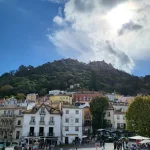
📷 Featured image by Gunnar Ridderström on Unsplash.