On this page
- September in Portugal: Still the Best-Kept Secret
- What September Light and Crowds Actually Mean on the Ground
- The Douro Valley Harvest: What It Looks and Feels Like
- The Alentejo Wine Route: Less Famous, Arguably Better in September
- September Weather Region by Region
- 2026 Budget Reality: What September Actually Costs
- Where to Stay: Matching Accommodation to Your Trip
- Frequently Asked Questions
September in Portugal: Still the Best-Kept Secret
August in Portugal has a reputation problem. Beaches are packed, prices are high, and Lisbon can feel more like a theme park than a city. By the first week of September, something shifts. The tour groups thin out, the vineyards across the Douro and Alentejo start buzzing with harvest activity. In 2026, with Portugal’s popularity still at record levels, September has become the month that experienced travellers actively choose — not settle for. Here is what makes it worth planning around.
What September Light and Crowds Actually Mean on the Ground
The phrase “golden light” gets used so often it has almost lost meaning. In Portugal in September, it earns its cliché. The sun sits lower in the sky than in July, so by around 5pm the stone walls of a Douro quinta or an Alentejo cork oak turn the colour of old honey. Photographers know this. Increasingly, so do wine tourists and hikers. But the crowds are genuinely different from August. School holidays across Portugal and most of Europe end in mid-September, and you feel the difference immediately — shorter queues at wine estates, easier restaurant reservations, hotel rates that begin dropping from the third week onward.
The sea is also at its warmest in September. The Atlantic takes all summer to heat up, and it peaks right as the tourist volume falls. On the Algarve coast, water temperatures sit comfortably around 22–24°C through most of the month. In the Comporta and Tróia areas south of Lisbon, the calmer, shallower waters of the Sado estuary can feel even warmer than that. You get the best swimming of the year with a fraction of August’s beach density.
The Douro Valley Harvest: What It Looks and Feels Like
The vindima — the Portuguese grape harvest — runs roughly from mid-September through early October in the Douro Valley, with the exact timing varying year to year depending on the summer heat. In a warm year like those Portugal has been experiencing, the harvest can begin as early as the first week of September for some white grape varieties. By the third week, the valley is fully alive with activity.
What you actually experience when you visit during harvest is something between organised chaos and ritual. Pickers move through steep schist terraces before sunrise, when the air still has a cool edge to it and smells faintly of crushed grape skin. By midday the terraces shimmer with heat. At the larger quintas — Quinta do Crasto, Quinta da Pacheca, and others well-established along the valley — you can arrange guided harvest visits that include watching the sorting tables, walking the terraces, and tasting wine both from the current vintage and from barrel. The smaller family estates sometimes offer something more informal and genuinely memorable: lunch with the picking crew, wine poured straight from an unmarked bottle, a conversation that takes longer than expected because someone’s grandfather wants to explain the year the terraces were built.
Getting to the Douro from Porto is straightforward by train — the Linha do Douro runs from Porto Campanhã east toward Pocinho, hugging the river through some of the most dramatic scenery in the country. The journey to Pinhão, the heart of port wine country, takes around two hours and fifteen minutes. It is one of the great train rides in southern Europe, full stop. The station at Pinhão is covered in traditional blue-and-white azulejo tiles depicting harvest scenes — a fitting arrival.
The Alentejo Wine Route: Less Famous, Arguably Better in September
The Douro in harvest season is spectacular but increasingly well-trodden. The Alentejo wine region, spread across Portugal’s vast interior south of the Tagus, offers something different: space, silence, and a wine culture that still feels genuinely local rather than curated for visitors.
The towns of Évora, Estremoz, and Reguengos de Monsaraz sit at the heart of Alentejo wine country. The grape varieties here — Aragonez, Trincadeira, Alicante Bouschet — produce wines that are darker and richer than Douro reds, built for the region’s extreme heat. In September the harvest here is often already underway or just finishing, and the landscape has a particular quality: golden plains, cork oaks with their trunks stripped bare, red soil, and fortified villages on distant hills that look exactly like they did five hundred years ago.
Wine estates in the Alentejo tend to be more relaxed about visits than their Douro counterparts. Many are accustomed to travellers simply arriving and asking for a tasting. Herdade do Esporão near Reguengos de Monsaraz is one of the most welcoming large estates in Portugal, with a full visitor programme, a good restaurant, and wine at every price point. Smaller producers around Borba and Redondo are worth seeking out — their wines rarely leave Portugal, and tasting them in the place they were made is the whole point.
Évora makes an excellent base. The walled Roman city has a cathedral, a university, and one of Portugal’s most famously strange landmarks — the Chapel of Bones — but it also just functions well as a town. Good restaurants, a slow pace in the evenings, and a weekly market that still serves locals as much as visitors.
September Weather Region by Region
Portugal is not one climate. The same September day can mean different things depending on where you are.
- Lisbon and the Tagus Valley: Warm and mostly dry. Daytime highs around 26–28°C, dropping to a comfortable 16–18°C at night. Occasional Atlantic cloud in the mornings that usually burns off by midday.
- Algarve: Hot, dry, and sunny through most of September. Temperatures around 27–30°C. Sea temperatures at their annual peak. The eastern Algarve around Tavira and Castro Marim feels less crowded than the central coast from this month onward.
- Douro Valley: Hot during the day — 30°C is not unusual during harvest — but the evenings cool quickly. The microclimate in the valley is dramatic; it can be noticeably hotter here than in Porto, just a couple of hours away.
- Alentejo: The interior plain retains summer heat well into September. Expect 30–34°C in the early part of the month, cooling to more manageable mid-twenties by late September. Evenings are clear and often beautiful.
- Porto and the Minho: Milder and occasionally wet, especially in the second half of September. Highs around 22–24°C. The green, vine-draped landscape of the Minho region — home to Vinho Verde — looks its best after a summer of sun.
- Madeira: Stable and warm year-round, with September sitting at around 25–27°C. The island’s own harvest of Madeira wine grapes takes place this month, making it an underrated destination for wine-focused travel.
2026 Budget Reality: What September Actually Costs
Prices in Portugal have risen meaningfully since 2023, and September is no longer the bargain it once was in the first two weeks. That said, it remains better value than July or August, and the gap widens noticeably from mid-September onward.
Accommodation (per room, per night)
- Budget: Guesthouses and simple hotels in regional towns — €55–90. Hostels in Lisbon and Porto still offer private rooms from €45–65.
- Mid-range: Three-star hotels and rural tourism properties (turismo rural) — €90–160. Many Alentejo and Douro herdades and quintas with rooms fall in this range.
- Comfortable: Boutique hotels and well-appointed quinta stays — €160–280. Five-star properties in Lisbon and the Algarve run €280–500 and above in early September, dropping after the 15th.
Food and drink
- Budget: A prato do dia (daily lunch special with bread, drink, and dessert) in a local tasca — €9–13. A glass of local wine with lunch — €2–4.
- Mid-range: Dinner at a decent restaurant with a bottle of wine — €30–55 per person.
- Comfortable: Tasting menus at well-regarded restaurants — €65–120 per person, wine pairing additional.
Wine estate visits
- Standard guided tasting at an established quinta: €15–30 per person.
- Harvest experience with tasting and lunch: €60–120 per person depending on the estate.
- Private guided tours with a specialist wine guide: €150–250 per person for a full day.
Transport
- Porto to Pinhão by train: approximately €12–15 one way.
- Lisbon to Évora by bus or train: approximately €12–18 one way.
- Car hire in September: prices ease compared to August — expect €35–70 per day for a standard car, depending on provider and pick-up location. A car is almost essential for exploring wine estates independently in the Alentejo.
Where to Stay: Matching Accommodation to Your Trip
The type of accommodation you choose in September shapes the experience more than the month itself. Portugal has three formats that make particular sense for harvest-season travel.
Quinta stays in the Douro: Sleeping on a working wine estate is the most immersive option. Several quintas offer rooms or cottages, and waking up among the vineyards — with the sound of pickers already on the terraces and the smell of must in the air — is genuinely different from staying in a hotel in Pinhão and driving out. Look for estates that explicitly offer guest accommodation rather than just day visits.
Herdade stays in the Alentejo: The Alentejo version of the quinta is the herdade — a large rural estate, often with cork oaks, olive groves, and vines. Many have converted stone buildings into simple but characterful rooms. The silence here at night, under a sky with almost no light pollution, is one of the most underrated experiences in Portugal.
City base plus day trips: If you prefer urban comfort with countryside access, Évora for the Alentejo or Porto for the Douro work well. Both cities are interesting enough to fill an evening after a day in the vineyards, and both have reliable transport connections to the wine regions.
Frequently Asked Questions
Is September a good time to visit Portugal?
Yes — many experienced travellers consider it the best month. Temperatures are high but less extreme than July and August, crowds are thinner, sea temperatures peak, and the wine harvest adds a genuine seasonal event that you can participate in. Prices also begin to ease from mid-September, particularly for accommodation.
When exactly is the grape harvest in Portugal in 2026?
The Douro harvest typically runs from mid-September through early October, though warm years can push it earlier. The Alentejo harvest often begins slightly sooner, sometimes in early September. Exact timing varies by estate and grape variety. Contact quintas or herdades directly for 2026-specific dates.
Do I need to book wine estate visits in advance?
For harvest experiences — grape picking, treading, harvest lunches — yes, book well in advance. Standard guided tastings at most established estates can usually be arranged a few days ahead or on arrival, though booking ahead is safer in September when demand is higher.
How hot is Portugal in September?
It varies significantly by region — see the weather breakdown above. In general, inland areas like the Alentejo are the hottest (up to 34°C early in the month), the coast and Lisbon are warm but comfortable, and Porto is the mildest. Evenings cool quickly in inland areas regardless of how hot the day was.
Is the Algarve still worth visiting in September or is it better to go inland?
The Algarve in September is excellent — warm water, reduced crowds after mid-month, and lower prices. It works well if beaches are your priority. Inland regions like the Alentejo and Douro offer a completely different experience centred on landscape, food, and wine. Many travellers combine three or four days on the coast with time in wine country.
Explore more
Portugal in August 2026: Enjoying Warm Evenings and Local Festas
Portugal in August 2026: Experiencing the Festa da Agonia in Viana do Castelo
Portugal in August 2026: Navigating the Crowds and Finding Serenity
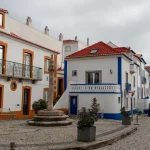
📷 Featured image by Filipe Nobre on Unsplash.