On this page
- Why Coimbra Feels Different From Every Other Portuguese City
- Coimbra’s Neighbourhoods: Where to Base Yourself
- The Must-See Sights: From Roman Ruins to Gothic Towers
- Where to Eat and Drink in Coimbra
- Getting Around Coimbra and Into the Region
- Day Trips From Coimbra: Central Portugal’s Hidden Circuit
- Coimbra After Dark: Fado Vadio, Student Bars, and Late Nights
- Shopping in Coimbra: Ceramics, Books, and Local Finds
- Where to Stay: Best Accommodation Areas by Budget
- When to Visit Coimbra: Seasons, Festivals, and Student Rhythms
- Practical Tips for Visiting Coimbra in 2026
- Daily Budget Breakdown for Coimbra
- Frequently Asked Questions
💰 Click here to see Portugal Budget Breakdown
💰 Prices updated: September, 2026. Budget figures are estimates — always verify before travel.
Exchange Rate: $1 USD = €0.88
Daily Budget (per person)
Shoestring: €40.00 – €70.00 ($45.45 – $79.55)
Mid-range: €150.00 – €300.00 ($170.45 – $340.91)
Comfortable: €400.00 – €1,000.00 ($454.55 – $1,136.36)
Accommodation (per night)
Hostel/guesthouse: €15.00 – €50.00 ($17.05 – $56.82)
Mid-range hotel: €70.00 – €150.00 ($79.55 – $170.45)
Food (per meal)
Budget meal: €10.00 ($11.36)
Mid-range meal: €25.00 ($28.41)
Upscale meal: €60.00 ($68.18)
Transport
Single metro/bus trip: €1.90 ($2.16)
Monthly transport pass: €40.00 ($45.45)
Coimbra has a crowding problem — but not the kind you’d expect. It’s not overrun with cruise-ship tourists or Instagram pilgrims. The squeeze comes from its own students: 25,000 of them, enrolled at one of the oldest universities in the world, spilling across the hilltop Alta with black capes and loud opinions. In 2026, as Lisbon and Porto prices push more travellers to look inland, Coimbra is finally getting the attention it deserves — and it’s handling that attention on its own terms. This guide tells you exactly what to do, where to sleep, what to spend, and how to move through a city that rewards curiosity.
Why Coimbra Feels Different From Every Other Portuguese City
Stand at the top of the Rua das Escadas do Quebra Costas — the “bone-breaker” staircase — at 6pm on a Tuesday. You’ll hear it before you see it: the rumble of voices, a bike bell, the sharp clack of cobblestones underfoot. This is a city that runs on academic energy. Unlike Lisbon, where the buzz is imported by tourism, or Porto, where it’s driven by commerce, Coimbra’s pulse is internal. The university has been here since 1290, and the city has simply grown around it.
That produces a particular personality. Coffee is serious. Debate is louder than music. The architecture mixes medieval austerity with Baroque excess. And the local version of fado — fado de Coimbra — is slower, more melancholic, and performed exclusively by men, traditionally students or alumni. It’s a city that takes itself seriously without being unfriendly. Travellers who lean into that — who sit in a café with a book, who ask questions, who wander without a plan — tend to leave wanting more.
Coimbra’s Neighbourhoods: Where to Base Yourself
Alta (Upper City)
This is the historic core: the university, the library, the cathedral, the narrow alleys. Walking here in October when the academic year reopens, you’ll see students in black capes gathering outside faculty buildings. It’s atmospheric and central, but accommodation options are limited and uphill access is tiring. Best for travellers who want immersion in the historic fabric and don’t mind stairs.
Baixa (Lower City)
The commercial centre runs along the Rua Ferreira Borges and the area around Praça 8 de Maio. This is where you find most hotels, restaurants, and shops. It’s flat, walkable, and well-connected. The Mercado Municipal and the main bus and train connections are all here. Best for first-time visitors and anyone who wants convenience above all.
Santa Clara (Across the Mondego)
Cross the river and the pace drops immediately. Santa Clara is quieter, greener, and home to the Portugal dos Pequenitos garden and the Quinta das Lágrimas. This area suits travellers looking for a slower rhythm, and some excellent mid-range hotels have opened here since 2024 to meet growing demand from visitors who want to avoid the Baixa noise.
Solum and Montes Claros
These are residential neighbourhoods further from the centre, with good local restaurants that serve the university crowd. Travellers on a tighter budget who don’t mind a 20-minute walk or a short bus ride often find better value accommodation here.
The Must-See Sights: From Roman Ruins to Gothic Towers
Universidade de Coimbra
The university complex is a UNESCO World Heritage Site, and for good reason. The Biblioteca Joanina — built in the early 1700s — is the centrepiece: three ornate rooms stacked with 300,000 volumes, the gilded ceilings so detailed they seem painted rather than carved. Entry to the full university complex (library, chapel, Royal Palace courtyards, and tower) costs around €12.50 in 2026. Book online — walk-in queues still form by 10am even in low season.
Sé Velha (Old Cathedral)
Built in the 12th century and barely touched since, the Sé Velha is one of the best-preserved Romanesque cathedrals in Portugal. The exterior looks almost defensive — thick walls, narrow windows — and the inside is cool and spare, a sharp contrast to the gilded excess of the Baroque churches elsewhere in the city. Entry is €2.50. Go mid-morning when the light angles through the side windows.
Conímbriga Roman Ruins
Sixteen kilometres south of Coimbra, Conímbriga is one of the largest and best-preserved Roman settlements on the Iberian Peninsula. The site museum has been significantly upgraded since 2024, with new interpretive panels in English and a reorganised artifact collection. The mosaic floors — some intact since the 2nd century AD — are extraordinary. Budget two to three hours here.
Jardim Botânico
The university’s botanical garden covers 13 hectares on the slope below the Alta. It’s free to enter and largely uncrowded even in peak season. In spring the camellias flower in long corridors of pink and white. On a hot August afternoon, the shaded walkways along the central avenue smell of damp earth and old cedar.

Where to Eat and Drink in Coimbra
The Mercado Municipal
The covered market on Rua Olímpio Nicolau Rui Fernandes is the best place to start any morning in Coimbra. Inside, you’ll find stalls selling Serra da Estrela cheese in rounds wrapped in cloth, smoked chouriço hanging in strings, and flat trays of honey from the Lousã hills. A few stalls sell cooked food — the petiscos counter near the back does a plate of bacalhau à brás with a glass of Bairrada white for under €8.
Rua das Padeiras and the Baixa Restaurant Strip
This pedestrianised area behind Praça 8 de Maio is the most concentrated eating zone in the city. It runs from cheap student lunch counters (€7–9 for a full prato do dia with bread and a drink) to proper sit-down restaurants with grilled river lamprey in season (January to March). Avoid anywhere with a laminated English menu at the door — those are tourist traps, and Coimbra has enough locals to fill the good places without needing to court you.
Santa Clara Side
Cross the Ponte de Santa Clara for dinner if you want a quieter setting. A cluster of small restaurants along the road toward Quinta das Lágrimas serves good regional food — roasted kid, bean stews, oven-baked river trout. Tables often spill outside onto the riverside path. Prices here run about 15–20% lower than the equivalent restaurant in the Baixa.
Student Cafés in the Alta
Coffee in Coimbra is taken seriously. The university’s student association runs a café in the Alta that is open to the public — a bica costs €0.80 and the pastries are made locally. Café Santa Cruz, on Praça 8 de Maio, is the landmark option: a 16th-century church converted into a café, with stone vaulting overhead and marble tables. Expect to pay €1.20 for a coffee but nothing for the atmosphere.
Getting Around Coimbra and Into the Region
Coimbra has two train stations: Coimbra-B (the main national rail hub, about 3km from the centre) and Coimbra-A (right in the city centre, at the bottom of the Baixa). Most long-distance trains stop only at Coimbra-B, from where a short connecting regional train runs to Coimbra-A every 10–15 minutes. The CP Alfa Pendular from Lisbon takes around 1 hour 50 minutes to Coimbra-B; from Porto it’s about 1 hour. In 2026, CP has added several new Alfa departures on the Lisbon–Porto corridor, making day-tripping from either city practical.

Within Coimbra, SMTUC operates the city bus network. Routes 1, 3, and 7 connect the Baixa with the Alta and the university area. Tickets cost €1.70 on board; a 24-hour pass is €4.30. The city also has an elevator (Elevador do Mercado) connecting the lower city to the Alta — free with a Coimbra Card.
Taxis and ride-share apps (Bolt and Uber both operate here) are useful for reaching areas outside the centre or for night journeys back from Santa Clara. A cross-city Bolt typically runs €4–7.
Walking is genuinely viable for most of the central area, though be prepared: the Alta is steep. Wear shoes with grip on the cobblestones, especially after rain.
Day Trips From Coimbra: Central Portugal’s Hidden Circuit
Conímbriga (16km — 30 min by bus)
Bus 178 runs from Coimbra’s Praça da República directly to the Conímbriga museum entrance twice daily. Return journey timing requires planning — check the current SMTUC schedule before you go. A taxi from the centre costs around €20 each way if you want flexibility.
Serra da Estrela (90km — 1.5 hrs by car)
Portugal’s highest mountain range is an easy drive east. In 2026, the N17 road through Covilhã has been resurfaced and is now a much smoother drive than pre-2024. The Serra produces Portugal’s most famous cheese, and several quintas near Seia do tastings with advance booking. In winter (December–February), light snow on the peaks draws Portuguese visitors; in summer the walking trails above 1,500m are cool and largely empty.
Figueira da Foz (45km — 45 min by train)
The nearest Atlantic beach town to Coimbra, connected by a direct CP regional train. The beach is wide and reliably windy — popular with surfers and kite-surfing schools. The old town is small but has a decent casino and a fish market that operates from early morning. A good option for a summer beach day without the Algarve prices.
Aveiro (60km — 45 min by train)
Often called “the Venice of Portugal” — which is an overstatement, but the canal-side streets and the moliceiro boat rides are genuinely pretty. More usefully, Aveiro’s art nouveau architecture and the Vista Alegre porcelain factory outlet make it a solid half-day trip. Take the direct Alfa from Coimbra-B.
Lousã and Góis (30–40km — car recommended)
For travellers with a hire car, the schist villages in the hills south of Coimbra — particularly Lousã, Cerdeira, and Góis — are some of the most atmospheric rural Portugal you can reach in under an hour. Several villages have been restored as rural tourism projects, with accommodation, craft workshops, and walking routes. The valley roads through chestnut and pine forest are narrow but well-marked.
Coimbra After Dark: Fado Vadio, Student Bars, and Late Nights
Coimbra’s nightlife runs on a student calendar. During term time (October to May), the Alta and the area around Praça da República are genuinely lively until 2–3am. In summer, things are quieter — many students leave — and the late-night energy shifts down to the riverside terraces along the Parque Verde do Mondego.
Fado de Coimbra is performed in a handful of dedicated venues: À Capella (inside a converted 14th-century chapel on Rua do Corpo de Deus) is the best-known. The acoustics are remarkable — the medieval stone walls amplify a single guitar into something that fills the room completely. Shows typically start at 9:30pm; a ticket with a drink costs around €12–15. This is not background music. Arrive ready to listen.
For regular bar-hopping, the streets around Praça da República are the student nucleus: Bar Diligência, Bar Quebra Costas, and several unnamed spots with cheap beer (€2–2.50 for a draft imperial) and loud conversation. The bar scene here is social rather than clubby — more about talking than dancing.
If you want a club, Via Latina near the river runs late on weekends with a mixed student and local crowd. Entry is usually free before midnight.
Shopping in Coimbra: Ceramics, Books, and Local Finds
The best shopping street in Coimbra is Rua Ferreira Borges in the Baixa — a pedestrianised strip with a mix of Portuguese chain stores, independent shoe shops, and a few artisan outlets. For ceramics, look for Bordalo Pinheiro pieces (made in Caldas da Rainha but widely stocked here) and locally made faiance from studios in the Alta.
Livraria Bertrand and the university bookshops in the Alta stock strong selections of Portuguese literature in translation — useful if you’re looking for something to read on the train south. The secondhand book stalls near the Sé Velha are worth 20 minutes of browsing.
The Mercado Municipal also has a small section of non-food artisan goods: handwoven linen, cork items, and honey products from the Lousã region. Serra da Estrela cheese in vacuum-sealed packaging travels well and makes a genuinely local gift.
For student-culture souvenirs, the university shop inside the academic complex sells officially licensed capes, pins, and branded stationery — considerably more meaningful than generic ceramic tiles.
Where to Stay: Best Accommodation Areas by Budget
Budget (under €60/night)
The Baixa has several hostels and guesthouses in the €25–55 range per night. Guesthouses near Praça 8 de Maio are the most practical — central, walking distance to the university, and close to the best coffee. Some older pensões in the Alta offer cheaper rooms, but access involves significant stair-climbing.
Mid-Range (€60–130/night)
This is where Coimbra offers the best value in 2026. A cluster of 3-star hotels in the Baixa and a growing number of boutique guesthouses in Santa Clara offer clean, well-located rooms with breakfast for €75–110. The Santa Clara options are quieter and often have parking — useful if you’re driving into the region.
Comfortable/Luxury (€130–220+/night)
The Quinta das Lágrimas hotel, set in a 14th-century estate on the Santa Clara side of the Mondego, remains the most atmospheric high-end option in Coimbra. Its gardens are open to non-guests for a fee. A handful of design hotels have opened in the Baixa since 2024, targeting the boutique business travel segment, and these also work well for leisure travellers who want sleek rooms without leaving the city centre.
When to Visit Coimbra: Seasons, Festivals, and Student Rhythms
The city has two distinct personalities depending on the academic calendar. From October to May, the university is in session: the streets are full, the cafés are loud, and fado performances happen regularly. From June to September, the student population thins dramatically — the city is quieter, hotter, and in some ways easier to navigate.
The Queima das Fitas festival in May is the single most important event on the Coimbra calendar. Students burn their faculty ribbons at the end of the academic year in a week of parades, outdoor concerts, and late-night serenatas. It fills hotels for 10 days — book months in advance if you want to be here for it.
Weather-wise: June through August is reliably warm and dry (28–34°C). September and October are excellent — warm days, cooler evenings, and the first weeks of the new academic year bring energy back to the streets. Winter (December–February) is mild by northern European standards (8–14°C) but can be grey and wet. The Serra da Estrela is beautiful in winter if you have a car.
Practical Tips for Visiting Coimbra in 2026
- Language: English is widely spoken by students and younger residents. In older restaurants and markets, a few words of Portuguese — obrigado/obrigada, por favor, a conta — go a long way.
- Safety: Coimbra is very safe. Petty theft is rare compared to Lisbon or Porto. Standard urban precautions apply, particularly around the train stations at night.
- Tipping: Not obligatory. Rounding up to the nearest euro is common in cafés. In restaurants, €1–2 per person on a good meal is appreciated but never expected.
- Water: Tap water is safe to drink throughout Coimbra. Carry a refillable bottle — the city has public fountains, particularly in the Alta.
- SIM Cards: Pick up a NOS or Vodafone Portugal SIM at either train station or the main post office on Avenida Fernão de Magalhães. A 30-day data plan with generous allowance runs €12–20 in 2026.
- University Access: Certain university buildings require booked tickets. The Biblioteca Joanina in particular limits entry numbers strictly — book at least 48 hours ahead in summer.
- Coimbra Card: Available for 24 or 48 hours (€13.50 / €21), it covers most museum entries and unlimited city bus travel. Useful if you’re doing multiple sites in a short stay.
Daily Budget Breakdown for Coimbra
Budget Traveller — €50–70/day
- Hostel bed or budget guesthouse: €25–35
- Coffee and pastry at a student café: €2–3
- Prato do dia lunch at a Baixa counter: €7–9
- Self-catered or market dinner: €8–12
- One museum entry or university complex: €8–12
- Draft beer in a student bar: €2–2.50
Mid-Range Traveller — €100–150/day
- Boutique guesthouse or 3-star hotel: €70–100
- Breakfast at a café: €4–6
- Sit-down restaurant lunch with wine: €18–25
- Dinner at a Santa Clara restaurant: €22–30
- University complex full ticket: €12.50
- Fado evening at À Capella: €12–15
Comfortable Traveller — €200–280/day
- Quinta das Lágrimas or design hotel: €130–220
- Full breakfast included or at a café: €8–12
- Long lunch with regional wine: €35–50
- Hire car for a day trip to Serra da Estrela: €45–60
- Private fado tour or guided university visit: €30–50
Frequently Asked Questions
Is Coimbra worth visiting for just one day?
Yes, but one day is tight. A full day gets you the university complex including the Biblioteca Joanina, the Sé Velha, a decent lunch in the Baixa, and a walk through the botanical garden. Two days allows you to breathe properly and add a day trip to Conímbriga or the Lousã schist villages without rushing.
How do I get from Lisbon to Coimbra?
The fastest option is the CP Alfa Pendular train, which runs several times daily from Lisbon Oriente to Coimbra-B in around 1 hour 50 minutes. Tickets cost €18–25 depending on booking time. In 2026, CP has expanded Alfa departures on this corridor, so same-day booking is often possible outside school holidays.
What is fado de Coimbra and how is it different from Lisbon fado?
Fado de Coimbra is slower and more formal than Lisbon’s style. It’s traditionally performed by male university students or alumni, accompanied by the Portuguese guitar and viola baixo. The subject matter tends toward love, longing, and academic life. À Capella in the Rua do Corpo de Deus is the most respected venue for hearing it performed properly.
When is the Queima das Fitas and how do I get tickets?
Queima das Fitas runs for approximately 10 days in early-to-mid May, marking the end of the academic year. The main outdoor concerts require tickets purchased through the Associação Académica de Coimbra’s official website — these sell out weeks in advance. The street serenatas and parades are free to watch. Book accommodation at least three months ahead for this period.
Is Coimbra suitable for families with children?
Absolutely. Portugal dos Pequenitos across the Mondego is a child-focused theme park with miniature versions of Portuguese monuments — genuinely engaging for children under 12. The Conímbriga Roman ruins are well-suited to older children who enjoy history. The city is compact, walkable (with some hills), and very safe. Most restaurants welcome children without issue.
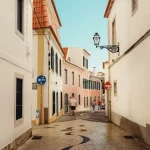
📷 Featured image by Ricardo Resende on Unsplash.