On this page
- The Soul of Lagos: What Kind of Town Is This?
- Old Town, Marina, or Meia Praia: Which Area Fits You?
- What You Actually Need to See (and Do) in Lagos
- Where to Eat and Drink in Lagos
- Getting Around Lagos and Reaching It from Faro Airport
- Day Trips Worth the Journey
- Lagos After Dark
- Shopping in Lagos
- Where to Stay in Lagos
- When to Go: Seasons, Crowds, and Festivals
- Practical Tips for First-Time Visitors
- 2026 Budget Breakdown: What Lagos Actually Costs
- Frequently Asked Questions
💰 Click here to see Portugal Budget Breakdown
💰 Prices updated: September, 2026. Budget figures are estimates — always verify before travel.
Exchange Rate: $1 USD = €0.88
Daily Budget (per person)
Shoestring: €40.00 – €70.00 ($45.45 – $79.55)
Mid-range: €150.00 – €300.00 ($170.45 – $340.91)
Comfortable: €400.00 – €1,000.00 ($454.55 – $1,136.36)
Accommodation (per night)
Hostel/guesthouse: €15.00 – €50.00 ($17.05 – $56.82)
Mid-range hotel: €70.00 – €150.00 ($79.55 – $170.45)
Food (per meal)
Budget meal: €10.00 ($11.36)
Mid-range meal: €25.00 ($28.41)
Upscale meal: €60.00 ($68.18)
Transport
Single metro/bus trip: €1.90 ($2.16)
Monthly transport pass: €40.00 ($45.45)
Finding a quiet corner of the Algarve in 2026 is harder than it used to be. Mass tourism infrastructure has swallowed much of the central coast, and first-timers often arrive at their “charming fishing village” to find a strip of Irish pubs and souvenir shops. Lagos is not immune to summer crowds — let’s be honest about that — but it holds something the overdeveloped resorts do not: a real town underneath the tourism, with a medieval old quarter, wild cliff coastline, and enough independent character to justify the hype. If you plan around the shoulder seasons and know which pockets to prioritise, Lagos rewards you properly.
The Soul of Lagos: What Kind of Town Is This?
Lagos sits at the western end of the Algarve, right where the landscape starts to get dramatic. The cliffs are taller, the rock formations more surreal, and the Atlantic feels genuinely raw rather than resort-tamed. The town itself has about 22,000 permanent residents — small enough to feel human, large enough to have actual neighbourhood life beyond beach bars.
The comparison point most travellers need is Albufeira. Where Albufeira has largely surrendered its centre to nightclub tourism, Lagos has kept its historic core intact. The old town walls still stand. The lanes inside them are narrow, cobbled, and lined with tiled buildings that look like they’ve been there for centuries — because they have. The marina area is slicker and more international, but even that has a relaxed energy rather than a forced resort feel.
The crowd here skews slightly older and more independent than the party-package resorts further east, though the bar street around Rua 25 de Abril still fills up late in summer. Surfers, couples on their first Portugal trip, families who want beaches without waterparks, and slow travellers spending two weeks in one place — Lagos suits all of them.
Old Town, Marina, or Meia Praia: Which Area Fits You?
Lagos divides naturally into distinct pockets, and choosing where to base yourself shapes the whole trip.
The Old Town (Cidade Velha)
Enclosed by the original Moorish and later Portuguese fortifications, the old town is the historic and social heart of Lagos. This is where you’ll find the covered market, the main praças, the best independent restaurants, and the quieter guesthouses tucked into residential lanes. It’s walkable to the clifftop beaches within 15–20 minutes. Best for: travellers who want culture and convenience in one package.
Marina District
South of the old town, along the Arade riverfront, the marina has a newer, more polished feel. Hotels here are larger and more corporate, the restaurants cater to international palates, and sunset views across the water are genuinely excellent. It’s the right base if you’re planning boat trips or want easier access to the sandy Meia Praia beach across the river. Best for: families, couples who want comfort over character.

Meia Praia
Technically a separate strip across the estuary, Meia Praia is Lagos’ longest beach — 4 kilometres of uninterrupted sand with far fewer people than the clifftop coves to the south. Accommodation here ranges from small apartment rentals to mid-range beach hotels. There’s no real town life, but the trade-off is space and quiet. Best for: beach-focused travellers who don’t need evening entertainment within walking distance.
What You Actually Need to See (and Do) in Lagos
Ponta da Piedade
This is the non-negotiable. The headland 2 kilometres south of town is a geological spectacle — golden limestone arches, sea stacks, grottos, and caves carved by millennia of Atlantic swells. The walkway from the lighthouse car park takes you to viewing platforms where the colour of the water below shifts from turquoise to deep jade depending on the time of day. Go early morning before the tour groups arrive; the light is better and the paths are quiet enough to hear the waves echoing through the rock chambers below.
Kayak and Boat Grotto Tours
Seeing Ponta da Piedade from the cliff path is one thing. Paddling through the sea arches at water level is entirely different. Kayak hire from Praia de Dona Ana or guided RIB boat tours from the marina take you inside the grottos, where dripping ochre walls close around you and the ocean churns just outside. Morning departures get calmer seas and better light inside the caves. Tours run from around €25–€40 per person depending on duration.
Museu Municipal and the Slave Trade History
The old town’s Praça da República holds the Igreja de Santa Maria and, nearby, what is believed to be Europe’s first slave market building — the Mercado de Escravos. The museum inside handles this history seriously and without sanitising it. Entry in 2026 costs €3. It’s not a long visit but it’s a genuinely important one, particularly given Lagos’ central role in the 15th-century Portuguese Atlantic trade routes.
Praia do Camilo and Praia de Dona Ana
The clifftop coves immediately south of town — Dona Ana, Camilo, and the smaller pocket beaches reachable on foot — are the classic Lagos beach experience. Wooden staircases descend through the sandstone cliffs to small, sheltered strips. They fill up fast in July and August, but in May, June, or September you can still find a quiet corner. The water here is cold by Mediterranean standards — Atlantic temperatures rarely exceed 22°C even in peak summer.
Fort da Ponta da Bandeira
A 17th-century sea fort sitting at the marina entrance, restored and open to visitors. The interior is modest but the position is striking — you walk across a small drawbridge and stand in a structure built specifically to protect the town from sea-borne attack. Entry is €4 and takes about 45 minutes.
Where to Eat and Drink in Lagos
The best food in Lagos is concentrated in a few reliable zones. Knowing them saves time.
Rua 25 de Abril and Surrounding Lanes
This pedestrianised street and the alleys feeding off it form the densest concentration of restaurants in the old town. Quality varies — tourist menus appear alongside genuinely good local cooking. The reliable rule: look for places with handwritten daily specials boards, full tables of Portuguese families, and no laminated photos on the menu. There are at least a dozen independent spots here doing fresh fish, cataplana stew, and grilled octopus at honest prices.
Mercado de Lagos
The covered market on Rua Lancharote de Freitas runs every morning except Sunday. The ground floor sells fresh produce, fish, and local cheese. The upper floor has a small food hall with lunch counters doing petiscos (Portuguese small plates), bifanas (pork sandwiches), and pressed juices. It’s the best cheap lunch in town — you’ll eat well for under €10. Arrive before noon; most counters close by 14:00.
Marina Restaurant Strip
The marina boardwalk has a string of larger restaurants with water views and more extensive wine lists. Prices run higher here — expect €18–€28 per main — but the quality at the better spots is solid. This is where you go for a longer, slower dinner with good Alentejo wine and no rush to turn the table.

Getting Around Lagos and Reaching It from Faro Airport
Lagos is small enough that the old town and most beaches are walkable from a central base. The cliff beaches to the south are 15–20 minutes on foot from Praça Gil Eanes. Ponta da Piedade is 2 kilometres further — a reasonable walk or a short taxi ride (€6–€8).
From Faro Airport
Faro Airport is the main gateway to the Algarve and sits roughly 90 kilometres east of Lagos. Options in 2026:
- Train + bus: Take the CP regional train from Faro to Lagos direct — the journey takes around 1 hour 40 minutes and costs €8–€10. Trains run several times daily. This is the cheapest and most scenic option, running along the coast with stops through Albufeira and Portimão.
- Private transfer: Door-to-door from Faro Airport costs €60–€80 depending on operator and group size. Several services now offer fixed-price bookings through apps.
- Rental car: Driving from Faro takes about 75 minutes on the A22 (Via do Infante). The A22 toll is electronic — ensure your rental car has a working transponder or arrange toll payment with the company before departure. In 2025, Portugal tightened enforcement of foreign vehicle toll debts, so don’t ignore this.
Within Lagos
The EVA bus network connects Lagos to Portimão, Sagres, and the surrounding villages. The local Giro bus runs within town and out to Meia Praia. Cycling is practical in the flatter parts of town, and several hire shops near the marina rent e-bikes for €20–€30 per day — useful for the uphill climb back from the clifftop beaches.
Day Trips Worth the Journey
Sagres and Cabo de São Vicente
Europe’s southwestern tip is 30 kilometres from Lagos and takes about 35 minutes by bus (Eva line, ~€4 each way) or 25 minutes by car. The fortress at Sagres sits on a flat plateau above sheer cliffs. Cabo de São Vicente, 6 kilometres further, has the most atmospheric lighthouse on the Portuguese coast — wind-battered, remote, and genuinely at the edge of the continent. The drive between the two is short and the combined visit takes half a day.
Silves
The medieval Moorish capital of the Algarve sits 35 kilometres northeast, inland from the coast. The red sandstone castle above the town is one of the best-preserved in southern Portugal. The town itself is quiet and largely untouched by resort development — terracotta rooftops, orange groves, and a river that still actually flows. Take the train to Tunes and connect to Silves (total journey about 1 hour), or drive directly in 40 minutes. The Beer Festival in August is one of the Algarve’s best local events.

Portimão and Praia da Rocha
Portimão is 18 kilometres east — a working port town with a strong fishing identity and one of the best sardine restaurant strips in the Algarve along the riverside Rua Teófilo de Braga. Praia da Rocha, just south, is a wide sandy beach with more facilities than the Lagos coves. The bus takes about 30 minutes and costs €2.50. Combine a Portimão lunch with an afternoon at Praia da Rocha for a solid half-day.
Monchique and Serra de Monchique
Head 40 kilometres north into the hills and the Algarve’s coastal flatness gives way entirely. The Serra de Monchique is forested, cool, and largely undiscovered by beach tourists. The village of Monchique has a small spa tradition — the thermal waters at Caldas de Monchique have been running since Roman times. Drive up for lunch and the views from Fóia peak (902 metres), or take the Eva bus from Lagos (about 1 hour 15 minutes).
Lagos After Dark
Lagos has a proper bar scene without tipping into the chaos of a resort strip. The action centres on a few key streets in the old town.
Rua 25 de Abril is where most bars are clustered — a pedestrianised lane that comes alive after 22:00. The crowd is young but mixed, a lot of long-term backpackers and language school students alongside summer tourists. Several spots have live acoustic music from around 21:00 — nothing elaborate, but enough to sit with a Sagres and feel like you’re somewhere real.
For something quieter, the wine bars around Rua Cândido dos Reis serve Alentejo and Douro wines by the glass with petiscos until midnight. The atmosphere is older and more local. A glass of decent Herdade do Esporão will run you €5–€7.
Rooftop options are limited in Lagos compared to Lisbon, but a few old town guesthouses have small terrace bars open to non-guests in summer — ask at your accommodation or look for signs near Praça Luis de Camões in the evenings.
There are no major clubs in the old town — the nearest proper club scene is in Portimão. Lagos nightlife is best understood as bar-hopping and late outdoor dining rather than clubbing.
Shopping in Lagos
The main shopping street is Rua Cândido dos Reis, which runs through the old town and has a mix of local boutiques, ceramic shops, and a handful of international brands. Quality ranges enormously — the tourist-facing shops near the main square sell factory ceramics from elsewhere in Portugal, while the better independent shops stock hand-painted pieces from local Algarve potters. Ask about provenance before buying.
The Saturday morning market near the bus station on Avenida dos Descobrimentos is the best weekly market in Lagos — local produce, honey, figs, almonds, handmade leather goods, and the odd genuinely good antiques stall. Get there before 10:00 for the best selection; most vendors pack up by 13:00.
For local food to take home: vacuum-packed smoked fish, Algarve almond products (marzipan sweets, roasted almonds), and locally harvested flor de sal from the Ria Formosa are the most practical and genuinely local options. The mercado and several delis in the old town stock all three.
Where to Stay in Lagos
Budget (under €60/night)
Hostels in the old town run €20–€35 for a dorm bed. Private rooms in guesthouses and small pensões go from €50–€70 in shoulder season, sometimes under €60. The area around Rua da Barroca has several family-run guesthouses with character that larger hotels can’t replicate.
Mid-Range (€70–€140/night)
This tier has the best value in Lagos. Boutique guesthouses in the old town — typically 8–16 rooms in converted townhouses with breakfast included — hit a sweet spot of location and quality. The marina area has a few mid-range hotels with pools, better suited to families who want amenities over atmosphere.
Comfortable/Luxury (€150–€300+/night)
High-end options in Lagos are limited compared to the eastern Algarve’s resort belt. The town’s best luxury accommodation tends to be small design hotels and high-end villa rentals rather than five-star chains. Meia Praia has a couple of larger beachfront properties with pools, spas, and restaurant facilities. Book these at least 3 months ahead for July and August — they sell out consistently.
When to Go: Seasons, Crowds, and Festivals
The Algarve’s peak season runs June through August. In Lagos, this means full beaches by 10:00, restaurant queues in the evening, and accommodation prices at their highest. July and August are hot — regularly hitting 30–34°C inland, slightly cooler on the clifftops where the Atlantic breeze does some work.
May and June are the sweet spot. Water temperatures are still cool (18–20°C) but the weather is reliably warm and sunny, crowds are manageable, and prices are 20–35% lower than peak. The wildflowers along the clifftops bloom in April and May, and Ponta da Piedade in this light is something you remember.
September and October offer warm, stable weather with the summer crowds gone. The sea is at its warmest (21–22°C) in September. This is arguably the best overall month to visit.
Winter (November–February) is mild by northern European standards — daytime temperatures of 14–18°C — but many smaller restaurants and accommodation options reduce hours or close entirely. The town takes on a quiet, local character that some slow travellers specifically seek out.
Worth timing around: the Festa de São João in late June has local street celebrations in the old town. The Silves Beer Festival in August is within easy day-trip range. The Lagos International Motorcycle Rally (usually held in July) transforms the town for a weekend and is worth knowing about — avoid that weekend if you’re not into it, or lean in if you are.
Practical Tips for First-Time Visitors
- Safety: Lagos is safe. Petty theft from bags on busy beaches is the main risk in summer — use the lockers at larger beaches or don’t bring valuables.
- Language: English is spoken widely in tourist areas. Making any effort in Portuguese — even just obrigado/obrigada and por favor — is noticed and appreciated.
- Tipping: Not mandatory but appreciated. Rounding up the bill or leaving €1–€2 per person at a sit-down restaurant is standard. Never expected at counters or mercado stalls.
- SIM cards: Pick up an NOS or Vodafone Portugal SIM at Faro Airport or the Lagos town centre phone shops. A 30-day data plan runs €15–€25 and covers the whole country.
- Water: Tap water in Lagos is safe to drink. Save the plastic.
- Beach flags: Red flag means no swimming — this isn’t a suggestion on the Atlantic coast. The swell can be unexpectedly powerful even on calm-looking days.
- Siesta hours: Some smaller shops close 13:00–15:00, particularly in the old town. The mercado and tourist-facing shops often stay open through lunch.
2026 Budget Breakdown: What Lagos Actually Costs
These figures reflect real 2026 pricing and assume a mid-summer visit. Shoulder season costs run 15–25% lower across most categories.
Budget Traveller — €60–€80/day
- Dorm bed: €20–€30
- Mercado lunch + self-catered breakfast: €10–€12
- One sit-down dinner (set menu or simple restaurant): €14–€18
- Beach, walking, free sights: €0
- One activity (kayak grotto tour): €25–€30 (spread across days)
- Drinks (2–3 local beers or wine): €6–€9
Mid-Range Traveller — €130–€180/day
- Boutique guesthouse: €80–€120
- Café breakfast: €6–€9
- Lunch at mercado or local restaurant: €12–€16
- Dinner at a proper restaurant with wine: €30–€45
- Activities and transport: €20–€30
Comfortable Traveller — €250–€350+/day
- Design hotel or villa: €160–€280
- Full restaurant dining with good wine: €60–€90 per person
- Private boat trip or guided tour: €60–€100
- Car hire, fine dining extras, spa treatments: variable
Frequently Asked Questions
Is Lagos worth visiting in 2026, or has it become too touristy?
Lagos is busy in peak summer but not ruined. The old town has retained its character, the coastline is still spectacular, and the independent restaurant and bar scene holds up well. Visiting in May, June, or September dramatically reduces the crowd problem while keeping the good weather.
How do I get from Faro Airport to Lagos?
The CP regional train is the cheapest option at €8–€10 (around 1 hour 40 minutes); private transfers run €60–€80; driving the A22 takes about 75 minutes. Full details and toll road advice are covered in the transport section above.
What are the best beaches near Lagos?
Praia de Dona Ana and Praia do Camilo are the closest clifftop coves — stunning but small and crowded in summer. Meia Praia is Lagos’ longest beach (4 km) and much less packed. Praia da Luz, 8 kilometres west, is a quieter village beach worth the short drive or bus ride.
Is Lagos safe for solo travellers?
Yes. Lagos is one of the safer small towns in southern Portugal. The main concerns for solo travellers are standard: watch your belongings on busy beaches, use well-lit streets at night, and be aware that the bar strip around Rua 25 de Abril gets rowdy very late in summer. None of this is unusual or alarming.
What is the best month to visit Lagos for good weather without the crowds?
September is the overall best month — warm, stable, sea temperatures at their peak, and summer crowds have cleared. May and June are the best spring options, with reliable sunshine and prices noticeably lower than July and August. Avoid the last two weeks of July and all of August if crowds bother you.
Explore more
Top Clubs in Lagos: Where to Dance Until Dawn in the Algarve
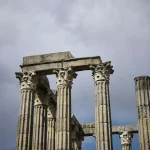
📷 Featured image by Teddy Jansen on Unsplash.