On this page
- What Makes the Algarve Feel Different from the Rest of Portugal
- Best Areas to Base Yourself
- Beaches, Cliffs, and Natural Highlights Worth the Journey
- Where to Eat and Drink in the Algarve
- Getting Around the Algarve
- Best Day Trips from the Algarve
- Nightlife and Evening Entertainment
- Shopping in the Algarve
- Where to Stay by Budget
- When to Visit the Algarve
- Practical Tips for the Algarve
- Algarve Budget Breakdown for 2026
- Frequently Asked Questions
💰 Click here to see Portugal Budget Breakdown
💰 Prices updated: August, 2026. Budget figures are estimates — always verify before travel.
Exchange Rate: $1 USD = €0.86
Daily Budget (per person)
Shoestring: €40.00 – €90.00 ($46.51 – $104.65)
Mid-range: €130.00 – €200.00 ($151.16 – $232.56)
Comfortable: €250.00 – €500.00 ($290.70 – $581.40)
Accommodation (per night)
Hostel/guesthouse: €15.00 – €45.00 ($17.44 – $52.33)
Mid-range hotel: €100.00 – €190.00 ($116.28 – $220.93)
Food (per meal)
Budget meal: €10.00 ($11.63)
Mid-range meal: €35.00 ($40.70)
Upscale meal: €100.00 ($116.28)
Transport
Single metro/bus trip: €2.00 ($2.33)
Monthly transport pass: €40.00 ($46.51)
The Algarve has a problem with expectations — almost everyone arrives expecting a sun-and-sea package holiday and leaves realizing they barely scratched the surface. In 2026, the region is more visited than ever, which means the gap between travelers who plan well and those who don’t has widened considerably. Prices have risen sharply since 2023, summer crowds at the most famous beaches now rival Barcelona, and yet the quieter corners — the whitewashed villages, the river towns, the wild western coast — remain genuinely unhurried. This guide is built for people who want to make smart choices from the moment they land at Faro Airport.
What Makes the Algarve Feel Different from the Rest of Portugal
Portugal’s southernmost region stretches roughly 150 kilometres along the Atlantic coast, but calling it simply a beach destination misses most of what’s here. The Algarve has its own dialect, its own cuisine, its own pace. The light here is different too — sharper and more golden than Lisbon’s, bouncing off the limestone cliffs in a way that makes every late afternoon feel cinematic.
The region splits naturally into three zones. The Barlavento (western Algarve) runs from Lagos to Sagres and delivers the dramatic rocky coastline most people picture. The central Algarve around Albufeira and Portimão is the developed tourist corridor — efficient, busy, and full of infrastructure. The Sotavento (eastern Algarve) stretches from Faro toward the Spanish border and is the quietest stretch: tidal lagoons, salt flats, barrier islands, and old towns that still function as working Portuguese communities rather than resort machines.
In 2026, the Algarve Regional Tourism Authority has pushed harder to distribute visitors across all three zones, partly through improved bus connections to the eastern towns and a new cycling trail network linking Faro to Tavira. It’s working, slowly. But most visitors still funnel into the central corridor, which means the eastern towns genuinely reward those who make the short detour.

Best Areas to Base Yourself
Lagos
The most popular base in the western Algarve and, in many travelers’ view, the most complete town in the region. Lagos has a historic walled center, good transport links, beaches within walking distance, and a restaurant and bar scene that runs year-round. It suits independent travelers, couples, and anyone who wants atmosphere alongside beach access. In summer, the Meia Praia bus runs frequently; in shoulder season, the town is quieter but still very much alive.
Tavira
The eastern Algarve’s standout town. Tavira sits astride the Rio Gilão, with a Roman bridge, a ruined Moorish castle, and whitewashed churches at every turn. The beach is reached by ferry to Ilha de Tavira — a barrier island with a long sandy stretch and almost no development. This is the right base for travelers who want authenticity over convenience and are happy to rent a car for day trips. It’s noticeably calmer than the western towns even in August.
Faro
Most people land here and leave immediately, which is their loss. Faro’s old walled city (the Cidade Velha) is one of the most underrated historic districts in Portugal — small, walkable, and almost entirely free of tourist tat. The Ria Formosa Natural Park wraps around the town, and boat trips into the lagoon leave from the marina. Faro works well as a base if you want urban convenience with easy access to both the eastern and central Algarve.
Sagres
At the southwestern tip of continental Europe, Sagres is where the Atlantic wind is always present and the sunsets look like they belong in a different country. The town is small, the accommodation options limited, and the pace is slow. It suits surfers, hikers, and travelers who specifically want to be away from the crowd. The beaches here — Praia do Martinhal, Praia da Mareta — are spectacular but can be cold and windy even in June.

Albufeira
The Algarve’s largest resort town is unashamedly commercial and built for volume tourism. The old town has some charm, and the beaches are genuinely excellent, but if you’re looking for a quiet Portuguese experience, this isn’t the right base. It works for families who want all-inclusive options, easy beach access, and plenty of child-friendly infrastructure.
Beaches, Cliffs, and Natural Highlights Worth the Journey
The Algarve has around 150 beaches, which sounds overwhelming until you realize they vary so dramatically that the experience of visiting Praia da Marinha and Meia Praia feels like two different countries.
Standing at the top of the ochre-red cliffs at Praia da Marinha near Carvoeiro, looking down at the turquoise water threading through sea stacks and natural arches below — that view is why people fly specifically to this coast. The descent path is steep and the beach fills by 10am in July, so arrive early or walk the clifftop trail instead.
Praia de Benagil is the most photographed spot in the Algarve and by 2026 has a timed-entry kayak system to manage crowds — book 48 hours in advance through the official Benagil beach operator portal if you want to paddle inside the sea cave. The alternative is a boat tour from Carvoeiro or Portimão, which takes you past the cave without entering.
Inland, the Caldeirão mountain range in the northeast offers a completely different landscape: cork oak forests, schist villages, and the Odeleite reservoir. The village of Alcoutim sits on the Spanish border above the River Guadiana — you can wave at residents of Sanlúcar de Guadiana across the water. The Rota Vicentina walking trail crosses through the western part of the region, and sections between Aljezur and Sagres are among the most dramatic coastal walks in southern Europe.
The Ria Formosa Natural Park — the lagoon system that runs along the eastern coast — is one of Portugal’s most important wetland reserves. Flamingos are present year-round. Boat tours from Faro or Olhão take you through the channels between barrier islands, and the silence out there on a weekday morning in May is something the main beaches simply can’t offer.
Where to Eat and Drink in the Algarve
The Algarve’s food scene is rooted in the fishing port, and the best eating experiences are usually the simplest ones. The key is knowing which streets and markets to head for in each town.
In Olhão, the twin market buildings on the waterfront — Mercado de Peixe and Mercado da Fruta — are the most atmospheric food markets in the region. On Saturday mornings, the outdoor market overflows into the surrounding streets, and the smell of grilled fish from the adjacent tascas hits you before you even reach the water. The streets immediately east of the market, around Rua da Guia, are lined with small family restaurants that have no menus in English and charge half what you’d pay in Lagos.
In Lagos, Rua Silva Lopes and the streets around Praça Gil Eanes are the main restaurant corridor. Quality ranges from excellent to tourist-trap, so walk past the first two or three restaurants with pavement hawkers and go further in. The morning fish market on Rua das Portas de Portugal is small but real — locals shop here before 9am.

In Portimão, the riverside strip at Ferragudo across the bridge is worth the short drive — quieter, more local, and with views back over the harbor. The Portimão waterfront itself has good options near the Museu de Portimão, particularly at lunchtime when working locals fill the simpler restaurants.
In Tavira, the covered market on Rua Jacques Pessoa has a small food hall upstairs that operates weekday lunchtimes. The restaurants on the river terraces are tourist-facing but the food is generally reliable — stick to anything with fresh fish and you won’t be disappointed.
For drinks, Sagres town has a small central square that comes alive at sunset, with bars spilling out onto the pavement. In Lagos, the bar cluster around Rua Soeiro da Costa and Rua 25 de Abril forms the main nighttime drinking strip and also works as an afternoon wine-and-petiscos area.
Getting Around the Algarve
The honest answer is: rent a car. The Algarve’s highlights are spread across 150 kilometres of coast and into the hills, and public transport serves the main towns but misses nearly everything in between. Car rental at Faro Airport in 2026 averages €35–65 per day for a compact car through established operators — book at least two weeks ahead for July and August, when availability drops sharply and prices spike.
That said, the train line (CP Linha do Algarve) that runs from Lagos in the west to Vila Real de Santo António on the Spanish border via Faro is genuinely useful. It’s slow — Lagos to Faro takes about 1 hour 40 minutes — but cheap (around €4–7 for that journey in 2026) and runs reliably. The train won’t get you to most beaches, but it connects the main towns well.

EVA Transportes runs the main intercity bus network, with routes that cover some coastal towns not served by rail. The Rede Expressos long-distance bus connects Faro to Lisbon (around 3.5 hours, €20–28) with several departures daily. The Lisbon–Faro journey by CP train takes about 2 hours 45 minutes on the Alfa Pendular service — in 2026, CP expanded the daily frequency to eight round trips, making this a much more practical option than it was two years ago.
Faro Airport is compact and efficient. Taxis to Faro city center cost around €15–20. Rideshare apps (Uber and Bolt) operate here and are usually slightly cheaper. For the western Algarve, a taxi or transfer to Lagos from the airport runs €70–90 and takes about an hour.
Within towns, walking is almost always the best option. Albufeira is the exception — the old town and the main beach strip are far enough apart that the tourist train (a road train, not a rail vehicle) actually saves significant effort.
Best Day Trips from the Algarve
Silves
Just 20 kilometres north of Portimão, Silves was the Moorish capital of the Algarve and has a well-preserved red sandstone castle that dominates the town. The drive takes 25 minutes, or there’s a seasonal tourist train from Portimão. Half a day is enough; combine it with a visit to the orange groves and the old Arab baths below the castle walls.
Cabo de São Vicente
The southwestern tip of continental Europe, about 30 kilometres from Sagres, where the cliffs drop 60 metres straight into the Atlantic. There’s a lighthouse, a small café, and a persistent wind that makes the view feel even more elemental. From Lagos it’s an hour’s drive; from Sagres, 20 minutes. Go at sunset if you can — the colors on the cliffs are extraordinary.

Évora
A UNESCO-listed city in the Alentejo with a Roman temple, a medieval cathedral, and an ossuary chapel built from the bones of 5,000 monks. About 1 hour 45 minutes by car from Faro (follow the IP2 north). There’s no direct train, so this is really a car-trip destination. A full day gives you enough time without rushing.
Seville, Spain
Across the border in Spain, Seville is around 2 hours by car from the eastern Algarve (via the A22 and Spanish highways). It’s one of Europe’s great cities, and a day trip is entirely feasible from Faro or Tavira. Bring your passport — the border crossing is seamless within the Schengen zone but having ID is required. Summer heat in Seville (regularly above 40°C in July) makes this a better spring or autumn day trip.
Alentejo Coast (Costa Vicentina)
The wild coastline immediately north of Sagres, inside the Southwest Alentejo and Vicentine Coast Natural Park, is one of the least-developed stretches of European coastline. Beaches like Odeceixe, Zambujeira do Mar, and Praia do Amado are backed by rolling dunes and receive a fraction of the crowds of Algarve beaches. From Lagos it’s 45 minutes to an hour by car. Take a picnic — facilities are minimal by design.
Nightlife and Evening Entertainment
The Algarve’s nightlife geography is very concentrated. If you want full-scale nightclub energy, Albufeira’s “Strip” — Avenida São João de Deus — is the undisputed center of the region’s party scene, with bars opening around 10pm and clubs running until 6am in summer. It’s loud, English-speaking, and built entirely around tourist drinking culture. Not for everyone, but it does what it does efficiently.
Lagos offers something more balanced. The bar area around Rua Soeiro da Costa and Rua Cândido dos Reis has live music venues, craft beer bars, and a younger mixed crowd of travelers and locals. Stevie Ray’s live music bar has been a Lagos institution for years and in 2026 expanded its outdoor terrace. Music typically starts around 10:30pm.

Faro’s nightlife centers around the student quarter near the Universidade do Algarve — this is the most genuinely local drinking scene in the region, with prices noticeably lower than the tourist towns. The marina area has quieter wine bars good for evening drinks before dinner.
Rooftop bars have multiplied across the Algarve since 2024. In Portimão, the rooftop at the Bela Vista Hotel has views over the river estuary and becomes very popular at sunset. In Tavira, the terrace of the Convento de Santo António boutique hotel opens to non-guests for cocktails on summer evenings.
For live traditional music, fado nights happen irregularly in Faro and Tavira — check municipal event boards or ask at the local tourism office, as these are rarely advertised online with much advance notice.
Shopping in the Algarve
The Saturday morning market in Loulé is the best general market in the region — a permanent covered market building (the Mercado Municipal de Loulé, with its neo-Moorish facade) surrounded by an outdoor market that expands to fill the surrounding streets. Ceramics, local honey, dried figs, almonds, smoked sausages, and handwoven baskets are the things worth buying here. Loulé is 15 kilometres north of Faro and easily reached by car or bus.
In Lagos, the pedestrian streets around Rua da Barroca have a cluster of independent shops selling local ceramics, linen, and cork products. Cork goods (bags, wallets, notebooks) are ubiquitous across the Algarve — quality varies widely, so look for items that are thick and supple rather than thin and plasticky.

The Olhão Saturday market (and the smaller Friday market in the same location) is the place for regional food products: piri piri paste, carob syrup, local olive oil, dried tuna, and the small dried figs stuffed with almonds and fennel seed that are an Algarve specialty.
For ceramics specifically, the village of Porches between Portimão and Albufeira has been the Algarve’s pottery center for decades. The Porches Pottery workshop and showroom is the most established operation, with hand-painted pieces at prices that reflect the genuine craft labor involved. Expect to pay €15–60 for quality pieces.
Where to Stay by Budget
Budget (under €70 per night)
Hostels in Lagos are the best value in this tier — Black Sheep Hostel and Rising Cock remain popular in 2026, with dorm beds at €22–30 and private rooms at €55–70. Faro has good hostel options near the old town. Outside of July and August, guesthouses (pensões) in Tavira and Silves offer private rooms with breakfast in the €50–65 range.
Mid-range (€70–180 per night)
This is where the Algarve delivers excellent value in the shoulder season but requires careful booking in summer. Self-catering apartments in Lagos or Tavira through established platforms give the best flexibility. Boutique guesthouses in Ferragudo, Carvoeiro, and Monchique (in the hills) offer genuine character in this price band. Aim for smaller properties rather than large hotel complexes for better location and personality.
Comfortable/Luxury (€180–500+ per night)
The Algarve has a strong luxury hotel infrastructure. The Vale do Lobo and Quinta do Lago resort areas east of Faro concentrate the most established high-end properties, with golf courses, spa facilities, and private beach access. Further west, the Bela Vista Hotel in Portimão (a converted 19th-century manor house) and the Memmo Baleeira in Sagres both offer distinct luxury experiences without the resort-complex feel. Summer rates at top properties in the central Algarve easily exceed €500 per night — book three to four months ahead.

When to Visit the Algarve
May, early June, and September are the months that experienced travelers consistently choose. Temperatures sit between 22°C and 27°C, the sea is warm enough to swim (18–21°C in September), the beaches are uncrowded by comparison, and prices for flights and accommodation drop by 30–50% compared to July and August peaks.
July and August bring reliable heat (28–35°C), crowded beaches, peak prices, and the highest demand for car rentals and popular restaurants. If you must travel in this window — school holidays, family schedules — book everything at least three months in advance and set beach alarms for early morning. Before 9am and after 6pm, even the busiest beaches become manageable.
October is underrated. The light in October is softer and the water still carries the summer warmth (20°C or above). Rain becomes a possibility but is rarely persistent. November through March brings cooler weather (12–17°C), but the western Algarve stays mild enough for walking and cycling holidays, and some coastal restaurants close for the season.
Festival timing worth noting in 2026: the NOS Alive music festival (July, near Lisbon) pulls northern European visitors through Faro, so late July flight prices from the UK and Germany spike even for Algarve-bound travelers. The Silves Medieval Fair runs for ten days in late July or early August and turns Silves castle into a genuinely atmospheric medieval market. The Seafood Festival in Olhão (typically August) draws large crowds to the waterfront for five days of live music and outdoor grilling.
Practical Tips for the Algarve
Driving: Portuguese drivers are generally fast and confident. The A22 (Via do Infante) is the main east-west highway and charges tolls — in 2026 you still need to register a credit card with the Via Verde system or pay at CTT post offices if you’re in a rental car. Rental companies often add a daily toll-management fee (€3–8 per day); check your contract. Speed cameras are frequent and fines for foreign-registered vehicles are now processed directly to the credit card used for the rental, so respect the limits.

Beach flags: Green = safe to swim. Yellow = caution (swim but don’t wade). Red = no swimming. The western Algarve beaches can have strong undertow even in calm-looking conditions. Take the flags seriously — the Atlantic doesn’t behave like the Mediterranean.
Tipping: Not mandatory but appreciated. Around 5–10% is normal in sit-down restaurants if service was good. Rounding up the bill is common in cafés and tascas. No expectation of tipping in bars when buying drinks at the counter.
Language: Portuguese is the local language and English is widely spoken in tourist areas. In the eastern Algarve and inland villages, English is less common — a few words of Portuguese go a long way and are visibly appreciated. Obrigado/a (thank you), por favor (please), and bom dia (good morning) cover most encounters.
SIM cards: NOS, MEO, and Vodafone all have stores at Faro Airport arrivals hall. A tourist SIM with 15GB data costs around €15–20 in 2026. Alternatively, EU residents use their home data plans without roaming charges. Most cafés and restaurants offer free WiFi.
Water: Tap water is safe to drink throughout the Algarve. Some areas in the western region have a slightly mineral taste, but it’s perfectly fine. Buying bottled water is unnecessary and generates significant plastic waste.
Algarve Budget Breakdown for 2026
Costs have risen roughly 15–20% since 2023 in the main tourist areas, particularly for accommodation and beach-facing restaurants. Here’s a realistic daily breakdown by travel tier:
Budget Traveler (€60–90 per day)
- Hostel dorm bed: €22–30
- Breakfast at a café: €4–7
- Lunch at a tasca (prato do dia): €9–13
- Supermarket dinner or cheap restaurant: €8–15
- Bus/train transport: €3–8
- Two beers at a bar: €5–8
Mid-Range Traveler (€130–200 per day)
- Guesthouse or apartment: €75–130
- Breakfast included or café: €5–10
- Lunch at a beach restaurant: €18–28
- Dinner at a good local restaurant: €30–45 (with wine)
- Car rental share or day passes: €20–35
- Evening drinks: €15–25
Comfortable Traveler (€280–450+ per day)
- Boutique hotel or resort: €180–350
- Breakfast included
- Lunch at a seafood restaurant: €35–55
- Dinner at a quality restaurant: €55–90 (with wine)
- Private car rental: €45–65
- Boat trip, guided tour, or spa: €40–100
The biggest variable is always accommodation. A couple traveling in May sharing a mid-range guesthouse can live very comfortably for €160–180 per day total. The same couple in August at a beach-facing resort will spend €350–500 without trying.
Frequently Asked Questions
Is the Algarve worth visiting outside of summer?
Absolutely. May, June, September, and October offer warm weather, far fewer crowds, and significantly lower prices on flights and accommodation. The western Algarve also has a surf and hiking season that runs through winter, and Tavira and Faro function as pleasant city-break destinations year-round. Some beach restaurants close November through February, but towns stay open.
Do I need a car in the Algarve?
For most itineraries, yes. The train connects the main coastal towns efficiently, but beaches, inland villages, and natural parks are largely inaccessible without a vehicle. If you’re staying in Lagos or Tavira and doing mostly beach days, you can manage without one — but you’ll miss a significant portion of what makes the region interesting.
Which Algarve beach is best for families with young children?
Meia Praia near Lagos is long, shallow, and calm — ideal for young children. Praia de Alvor is another good option with gentle entry into the water. The sheltered beaches around Armação de Pêra and Manta Rota in the eastern Algarve also have calm conditions and easy parking. Avoid exposed western beaches like Praia do Amado with small children — waves and undertow can be strong.
How many days do you need in the Algarve?
Seven to ten days lets you explore multiple zones without rushing. Five days is enough for a focused western Algarve trip based in Lagos. Three days barely scratches the surface — you can see a few highlights but won’t get a real sense of the region’s variety. First-time visitors tend to underestimate how spread out the best spots are.
Is the Algarve expensive compared to the rest of Portugal?
In peak season (July–August), the Algarve’s main tourist areas are more expensive than Lisbon for accommodation and beach-facing restaurants. In the shoulder season, prices are comparable to or lower than Lisbon. The eastern Algarve and inland areas remain noticeably cheaper than the central resort corridor year-round — a sit-down lunch in Olhão or Alcoutim costs roughly half what the same meal runs in Albufeira or Carvoeiro.
Explore more
Algarve in 7 Days: Your Essential Itinerary for a First-Time Trip
The Ultimate Algarve Food Guide: Where to Eat & Drink
Where to Stay in the Algarve: Best Towns & Resorts for Every Traveler
Discover the Algarve’s Best Beaches: Sun, Sand, and Secluded Coves
25 Essential Things to Do in the Algarve: Your Ultimate Bucket List
Exploring the Benagil Cave: Everything You Need to Know Before You Go
How to Visit the Algarve on a Budget: Save Money Without Sacrificing Fun
Is the Algarve Good for Families? The Best Family-Friendly Activities & Stays
A Food Lover’s Guide to the Algarve: Must-Try Dishes & Top Restaurants
Getting Around the Algarve: Public Transport, Car Rental & Travel Tips
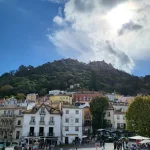
📷 Featured image by Paula Sotomayor on Unsplash.