On this page
- Santo António’s Sardine Symphony – Lisbon’s June Celebration
- The Rituals and Traditions Behind the Festivities
- São João’s Hammer Dance – Porto’s Midsummer Magic
- Regional Variations Across Portugal’s Saint Celebrations
- Planning Your Santos Populares Journey
- What’s Changed in 2026 – New Venues and Updated Events
- Budget Breakdown for Festival Season
- Frequently Asked Questions
Portugal’s summer saints’ festivals have exploded in popularity since 2024, drawing festival-goers from across Europe who’ve discovered that these celebrations offer something mass music festivals can’t – authentic community spirit mixed with centuries-old traditions. The challenge in 2026 isn’t finding a festival to attend, but choosing between the sardine-scented streets of Lisbon’s Santo António and the plastic hammer chaos of Porto’s São João without missing the magic that makes each celebration uniquely Portuguese.
Santo António’s Sardine Symphony – Lisbon’s June Celebration
The aroma of grilled sardines fills Lisbon’s narrow streets from June 12th through 13th as the city transforms into Portugal’s largest street party. Santo António, Lisbon’s patron saint, gets celebrated with a festival that turns every neighbourhood into an outdoor dining room where strangers become friends over shared plates of sardines, chunks of broa de milho (corn bread), and glasses of wine that flow as freely as conversation.
The heart of the celebration beats strongest in Alfama, where residents string colourful paper decorations called marchas across cobblestone streets and set up makeshift grills on every corner. The sound of accordion music mingles with the sizzle of sardines hitting hot coals, creating a soundtrack that defines Portuguese summer nights. Local families emerge from their homes carrying platters of food to share with neighbours and visitors, embodying the Portuguese concept of convívio – the art of being together.
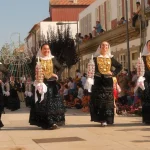
Avenida da Liberdade hosts the grand parade of marchas populares, where each Lisbon neighbourhood presents choreographed performances that blend traditional Portuguese folk dance with contemporary themes. These aren’t tourist shows – they’re community celebrations where local seamstresses spend months creating elaborate costumes and residents of all ages practice dance routines that tell stories of their bairro’s history and character.
The festival’s culinary tradition centers on sardines for practical and symbolic reasons. June marks peak sardine season along Portugal’s coast, making them affordable for working-class families to share freely. The tradition dates to medieval times when Saint Anthony fed the poor, and sharing sardines became a way for communities to honour his charitable spirit while celebrating the abundance of Portugal’s maritime heritage.
Beyond the main festivities, quieter celebrations unfold throughout Lisbon’s parishes. Mouraria hosts intimate fado performances in small tasca courtyards, where the melancholic songs provide counterpoint to the festival’s exuberant energy. Bairro Alto’s celebration skews younger, with bars extending onto streets and DJs mixing traditional Portuguese music with contemporary beats that keep the party alive until sunrise.
The Rituals and Traditions Behind the Festivities
Portuguese saint festivals operate on layers of tradition that visitors often miss without understanding the underlying rituals. The Santos Populares celebrate three saints – Santo António (Lisbon, June 12-13), São João (Porto, June 23-24), and São Pedro (various cities, June 28-29) – but the celebrations extend far beyond religious observance into community bonding experiences that strengthen neighbourhood identity.
The manjerico tradition illustrates this depth. These aromatic basil plants, sold with paper flowers and love poems attached, appear throughout Lisbon during Santo António. Young people traditionally give them to romantic interests, but the custom has evolved to include friends and family. The scent of manjerico mingles with grilled sardines to create the distinctive aroma of Portuguese summer nights, while the poems range from romantic declarations to humorous observations about Portuguese life.
Religious processions anchor the festivals’ spiritual dimension. In Lisbon, the procession of Santo António on June 13th follows the same route used for centuries, with participants carrying the saint’s image through neighbourhoods where residents shower the procession with flower petals from apartment balconies. The ceremony maintains solemnity despite surrounding festivities, reminding participants that these celebrations began as expressions of faith rather than entertainment.

Traditional decorations carry symbolic meaning that enhances the festival experience. Papel de seda (tissue paper) flowers in bright colours represent renewal and celebration, while the geometric patterns strung across streets create intimate spaces that transform public areas into community living rooms. Local artisans begin preparing decorations months in advance, with families passing down paper-flower-making techniques through generations.
São João’s Hammer Dance – Porto’s Midsummer Magic
Porto’s São João festival transforms Portugal’s northern capital into a carnival of plastic hammers, leeks, and midnight river jumping that makes Lisbon’s sardine parties seem restrained. The celebration peaks on the night of June 23rd to 24th, when the entire city abandons normal social conventions in favour of playful chaos that would seem bizarre anywhere else but feels perfectly natural in Porto’s festival atmosphere.
The plastic hammer tradition exemplifies São João’s playful spirit. Throughout the festival, strangers bonk each other on the head with squeaky mallets while shouting “São João!” The practice supposedly brings good luck and creates instant connections between participants who might never speak under normal circumstances. Vendors sell thousands of these martelos de São João from street stalls, and the constant squeaking creates a unique urban symphony that defines Porto’s festival soundscape.
Leek ceremonies add another layer of São João’s distinctive character. Participants hit each other with alho-porro (leeks) while making wishes for prosperity and health. The tradition stems from ancient fertility rituals adapted to Christian saint celebration, creating a bridge between Portugal’s pre-Christian heritage and Catholic traditions that defines much of Portuguese cultural expression.

The midnight jump into the Douro River represents São João’s most dramatic tradition. Thousands gather along the riverbank to watch brave souls leap from bridges and quaysides into the dark water, believing the plunge will bring purification and good fortune for the coming year. Emergency services station rescue boats throughout the river, and while the tradition carries obvious risks, it remains a defining element of São João’s appeal for many participants.
Cascata ceremonies involve throwing water from balconies onto festival-goers below, creating impromptu water fights that cool participants during June’s warm nights. The practice began as a practical response to summer heat but evolved into a playful tradition that brings together apartment dwellers and street revellers in shared festival experience.
Arraiais (street parties) in Porto neighbourhoods each develop distinct characteristics based on local demographics and traditions. Cedofeita attracts artistic crowds with alternative music and craft beer stalls, while Campanhã maintains more traditional celebrations with folk dancing and accordion music. Ribeira, along the riverfront, blends tourist accessibility with authentic local participation, creating festival experiences that satisfy both visitor curiosity and resident tradition.
Regional Variations Across Portugal’s Saint Celebrations
Portugal’s saint festivals extend far beyond Lisbon and Porto, with regional variations that reflect local history, geography, and cultural influences. These smaller celebrations often provide more intimate experiences while maintaining traditions that major city festivals sometimes lose to tourism pressures.
São Pedro festivals on June 28-29 create fishing community celebrations along Portugal’s coast. Póvoa de Varzim hosts elaborate boat processions where decorated fishing vessels carry saint images through harbour waters while families throw flower petals from clifftops. The celebration emphasizes maritime traditions with seafood feasts, traditional fishing songs, and ceremonies blessing the fleet for safe voyages during summer fishing seasons.

Interior regions adapt saint festivals to agricultural calendars and local traditions. Évora’s São João celebration incorporates Alentejo musical traditions with group singing that echoes across the city’s Roman walls. The festival features cante alentejano, UNESCO-recognized polyphonic singing that creates haunting harmonies perfectly suited to warm summer evenings in Portugal’s historic heartland.
Northern mountain regions blend Portuguese saint traditions with influences from Spanish Galicia, creating celebrations that reflect cross-border cultural exchange. Braga’s São João features Celtic-influenced music and traditional dances that predate Christian conversion, while maintaining Catholic processions and blessing ceremonies that anchor the celebration in religious tradition.
Island celebrations in Madeira and the Azores develop unique characteristics influenced by maritime isolation and subtropical climates. Funchal’s Santo António celebration incorporates tropical flowers and fruits unavailable on the mainland, while maintaining Portuguese musical and food traditions adapted to island ingredients and weather patterns.
Small town festivals often preserve traditions that urban celebrations have modified for larger crowds. Óbidos holds intimate Santo António celebrations within medieval walls, where the entire population participates in processions, communal meals, and traditional games that create festival experiences impossible to replicate in major cities. These smaller celebrations offer opportunities to experience Portuguese festival culture at human scale.
Planning Your Santos Populares Journey
Successful festival participation requires understanding Portuguese celebration rhythms and preparing for events that operate on different timelines than typical tourist activities. Santos Populares celebrations begin late and continue until sunrise, demanding stamina and flexibility from participants who want full cultural immersion.
Accommodation strategies differ significantly during festival periods. Lisbon and Porto hotels book solid months in advance for Santo António and São João respectively, with prices doubling or tripling normal rates. Alternative accommodations in nearby towns with good transportation connections often provide better value and quieter rest between festival nights. Sintra, Cascais, and Vila do Conde offer proximity to main celebrations while maintaining residential calm for recovery.

Transportation planning requires attention to festival-specific changes in public services. Lisbon’s metro extends service until 2:00 AM during Santo António, while Porto’s public transportation runs special night services during São João. However, crowding makes normal schedules unreliable, and walking often proves faster than waiting for packed buses or trains during peak festival hours.
Clothing considerations go beyond weather protection to include festival participation requirements. Comfortable walking shoes are essential for cobblestone streets that become slippery with spilled wine and dropped food. Dark clothing shows sardine oil stains less obviously, while light colours help with summer heat. Bringing extra shirts allows recovery from São João’s water throwing traditions without ending festival participation early.
Language preparation enhances festival participation significantly. Learning basic Portuguese phrases for food, drinks, and social interaction opens doors to conversations that transform passive observation into active participation. Portuguese people appreciate foreign visitors who attempt their language, often responding with patience and enthusiasm that creates meaningful cultural exchange during celebration periods.
What’s Changed in 2026 – New Venues and Updated Events
Portugal’s saint festivals have evolved significantly since 2024, incorporating new technologies and venues while maintaining traditional elements that define their cultural authenticity. Understanding these changes helps visitors navigate updated celebration landscapes without missing either innovation or tradition.
Digital integration has transformed festival navigation without diminishing spontaneous discovery. Lisbon’s official Santo António app now includes real-time crowd density maps, helping visitors find intimate celebration spots while avoiding dangerous overcrowding in popular areas like Alfama’s main squares. The technology enhances safety without destroying the traditional element of wandering until you discover perfect festival moments.

New venue developments have expanded festival capacity while preserving neighbourhood character. Lisbon’s renovated Mercado da Ribeira now hosts indoor Santo António celebrations that continue regardless of weather, featuring traditional food vendors, fado performances, and craft workshops that introduce festival traditions to international visitors. The venue complements rather than competes with street celebrations, providing cultural education that enhances outdoor participation.
Porto’s São João has introduced designated “tradition zones” where plastic hammer sales and water throwing are encouraged, alongside “quiet zones” where visitors can experience festival atmosphere without participating in more boisterous activities. This zoning allows diverse participation styles while maintaining the festival’s playful character for those who embrace full cultural immersion.
Sustainability initiatives have modified some festival traditions without eliminating their cultural significance. Sardine grilling now uses certified sustainable fish sources, while plastic hammers for São João are manufactured from recycled materials. These changes reflect Portuguese environmental consciousness while preserving festival experiences that define cultural identity.
New music venues have expanded festival programming beyond traditional street celebrations. Lisbon’s renovated Capitólio now hosts contemporary Portuguese musicians during Santo António week, while Porto’s Plano B features electronic music adaptations of traditional festival songs that attract younger audiences while respecting cultural heritage.
Enhanced safety measures reflect festival growth without restricting traditional participation. Both Lisbon and Porto now station medical personnel throughout celebration areas, while new lighting installations improve navigation through crowded medieval streets after midnight. Emergency services coordinate better with festival organizers to maintain response capabilities during peak celebration periods.
Budget Breakdown for Festival Season
Santos Populares celebrations can accommodate various budget levels, from backpacker-style street participation to comfortable hotel-based experiences with restaurant meals and premium accommodations. Understanding cost structures helps plan festival participation that matches financial resources while maximizing cultural immersion.

Budget Approach (€40-60 per day):
Hostel dormitories in Lisbon or Porto cost €20-25 per night during festival periods, requiring early booking but providing social atmospheres where fellow travellers often share festival discoveries and group activities. Street food dominates budget eating, with sardines, bread, and wine available from neighbourhood grills for €8-12 per meal. Public transportation day passes cost €6.40 in Lisbon, €4.15 in Porto, providing unlimited metro, bus, and tram access during festival navigation.
Budget participants typically join street celebrations exclusively, purchasing manjerico plants (€3-5) and plastic hammers (€2-3) from street vendors while accepting food and drink invitations from locals who appreciate foreign interest in Portuguese traditions. Entertainment costs remain minimal beyond small purchases that support local vendors and facilitate cultural interaction.
Mid-Range Approach (€80-120 per day):
Three-star hotels or quality guesthouses cost €60-85 per night during festival periods, providing private rooms and better rest between late-night celebrations. Restaurant meals supplement street food experiences, with traditional Portuguese restaurants charging €15-25 for full dinners that provide cultural context for festival foods while offering comfortable dining environments.
Mid-range budgets allow combination of street celebration participation with cultural venue visits that enhance festival understanding. Fado performances in traditional casas de fado cost €25-35 including dinner, while folklore shows and cultural center events range from €10-20. This budget level permits both authentic street experiences and educational activities that deepen cultural appreciation.
Comfortable Approach (€150-250 per day):
Four-star hotels in central locations cost €120-180 per night during festivals, offering convenient access to celebration areas with comfortable retreats for rest and preparation. Higher-end restaurants provide refined versions of festival foods, with tasting menus featuring traditional Portuguese cuisine at €40-70 per person including wine pairings that showcase regional specialties.

Comfortable budgets enable private cultural experiences like guided neighbourhood walks with local historians (€50-75) or private fado performances in intimate venues (€80-120). These experiences complement street celebrations with deeper cultural understanding while maintaining authentic Portuguese character rather than tourist-oriented presentations.
Transportation costs increase at comfortable levels through taxi usage (€8-15 per ride) that provides convenient navigation between festival areas without crowded public transport delays. Wine purchases from quality Portuguese producers (€15-30 per bottle) enhance personal festival experiences while supporting local viticulture that defines Portuguese cultural identity.
Frequently Asked Questions
Are Santos Populares festivals safe for tourists?
Yes, these are community celebrations where locals take pride in welcoming visitors safely. Standard urban precautions apply – watch personal belongings in crowds, stay aware of surroundings, drink responsibly. Emergency services increase presence during festivals, and Portuguese people generally help lost tourists find their way.
Do I need to speak Portuguese to enjoy the festivals?
Basic Portuguese phrases help significantly, but many locals speak some English and appreciate attempts at Portuguese. Festival atmosphere encourages friendly interaction regardless of language barriers. Learning “obrigado/a” (thank you), “desculpe” (excuse me), and “não falo português” (I don’t speak Portuguese) covers most situations.
What’s the difference between Santo António in Lisbon and São João in Porto?
Lisbon’s celebration focuses on sardine grilling, fado music, and neighbourhood street parties with romantic traditions like manjerico plants. Porto’s São João emphasizes playful activities like plastic hammer bonking, leek ceremonies, and water throwing, creating more boisterous, carnival-like atmosphere.
Can vegetarians participate in festival food traditions?
Absolutely. While sardines dominate, festivals include bread, cheese, wine, fruit, and vegetable dishes. Many families offer meat-free options, and restaurants adapt traditional recipes for dietary restrictions. The social aspect of sharing food matters more than specific ingredients consumed.
How late do the festivals continue each night?
Street celebrations typically peak between 10:00 PM and 2:00 AM, with many continuing until sunrise. Official events end earlier, but neighbourhood parties maintain Portuguese tradition of celebrating through the night. Plan for very late nights if you want full cultural immersion.
Explore more
The Ultimate Guide to Portugal’s Most Vibrant Festivals & Holidays
When to Visit Portugal: Unlocking the Best Festival Experiences
A Traveler’s Calendar: Major Portuguese Festivals You Can’t Miss
Santos Populares: Your Guide to Portugal’s Beloved Summer Street Festivals
Experiencing Santos Populares: How to Celebrate Like a Local in Portugal
From Sardines to Street Parties: Everything About Portugal’s Santos Populares
Santo António in Lisbon: A Traveler’s Guide to the City’s Biggest Party
Lisbon’s June Festivities: How to Make the Most of Santo António
Why Santo António is Lisbon’s Most Magical Festival for Travelers
Festa de São João in Porto: Your Essential Guide to Portugal’s Craziest Night
📷 Featured image by Antoine Pouligny on Unsplash.