On this page
- Portuguese Greetings and Social Protocols
- Understanding Portuguese Meal Culture and Dining Etiquette
- The Art of Portuguese Conversation and Social Interaction
- Navigating Portuguese Home and Family Customs
- Understanding Portuguese Work Culture and Professional Etiquette
- Portuguese Fashion and Appearance Expectations
- Religious and Cultural Sensitivity in Portugal
- Money, Tipping, and Shopping Customs
- Building Genuine Connections with Portuguese People
- 2026 Budget Reality for Cultural Integration
- Frequently Asked Questions
As Portugal continues to attract record numbers of international residents and visitors in 2026, understanding local customs has become more crucial than ever. Many newcomers find themselves making well-intentioned cultural missteps that can create awkward situations or even unintended offense. The Portuguese are generally forgiving of foreign fumbles, but knowing how to navigate their social landscape will transform your experience from tourist observations to genuine cultural immersion.
Portuguese Greetings and Social Protocols
Portuguese greetings follow a clear hierarchy based on familiarity, age, and social context. The handshake remains the universal safe choice for first meetings and professional encounters. Offer a firm but brief handshake while maintaining eye contact and saying “Prazer em conhecê-lo” (pleasure to meet you) or simply “Olá” (hello).
Among friends and family, the two-cheek kiss is standard practice, starting with the right cheek. This applies to both women greeting anyone and men greeting women they know well. Portuguese men typically stick to handshakes with other men unless they’re very close friends or family members. The greeting kiss is purely ceremonial — actual contact with the cheek is minimal, and you’re essentially kissing the air while cheek surfaces briefly touch.
Morning greetings matter significantly in Portuguese culture. “Bom dia” (good day) is used until lunch time, typically around 12:30. From lunch until evening, switch to “Boa tarde” (good afternoon/evening). After dark, “Boa noite” (good night) becomes appropriate. These greetings aren’t just pleasantries — failing to acknowledge people you encounter regularly, such as neighbors or shopkeepers, can be perceived as rude.
Personal space norms in Portugal sit somewhere between Northern European distance and Southern European closeness. Portuguese people tend to stand closer during conversations than Americans or British might expect, but farther than Spaniards or Italians. During the conversation, light touches on the arm or shoulder are normal among acquaintances, but avoid this with strangers or in professional settings.

Formal Address and Titles
Understanding when to use formal address prevents social awkwardness. “Você” is the polite form of “you,” while “tu” is informal and used among friends, family, and peers. When in doubt, start with “você” and let Portuguese speakers indicate when it’s appropriate to switch to “tu.” This often happens naturally when someone says “Podes tratar-me por tu” (you can use ‘tu’ with me).
Professional titles carry weight in Portuguese society. Address doctors as “Doutor” or “Doutora,” engineers as “Engenheiro” or “Engenheira,” and lawyers as “Advogado” or “Advogada.” Even if someone introduces themselves by their first name, using their title initially shows respect. Age also influences formality — always err on the side of respect when greeting older individuals.
Understanding Portuguese Meal Culture and Dining Etiquette
Portuguese meal times reflect a Mediterranean rhythm that differs significantly from Northern European or North American schedules. Breakfast is typically light — often just coffee and a pastry. The real social meal begins with lunch, served between 12:30 and 14:00. This isn’t a quick sandwich at your desk; Portuguese lunches are proper affairs that can last up to two hours, especially on weekends.
Dinner happens late by international standards, rarely before 20:00 and often as late as 22:00. Attempting to dine at 18:00 will likely result in confused looks from restaurant staff, as kitchens may not even be open. This late dining schedule means Portuguese social life extends well into the evening, with conversations over meals lasting until midnight or beyond.
Table Manners and Dining Rituals
Portuguese table etiquette follows Continental European standards with some unique local touches. Keep your hands visible on the table throughout the meal — hiding hands in your lap can seem suspicious or rude. The fork stays in your left hand, knife in your right, throughout the meal. Don’t switch hands American-style when cutting and eating.

Bread appears on every Portuguese table and serves multiple purposes. It’s acceptable to use bread to help push food onto your fork or to soak up sauces. Breaking bread with your hands rather than cutting it with a knife shows you understand Portuguese customs. The bread often appears without request and is typically included in the meal cost.
When dining in groups, wait for the host to begin eating or for someone to say “Bom apetite” (good appetite) before starting. Finishing everything on your plate compliments the cook, while leaving food might suggest it wasn’t enjoyable. However, Portuguese portions can be generous, so don’t feel obligated to overeat if genuinely full.
Wine accompanies most Portuguese meals, including lunch. It’s perfectly acceptable to decline alcohol, but don’t be surprised if your host offers multiple times — this persistence comes from hospitality, not pressure. When wine is served, wait for a toast before drinking. Common toasts include “Saúde” (health) or “Chin-chin.”
Coffee Culture and Café Etiquette
Portuguese coffee culture operates on different principles than international chain coffee shops. The default coffee is “um café” — a strong espresso served in a small cup. If you want something larger, order “um café cheio” (full coffee) or “uma meia de leite” (half milk, similar to a cappuccino).
Most Portuguese drink their coffee standing at the counter rather than sitting at tables. Sitting typically incurs a higher charge, sometimes double the standing price. This standing tradition encourages quick, social interactions rather than prolonged laptop sessions. Engage in brief conversations with other customers — coffee bars serve as neighborhood social hubs.

The timing of coffee orders matters culturally. Portuguese people drink milk-based coffees (galão, meia de leite) primarily in the morning. Ordering a cappuccino after lunch or dinner marks you as a tourist. Evening coffee usually means a simple café or perhaps a descafeinado (decaf) if you prefer to avoid caffeine before bed.
The Art of Portuguese Conversation and Social Interaction
Portuguese conversation style balances warmth with respect for personal boundaries. Small talk typically begins with weather, family, or local events rather than jumping into personal topics. Portuguese people genuinely want to know how you’re doing when they ask “Como está?” — this isn’t just a throwaway greeting like “How are you?” in English.
Family holds central importance in Portuguese society, and asking about family members shows genuine interest in someone’s life. However, avoid probing into specific family problems or financial situations unless someone volunteers this information. Questions about children’s education, parents’ health, or family celebrations are welcome conversation territory.
Political discussions require careful navigation. Portuguese people are politically aware and engaged, but family political discussions can be intense. As an outsider, listen more than you speak initially. If you choose to engage politically, focus on asking questions rather than stating strong opinions about Portuguese politics. Your perspective as a foreigner might be welcomed, but approach with humility.
Understanding Saudade and Portuguese Emotional Expression
Saudade represents perhaps the most distinctly Portuguese emotional concept — a bittersweet longing or nostalgia that encompasses everything from missing distant loved ones to yearning for Portugal’s historical greatness. Understanding saudade helps you connect with Portuguese emotional expression, which tends toward the melancholic and reflective rather than aggressively optimistic.
Portuguese people often express emotions more subtly than Mediterranean stereotypes suggest. Loud, animated conversations are less common than in Spain or Italy. Portuguese communication values thoughtfulness and depth over surface-level enthusiasm. This doesn’t mean Portuguese people are unfriendly — quite the opposite — but they express friendship through consistent presence rather than dramatic gestures.

When Portuguese friends invite you to join them, the invitation often comes with genuine warmth but without excessive insistence. They won’t repeatedly urge you to come if you decline once. This reflects respect for your autonomy, not indifference to your presence. Accept invitations when genuinely interested, and decline politely when not — both responses will be respected.
Navigating Portuguese Home and Family Customs
Entering a Portuguese home involves specific customs that demonstrate respect for family space. Always remove your shoes when entering unless explicitly told otherwise. Portuguese homes typically provide slippers for guests, and walking around in socks shows appropriate respect for household cleanliness standards.
Bringing gifts when invited to someone’s home is expected but should be modest and thoughtful rather than expensive. Wine, flowers, or quality chocolates work well for dinner invitations. For casual visits, a small pastry from a good pastelaria shows effort and local knowledge. Avoid overly personal gifts unless you know the family very well.
Portuguese families often include multiple generations in the same household or living very nearby. Grandparents play active roles in daily family life, and their opinions carry significant weight in family decisions. Show appropriate respect to older family members by greeting them first and listening attentively when they speak.
Children and Family Dynamics
Portuguese parents tend toward protective parenting styles, and children often remain closely connected to families well into adulthood. Adult children frequently live with parents until marriage, and this arrangement carries no social stigma. Understanding this family closeness helps explain why Portuguese people might prioritize family obligations over social plans with friends.

Children in Portuguese families learn formal manners early. When meeting families, expect children to greet you politely and shake hands. Portuguese children are taught to address adults formally unless given permission otherwise. Don’t be surprised if children seem more reserved initially — this reflects good manners rather than shyness.
Sunday family meals represent sacred time in Portuguese culture. These extended lunches can last four hours or more, with multiple courses, wine, and extensive conversation. If invited to a Sunday family meal, clear your afternoon schedule and prepare for a significant cultural experience that reveals the heart of Portuguese family life.
Understanding Portuguese Work Culture and Professional Etiquette
Portuguese professional culture operates on relationship-based principles rather than purely transactional interactions. Building personal connections precedes successful business relationships. Expect initial meetings to include substantial small talk about family, background, and mutual connections before addressing business matters.
Punctuality expectations differ between formal business meetings and casual professional encounters. Arrive exactly on time for scheduled meetings with specific agenda items. However, for informal professional gatherings or networking events, arriving 10-15 minutes after the stated time is normal and expected — showing up precisely on time might mean waiting alone.
Portuguese business communication tends toward diplomatic indirectness. “Yes” doesn’t always mean definitive agreement but rather acknowledgment of your proposal. Listen for qualifying phrases like “We’ll need to consider…” or “It’s possible that…” which indicate hesitation or concerns that haven’t been directly expressed. Direct confrontation is avoided in favor of gentle redirection.
Workplace Hierarchy and Professional Relationships
Portuguese workplaces maintain clearer hierarchical structures than many Northern European or North American environments. Address supervisors formally until invited to use first names, and show deference to seniority and experience. This hierarchy doesn’t prevent friendly relationships but requires appropriate respect for organizational structure.

Lunch breaks in Portuguese workplaces are substantial affairs, often lasting 90 minutes to two hours. These extended breaks serve important social functions for team building and informal communication. Declining lunch invitations repeatedly can isolate you professionally, as much business discussion happens over meals rather than in formal meetings.
Professional dress codes in Portugal lean conservative, especially in traditional industries like banking, law, or government. Men should wear suits or dress shirts with dress pants, while women should choose conservative dresses or professional blouses with skirts or dress pants. Casual Friday exists in some companies but verify expectations before dressing down.
Portuguese Fashion and Appearance Expectations
Portuguese people take pride in personal appearance and dress more formally than casual tourist standards might suggest. Even for everyday activities like grocery shopping or running errands, Portuguese locals typically choose neat, coordinated clothing rather than athletic wear or overly casual attire.
Seasonal dressing follows Mediterranean patterns with Portuguese adaptations for the Atlantic climate. Spring and autumn require layers due to variable weather, while summer calls for lightweight but modest clothing. Portuguese summers can be intense, but revealing clothing is generally reserved for beach settings rather than city environments.
Quality over quantity guides Portuguese fashion choices. Investing in well-made, classic pieces that last for years aligns with Portuguese values better than fast fashion trends. Portuguese people often shop less frequently but choose items carefully, building wardrobes around versatile, timeless pieces that work across multiple seasons.
Regional and Generational Variations
Northern Portugal, particularly around Porto and Braga, tends toward more conservative dress codes than Lisbon or the Algarve. Rural areas maintain traditional modesty standards, especially for church attendance or formal occasions. Urban areas offer more flexibility but still emphasize neat, coordinated appearance over casual comfort.

Younger Portuguese generations (under 30) embrace more international fashion trends while maintaining the cultural emphasis on looking put-together. Older generations prefer classic, conservative styles and may judge younger people’s fashion choices, though this rarely translates into open criticism of visitors who dress respectfully.
Beach and resort areas like the Algarve have relaxed dress codes during tourist season, but even here, covering up when leaving beach areas shows cultural awareness. Wearing swimwear to restaurants, shops, or residential neighborhoods, even in coastal towns, marks visitors as culturally unaware.
Religious and Cultural Sensitivity in Portugal
Portugal remains predominantly Catholic, though religious observance varies significantly across generations and regions. Understanding basic Catholic customs helps navigate social situations, even if you’re not religious yourself. Many Portuguese cultural traditions, holidays, and life events center around Catholic practices.
Church attendance during major holidays like Easter and Christmas draws even non-regular churchgoers, making these times particularly important for cultural sensitivity. If attending religious services, dress modestly — covered shoulders and knees for both men and women. Remove hats inside churches, silence phones completely, and follow the lead of local participants regarding standing, sitting, and participation in rituals.
Portuguese saints’ days and religious festivals represent community celebrations that extend beyond religious observance. Festa de São João in Porto or Santo António in Lisbon include religious elements but function as massive street parties with food, music, and social celebration. Participating respectfully in these festivals offers authentic cultural experiences while showing appreciation for Portuguese traditions.
Sacred Spaces and Religious Etiquette
Portuguese churches welcome visitors but expect respectful behavior. Photography may be restricted, especially during services or in certain areas. Ask permission before taking photos, and never use flash around altars or religious artifacts. Many churches request small donations for maintenance — contributing a euro or two shows appreciation for access to these cultural treasures.

Religious processions during holy weeks or saints’ festivals require pedestrian awareness and respect. These processions often block traffic and draw large crowds. Join the crowd respectfully, but don’t obstruct the procession route or behave inappropriately during solemn moments. These events represent living faith traditions, not tourist performances.
Portuguese homes often display religious imagery, from simple crosses to elaborate shrines. Commenting positively on religious decorations shows respect, while criticism or jokes about religious imagery can seriously offend. Even non-religious Portuguese people often maintain cultural connections to Catholic traditions through family history and social customs.
Money, Tipping, and Shopping Customs
Portuguese tipping culture operates on appreciation rather than obligation. Unlike American practices, service charges are typically included in restaurant bills, and additional tipping represents genuine satisfaction rather than social requirement. Rounding up the bill or adding 5-10% for exceptional service is sufficient and appreciated.
Cash remains important in Portuguese daily life despite increasing card acceptance. Small businesses, local markets, and traditional establishments often prefer cash transactions. Carrying 20-50 euros in small bills ensures you can pay for coffee, pastries, or small purchases without creating inconvenience for merchants with limited change.
Bargaining is not standard practice in Portuguese retail environments. Prices in shops, restaurants, and most markets are fixed. However, informal markets or antique shops might allow gentle price discussion, especially for multiple items. Approach any price negotiation respectfully and be prepared to accept the stated price without argument.
Shopping Etiquette and Consumer Behavior
Portuguese shopping culture emphasizes personal service and relationship building with local merchants. Greeting shopkeepers when entering stores and saying goodbye when leaving shows proper courtesy. Even in larger stores, acknowledging staff with basic greetings demonstrates cultural awareness.

Sunday shopping remains limited in Portugal, with most stores closed except in tourist areas or large shopping centers. Plan weekly shopping accordingly, and respect that Sunday represents family time for most Portuguese people. Small neighborhood shops often close for extended lunch breaks between 13:00 and 15:00.
Quality considerations guide Portuguese purchasing decisions more than bargain hunting. Portuguese consumers prefer durable goods that last for years rather than cheaper items requiring frequent replacement. This mentality applies to everything from clothing to household items, reflecting cultural values of sustainability and long-term thinking.
Building Genuine Connections with Portuguese People
Portuguese friendship develops gradually through consistent, respectful interaction rather than immediate intimate connection. Portuguese people distinguish between casual acquaintances and true friends, with friendship representing a serious, long-term commitment involving mutual support and regular communication.
Patience plays a crucial role in developing Portuguese relationships. Initial interactions might seem somewhat reserved compared to more immediately effusive cultures, but this reserve reflects careful evaluation rather than disinterest. Portuguese people invest time in understanding new people before opening their personal lives to deeper friendship.
Reciprocity forms the foundation of Portuguese social relationships. If someone invites you to their home, eventually reciprocating the invitation shows proper respect for the relationship. This reciprocity extends beyond hosting to include emotional support, professional assistance, and personal availability during important life events.
Language Efforts and Cultural Appreciation
Attempting to speak Portuguese, even at basic levels, demonstrates respect for Portuguese culture and significantly improves social connections. Portuguese people appreciate foreign efforts to learn their language, especially given the global dominance of English and Spanish. Simple phrases like “obrigado/obrigada,” “por favor,” and “com licença” open doors to warmer interactions.

Showing genuine interest in Portuguese history, culture, and achievements creates natural conversation topics and demonstrates respect for the country beyond its utility as a living destination. Portuguese people take pride in their maritime history, literary traditions, and cultural contributions, and knowledgeable appreciation of these topics builds meaningful connections.
Avoiding Portuguese-Spanish comparisons or assumptions shows cultural sensitivity. While Portugal and Spain share geographic proximity and some cultural similarities, Portuguese people maintain distinct national identity and can be sensitive to being treated as “Spain’s neighbor” rather than as a unique culture with its own language, traditions, and historical achievements.
Integration Timeline and Realistic Expectations
Successful cultural integration in Portugal typically requires 6-12 months of consistent effort and patience. Initial months focus on learning basic customs, language fundamentals, and establishing routine social interactions. Deeper cultural understanding and genuine friendships develop over longer periods through sustained engagement and cultural sensitivity.
Setting realistic expectations prevents frustration during the adjustment period. Portuguese society operates on relationship-based principles that take time to develop. Professional networking, social circles, and community integration require consistent presence and gradual trust building rather than immediate results.
Regional variations affect integration timelines and approaches. Smaller towns might offer faster community integration but require more careful attention to local customs and social hierarchies. Larger cities provide more anonymity and flexibility but can make meaningful connections more challenging to develop initially.
2026 Budget Reality for Cultural Integration
Understanding the financial aspects of living like a local helps budget appropriately for authentic Portuguese experiences. These prices reflect current 2026 costs in major Portuguese cities:
Daily Interaction Costs:
- Coffee at counter: €0.80-1.20
- Coffee at table: €1.50-2.50
- Daily newspaper: €1.00-1.50
- Public transport (single ride): €1.50-2.00
- Neighborhood tasca lunch: €8.00-15.00
Social Integration Expenses:
- Bottle of wine for dinner invitation: €5.00-12.00
- Quality pastries for casual visit: €3.00-8.00
- Flowers for formal dinner: €10.00-20.00
- Portuguese language classes (monthly): €80.00-150.00
- Cultural event tickets: €5.00-25.00
Professional Integration Costs:
- Business lunch (per person): €15.00-30.00
- Professional networking events: €20.00-50.00
- Work-appropriate clothing: €50.00-200.00 per item
- Professional development courses: €200.00-500.00
Budget-conscious cultural integration focuses on daily interactions like neighborhood cafés, local markets, and community events rather than expensive tourist attractions. Mid-range integration includes Portuguese language classes, cultural workshops, and regular social dining. Comfortable integration allows for professional networking events, quality clothing for various social contexts, and hosting reciprocal gatherings.
Frequently Asked Questions
How long does it take to feel culturally comfortable in Portugal?
Most expatriates report feeling culturally comfortable after 6-12 months of consistent effort. Basic comfort with daily interactions develops within 2-3 months, while deeper cultural understanding and genuine local friendships typically require a full year or more of patient relationship building.
What’s the biggest cultural mistake foreigners make in Portugal?
Rushing social relationships represents the most common cultural misstep. Portuguese friendship develops gradually through consistent, respectful interaction. Attempting to fast-track intimacy or being overly familiar too quickly can make Portuguese people uncomfortable and actually slow relationship development.
Is it necessary to speak Portuguese to integrate socially?
While many Portuguese speak English, especially younger generations and in urban areas, speaking Portuguese significantly improves social integration and demonstrates cultural respect. Even basic conversational ability opens doors to authentic experiences and deeper community connections that remain difficult without language skills.
How important is religious understanding for cultural integration?
Understanding Catholic traditions helps navigate many Portuguese social situations, even if you’re not religious. Major holidays, life events, and community celebrations often include religious elements. Respectful familiarity with basic customs prevents cultural awkwardness and shows appreciation for Portuguese traditions.
What should I prioritize during my first month in Portugal?
Focus on establishing daily routines that include regular interaction with local people — neighborhood café visits, local shopping, and basic Portuguese language learning. These consistent, low-pressure interactions build familiarity with Portuguese customs while creating natural opportunities for deeper cultural understanding to develop gradually.
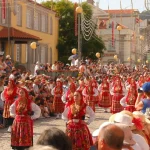
📷 Featured image by Antoine Pouligny on Unsplash.