On this page
- What Santos Populares Actually Is (and Why June Belongs to the Saints)
- The Three Saints: António, João, and Pedro — Who They Are and What They Mean
- Santo António in Lisbon: Sardines, Marchas, and Neighbourhood Pride
- Festa de São João in Porto: Hammers, Balloons, and the Most Chaotic Night of the Year
- São Pedro Celebrations Beyond the Big Cities
- The Food and Drink of Santos Populares
- 2026 Budget Reality: What It Costs to Celebrate
- How to Actually Participate (Not Just Watch)
- Frequently Asked Questions
What Santos Populares Actually Is (and Why June Belongs to the Saints)
If you are planning a trip to Portugal in June 2026 and wondering why every hotel in Lisbon and Porto seems booked solid, here is your answer: Santos Populares. The name translates roughly as “Popular Saints” — and the celebrations that carry that name have turned the entire month of June into one long street party stretching from Braga to the Algarve. Understanding what you are walking into before you arrive will make the difference between a confusing, crowded experience and one of the best nights of your life.
Santos Populares is not a single event. It is a cluster of Catholic feast days — honouring Saint António on 12–13 June, Saint João on 23–24 June, and Saint Pedro on 28–29 June — that over centuries have merged with ancient pagan summer solstice traditions, neighbourhood rivalry, and a very Portuguese instinct to eat well and stay up late. The Church provides the structure. The streets provide the soul.
In 2026, the celebrations are bigger than ever in several cities, particularly Lisbon, where the municipality expanded the licensed street party zones in 2025 following years of pressure from neighbourhood associations in Mouraria. Porto’s Câmara Municipal also introduced a new riverside viewing platform near the Infante Dom Henrique bridge for São João, improving access to the fireworks display over the Douro.
The Three Saints: António, João, and Pedro — Who They Are and What They Mean
Portugal is a Catholic country, and these feast days begin as religious observance. But the way the Portuguese relate to their June saints is less reverent than deeply personal — these figures have been woven into everyday life for so long that they feel like neighbourhood characters more than distant holy figures.
Santo António (Saint Anthony of Lisbon)
Born in Lisbon in 1195, António de Pádua — known in English as Saint Anthony of Padua — is actually a Lisbon native, and the Portuguese never let anyone forget it. He is the patron saint of Lisbon, of lost things, and of matchmaking. That last role is the one that matters most in June. Across Portugal, António is the saint of marriage, and the tradition of casamentos de Santo António — collective weddings sponsored by the Lisbon municipality — takes place every year on 12 June. In 2026, dozens of couples married in a public ceremony at the Sé Cathedral, with celebrations spilling into the surrounding streets for the rest of the night.
São João (Saint John the Baptist)
São João is Porto’s saint, and the relationship between this city and its June celebration is as fierce and loyal as Porto’s relationship with football. John the Baptist is honoured on 24 June, but the real action happens the night before, on the 23rd — the véspera, or eve. The traditions associated with São João are stranger than anything you will find in Lisbon: plastic hammers, leeks, and paper balloons lit with fire. All of this makes complete sense once you understand the history.
São Pedro (Saint Peter)
The third and final June saint is Pedro — Saint Peter — celebrated on 28–29 June. São Pedro is the patron saint of fishermen, which gives his feast day a strong presence in coastal towns and fishing communities. Sesimbra, Peniche, Póvoa de Varzim, and Setúbal all celebrate with significant processions and local character. In the inland Alentejo town of Évora, the São Pedro festivities have grown considerably over the past decade and are now a regional draw.
Santo António in Lisbon: Sardines, Marchas, and Neighbourhood Pride
The night of 12–13 June in Lisbon is the city at its most unguarded. Streets that are usually navigated by tuk-tuks and tourist groups become something else entirely — packed with people from every neighbourhood, every age, every background, all of them eating sardines off paper plates and drinking wine from plastic cups while music plays from speakers strapped to lampposts.
The smell hits you first. Grilled sardines — sardinhas assadas — are the unofficial currency of Santo António, and by 21:00, the smoke from hundreds of small grills drifts through the alleys of Alfama and Mouraria in thick, salty waves. The sardines are served whole on thick slices of bread that absorb the oils, with roasted peppers on the side. Eating one cleanly is a skill most visitors do not have — and nobody cares.
Two traditions define Santo António beyond the food. The first is the Marchas Populares, a parade competition held on Avenida da Liberdade on the evening of 12 June. Each Lisbon neighbourhood sends a troupe of performers in elaborately costumed, choreographed marching groups. The Marchas have been running since 1932 and are taken with total seriousness by the participants — months of rehearsal, custom costumes, original music. The atmosphere along the avenue resembles Carnival in miniature. Bleachers are set up, the parade is televised, and locals back their neighbourhood the way they back a football club.
The second tradition is the manjericos — small pots of basil tied with ribbons and paper carnations, sold at street stalls and given as gifts. A manjerico is traditionally accompanied by a love poem written on a small scroll tucked into the pot. They are sold everywhere in Lisbon from early June and serve as the most distinctly Lisbon souvenir of the season.
Festa de São João in Porto: Hammers, Balloons, and the Most Chaotic Night of the Year
Porto’s São João is categorically different from anything in Lisbon. Where Santo António is warm and neighbourhood-proud, São João is anarchic. The city collectively loses its mind for exactly one night, and the rules of normal public behaviour are suspended by what feels like mutual agreement.
The signature tradition is the martelo de plástico — the plastic hammer. Locals buy them at street stalls for a euro or two and spend the night hitting strangers on the head with them. This is not aggression. It is affection, greeting, celebration. Being hit on the head with a squeaky plastic hammer in Porto on the night of 23 June means you are welcome. The origins trace back to a tradition of hitting people with garlic bulbs or leeks to bring good luck — the leek (alho-porro) is still sold alongside the hammers and remains a more traditional (and more painful) option.
The second spectacle is the balões de São João — paper hot air balloons, some of them enormous, sent up into the sky over the city from rooftops, bridges, and open squares. Watching dozens of glowing orange and red lanterns drift silently over the Douro while the bridges are jammed with people and fireworks crack overhead is one of the genuinely extraordinary sights Portugal offers. The midnight fireworks display off the Dom Luís I bridge is reflected in the Douro below, and the hills of Vila Nova de Gaia on the south bank fill with spectators. The air smells of gunpowder, charcoal, and river wind.
Throughout the night, the streets of the Bonfim neighbourhood, the Ribeira waterfront, and the São Bento area are packed with sardines, caldo verde (kale and potato soup), and espetadas (meat skewers). Porto’s São João has no formal end time — it runs until dawn, and the Portuguese take that seriously.
São Pedro Celebrations Beyond the Big Cities
São Pedro on 28–29 June is the quieter, more coastal chapter of the Santos Populares story. While Lisbon and Porto dominate the conversation, some of the most authentic and visually striking celebrations happen in smaller towns where the fishing community identity is still intact.
Sesimbra
This whitewashed fishing village south of Lisbon celebrates São Pedro with a maritime procession that begins at the church and moves toward the waterfront. Fishing boats decorated with lights and flowers carry the saint’s image along the coastline. The smell of fresh fish grilling along the harbour front mixes with incense from the procession — a combination that is unexpectedly moving. Sesimbra on São Pedro night is the kind of event that rarely appears in mainstream travel guides, which is precisely why it is worth the 40-kilometre drive from Lisbon.
Póvoa de Varzim
North of Porto on the Atlantic coast, Póvoa de Varzim has one of the most deeply traditional São Pedro celebrations in the country. The fishing community here has maintained the Festa do Senhor de Bonfim alongside São Pedro for generations, and the level of local participation — not tourists, not spectators, but actual residents — gives the event a weight that is hard to replicate in larger urban settings.
Évora
Inland in the Alentejo, Évora’s São Pedro festivities take a different shape — less maritime procession, more street fair and folk music. The Roman-walled old town provides a dramatic backdrop, and the tradition of Alentejo cante alentejano (polyphonic folk singing, UNESCO-recognised) sometimes surfaces during the festivities. It is a reminder that the Santos Populares season is national, not just coastal.
The Food and Drink of Santos Populares
The food of Santos Populares is not complicated. It is intentionally humble, communal, and eaten standing up. This is not the Portugal of fine dining or tasting menus — it is the Portugal of folding tables, plastic forks, and food that tastes better than it has any right to given how simple it is.
Sardinhas Assadas
Grilled sardines are the undisputed symbol of the season, and June is the peak of sardine season in Portugal — the fish are fatter, oilier, and more flavourful than at any other time of year. They are grilled whole over charcoal, unseasoned except for coarse sea salt, and served on thick bread. The bread is not a side dish — it catches the sardine oil as you eat, and the saturated slice at the end is often the best bite of the meal.
Caldo Verde
The thick, dark green kale soup called caldo verde appears at street parties throughout June, particularly in the north. It is made with finely shredded Galician kale (couve galega), potato, water, olive oil, and a slice of chouriço floating in the middle. It is earthy, slightly smoky, and unexpectedly filling. On a warm June night in Porto, drinking it from a paper cup while standing on a cobblestone street is one of those experiences that lodges itself in memory.
Pimentos Assados and Petiscos
Roasted red and green peppers appear alongside sardines at almost every stall. Beyond that, the street food landscape of Santos Populares includes bifanas (thin pork slices in white rolls with mustard), grilled chouriço, and tremoços (lupini beans, eaten from a paper cone with a squeeze of lemon).
Drinks
Wine flows freely — specifically the light, slightly sparkling Vinho Verde from the Minho region, which is the logical partner for fatty sardines. Beer, particularly Sagres and Super Bock, is everywhere. In Lisbon, small cups of ginjinha — the cherry liqueur served in a tiny chocolate cup from street vendors — are a Santo António ritual. The combination of cold ginjinha and the bittersweet chocolate dissolving in the heat is something that cannot be approximated anywhere else.
2026 Budget Reality: What It Costs to Celebrate
The street parties themselves are free to attend. There are no entry fees, no wristbands, no ticket lines for the public celebrations. That is the point — Santos Populares is deliberately popular, deliberately accessible. Where costs accumulate is in accommodation, food stalls, and transport.
Accommodation (per night, June 12–13 in Lisbon / June 23–24 in Porto)
- Budget: Hostel dorm beds in both cities run €30–50 on festival nights, up from roughly €18–25 on a regular June night. Book at minimum two months in advance.
- Mid-range: A double room in a central guesthouse or 3-star hotel costs €120–200 on the peak nights. Properties within walking distance of the main celebrations charge a premium.
- Comfortable: 4-star and boutique hotels in Alfama (Lisbon) or Ribeira (Porto) will range €220–400+ for Santo António and São João nights. Some require a minimum two-night stay.
Food and Drink at Street Stalls
- Plate of sardines (2–3 fish with bread): €4–7
- Cup of caldo verde: €2–3
- Bifana or chouriço roll: €3–5
- Beer or wine (plastic cup): €2–4
- Ginjinha in chocolate cup (Lisbon): €1.50–2.50
- Manjerico plant (Lisbon street stall): €3–6
- Plastic hammer (Porto): €1–2
Transport
Both Lisbon and Porto have extended their public transport on festival nights in 2026. A 24-hour metro pass in Lisbon costs €6.80. In Porto, the equivalent Andante 24h pass is €7.00. Taxis and ride-share apps (Uber, Bolt, Free Now) surge dramatically after midnight — expect to pay 2–3x normal rates if you are leaving a party zone after 23:00. Planning your exit before or well after midnight is the sensible approach.
How to Actually Participate (Not Just Watch)
The easiest mistake at Santos Populares is treating it like a performance — standing to the side, photographing the sardines, watching the locals. The celebrations are designed to pull you in, and the Portuguese are genuinely welcoming to visitors who make an effort to engage rather than observe.
- Eat at a neighbourhood association table, not a restaurant. Look for the arraial — the neighbourhood street party — run by local associações de moradores (residents’ associations). These are the long plastic-table setups in alleyways, usually with hand-painted signs, and they offer the cheapest, most authentic food experience. The people running them are neighbours, not hospitality professionals.
- Buy a manjerico (Lisbon) or a plastic hammer (Porto). Carrying the local prop signals participation. In Porto, accepting a hammer hit from a stranger and returning it is a social handshake. Do not look alarmed.
- Learn the phrase “Viva Santo António!” or “Viva São João!” Shouting the appropriate saint’s name at the appropriate moment costs nothing and earns immediate goodwill. Portuguese people appreciate enthusiasm, even imperfect enthusiasm.
- Stay until late. The atmosphere between 23:00 and 02:00 is fundamentally different from the tourist-friendly early evening. By midnight, the crowd is overwhelmingly local, the music is louder, and the sense of collective release — everyone out in the streets of their city at the same time — becomes palpable.
- Accept an invitation. It is not uncommon for a family with a table and too much food to wave a passing stranger over. Say yes. This is how the best evenings of a Portugal trip begin.
Frequently Asked Questions
When exactly do the Santos Populares celebrations take place in 2026?
The three main celebrations fall on fixed dates each year. Santo António is 12–13 June (Lisbon). São João is 23–24 June (Porto and nationwide). São Pedro is 28–29 June (coastal towns, particularly Sesimbra, Póvoa de Varzim, and Setúbal). Street parties typically begin late afternoon and run past midnight.
Are the Santos Populares celebrations family-friendly?
Yes, particularly in the early evening hours. Families with children are a normal part of the arraiais until around 22:00. The celebrations get louder, more crowded, and more alcohol-fuelled as the night progresses. If you are travelling with young children, arriving by 19:00 and leaving by 21:30 gives a genuine experience without the late-night chaos.
Do I need to book anything in advance, or can I just show up?
The street parties themselves require no booking — they are free and open. What you must book in advance is accommodation. June is already high season in Portugal, and the festival nights (12 June in Lisbon, 23 June in Porto) often sell out completely months ahead. By March 2026, central Lisbon and Porto accommodation on those specific nights was already showing limited availability.
Is Santos Populares only a Lisbon and Porto thing, or does the rest of Portugal celebrate?
The whole country celebrates to varying degrees. Braga, Guimarães, Évora, Setúbal, Faro, and dozens of smaller towns all hold local festivities for one or more of the June saints. The Lisbon and Porto versions are simply the largest and most internationally known. If you prefer a more local, less crowded experience, a small coastal or inland town during São Pedro weekend can be genuinely special.
What should I wear and bring for a Santos Populares street party?
Comfortable shoes you do not mind getting sardine oil on. Cobblestones are uneven and streets fill with food waste and spilled drinks by late evening. Bring a light layer for after midnight when the Atlantic breeze picks up, even in June. Carry cash — most street stalls do not accept cards. A small crossbody bag with a zip is practical in dense crowds.
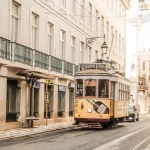
📷 Featured image by Nuno Alberto on Unsplash.