On this page
- The Night of São João — What This Festival Actually Is
- The Plastic Hammer Tradition — Porto’s Most Distinctive Ritual
- The Food and Drink of São João — What Goes Into the Night
- The Bonfires and Arraiais — The Atmosphere of São João Night
- How the Festival Unfolds — A Practical Timeline
- 2026 Budget Reality — What São João Costs
- What to Wear and Bring — Practical Preparation
- Frequently Asked Questions
The Night of São João — What This Festival Actually Is
If you are visiting Porto in late June 2026, you will quickly realise that the city does not simply celebrate São João — it surrenders to it entirely. The festival falls on the night of June 23rd into the early hours of June 24th, honouring Saint John the Baptist, one of the most beloved saints in Portuguese Catholic tradition. But calling São João a religious festival misses most of the picture. Porto treats this as its defining annual moment, the one night when the city’s famously reserved northern soul opens completely.
The roots go back centuries. São João coincides with the summer solstice, and the celebration absorbed older pagan midsummer traditions long before the Church gave it a saint’s name. Fire, water, herbs, and dancing have always been at the centre of it. In Porto specifically, the festival carries a local pride that sets it apart from similar June saints’ festivities celebrated elsewhere in Portugal. Lisbon has Santo António on June 12th–13th, and the broader country has its Santos Populares season through June, but São João belongs to Porto in a way that feels almost possessive. Ask any portuense about it and they will tell you, without irony, that it is the best night of the year on earth.
The official programme in 2026 runs from the evening of June 23rd through to sunrise on June 24th. The municipality declares June 24th a public holiday in Porto, so the city genuinely shuts down the following day. Plan accordingly if you need to travel, eat at a sit-down restaurant, or do anything that requires another human being to be at work.
The Plastic Hammer Tradition — Porto’s Most Distinctive Ritual
Nothing prepares a first-time visitor for the hammers. Walk into Porto’s Baixa or the Ribeira district on the evening of June 23rd and within minutes someone will have bounced a small squeaky plastic hammer off your head. This is not aggression. It is affection — or at least that is the local interpretation, and you are expected to accept it cheerfully.
The hammer (martelo) replaced an older tradition of hitting people with garlic flowers, which were believed to bring good luck and ward off evil spirits on midsummer night. At some point in the 20th century, the plastic squeaky hammer took over, and it has stuck. Street vendors sell them for €1 to €2 each from carts set up across the city. Children swing them at strangers with complete licence. Adults do the same. The correct response is to laugh and retaliate.
Alongside the hammers, you will see people carrying fresh bunches of manjericão — a type of large-leafed basil grown specifically for São João. The plant is sold in small painted pots and traditionally given as a gift between lovers. Attached to the pot is usually a small paper scroll with a popular rhyme, often humorous, sometimes mildly flirtatious. The basil tradition is more gentle and romantic than the hammer ritual, and the two exist side by side in the same chaotic, joyful street scene.
The Food and Drink of São João — What Goes Into the Night
The undisputed star of São João food is the sardine. Grilled sardines (sardinhas assadas) cooked over charcoal appear on improvised grills set up on street corners, in churchyards, and outside neighbourhood associations across the city. June is peak sardine season in Portugal — the fish are fat and flavourful in a way they are not during the rest of the year. The smell of sardine smoke and charcoal drifting through Porto’s stone streets is the single most accurate sensory marker of the festival.
Sardines are typically served on a thick slice of bread that soaks up the cooking juices, alongside roasted green peppers and sometimes a simple salad of tomato and onion. You eat them with your hands, standing up, usually on a paper plate. There is no elegant way to do it and nobody is trying to find one.
Alongside sardines, caldo verde appears at many of the neighbourhood celebrations — the kale and potato soup that is one of Portugal’s most culturally loaded dishes, almost always with a slice of chouriço floating in it. It is the kind of food that reminds Porto that it is still, at its heart, a working-class northern city that takes simple, honest cooking seriously.

For drink, Super Bock beer dominates. It is Porto’s home beer and São João is unofficially its biggest annual sales event. It is cold, light, and sold from makeshift bars and ice-filled coolers everywhere. Vinho Verde also circulates — the slightly sparkling, low-alcohol white wine from the Minho region just north of Porto is ideal for a warm June night. Avoid anything in a plastic cocktail cup from a pop-up bar near the main stage areas if you want to avoid paying tourist prices for something mediocre.
The Bonfires and Arraiais — The Atmosphere of São João Night
The atmosphere that makes São João unforgettable is not at the main fireworks display — it is in the side streets of Bonfim, Cedofeita, and Massarelos, where neighbourhood associations set up their own arraiais, the word for these informal festival courtyards strung with coloured lights.
Bonfires — fogueiras — are lit in squares and on street corners throughout the night. Jumping over a small bonfire is considered good luck, a tradition with pre-Christian midsummer roots that has survived intact into 2026. Children jump the smallest flames; young adults dare each other over progressively larger ones. The fire, the accordion and concertina music drifting from the arraiais, the warm air heavy with the smell of basil from hundreds of small potted plants — all of it combines into something that is difficult to describe to someone who has not experienced it but impossible to forget once you have.
How the Festival Unfolds — A Practical Timeline
Understanding the rhythm of São João helps you make the most of it rather than just getting swept along by the crowd.
- 18:00–21:00: Street vendors set up. Hammer and basil sellers appear in all major pedestrian streets. Neighbourhood arraiais begin serving food and drink. This is the calmest and most relaxed window of the evening — good for families and anyone who wants to eat without fighting a crowd.
- 21:00–23:00: The city fills rapidly. The historic centre, Ribeira, and the riverside fill with people. Grills are going at full capacity. Music is loud in every direction. The hammer battles are in full swing.
- 23:00–00:30: Peak density. The midnight fireworks draw everyone toward the Douro. Finding a good spot on the riverfront after 22:30 is nearly impossible. Ponte D. Maria Pia and the higher viewpoints in Gaia across the river are less crowded alternatives with excellent sightlines.
- 00:30–03:00: Post-fireworks dispersal across the neighbourhood parties. This is when the festival becomes more local and less tourist-heavy. The arraiais in residential neighbourhoods are still running, and the crowd is friendlier and more relaxed.
- 03:00–sunrise: The true all-nighters. Bonfires are still burning in some squares. Some arraiais go until dawn. This is now very much a local experience.

2026 Budget Reality — What São João Costs
São João is one of the most affordable major festivals in southern Europe, primarily because most of the entertainment — the streets, the bonfires, the music from neighbourhood parties — is completely free. Your main costs are food, drink, and accommodation, the last of which is where 2026 pricing puts real pressure on the budget.
Accommodation
- Budget: Hostel dorm beds in Porto for June 23rd night start at €35–€50 per person. Book by March at the latest — the city fills up fast.
- Mid-range: A double room in a guesthouse or small hotel in central Porto runs €120–€200 per night for São João weekend.
- Comfortable: Boutique hotels and design properties near the Ribeira or Foz do Douro charge €250–€400 per night for June 23rd–24th.
Food and Drink
- Grilled sardines (4–6 fish) at a street grill: €5–€8
- Super Bock beer from a street vendor: €1.50–€2.50
- Vinho Verde glass from an arraial bar: €2–€3
- Caldo verde soup portion: €3–€5
- Plastic hammer souvenir: €1–€2
- Manjericão basil pot: €3–€6
A realistic budget for one person covering a full evening of São João — food, several drinks, the hammer, and a basil pot — is €25–€40. The festival will not drain your travel budget on the night itself. It is the bed that costs money.
What to Wear and Bring — Practical Preparation
Porto in late June averages 22–26°C during the day and drops to around 17–19°C after midnight. By 02:00 near the river, a light layer becomes necessary. Dress in layers you can tie around your waist.
Wear shoes you do not care about. The streets accumulate sardine grease, spilled beer, and the general debris of a million-person street party. Sandals are possible but leave your feet vulnerable. Closed, comfortable shoes that you can walk several kilometres in are the right call.
Carry a small backpack with:
- A light jacket or overshirt for after midnight
- A portable phone charger — the night is long and you will use your phone
- Cash in small notes (€5 and €10) — many street vendors and arraial bars do not take cards
- A water bottle — hydration is easy to forget when the streets are this lively
- Earplugs if you are noise-sensitive — São João is genuinely loud all night
Leave valuables at your accommodation. Pickpocketing increases significantly in the densest crowd moments, particularly around the riverfront at midnight. A phone and enough cash for the night is all you need.
Frequently Asked Questions
When exactly does São João happen in Porto?
The festival runs from the evening of June 23rd through the night to June 24th. June 24th is a local public holiday in Porto, so most businesses and services are closed that day. The peak of the celebration is the midnight fireworks over the Douro River on the night of the 23rd.
Is São João suitable for children?
Yes, especially in the earlier hours. Families with children typically participate from around 18:00 to 22:00, when the streets are lively but manageable. The hammer tradition is very popular with kids. By midnight, the crowds around the riverfront become extremely dense, which is less suitable for young children or anyone with mobility limitations.
Do I need to buy tickets for São João in Porto?
No tickets are required for the main street festival, bonfires, or fireworks. Everything in the public streets is free. Some concert stages set up by the municipality also operate free entry in 2026. A small number of private rooftop parties and ticketed events exist, but they are optional and not the authentic festival experience.
How does Porto’s São João differ from Lisbon’s Santo António?
Both are June saints’ festivals, but they have distinct personalities. Lisbon’s Santo António on June 12th–13th is warmer and more carnival-like, with Alfama at its centre. Porto’s São João is louder, more pyrotechnic, and has a strong local identity built around neighbourhood pride. The hammer tradition and the sardine culture are specific to Porto’s version.
What is the best area to stay for São João in Porto?
The historic centre, Bonfim, and Cedofeita put you within walking distance of multiple arraiais and the main riverfront fireworks. Staying in Vila Nova de Gaia, directly across the Douro, gives you a superb elevated view of the midnight fireworks and slightly less chaotic streets while still being easy to access via the Dom Luís I Bridge.
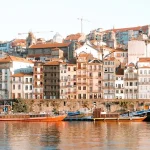
📷 Featured image by Letícia Fracalossi on Unsplash.