On this page
- Beating the July Heat — Structure Your Days Around the Temperature
- Where to Go: Regions That Reward July Visitors (and One to Rethink)
- The Beach Question — Algarve vs. Atlantic Coast vs. Something Different
- July Crowds and How to Outmanoeuvre Them
- What July Actually Costs in 2026 — Budget Reality by Travel Style
- Eating and Drinking in the Portuguese Summer
- Packing and Practical Logistics for July
- Frequently Asked Questions
July 2026 is shaping up to be one of the busiest months Portugal has ever seen. Flight connections from North America, the UK, and northern Europe have expanded over recent years, and the word is firmly out: Portugal is not a hidden gem anymore. If you are arriving this July without a plan, you will spend a lot of money, stand in a lot of queues, and wonder what the fuss was about. Arrive with a strategy and you will understand exactly why people keep coming back.
Beating the July Heat — Structure Your Days Around the Temperature
Portugal in July is genuinely hot. Lisbon and the Alentejo regularly hit 38°C or above. The Algarve sits in the low-to-mid 30s most days. Even Porto, which many visitors assume is mild, can push past 32°C during a heat wave. This is not a month for powering through midday sightseeing.
The Portuguese have always known this. The country practically pauses between roughly noon and 3pm. Lean into that rhythm. Get up early — the light before 9am is extraordinary, streets are quiet, and the stone pavements of Lisbon’s Alfama still hold the night’s coolness. Do your walking, your monuments, your market visits in the morning. Then find shade, a long lunch, or an air-conditioned museum for the middle of the day. Reconnect with the outdoors after 5pm when the heat softens and the evening stretches toward a 9pm sunset.
Hydration is not optional. Carry water everywhere. The tap water in Portugal is safe to drink in all major cities and towns, which will save you money and plastic.
Where to Go: Regions That Reward July Visitors (and One to Rethink)
Not every corner of Portugal handles July equally well.
The Alentejo is spectacular in July if you know what you are getting into. The rolling plains, cork oak forests, and whitewashed medieval villages like Monsaraz and Marvão are breathtaking — but temperatures here are the highest in the country. This is a region for early mornings, slow lunches under vine pergolas, and wine-tasting in cool adega cellars. It rewards visitors who pace themselves.
The Minho and the North — including the Douro Valley and the green hills around Gerês National Park — offer genuine relief from the heat. Temperatures are several degrees lower than Lisbon, and the landscapes are lush. Gerês, Portugal’s only national park, has cold river pools perfect for swimming. The Douro Valley in July is dry and golden, and the terraced vineyards are at their most photogenic before harvest.
The Azores is worth serious consideration for July. The islands sit in the mid-Atlantic and rarely exceed 26°C. Whale watching, hydrothermal pools on São Miguel, and calderas covered in hydrangeas offer experiences completely unlike mainland Portugal. Flight connections from Lisbon are frequent.
Lisbon is worth visiting in July if you manage it correctly — more on that in the crowds section. But Sintra in peak July without an early booking is the one experience to genuinely reconsider. The village becomes almost impossible to navigate between 11am and 5pm. Either get there before 9am or save it for a shoulder-season trip.
The Beach Question — Algarve vs. Atlantic Coast vs. Something Different
The Algarve is Portugal’s most famous coastline for good reason. The limestone rock formations, the clarity of the water, the sheer variety of beaches from vast open stretches to sheltered coves — it earns its reputation. In July 2026 it will also be extremely busy. Praia da Marinha, Praia de Benagil, and the beaches around Lagos will be packed by 10am. If the Algarve is your destination, go east toward the Spanish border (Tavira island beaches are quieter and wilder) or stay west of Lagos near Sagres, where the Atlantic makes the water cooler and the vibe considerably more relaxed.
The Costa Vicentina — the western Algarve and Alentejo coast running from Sagres northward — is protected as a natural park and development is tightly restricted. Beaches here are long, wild, and genuinely uncrowded even in July. The Atlantic water is colder than the south coast (expect 19–21°C), but for surfers and those who prefer empty space over warm shallows, this coastline is exceptional.
Further north, the Costa de Prata around Nazaré and São Martinho do Porto offers calmer waters in a semi-circular bay that suits families. Nazaré itself is lively in summer and has good fish restaurants along the waterfront where the smell of salt air and charcoal-grilled sardines drifts up from open-front kitchens.
July Crowds and How to Outmanoeuvre Them
The core problem in July is that everyone wants the same things at the same time. Here is how to separate yourself from the pack.
- Pre-book everything ticketed. Jerónimos Monastery, the Pena Palace, the Sagrada Família of Portugal (the Batalha Monastery) — all of these now operate on timed entry. Without a booking you may simply be turned away.
- Stay outside the obvious neighbourhoods. In Lisbon, staying in Mouraria, Beato, or Campo de Ourique puts you close to the centre but away from the Baixa-Chiado tourist loop. In Porto, the Bonfim neighbourhood is walkable to everything and feels like a real city.
- Travel mid-week. Portuguese beach towns are quietest Monday through Wednesday. Weekends bring domestic visitors from Lisbon and Porto on top of international tourists.
- Eat at Portuguese hours, not tourist hours. Lunch at 1pm and dinner at 8:30pm or later means you will avoid the first wave of tourists who eat at noon and 7pm. Restaurants are better staffed, less rushed, and often have the full menu available.
What July Actually Costs in 2026 — Budget Reality by Travel Style
Portugal is no longer cheap by Western European standards, particularly in Lisbon, Porto, and the Algarve in peak season. Here is an honest picture for July 2026.
Budget traveller
Hostel dorm in Lisbon or Porto: €25–€40 per night. Budget guesthouse double room: €70–€100 in the cities, €60–€85 in smaller towns. A meal at a local tasca with the daily set lunch (prato do dia): €10–€14 including a drink. Intercity bus or regional train travel: €10–€25 per journey. Total daily spend: €60–€90 per person if disciplined.
Mid-range traveller
Three-star hotel or boutique guesthouse: €120–€180 per night. Sit-down dinner at a decent restaurant: €25–€40 per person with wine. Car rental in July: €45–€70 per day from major rental companies (book well in advance — July stock sells out). Total daily spend: €130–€200 per person.
Comfortable traveller
Four-star hotel or design property: €200–€350 per night. Fine dining or wine-focused restaurant: €60–€100 per person. Private tours or guides: €150–€250 per day. Total daily spend: €300–€500 per person.
One consistent saving across all budgets: Portugal’s public transport is still reasonable. Train travel between Lisbon and Porto is comfortable and costs around €25–€35 for a standard ticket booked in advance through CP, the national rail operator.
Eating and Drinking in the Portuguese Summer
July is sardine season, and this matters. The festa das sardinhas runs through June and July and sardines grilled over charcoal are sold at street festivals across the country, particularly around the São João celebrations that spill into early July in Porto. The fish arrives to your paper plate charred and crackling, and you eat it with coarse bread and a cold Sagres or Super Bock straight from the bottle — it is one of those meals that costs almost nothing and stays in your memory for years.
Seafood in general is exceptional in summer. Percebes (goose barnacles) from the northern Atlantic coast, grilled polvo (octopus) with olive oil and coriander, and fresh amêijoas à Bulhão Pato — clams in white wine, garlic, and coriander — are all at their best. Pair any of this with a chilled Vinho Verde, the young, slightly effervescent white wine from the Minho region. Its light acidity and low alcohol (often around 11%) make it genuinely refreshing in the heat.
For something cold mid-afternoon, seek out a pastelaria and order a imperial — a small, fresh draught beer — or try the Portuguese take on a sundowner: a glass of chilled rosé from the Alentejo. Avoid the overpriced tourist-facing restaurants on any beachfront promenade. Walk one street back and the price and quality both improve.
Packing and Practical Logistics for July
Keep it light. July heat makes heavy bags miserable and most Portuguese accommodation, especially older guesthouses, involves stairs rather than lifts.
- Sun protection: SPF 50 is the floor, not the ceiling. Sunscreen is widely available in Portugal but significantly cheaper if bought before you travel.
- Footwear: Lisbon’s cobblestone streets are beautiful and brutal. Sandals are fine for evenings but bring one pair of proper walking shoes for morning sightseeing.
- Layers for evenings: Coastal areas, particularly north of Lisbon and anywhere on the Atlantic coast, can get a sharp sea breeze after sunset. A light layer is worth the minimal space it takes.
- Cash: Portugal is increasingly cashless in cities. Restaurants, transport, and most shops take cards. But rural areas, village markets, and some beach kiosks still prefer cash. Keep €50–€100 in small notes as backup.
- Driving: If you are renting a car, be aware that the Via Verde motorway toll system requires either a rental company toll transponder or pre-registered payment. Driving past toll booths without the correct setup leads to fines. Clarify this with your rental company before you leave the desk.
Frequently Asked Questions
Is July too hot to visit Portugal?
Not if you adjust your routine. Coastal areas, the north, and the Azores are far more manageable than the inland south. Structure your day around early mornings and late afternoons and July becomes very rewarding.
How far in advance should I book accommodation for July 2026?
For Lisbon, Porto, and the Algarve, ideally three to four months ahead for good mid-range options. The best properties in peak July sell out by March or April. Budget accommodation has slightly more availability but prices rise sharply on short notice.
Which beaches are least crowded in July?
The Costa Vicentina and the river beaches around Gerês see far fewer tourists than the famous southern resorts, even at peak season.
Do I need to speak Portuguese to travel in Portugal in July?
English is widely spoken in tourist areas, hotels, and restaurants in 2026, particularly among younger Portuguese. In rural areas and with older residents, basic phrases in Portuguese go a very long way and are warmly received. A few words of greeting and thanks genuinely improves interactions throughout the country.
Is Lisbon worth visiting in July despite the crowds?
Yes, but with strategy. Base yourself outside the most congested tourist neighbourhoods and pre-book timed-entry sites. Lisbon’s food scene, fado venues, miradouros at sunset, and waterfront in the early morning all remain excellent regardless of season.
Explore more
Portugal’s Coast in June 2026: Beaches, Sun, and Sea
Portugal in June 2026: Experience the São João Festival in Porto
Lisbon in June 2026: Celebrating Santo António and Summer Nights
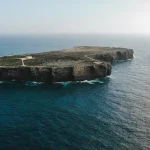
📷 Featured image by Artem Zhukov on Unsplash.