On this page
- Sintra’s Personality: What Kind of Place Is This, Really?
- Sintra’s Distinct Areas: Where Things Actually Are
- The Palaces, Castles, and Gardens: What to See and in What Order
- Where to Eat and Drink in Sintra
- Getting to Sintra and Moving Around Once You’re There
- Day Trips from Sintra
- Sintra After Dark
- Shopping in Sintra
- Where to Stay in Sintra: Areas and Tiers
- Best Time to Visit Sintra in 2026
- Practical Tips for Sintra in 2026
- 2026 Budget Breakdown: What Sintra Actually Costs
- Frequently Asked Questions
💰 Click here to see Portugal Budget Breakdown
💰 Prices updated: August, 2026. Budget figures are estimates — always verify before travel.
Exchange Rate: $1 USD = €0.86
Daily Budget (per person)
Shoestring: €40.00 – €90.00 ($46.51 – $104.65)
Mid-range: €130.00 – €200.00 ($151.16 – $232.56)
Comfortable: €250.00 – €500.00 ($290.70 – $581.40)
Accommodation (per night)
Hostel/guesthouse: €15.00 – €45.00 ($17.44 – $52.33)
Mid-range hotel: €100.00 – €190.00 ($116.28 – $220.93)
Food (per meal)
Budget meal: €10.00 ($11.63)
Mid-range meal: €35.00 ($40.70)
Upscale meal: €100.00 ($116.28)
Transport
Single metro/bus trip: €2.00 ($2.33)
Monthly transport pass: €40.00 ($46.51)
Sintra has a problem that no other Portuguese town quite shares: it is genuinely, objectively beautiful, and almost everyone has figured that out. In 2026, visitor numbers continue to push against the town’s narrow streets and hilltop trails. Timed-entry ticketing is now standard at all major palaces, same-day palace tickets routinely sell out before 10am, and the Pena Palace queue on a July Saturday can chew up two hours of your morning. None of this means you shouldn’t go — it means you need a plan before you arrive, not after. This guide gives you that plan.
Sintra’s Personality: What Kind of Place Is This, Really?
Sintra sits about 28 kilometres northwest of Lisbon, tucked into the Serra de Sintra hills where Atlantic fog rolls in most mornings and pine forests press right up against palace walls. The air smells different here — damp granite, eucalyptus, and something faintly sweet from the pastry shops near the train station. Lord Byron called it a glorious Eden in 1809, and the description still holds, which is partly why UNESCO listed it as a Cultural Landscape in 1995.
The town operates on multiple levels. At street level, it’s a working Portuguese municipality where locals shop at the weekly market and complain about parking. One level up — literally — it’s a concentration of Romantic-era royal follies: palaces built on crags, Moorish ruins draped in moss, gardens that seem to belong to a different climate entirely. Higher still, on the ridgeline, the Atlantic appears on clear days stretching all the way to the horizon.
Sintra suits travelers who are willing to walk uphill, who book tickets in advance, and who don’t expect a relaxed beach-town pace. It rewards those who arrive early, stay overnight, or visit on a weekday in spring or autumn. It punishes those who show up at noon on a Saturday in August with no reservation and expect to wing it.

Sintra’s Distinct Areas: Where Things Actually Are
First-time visitors often arrive at Sintra train station and feel confused about the geography. The town is not compact in the way Lisbon’s Alfama is — attractions are spread across several kilometres of steep terrain.
Sintra Vila (Historic Centre)
This is the postcard zone: the National Palace with its twin white chimneys, the steep lanes lined with azulejo-tiled walls, the pastry shops, and the coach ranks. Most visitors spend all their time here and on the hills directly above. It’s crowded between 10am and 5pm but genuinely atmospheric in the early morning when mist clings to the chimneys and the only sound is distant church bells.
São Pedro de Penaferrim
About 1.5 kilometres east of Sintra Vila, São Pedro has a quieter, more residential feel. It hosts a well-known antiques and general market on the second and fourth Sunday of each month. Locals eat here, prices in the restaurants drop noticeably, and the streets don’t fill with tour groups. If you’re staying overnight, this neighbourhood rewards a late-afternoon walk.
Estefânia
The area around the train station, functional rather than charming, but useful. Cheaper guesthouses cluster here, and the connections to Lisbon and Cascais run directly from this point. Don’t dismiss it — proximity to the station matters when you’re catching an early train to beat the crowds.
The Palace Zones: Pena, Monserrate, and Regaleira
These attractions aren’t in any single neighbourhood — they’re scattered across the hillside and accessed by a combination of walking trails and the 434 bus circuit. Understanding their positions relative to each other before you arrive saves significant time and frustration.
The Palaces, Castles, and Gardens: What to See and in What Order

Sintra has more significant monuments per square kilometre than almost anywhere in Portugal. The trick is not trying to see all of them in one day.
Pena Palace (Palácio da Pena)
The one with the yellow and red towers visible from Lisbon on clear days. Built in the 1840s for King Ferdinand II, it’s a deliberately theatrical mix of Gothic, Moorish, Manueline, and Renaissance styles — think a Bavarian castle reimagined by someone who had never visited Bavaria and had access to unlimited Portuguese tile. The interiors are preserved almost exactly as the royal family left them in 1910 when the monarchy ended. Plan 2.5 to 3 hours including the walk through the park. Book timed-entry tickets at least 48 hours in advance in 2026 — often more during summer.
Moorish Castle (Castelo dos Mouros)
The medieval ramparts snaking along the ridge above Sintra Vila offer the best free-range views in the area. You can walk the walls, peer down into the cistern, and see Pena Palace across the treetops. Less visited than Pena, slightly more physically demanding. Combine these two in one morning — the 434 bus stops at both.
Quinta da Regaleira
This is the one with the Initiation Well — a spiral staircase descending 27 metres into the earth, built for symbolic Masonic ceremonies and genuinely vertiginous to stand at the top of. The entire estate, built for a wealthy Brazilian merchant at the turn of the 20th century, is dense with symbolism: grottos, tunnels, a neo-Gothic chapel, and gardens that take a full two hours to explore properly. This is many visitors’ favourite site in Sintra, and the crowds reflect that.
National Palace of Sintra (Palácio Nacional)
The white building with the twin conical chimneys in the centre of Sintra Vila is one of the best-preserved medieval royal palaces in Portugal. Less dramatic visually than Pena but far more historically grounded. The Magpie Room ceiling is painted with 136 magpies, allegedly commissioned by King João I after he was caught kissing a lady-in-waiting. Worth an hour and a half.

Monserrate Palace & Gardens
The least-visited of Sintra’s major palaces and arguably the most elegant. The Moorish-Gothic palace sits in gardens planted with specimens from across the British Empire, maintained by three generations of wealthy English owners in the 19th century. The gardens are vast, wild in places, and far quieter than anything near Pena. Go here on your second day or if you want to escape the main crowds entirely.
Where to Eat and Drink in Sintra
The restaurant strip closest to the National Palace on Rua das Padarias is overpriced and aimed squarely at tourists moving in large groups. You can do better without walking far.
The Market Area and São Pedro
The Mercado de Sintra near the municipal gardens is the best place for a working-lunch feel — local workers, honest prices, simple food done well. The restaurants along Rua Arco do Teixeira in São Pedro serve petiscos (Portuguese small plates) at prices 30 to 40 percent lower than the historic centre. Tosta mista, bifanas, and plates of grilled fish appear on handwritten menus in windows.
Pastry Shops Near the Station
Sintra’s signature pastry is the travesseiro — a puff pastry pillow filled with almond and egg cream, warm from the oven, slightly sticky on the fingers, with a dusting of icing sugar that immediately goes everywhere. Casa Piriquita on Rua das Padarias is the most famous source, open since 1862. Arrive before 9am or after 4pm to avoid the longest queues. A travesseiro costs around €2.50 in 2026. There is also the queijada de Sintra — a small dense cheese tart with a caramelised edge — which pairs well with an afternoon espresso.

Wine and Afternoon Drinks
The Colares wine region sits just west of Sintra, producing unusual reds from Ramisco grapes grown in sandy coastal soils. Several bars in Sintra Vila now list Colares wines by the glass — rare outside the region and worth trying. The terrace bars along Volta do Duche, overlooking the valley, are genuinely pleasant for a late afternoon drink once the main rush has passed.
Getting to Sintra and Moving Around Once You’re There
The Train from Lisbon
The Linha de Sintra runs from Lisboa-Rossio station directly to Sintra in approximately 40 minutes. Trains run every 10 to 20 minutes throughout the day. A single ticket costs around €2.55 in 2026. The Viva Viagem card loaded with the Lisbon+Sintra zapping option is the most economical choice if you’re spending multiple days in the area. The journey itself is pleasant — the line passes through suburban Lisbon before climbing into the hills.
Note for 2026: The CP (Comboios de Portugal) schedule was updated in late 2025. Off-peak services now run later into the evening, with the last train from Sintra departing around 00:30 on weekends. Check the CP app for current timetables before travel.
The 434 Bus Circuit
This is the tourist bus that circuits from Sintra train station up to the Moorish Castle and Pena Palace, then back down. A day pass costs around €6.90 in 2026. It’s slow, it fills quickly on peak days, and it does not serve Monserrate or Regaleira (which have their own separate 435 bus). But for the steep climb from Sintra Vila to Pena, it’s the practical choice unless you’re committed to a 45-minute uphill walk.

Tuk-Tuks and Taxis
Tuk-tuks congregate near the train station and offer fixed-rate tours. Useful if you’re travelling with people who can’t manage steep terrain or if you want to reach Monserrate without waiting for the 435. Agree on the price before you get in. A tuk-tuk to Regaleira from the station costs roughly €10 to €15 in 2026.
Walking the Trails
Sintra’s network of signed hiking trails connects most major sites. The trail from Sintra Vila up to the Moorish Castle takes about 45 minutes and involves significant elevation gain on stone paths that can be slippery after rain. Wear shoes with grip. The trail system was partially rerouted in 2025 to reduce erosion damage — paper maps are available at the tourist office near the station, and the Parques de Sintra app was updated to reflect the new routes.
Day Trips from Sintra
Cascais — 30 Minutes by Bus
The Scotturb 403 bus connects Sintra to Cascais along the coastal road, passing through Cabo da Roca and Guincho beach. The full journey takes about 75 minutes end-to-end but you can break it at any point. Cascais itself is a well-heeled coastal town with a working fishing harbour, a pedestrianised centre, and beaches within walking distance. A full Sintra-Cascais-Lisbon triangle makes for an excellent two-day itinerary.
Cabo da Roca — 40 Minutes by Bus
The westernmost point of continental Europe. There is nothing here except cliffs, wind, Atlantic waves, a lighthouse, and a certificate you can buy at the visitor centre proving you stood here. It’s dramatically beautiful and completely exposed — bring a layer even in summer. The 403 bus stops right at the cape.

Mafra — 45 Minutes by Bus or Car
The Baroque palace-convent complex at Mafra is one of the largest buildings in Portugal and almost entirely overlooked by international visitors. João V built it to fulfil a religious vow and filled it with 36,000 books in one of Europe’s finest library rooms. The library is protected from insects by colonies of bats that still live in the building — a fact that makes the room considerably more memorable. Reached by the Mafrense bus from Sintra’s bus terminal.
Óbidos — 1 Hour by Car or Bus
A medieval walled town with whitewashed houses, bougainvillea, and ginjinha (cherry liqueur) sold from ceramic cups. Compact enough to walk in two hours, photogenic in every direction, and considerably less visited than Sintra. The bus connection involves a change and takes longer — renting a car or joining a small-group tour makes more sense if this is your primary destination.
Setúbal and the Arrábida Peninsula — 90 Minutes by Car
South of Lisbon, the Arrábida Natural Park has limestone cliffs dropping into turquoise water so clear it looks implausible. Not easily reached without a car, but worth the effort if your Sintra trip is part of a longer Portugal journey. The contrast between Sintra’s forested hills and Arrábida’s Mediterranean coastline makes the combination particularly satisfying.
Sintra After Dark
Sintra’s evenings are a well-kept secret, mostly because most visitors clear out by 6pm to catch trains back to Lisbon. What remains is quiet, atmospheric, and significantly more Portuguese.
The National Palace is lit at night and visible from most of the historic centre — the chimneys glow against the dark hillside in a way that no photograph fully captures. The restaurants in São Pedro fill with locals after 8pm. The sound of the town changes completely: fewer languages, more clinking of wine glasses through open windows, the occasional distant dog.

There are no nightclubs in Sintra and no pub district. What there is: a handful of bars near the historic centre that stay open until midnight, the occasional live music event in the municipal gardens during summer, and the Sintra Music Festival (Festival de Música de Sintra) which runs across July and August with classical concerts held inside the palaces — an experience that costs more than a standard palace ticket but is genuinely unforgettable. Check the festival programme at cm-sintra.pt for 2026 dates.
Staying overnight in Sintra and walking the historic centre at 7am, before any tour bus has arrived, is one of the better travel decisions you can make in Portugal.
Shopping in Sintra
The souvenir shops along the main tourist drag sell the same hand-painted tiles and cork products found in every Portuguese city. Skip them and look for the following instead.
São Pedro Market
Held on the second and fourth Sunday of each month, this market mixes antiques, vintage ceramics, second-hand books, local produce, and general bric-a-brac. It’s genuinely browsable, populated mostly by Portuguese buyers rather than tourists, and located in the quieter São Pedro neighbourhood. If your visit falls on a market Sunday, it’s worth an hour of your morning.
Craft Shops in Sintra Vila
A small number of independent ceramic and craft shops along Rua Consigliéri Pedroso sell work by local artisans at prices that reflect actual craft rather than mass production. Look for pieces in the regional blue-and-white style distinctive to Sintra. The difference between these and the souvenir shops is immediately apparent — the craftsmanship shows in the brushwork.
Colares Wine and Local Produce

A few specialty food shops in the historic centre stock Colares wines, local honey from the Serra de Sintra, and artisan cheeses from the surrounding region. These make far more useful souvenirs than decorative tiles if you’re travelling with checked luggage. Prices for Colares wine start at around €12 to €18 per bottle in 2026 for good-quality examples.
Where to Stay in Sintra: Areas and Tiers
Most visitors stay in Lisbon and day-trip to Sintra, which is perfectly workable. Staying in Sintra itself, however, transforms the experience — you get the palace hilltops in early morning silence and the town after the day-trippers leave.
Budget (€40–€80 per night)
Small guesthouses and residencials around the Estefânia neighbourhood near the train station. Basic rooms, reliable hot water, short walk to trains. Sintra has relatively few true budget options — it skews toward mid-range and above. Hostel beds in shared rooms are available from around €25 to €35 per night in 2026 at a small number of properties near the centre.
Mid-Range (€80–€180 per night)
The strongest tier in Sintra. Boutique guesthouses in converted townhouses in Sintra Vila and São Pedro offer rooms with stone walls, period furniture, and in some cases garden access. At this level you’re paying partly for atmosphere and partly for location. Book well ahead — mid-range properties here have small room counts and fill quickly.
Comfortable and Luxury (€180–€500+ per night)
Sintra has genuine luxury offerings, including a handful of palace-hotel conversions with forested grounds, pools, and spa facilities. The Bairro da Quinta da Regaleira area and the road toward Monserrate have several properties at this level. At the very top end, historic manor houses (quintas) offer exclusive use accommodation from €400 per night and above in peak season.
Best Time to Visit Sintra in 2026
The practical answer: October, November, March, and April. The Romantic answer: May, when the hydrangeas along the garden paths are in full flower and the Atlantic light is soft from 6am onwards.

Spring (March–May)
The Serra is green, temperatures sit between 14°C and 22°C, and the crowds are manageable on weekdays. March can be rainy — the forest trails get muddy but the palace gardens look spectacular. The Easter holiday period brings Portuguese domestic tourism in significant numbers, so avoid that specific week if crowds concern you.
Summer (June–August)
Peak season. Palace tickets sell out days in advance. Temperatures are milder here than in Lisbon — usually 18°C to 26°C rather than the scorching heat of the interior — because Atlantic fog and sea breezes moderate the Serra. Still busy, still manageable with advance planning. The Sintra Music Festival runs through summer, which adds a compelling reason to visit despite the crowds.
Autumn (September–November)
September still feels like summer with smaller crowds. October is arguably the best single month to visit Sintra: the light turns golden, the forests begin to change colour, the queues shorten, and the restaurants feel genuinely local again. November brings more rain but near-empty palaces and prices that drop 20 to 30 percent.
Winter (December–February)
Quiet, sometimes cold, occasionally dramatic with Atlantic storms rolling over the Serra. The palaces are open with reduced hours. A very small number of visitors experience Sintra in winter mist and consider it the most atmospheric version of the place. Some guesthouses close or reduce operations — check ahead.
Practical Tips for Sintra in 2026
Book palace tickets online before you arrive. This is not optional advice — it’s the single most important practical step for a successful Sintra visit. The Parques de Sintra website (parquesdesintra.pt) handles tickets for Pena, Regaleira, Moorish Castle, Monserrate, and the National Palace. In 2026, the combined ticket for multiple sites offers savings of around 15 to 20 percent versus individual entry.

Wear appropriate footwear. The cobblestone lanes are steep and become slippery in wet weather. The hiking trails between palaces involve uneven stone and tree roots. Open sandals and dress shoes cause problems. Trail runners or hiking shoes are the right choice.
Cash is useful but not essential. Most restaurants and shops accept cards. The São Pedro market and some smaller stalls prefer cash. An ATM is available near the train station.
Language: Portuguese is the local language. In tourist areas, English is widely understood. A few words of Portuguese — obrigado/obrigada (thank you), por favor (please), com licença (excuse me) — go a long way and are genuinely appreciated.
Safety: Sintra is very safe by European standards. The main practical risks are trail accidents (slippery paths, inadequate footwear), sunburn at the exposed Moorish Castle ramparts, and the ordinary annoyances of pickpocketing in very crowded areas near the train station.
Mobile data: Coverage is good in the town but can be patchy on some of the higher trails. Download the Parques de Sintra app and your trail maps before you leave the town centre.
2026 Budget Breakdown: What Sintra Actually Costs
Sintra is not cheap by Portuguese standards, but it’s very reasonable by the standards of comparable European heritage destinations.
Budget Tier (€60–€90 per day)
- Accommodation: hostel bed or basic guesthouse €25–€45
- Train from Lisbon return: €5.10
- One palace entry (Moorish Castle, the most affordable): €10–€12
- Meals: café breakfast €4–€6, lunch at local restaurant €10–€14, travesseiros and coffee €4
- 434 bus day pass: €6.90
- Total: approximately €65–€90 for a full day trip including transport from Lisbon
Mid-Range Tier (€120–€200 per day)
- Accommodation: boutique guesthouse €90–€140 per night
- Two palace entries (e.g. Pena + Regaleira): €30–€36
- Meals at proper restaurants: €35–€50 for the day including wine
- Tuk-tuk to one attraction: €12–€15
- Total: approximately €130–€200 including overnight stay
Comfortable Tier (€250–€500+ per day)
- Accommodation: luxury quinta or palace hotel €200–€400+
- Combined Parques de Sintra multi-site ticket: €40–€45
- Private guided tour of a palace: €80–€120 per person
- Dinner at a quality restaurant with Colares wine: €60–€90 for two
- Total: €300–€500+ for a luxurious overnight experience
Frequently Asked Questions
How many days do you need in Sintra?
One full day covers the highlights if you’re efficient: Pena Palace in the morning, Regaleira in the afternoon, and the historic centre at either end. Two days is more comfortable and lets you visit Monserrate and Cascais without rushing. Three days allows proper exploration including the quieter trails and a day trip along the coast.
Can you visit Sintra without booking tickets in advance?
For the National Palace in Sintra Vila, walk-up tickets are usually available. For Pena Palace and Quinta da Regaleira, especially between April and October, advance booking is strongly recommended — both regularly sell out by 10am. In 2026, same-day availability at Pena is rare on weekends from May through September.
Is Sintra worth visiting in winter?
Yes, genuinely. The palaces are nearly empty, prices drop, and the Serra de Sintra in Atlantic mist has an atmosphere that summer photographs cannot capture. Bring waterproof layers, check that your chosen sites are open (some have reduced winter hours), and accept that some trails will be muddy. The trade-off in solitude is worth it for many visitors.
How far is Sintra from Lisbon and how do you get there?
Sintra is approximately 28 kilometres northwest of central Lisbon. The direct train from Lisboa-Rossio takes around 40 minutes and runs every 10 to 20 minutes throughout the day. This is the easiest and most affordable option at roughly €2.55 per single journey in 2026. Driving is possible but parking in and around the historic centre is very limited.
What should you wear to visit Sintra?
Comfortable walking shoes with grip are essential — cobblestones and forest trails make up most of the navigation. Layers are important year-round because the Serra de Sintra is cooler and windier than Lisbon, and Atlantic fog can arrive quickly. Sun protection matters at the exposed Moorish Castle ramparts. In winter and spring, waterproof outer layers are practical rather than optional.
Explore more
Where to Eat in Sintra: Top Picks for Every Taste & Budget
The Ultimate Sintra Travel Guide: Palaces, Castles & Enchanted Forests
The Best Restaurants in Sintra: Your Essential Dining Guide
Sintra Itinerary: How to Spend 1, 2 or 3 Days in Portugal’s Magical Town
Sintra Palaces & Attractions: A Complete Guide to Tickets, Prices & Passes
Where to Stay in Sintra: Best Hotels, Guesthouses & Neighborhoods for Your Trip
How to Get to Sintra from Lisbon: Train, Bus, Car & Tour Options
Navigating Sintra: Getting Around the Palaces & Hills Without a Car
Sintra’s Hidden Gems: 7 Off-the-Beaten-Path Treasures You Shouldn’t Miss
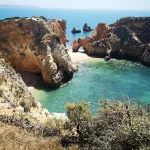
📷 Featured image by Andrei Daniel Petrica on Unsplash.