On this page
- The Season Question Porto Visitors Keep Getting Wrong
- How Porto’s Personality Shifts With the Seasons
- Spring in Porto: March to May
- Summer in Porto: June to August
- Autumn in Porto: September to November
- Winter in Porto: December to February
- Porto’s Festivals and Events Worth Timing Your Trip Around
- Crowds and Prices: The Real Seasonal Breakdown
- Matching Your Travel Style to the Right Month
- 2026 Budget Reality: What Porto Costs by Season
- Practical Timing Tips Before You Book
- Frequently Asked Questions
💰 Click here to see Portugal Budget Breakdown
💰 Prices updated: September, 2026. Budget figures are estimates — always verify before travel.
Exchange Rate: $1 USD = €0.88
Daily Budget (per person)
Shoestring: €40.00 – €70.00 ($45.45 – $79.55)
Mid-range: €150.00 – €300.00 ($170.45 – $340.91)
Comfortable: €400.00 – €1,000.00 ($454.55 – $1,136.36)
Accommodation (per night)
Hostel/guesthouse: €15.00 – €50.00 ($17.05 – $56.82)
Mid-range hotel: €70.00 – €150.00 ($79.55 – $170.45)
Food (per meal)
Budget meal: €10.00 ($11.36)
Mid-range meal: €25.00 ($28.41)
Upscale meal: €60.00 ($68.18)
Transport
Single metro/bus trip: €1.90 ($2.16)
Monthly transport pass: €40.00 ($45.45)
The Season Question Porto Visitors Keep Getting Wrong
In 2026, Porto is no longer a hidden gem — it ranked among Europe’s top five most searched city breaks for the third year running. That popularity has a direct consequence: the gap between a crowded, overpriced Porto and a relaxed, affordable one now depends almost entirely on which month you arrive. Many travelers still default to July and August because the weather looks best on paper. That instinct costs them — in euros, in queues, and in the experience itself. This guide cuts through the noise and tells you exactly when to go based on what you actually want.
How Porto’s Personality Shifts With the Seasons
Porto is a city that wears its mood openly. In summer, the azulejo-tiled facades of Ribeira bake in direct sun and the streets between the wine cellars in Vila Nova de Gaia fill with tour groups moving in dense, slow-moving lines. In January, those same alleys are nearly empty, slick with rain, and smell of woodsmoke drifting from ground-floor tascas. Neither version is wrong — they’re just different cities.
What makes Porto genuinely unusual among Portuguese destinations is that it sits on the Atlantic coast at 41° north latitude, which means it gets real seasons. It rains properly in winter. It gets genuinely hot in summer. Spring and autumn are not just transitional months — they’re distinct, rewarding periods with their own character. Understanding that rhythm is the starting point for timing your trip well.
Spring in Porto: March to May
Spring is the month when locals exhale. After a wet February, the city shakes itself off and the miradouros — the hilltop viewpoints — start to fill again with people drinking wine from paper cups as the sun drops over the Douro. Temperatures in March sit around 14–17°C, climbing to a comfortable 19–22°C by May. Rain is still possible, especially in March, but it tends to come in short, sharp bursts rather than all-day grey.
For the Douro Valley day trip — which almost every Porto visitor makes — spring is the most photogenic window outside of harvest season. The vines are bright green, the hillside terraces look almost theatrical, and the river runs high and fast from winter rainfall. Boat trips on the Douro run reliably from April onwards.
Crowds are manageable in March and April. Hotel rates sit well below summer peaks. By late May, the shoulder season edges toward high season as northern European half-term holidays hit and Erasmus students flood the city for end-of-year celebrations. Book accommodation for late May at least six weeks ahead.
Summer in Porto: June to August
June starts with Porto’s biggest event of the year: the Festa de São João on the night of 23–24 June. For that one night, the city transforms completely. Locals pour into the streets, plastic hammers are sold on every corner, grilled sardines cook on makeshift grills outside apartment windows, and the smell of charcoal and laurel fills the entire Bonfim and Miragaia neighborhoods until 3 a.m. Fireworks over the Douro at midnight are loud enough to rattle windows two streets back. It is genuinely one of the best street parties in Europe and worth planning an entire trip around.
After São João, summer settles into a different rhythm. July and August bring temperatures of 25–30°C, occasionally pushing to 33°C during Saharan dust events, which have become more frequent since 2023. The beaches at Matosinhos — a 15-minute metro ride from central Porto on the A line — become the real social hub for city residents. If you want to understand how Porto actually lives in summer, go there on a Saturday morning: families, surfers, coffee kiosks, and the long flat beach stretching north toward Leça da Palmeira.
The honest assessment of July and August: Porto’s most famous spots — Livraria Lello, the Dom Luís I Bridge viewpoints, the São Bento station — are at their most crowded. Livraria Lello now operates a timed entry system in 2026 with tickets at €5 that can be redeemed against a book purchase, but even with that system, midday visits feel rushed and hot. Early morning arrivals (opening time, around 10 a.m.) are noticeably quieter.
Autumn in Porto: September to November
September is the month that Porto regulars consider their private secret. The summer crowds have thinned. The temperatures — still 22–26°C through most of the month — feel gentle rather than punishing. And if you time it right, you can base yourself in Porto and make the 90-minute drive or train journey to the Douro Valley during the grape harvest, known as the vindima.

The vindima runs roughly from mid-September to early October depending on the year. In 2026, several quintas in the Pinhão and Régua areas opened their harvest activities to paying visitors — a full day picking grapes, eating lunch with the harvest workers, and tasting young wine from open stone lagares. It’s physical, it’s loud, and the wine at the end tastes like nothing you’ll find in a bottle. This is not a polished wine tour; it’s actual work followed by a long table of food.
October brings Porto’s golden-light weeks. The Douro terraces turn amber and rust. The city itself gets quieter, hotel prices drop noticeably, and the restaurant tables that were impossible to book in August become available without a reservation. November is the start of the rainy season — still perfectly visitable, but pack a proper waterproof jacket.
Winter in Porto: December to February
Porto in winter is not for sun-seekers, and it doesn’t pretend to be. December averages 10–14°C with frequent rain. The days are short — sunset by 5:15 p.m. in December. But the city has a specific winter quality that some travelers find deeply appealing: the tiled facades glisten, the wine caves in Gaia are warm and quiet, and a glass of tawny port in a dim tasca feels like exactly what the city was built for.
December has its own energy. The Christmas market on Avenida dos Aliados runs through most of the month and is genuinely pretty without being overwhelming — it’s smaller than the markets in Vienna or Cologne, which keeps it local in feel. Casa da Música hosts its own cultural calendar of smaller jazz and classical concerts through the winter months.
January and February are Porto’s quietest months. Flight prices and hotel rates hit their annual lows. The city is fully operational — restaurants, museums, wine caves all open — but without queues. For travelers who prioritize cost and atmosphere over guaranteed sunshine, February Porto is genuinely underrated. The Carnaval period (February, date varies by year) brings short bursts of local celebration without the commercial scale of Carnaval in Madeira or Brazil.
Porto’s Festivals and Events Worth Timing Your Trip Around
- Festa de São João (23–24 June): The unmissable event. Free street party across the entire city. Book accommodation 3–4 months ahead for this date.
- NOS Primavera Sound (June): Major international music festival held in Parque da Cidade. In 2026, the festival confirmed a three-day format. Attracts 30,000+ daily. Tickets sell out months in advance.
- Serralves em Festa (late May/early June): 40+ hours of free continuous arts programming at the Serralves Museum and gardens. One of Portugal’s most distinctive cultural events.
- Douro Vindima / Grape Harvest (mid-September to early October): Not a festival per se, but the most experiential time to visit the valley. Several quintas offer harvest participation packages in 2026 ranging from €60–€120 per person for a full day.
- Porto Christmas Market on Aliados (December): Runs approximately 1–23 December. Combines with ice skating, light installations, and weekend live music.
- Fantasporto Film Festival (February): International fantasy and horror film festival with screenings across the city. Niche but beloved by Porto locals.

Crowds and Prices: The Real Seasonal Breakdown
Porto’s tourism has professionalized its pricing in ways that weren’t true five years ago. Dynamic pricing on hotels and short-term rentals means that São João weekend, NOS Primavera Sound, and the last two weeks of July can see accommodation prices 60–90% higher than the same property in March. This isn’t speculation — it’s a consistent pattern visible across Booking.com and Airbnb data going into 2026.
The crowd reality at key attractions:
- Livraria Lello: Queues form by 10:30 a.m. in July–August. In October, you can often walk in without waiting.
- Dom Luís I Bridge: The upper walkway is always open but photographing it from the Gaia side without tour groups in frame requires arriving before 9 a.m. in peak season.
- Wine lodges in Gaia: Graham’s, Sandeman, and Taylor’s all require advance booking in June–August. In January, walk-ins are standard.
- Ribeira waterfront: The postcard view is most crowd-free on weekday mornings outside June–August.
Matching Your Travel Style to the Right Month
Not all Porto trips are the same, and the best month depends heavily on what you’re actually there to do.
- Wine and Douro Valley focus: September and October are the clear choice. Harvest season adds something that no other time of year can offer.
- Festivals and nightlife: Late June is the peak. São João alone justifies the trip, and NOS Primavera Sound in the same month makes June the most event-dense window of the year.
- Budget travel: January and February offer the best value by a significant margin. November is also good value with more reliable weather than midwinter.
- Photography and architecture: October for autumn light. May for green Douro terraces. Both months have long, golden-hour windows.
- Beach time combined with city: July and August, specifically for Matosinhos beach. The Atlantic here is cooler than the Algarve — water temperature reaches about 19–20°C in August — but entirely swimmable.
- Avoiding crowds entirely: February. If you don’t mind short days and possible rain, you’ll have the city essentially to yourself.

2026 Budget Reality: What Porto Costs by Season
These are real 2026 figures based on current Porto accommodation and dining pricing. They reflect what an independent traveler actually spends, not theoretical minimums.
Budget Traveler (hostel dorm, cheap eats, public transport)
- Low season (Jan–Feb, Nov): €45–€65 per day
- Shoulder season (Mar–May, Oct): €55–€80 per day
- High season (Jun–Sep): €75–€100 per day
- São João weekend / NOS festival: Add €30–€50 to the daily figure; hostels often impose minimum stay requirements
Mid-Range Traveler (private hotel room, sit-down lunches, occasional taxi)
- Low season: €120–€160 per day
- Shoulder season: €150–€200 per day
- High season: €200–€280 per day
Comfortable Traveler (boutique hotel, wine tastings, good dinners)
- Low season: €250–€350 per day
- Shoulder season: €300–€420 per day
- High season: €400–€600+ per day (especially during São João and NOS weeks)
A practical note on wine cave tastings: the major lodges in Gaia charge €15–€35 for standard tastings and €50–€120 for premium vintage experiences in 2026. These prices have held relatively stable compared to accommodation, making the wine experience a good-value fixed cost regardless of when you visit.
Practical Timing Tips Before You Book
A few specifics that make a real difference in 2026:
Flights into Porto (OPO): Ryanair, easyJet, and TAP all increased frequency from UK, German, and Dutch airports into Porto in 2026. The new TAP codeshare arrangement with several transatlantic carriers means more North American visitors arrive via Lisbon and connect by train — the Alfa Pendular between Lisbon Santa Apolónia and Porto Campanhã takes about 2 hours 45 minutes and costs €25–€45 depending on when you book.
Booking windows: For São João weekend, book accommodation by March. For July–August generally, book 8–10 weeks ahead. For shoulder season, 3–4 weeks is usually fine. Low season, you can often book a week out without penalty.
What to pack by season: Summer needs sunscreen and light layers for evening river breezes. Spring and autumn need a compact waterproof shell — not a heavy jacket, but something windproof. Winter needs proper waterproof outerwear; Porto’s winter rain comes sideways off the Atlantic and a fashion raincoat won’t cut it. Comfortable shoes matter year-round — Porto’s granite cobblestones are beautiful and unforgiving in equal measure.

The shoulder season sweet spot in 2026: October consistently emerges as the month that balances weather, crowd levels, price, and experience most effectively. Temperatures remain warm enough for outdoor dining. The harvest season in the Douro is either just finishing or still underway. And the city settles back into its own rhythm after the summer surge.
Frequently Asked Questions
What is the best month to visit Porto overall?
October is the most consistently rewarding month for most travelers. Temperatures sit around 18–22°C, summer crowds have cleared, hotel prices drop significantly from August highs, and the Douro Valley grape harvest season adds an experience unique to that window. May is a close second for those who prefer spring energy and green landscapes.
Does it rain a lot in Porto?
Yes, Porto is one of the rainiest cities in Western Europe by annual rainfall. November through March sees the most precipitation. Summer months — June through August — are reliably dry. Spring and autumn bring occasional rain but rarely all-day downpours. A compact waterproof jacket is worth packing for any visit outside July–August.
Is Porto worth visiting in winter?
Absolutely, if you adjust expectations. January and February offer the lowest prices of the year, empty attractions, and a genuinely atmospheric version of the city. The wine lodges, tascas, and Casa da Música all operate normally. You won’t get beach weather, but for culture, food, and wine, winter Porto delivers well and costs significantly less than peak season.
How far in advance should I book for São João?
Book accommodation for São João (23–24 June) at least three to four months ahead, especially if you want to stay in central Porto, Bonfim, or Ribeira. It’s Porto’s largest annual event and the city fills quickly. Many hotels apply minimum stay requirements of two to three nights around this date in 2026.
What is the weather like in Porto in September?
September in Porto is excellent. Expect temperatures of 22–26°C, mostly sunny skies, and very little rain. It combines summer warmth with a noticeable easing of tourist crowds compared to July and August. It’s also the start of the Douro Valley grape harvest, making it the ideal month for combining a city stay with a wine country excursion.
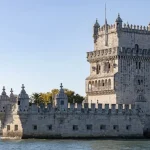
📷 Featured image by Thomas Gabernig on Unsplash.