On this page
- Discovering Porto’s Distinct Neighborhoods
- Essential Porto Attractions and Experiences
- Porto’s Food and Drink Scene
- Getting Around Porto
- Best Day Trips from Porto
- Porto’s Nightlife and Entertainment
- Shopping Districts and Markets
- Best Areas to Stay by Budget
- Best Time to Visit Porto
- Practical Travel Tips for Porto
- Daily Budget Breakdown
- Frequently Asked Questions
💰 Click here to see Portugal Budget Breakdown
💰 Prices updated: August, 2026. Budget figures are estimates — always verify before travel.
Exchange Rate: $1 USD = €0.86
Daily Budget (per person)
Shoestring: €40.00 – €90.00 ($46.51 – $104.65)
Mid-range: €130.00 – €200.00 ($151.16 – $232.56)
Comfortable: €250.00 – €500.00 ($290.70 – $581.40)
Accommodation (per night)
Hostel/guesthouse: €15.00 – €45.00 ($17.44 – $52.33)
Mid-range hotel: €100.00 – €190.00 ($116.28 – $220.93)
Food (per meal)
Budget meal: €10.00 ($11.63)
Mid-range meal: €35.00 ($40.70)
Upscale meal: €100.00 ($116.28)
Transport
Single metro/bus trip: €2.00 ($2.33)
Monthly transport pass: €40.00 ($46.51)
Porto in 2026 strikes a perfect balance between authentic Portuguese life and international appeal. Unlike Lisbon’s tourist saturation, Portugal’s second city maintains its working-class soul while embracing visitors who seek genuine cultural immersion. The city’s UNESCO-listed historic center feels lived-in rather than preserved, with locals still hanging laundry from azulejo-covered buildings and neighborhood tascas serving the same recipes for generations.
Discovering Porto’s Distinct Neighborhoods
Porto’s neighborhoods each tell a different story, making your choice of base crucial for the right experience.
Ribeira hugs the Douro River with its maze of medieval streets and iconic colorful buildings. The atmospheric heart of old Porto comes alive at sunset when golden light bounces off the river onto café terraces. Stay here for maximum charm but expect crowds during peak hours and some noise from riverside restaurants. The cobblestones can be challenging with luggage.
Cedofeita represents Porto’s creative pulse. This former industrial district now houses independent galleries, vintage shops, and innovative restaurants. The neighborhood attracts young locals and international creatives, creating an authentic yet cosmopolitan vibe. Perfect for travelers seeking culture beyond tourist sites.
Campanhã offers excellent value as Porto’s up-and-coming eastern district. The train station provides easy access to Lisbon and day trip destinations. While less picturesque than central areas, you’ll find genuine local atmosphere and significantly lower accommodation prices.
Foz do Douro provides seaside elegance where the river meets the Atlantic. This upscale residential area offers beach access, seafood restaurants, and a more relaxed pace. Choose Foz for a resort-like feel while staying connected to the city center via tram.
Baixa serves as Porto’s commercial heart around Avenida dos Aliados. The area provides easy access to major attractions and transport links. However, it can feel impersonal compared to residential neighborhoods.
Essential Porto Attractions and Experiences
Porto’s attractions blend architectural grandeur with authentic cultural experiences that reveal the city’s layered history.

São Bento Station welcomes visitors with 20,000 hand-painted azulejo tiles depicting Portuguese history. The station functions as both transport hub and impromptu art gallery, where locals pause to admire Jorge Colaço’s masterwork during their daily commute.
Livraria Lello continues drawing literary pilgrims to its neo-Gothic interior and famous red staircase. The bookstore now requires timed entry tickets (€8) to manage crowds, but the fee applies toward any book purchase. Visit early morning for the most atmospheric lighting through the stained glass skylight.
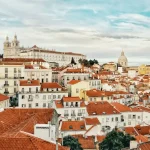
Torre dos Clérigos offers Porto’s best panoramic views after climbing 225 steps. The baroque tower stands 76 meters tall, providing stunning vistas over terracotta rooftops to the Douro River. Entry costs €6 and includes access to the church below.
Port wine cellars in Vila Nova de Gaia offer tastings with river views. Taylor’s, Sandeman, and Graham’s provide comprehensive cellar tours, while smaller producers like Real Companhia Velha offer more intimate experiences. Most tastings range from €15-30 and include 3-4 port varieties.
Palácio da Bolsa showcases Porto’s 19th-century commercial wealth through opulent interiors. The Arabian Hall’s intricate Islamic-inspired decoration took 18 years to complete. Guided tours (€11) reveal the building’s role in Porto’s trading history.
Serralves Museum presents contemporary art in a striking modernist building surrounded by formal gardens. The museum’s rotating exhibitions feature international artists alongside Portuguese creators. Combined tickets (€12) include the Art Deco Serralves Villa.
Porto’s Food and Drink Scene
Porto’s culinary landscape centers on traditional tasca culture, innovative chefs, and of course, port wine. The city’s food scene thrives in specific neighborhoods and markets where locals actually eat.

Mercado do Bolhão reopened in 2022 after extensive renovations, maintaining its authentic atmosphere while improving vendor facilities. The covered market offers fresh produce, traditional pastries, and prepared foods. Head upstairs for Time Out Market-style food stalls featuring local specialties.
Rua do Almada concentrates some of Porto’s best traditional restaurants. O Diplomata serves exceptional seafood rice, while Adega São Nicolau offers classic northern Portuguese dishes in a tile-covered dining room. Reservations recommended for dinner service.
Travessa de Cedofeita showcases Porto’s modern dining revolution. Restaurants like Mesa 325 and Euskalduna Studio push creative boundaries while respecting local ingredients. Expect tasting menus from €60-90 at top establishments.
For francesinha, Porto’s iconic sandwich, locals recommend Café Santiago near Campanhã station or Side B in Cedofeita. The beer-soaked cheese sauce varies by establishment, creating passionate local debates about authenticity.
Wine bars cluster around Rua de Miguel Bombarda and Rua de Passos Manuel. Plano B offers natural wines in an intimate setting, while Matéria Prima focuses on Portuguese producers. Most pour by the glass from €4-8.
The Rua de Santa Catarina pedestrian area provides casual dining options and the famous Café Majestic, where locals sip coffee beneath belle époque mirrors. The café’s pastéis de nata arrive warm with a perfectly crispy shell and creamy custard center.
Cantinho do Avillez brings José Avillez’s accessible fine dining to Porto with a menu celebrating northern Portuguese flavors. The restaurant requires advance booking but offers excellent value for Michelin-guide quality cuisine.
Getting Around Porto
Porto’s compact center makes walking pleasant, though the city’s hills and cobblestones require comfortable shoes. Public transport efficiently connects outlying areas and day trip destinations.
The Metro do Porto operates six color-coded lines serving the city and surrounding municipalities. Line E connects Francisco Sá Carneiro Airport to the city center in 30 minutes for €2.15. The system uses Andante cards, available at stations for €0.60 plus journey costs.

Historic Tram Line 1 provides scenic transport along the river from Ribeira to Foz do Douro. The vintage wooden trams offer a leisurely way to reach the beach district while enjoying Douro River views. Single journeys cost €3.50 or use your Andante card.
Uber and Bolt operate throughout Porto with typical city center rides costing €5-8. Traditional taxis use meters but agree on airport transfers beforehand. Expect €25-30 from the airport to central Porto.
Walking remains the best way to explore the historic center, though Porto’s steep streets can be challenging. The city’s funicular, Funicular dos Guindais, helps navigate between upper and lower town levels for €4 return.
Car rental suits day trips but avoid driving in the historic center due to narrow streets and limited parking. Major companies operate at the airport and Campanhã station.
Best Day Trips from Porto
Douro Valley offers Portugal’s most spectacular river scenery, terraced vineyards, and wine quintas. Trains from São Bento station follow the river for 2.5 hours to Pocinho, providing stunning valley views. Alternatively, join organized tours (€45-65) that include quinta visits and tastings. Allow a full day for this UNESCO World Heritage landscape.
Braga combines religious heritage with vibrant student life just 45 minutes by train (€3.60). The city’s Baroque churches and the hilltop Bom Jesus do Monte sanctuary offer impressive architecture and valley views. Regular CP trains make this an easy half-day trip.
Aveiro charms visitors with its colorful moliceiro boats and Art Nouveau architecture. The “Portuguese Venice” sits one hour south by train (€7.85). Explore the canal-crossed city center, visit the salt pans, or continue to nearby Costa Nova beach with its striped fishermen’s houses.
Guimarães claims the title “birthplace of Portugal” with its medieval castle and well-preserved historic center. The train journey takes 1.5 hours (€3.60) to this UNESCO World Heritage city. Combine with nearby Citânia de Briteiros, an ancient Celtic settlement.

Coimbra showcases one of Europe’s oldest universities and the world’s most beautiful library, Biblioteca Joanina. Fast trains reach Coimbra in 2.5 hours (€25.90), making it suitable for a long day trip. The university’s baroque library requires advance booking (€12).
Porto’s Nightlife and Entertainment
Porto’s nightlife reflects its dual character: traditional fado houses preserving cultural heritage and contemporary venues driving Portugal’s creative scene.
Rua de Miguel Bombarda serves as Porto’s alternative nightlife strip. Bars like Maus Hábitos blend cocktails, live music, and art exhibitions in converted industrial spaces. The street comes alive after 10 PM with young locals moving between venues.
Ribeira’s riverside terraces provide romantic sunset drinks with views across to Vila Nova de Gaia’s port cellars. Restaurants transform into bars after dinner service, though expect tourist prices and crowds during summer evenings.
Fado houses preserve Porto’s musical traditions in intimate settings. Casa da Guitarra offers authentic performances in a small stone-walled room where the emotional Portuguese blues echo off ancient walls. Shows typically start at 9:30 PM with a minimum consumption requirement.
Rooftop bars take advantage of Porto’s hillside topography. The Yeatman Hotel’s bar provides panoramic city views with premium cocktails (€12-15), while more accessible options include Press Club above Rua de Santa Catarina.
Plano B in Cedofeita represents Porto’s natural wine movement with a carefully curated selection served in a converted warehouse. The intimate space fills with creative professionals and wine enthusiasts exploring Portuguese producers.
Live music venues include Hot Five Club for jazz, Plano B for indie acts, and Maus Hábitos for electronic music. Check Facebook events as Porto’s music scene relies heavily on social media promotion.

Shopping Districts and Markets
Porto shopping ranges from traditional markets selling local crafts to contemporary boutiques showcasing Portuguese design talent.
Rua de Santa Catarina functions as Porto’s main shopping street, anchored by the Via Catarina shopping center. The pedestrianized street mixes international brands with local retailers. Stop at Café Majestic for a coffee break in belle époque surroundings.
Rua do Almada specializes in vintage and second-macao shops. Matéria Prima combines vintage clothing with Portuguese design objects, while Silo Auto offers carefully curated vintage fashion. Prices remain reasonable compared to Lisbon’s vintage scene.
Cedofeita district concentrates independent designers and concept stores. Anouk showcases Portuguese fashion brands, while Rua Miguel Bombarda hosts weekend pop-up markets featuring local artisans.
Mercado do Bom Sucesso combines traditional market stalls with modern food concepts. The renovated market offers fresh produce, prepared foods, and artisan products in an accessible central location.
El Corte Inglés provides department store convenience near São Bento station. The Spanish chain offers international brands, gourmet foods, and tax-free shopping for non-EU visitors.
For Portuguese souvenirs, visit A Vida Portuguesa for traditional products with modern packaging, or browse azulejo tiles at Cerâmica do Mondego. Avoid the mass-produced items near major tourist attractions.
Best Areas to Stay by Budget
Your accommodation choice significantly impacts your Porto experience, with each area offering distinct advantages depending on budget and travel style.
Budget (€20-60/night): Campanhã and eastern districts provide excellent value with easy transport connections. Gallery Hostel and Spot Hostels offer modern facilities near train stations. Residential neighborhoods east of the center feature budget guesthouses popular with longer-term visitors.
Mid-range (€60-150/night): Cedofeita combines reasonable prices with authentic neighborhood atmosphere. Boutique guesthouses and renovated apartments offer character without Ribeira’s premium pricing. The area provides easy walking access to major attractions while maintaining local vibes.

Comfortable (€150-300/night): Ribeira and Baixa offer prime locations with historic charm. The Yeatman Hotel provides luxury with Douro River views, while boutique options like Hotel Teatro focus on design and service. Expect smaller rooms due to historic building constraints.
Luxury (€300+/night): Foz do Douro combines seaside elegance with city access. International chains like InterContinental provide full services, while quintas offer countryside luxury within metro reach. Book early for summer availability.
Best Time to Visit Porto
Porto’s Atlantic climate creates distinct seasons, each offering different advantages for visitors seeking specific experiences.
Spring (March-May) brings mild temperatures (15-20°C) and blooming gardens throughout the city. Easter celebrations add cultural richness, though occasional rain requires waterproof layers. Hotel prices remain reasonable before summer peaks.
Summer (June-August) offers warmest weather (20-25°C) and extended daylight for sightseeing. The São João festival in late June fills streets with celebrations and sardine grilling. Expect crowds and higher accommodation costs, especially in Ribeira.
Autumn (September-November) provides ideal conditions with comfortable temperatures (15-22°C) and harvest season in the Douro Valley. September offers summer warmth without peak crowds, making it excellent for day trips and outdoor dining.
Winter (December-February) brings cooler temperatures (8-15°C) but fewer tourists and lower prices. The Christmas markets add charm, while indoor attractions like museums and port cellars remain comfortable. Pack waterproof clothing for frequent rain.
The São João festival (June 23-24) represents Porto’s biggest celebration with street parties, plastic hammer traditions, and midnight fireworks. Book accommodation well in advance for this period.
Practical Travel Tips for Porto
Understanding local customs and practical details ensures smoother navigation of Portuguese culture and daily logistics.

Language: Portuguese remains the primary language, though English is widely spoken in tourist areas. Learn basic greetings: “Bom dia” (good morning), “Obrigado/a” (thank you), and “Desculpe” (excuse me). Northern Portuguese accents differ from Lisbon pronunciation.
Safety: Porto ranks among Europe’s safest cities with low crime rates. Exercise normal urban caution, especially in crowded areas like Ribeira during peak tourist hours. The main safety concern involves navigating slippery cobblestones when wet.
Tipping culture: Round up restaurant bills or add 5-10% for excellent service. Café coffee doesn’t require tipping. Taxi drivers appreciate rounding to the nearest euro. Hotel staff expect €1-2 for luggage assistance.
Business hours: Shops typically open 9 AM-7 PM Monday-Friday, with reduced Saturday hours. Many close for lunch 1-3 PM. Restaurants serve lunch 12-3 PM and dinner 7:30-10 PM. Tourist attractions maintain consistent schedules year-round.
Mobile connectivity: EU visitors can use domestic plans without roaming charges. Others should purchase Portuguese SIM cards from MEO, NOS, or Vodafone shops. Free WiFi is available in most accommodations, cafés, and public spaces.
Tap water: Porto’s municipal water is safe and tasty, reducing plastic bottle waste. Restaurants provide tap water upon request (“água da torneira”).
Daily Budget Breakdown
Porto offers excellent value compared to other European capitals, with costs varying significantly by neighborhood and dining choices.
Budget travel (€35-50/day): – Hostel accommodation: €15-25 – Meals: pastéis de nata (€1.50), tasca lunch (€8-12), supermarket dinner (€5-8) – Transport: day pass (€4.15) – Attractions: free walking tour, church visits (€2-5) – Drinks: coffee (€0.70), beer (€1.50-3)
Mid-range comfort (€80-120/day): – Guesthouse/hotel: €40-70 – Meals: café breakfast (€5), restaurant lunch (€15-20), dinner (€25-35) – Transport: metro/taxi as needed (€8-12) – Attractions: museums, guided tours (€10-15) – Drinks: wine bar glasses (€4-8), cocktails (€8-12)
Comfortable experience (€150-250/day): – Boutique hotel: €80-150 – Meals: hotel breakfast, quality restaurants (€50-80 total) – Transport: taxis, airport transfers (€15-25) – Attractions: skip-the-line tickets, private tours (€20-40) – Drinks: premium venues, wine tastings (€15-30)

Port wine tastings add €15-30 to any budget tier, while day trips typically cost €20-65 depending on transport and activities chosen.
Frequently Asked Questions
How many days do you need in Porto? Three to four days allows thorough exploration of the historic center, port wine cellars, and one day trip. Extend to a week for relaxed exploration including multiple Douro Valley visits and beach time in Foz.
Is Porto walkable for tourists? Porto’s historic center is compact and walkable, though steep hills and cobblestones can be challenging. The metro and trams efficiently connect outlying attractions. Comfortable walking shoes are essential for navigating traditional stone streets.
What’s the best way to get from Porto airport to the city center? Metro Line E (Violet) connects the airport to downtown in 30 minutes for €2.15. Taxis cost €25-30 to central areas, while Uber typically charges €15-20. The metro provides the most economical and reliable option.
Do I need to book port wine tastings in advance? Major cellars like Taylor’s and Sandeman accept walk-ins, but booking ensures preferred time slots, especially during summer. Smaller quintas often require advance booking. Premium tastings and food pairings always need reservations.
Is Porto expensive compared to other European cities? Porto offers excellent value with restaurant meals from €8-15, coffee under €1, and accommodation from €20-80. Costs are roughly 30-40% lower than major European capitals while providing comparable cultural experiences and infrastructure.
Explore more
Best Neighborhoods in Porto: Where to Stay for Every Traveler
A Food Lover’s Guide to Porto: Must-Try Dishes & Best Restaurants
Porto Wine Tasting in Porto: A Beginner’s Guide to Cellar Tours
15 Must-See Attractions in Porto for Your Bucket List
Where to Stay in Porto: Best Neighborhoods & Accommodation Options
How to Get Around Porto: Public Transport, Walking & More
Porto on a Budget: Free Things to Do & Affordable Experiences
Best Day Trips from Porto: Explore Northern Portugal’s Gems
Douro Valley Day Trip from Porto: Wineries, River Cruises & Views
The Most Instagrammable Spots in Porto: Photo Guide
📷 Featured image by Daniel Seßler on Unsplash.