On this page
- Alfama & Mouraria: The Old City’s Beating Heart
- Baixa & Chiado: The Convenient Core
- Bairro Alto & Príncipe Real: Nightlife Energy Meets Boutique Calm
- Belém & Ajuda: Cultural Weight, Western Calm
- Intendente & Arroios: The 2026 Insider Pick
- Parque das Nações: Modern Infrastructure, Quieter Nights
- 2026 Budget Reality: What Accommodation Actually Costs
- How to Choose Based on Your Travel Style
- Frequently Asked Questions
💰 Click here to see Portugal Budget Breakdown
💰 Prices updated: August, 2026. Budget figures are estimates — always verify before travel.
Exchange Rate: $1 USD = €0.86
Daily Budget (per person)
Shoestring: €40.00 – €90.00 ($46.51 – $104.65)
Mid-range: €130.00 – €200.00 ($151.16 – $232.56)
Comfortable: €250.00 – €500.00 ($290.70 – $581.40)
Accommodation (per night)
Hostel/guesthouse: €15.00 – €45.00 ($17.44 – $52.33)
Mid-range hotel: €100.00 – €190.00 ($116.28 – $220.93)
Food (per meal)
Budget meal: €10.00 ($11.63)
Mid-range meal: €35.00 ($40.70)
Upscale meal: €100.00 ($116.28)
Transport
Single metro/bus trip: €2.00 ($2.33)
Monthly transport pass: €40.00 ($46.51)
Lisbon‘s accommodation market in 2026 is tighter than it looks at first scroll. Short-term rental restrictions introduced in late 2024 — and tightened again in early 2026 — have pushed a chunk of central apartments off platforms like Airbnb, which means hotel prices in Alfama and Chiado have climbed noticeably. If you’re arriving with a vague plan to “find something central,” you may end up paying a premium for a noisy street in a neighbourhood that doesn’t match how you actually want to spend your days. Picking the right area before you book changes everything.
Alfama & Mouraria: The Old City’s Beating Heart
Alfama is the neighbourhood people picture when they think of Lisbon — cobblestone lanes barely wide enough for two people, tiled facades peeling at the edges, and the smell of grilled sardines drifting up from restaurants wedged into centuries-old ground floors. On summer evenings, you can hear fado guitar bleeding through open windows before the singers even start. It’s genuinely atmospheric in a way that no amount of hotel branding can replicate.
Mouraria, just to the north and west of Alfama, shares that historic density but feels slightly less polished for tourists. The streets around Intendente square blend Portuguese, South Asian, and West African communities into something more lived-in. If authenticity matters to you more than convenience, this pairing delivers.
The trade-off is physical. Both neighbourhoods sit on Lisbon’s steepest hills. If you’re carrying luggage, arriving late, or have mobility concerns, navigating the calçada (cobblestone) streets to your door can be genuinely difficult. Taxis and rideshares can only get so close. Accommodation here skews toward small guesthouses, boutique hotels, and the remaining legal short-term rentals — you won’t find large chain hotels. It suits couples, solo travellers, and anyone who prioritises character over convenience.
Baixa & Chiado: The Convenient Core
Baixa is Lisbon’s flat downtown grid, rebuilt after the 1755 earthquake in neat, walkable blocks. Chiado sits just uphill from it, anchored by Rua Garrett and the iconic Brasileira café. Together they form the city’s most accessible zone — close to almost every major sight, served by multiple Metro lines, and flat enough that you won’t break a sweat walking to dinner.
The downside is the crowd. By mid-morning in peak season, Rua Augusta is shoulder-to-shoulder with tour groups. The streets quieten after midnight, but the daytime noise — traffic, street performers, groups with selfie sticks — is constant. If you’re a light sleeper, check whether your hotel room faces the street or an interior courtyard before confirming the booking.

Accommodation in Baixa-Chiado is dominated by mid-range and upscale hotels. Brands like Bairro Alto Hotel, internacional units, and boutique properties have consolidated here as short-term rentals exited. It’s the best base if you’re only in Lisbon for two or three nights and want to walk to everything without planning. For longer stays, the lack of neighbourhood texture becomes noticeable.
Bairro Alto & Príncipe Real: Nightlife Energy Meets Boutique Calm
These two areas share a postcode but a very different personality depending on which block you’re on. Bairro Alto proper — roughly the grid between Rua do Século and Rua da Atalaia — is Lisbon’s traditional nightlife zone. Bars open at 10pm, street drinking is still common on warm nights, and the noise level between midnight and 3am is significant. Staying here means embracing that rhythm or wearing earplugs.
Príncipe Real, just a few streets north, is a different city. It’s where Lisbon’s design-conscious locals actually want to live. The streets are lined with antique dealers, natural wine bars, concept stores, and restaurants that take bookings two weeks in advance. The accommodation here leans toward design-forward boutique hotels and well-appointed apartments — generally quieter, noticeably more expensive, and worth every euro if that register matches your travel style.
For first-timers who want to experience Lisbon’s social energy without committing to a hostel bunk, the border zone between the two areas — around Praça do Príncipe Real itself — offers a reasonable middle ground.
Belém & Ajuda: Cultural Weight, Western Calm
Belém sits about 6 kilometres west of Baixa along the riverfront. It holds the Jerónimos Monastery, the Tower of Belém, the Monument to the Discoveries, and the MAAT contemporary art museum — more cultural weight per square kilometre than almost anywhere else in the city. It’s also quiet in the evenings, which is either a feature or a bug depending on your priorities.
The commute reality matters here. From Belém to Alfama by public transport takes around 35–40 minutes. The Cascais train line runs frequently and the ride is scenic along the Tagus, but if you’re planning to move around the city constantly, the distance adds up. Belém works best for travellers who want a calm base and plan to spend at least one full day in the immediate area.
Accommodation options are more limited than in central neighbourhoods. A handful of boutique hotels and apart-hotels serve this area, but it’s not a district with a wide range of price points. Families with children often find Belém appealing — the streets are wider, the parks are large, and the pastéis de nata from the original Pastéis de Belém bakery are worth the queue.
Intendente & Arroios: The 2026 Insider Pick
If someone who lives in Lisbon is recommending a neighbourhood right now, it’s probably somewhere in the Intendente-Arroios corridor. Five years ago this area was considered rough around the edges. By 2026, it’s where independent restaurants, small concept stores, and creative residencies have taken root — without yet charging Chiado prices.
Praça do Intendente itself has completed a long transformation. The square is now a genuine community gathering point, with outdoor café seating, a covered market, and a cultural centre hosting regular events. The streets around it blend immigrant communities with an incoming wave of younger Lisboetas priced out of Príncipe Real.
Accommodation here is predominantly independent guesthouses, small boutique hotels, and a growing number of licensed apartment rentals. Prices are meaningfully lower than in Chiado or Alfama. The Green Line Metro stops at Intendente and Anjos, putting you 10 minutes from Baixa-Chiado. For travellers staying five or more nights who want to experience the city beyond the tourist circuit, this is the area worth prioritising in 2026.
Parque das Nações: Modern Infrastructure, Quieter Nights
Built on reclaimed industrial land for Expo 98, Parque das Nações is Lisbon’s most modern district — wide riverside promenades, contemporary architecture, zero hills, and a neighbourhood grid designed for pedestrians. It has almost none of Lisbon’s historical grit, which puts off some travellers entirely and suits others perfectly.
The Oriente train station is the major practical asset. It connects to Porto (under 3 hours by Alfa Pendular), the Algarve, and Humberto Delgado Airport (about 10 minutes by Metro on the Red Line). If you’re using Lisbon as a hub for wider Portugal travel, or if you’re arriving on a long-haul flight and don’t want to navigate a steep hill with luggage at midnight, Parque das Nações makes logistics significantly easier.
Hotel options here tend to be larger, branded properties — Marriott, Myriad, and similar. Prices are often lower than equivalent-quality hotels in Chiado, because the location doesn’t carry the same postcard cachet. Families with young children and corporate travellers typically find this district more comfortable than the historic centre.
2026 Budget Reality: What Accommodation Actually Costs
Lisbon is no longer a budget destination by European standards. Short-term rental restrictions have reduced supply without reducing demand, and hotel rates across central neighbourhoods have increased. Here’s what to realistically expect per night for a standard double room in high season (June–September 2026):
- Budget (hostels, basic guesthouses): €40–€75 per night. Mostly available in Intendente, Arroios, and outer Mouraria. Fewer options in Chiado or Alfama at this price point.
- Mid-range (3-star boutique hotels, apart-hotels): €110–€185 per night. The widest selection across Baixa, Bairro Alto, and Parque das Nações. Príncipe Real boutiques start at the upper end of this band.
- Comfortable (4-star and design-forward independents): €200–€340 per night. Well-represented in Chiado, Príncipe Real, and the riverfront Baixa hotels. The Bairro Alto Hotel remains a benchmark at roughly €280–€320.
- Luxury (5-star and top independents): €380+ per night. The Four Seasons Ritz, Bairro Alto Hotel suites, and Myriad by Sana Hotels in Parque das Nações occupy this tier.
Shoulder season (March–May, October) brings prices down by roughly 25–35% across all tiers. January and February offer the deepest discounts but come with the risk of rain for extended stretches.
How to Choose Based on Your Travel Style
The neighbourhood question becomes straightforward once you know what kind of trip you’re actually taking:
- First-time visitor, 2–3 nights: Stay in Baixa-Chiado. Walk everywhere, accept the crowds, and maximise sightseeing efficiency. It’s not the most interesting base, but it’s the most practical.
- Repeat visitor or culture-first traveller: Príncipe Real for comfort and quality, or Alfama if the atmosphere is the point. Budget extra time for logistics in Alfama.
- Budget-conscious, 5+ nights: Intendente or Arroios. Lower prices, real neighbourhood life, easy Metro access. The best value in the city right now.
- Families with young children: Belém for calm and space, or Parque das Nações for modern infrastructure and flat terrain.
- Nightlife-focused: Bairro Alto, with the understanding that you are staying inside the noise, not next to it.
- Using Lisbon as a travel hub: Parque das Nações for Oriente station access and straightforward airport connections.
Frequently Asked Questions
Which neighbourhood in Lisbon is safest for tourists?
Lisbon is broadly safe by European standards. Petty theft — pickpocketing on trams and in crowded squares — is the main concern in tourist-heavy areas like Alfama and Baixa. Intendente has a rougher historical reputation but has changed significantly by 2026. Apply normal urban caution in any neighbourhood and you’re unlikely to encounter problems.
Is it worth staying in Alfama or is it better to just visit during the day?
Staying in Alfama is genuinely different from visiting it. The atmosphere in the early morning — before tour groups arrive — and the fado evenings are best experienced from a base inside the neighbourhood. That said, the hill access and limited room supply make it worth staying only if you’ve specifically planned around it.
How far in advance should I book accommodation in Lisbon in 2026?
For travel between June and September, book at least 8–10 weeks ahead. The short-term rental restrictions introduced since 2024 have reduced available inventory, meaning desirable mid-range properties in central neighbourhoods now fill faster than they did two years ago. Shoulder season gives you more flexibility, but good boutique options still sell out 3–4 weeks out.
Is Parque das Nações too far from the main sights?
It’s about 20 minutes to Baixa-Chiado by Metro (Red Line to Oriente, change to Green or Blue line). That’s manageable for a day-trip rhythm but adds up if you’re moving around the city multiple times daily. It works well for travellers with a structured itinerary rather than spontaneous wanderers.
Which Lisbon neighbourhood has the best restaurants within walking distance?
Príncipe Real and the surrounding streets have the highest concentration of quality independent restaurants per block in 2026. Chiado runs close behind. Intendente is emerging fast, with several well-reviewed openings in the past 18 months. Belém is the weakest area for dining variety once the tourist-facing spots close in the evening.
Explore more
Alfama: Your Ultimate Guide to Lisbon’s Oldest District
Lisbon Shopping: The Ultimate Guide for Travelers
The Best Bars & Clubs in Lisbon: Bairro Alto, Pink Street & Rooftop Nightlife
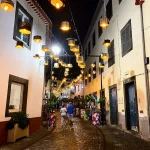
📷 Featured image by Joao Alexandre Paulo on Unsplash.