On this page
Why August Hits Different in Portugal
August remains the most searched month for Portugal travel, and in 2026 it is also the most punishing one to plan badly. Flight prices into Lisbon and Faro have climbed again compared to two years ago, accommodation in the Algarve is routinely sold out by March for school-holiday weeks, and the daytime heat in the interior regularly pushes past 40°C. None of that means August is the wrong time to come — it means you need a cleaner strategy than most travel articles give you.
Portugal in August is not a gentle summer holiday. The country is simultaneously hosting its own domestic tourists — Portuguese families who take their férias in August by long tradition — and the peak wave of international visitors from the UK, France, Germany, the Netherlands, and Brazil. The result is a country operating at full capacity, with prices and temperatures to match.
The heat is the factor most visitors underestimate. Inland cities like Évora, Beja, and even parts of the Alentejo can sit above 42°C for days at a stretch. Lisbon recorded its hottest August nights on record in recent years, and the urban heat island effect means the city barely cools below 25°C after dark. Walking the steep cobblestones of Alfama at 2pm in August is a physical experience — the sun bouncing off whitewashed walls, the air sitting completely still between the narrow buildings, your feet finding the small sliver of shade under a clothes line strung between neighbours’ windows.
The coast is different. Atlantic-facing beaches from Cascais north through the Silver Coast and up to the Minho run cooler than you expect — water temperatures sit around 18–20°C, and the afternoon breeze off the Atlantic cuts the heat significantly. The Algarve’s south-facing beaches are warmer but also more crowded, with beaches like Meia Praia and Manta Rota reaching capacity on peak August weekends by 10am.
The mindset shift that makes August work: stop trying to cover ground. August is a month to pick one base, go slow, and accept that midday is not for sightseeing.
Where to Go — and Where to Avoid — in August
The honest advice is to treat Portugal’s geography as a set of trade-offs rather than a ranking.
The Algarve is the most straightforward August destination — the infrastructure is built for it, restaurants are all open, transport is reliable, and the beaches are genuinely world-class. The cost is crowds and prices. If you are going to the Algarve in August, stay west of Portimão toward Sagres and the Costa Vicentina, where the national park limits development and the beaches are far less saturated.
Lisbon in August divides opinion. Many Lisbon residents actually leave the city, which means traffic is lighter than June or September, some neighbourhood restaurants close for the owner’s own holiday, but the main tourist corridors in Baixa and Alfama are more congested than ever. If you have not been before, August is still a fine time to visit Lisbon — just stay near Príncipe Real or Santos rather than in the thick of Chiado.
Porto in August is genuinely excellent. The city sits far enough north that temperatures are several degrees lower than Lisbon, the Atlantic beach suburbs of Matosinhos and Foz do Douro are 15 minutes away by metro, and the city’s cultural calendar runs strong through summer. This is the most underrated August pick in Portugal.
The Azores is worth serious consideration if you want a cooler, less predictable summer. August is actually the driest month in the Azores, and São Miguel’s volcanic landscapes — the Sete Cidades caldera lakes, the thermal pools at Furnas, the green crater ridgelines — feel like a completely different planet from the baked south. Just know that the Azores in August now attract heavy flight demand and book early accordingly.
Avoid planning a deep Alentejo interior itinerary in August unless you have air-conditioned transport and genuinely love the heat. The villages and vineyards are beautiful, but the experience of walking an open hilltop cork grove at 3pm in August is closer to an endurance sport than a holiday.
Beating the Heat: Practical Strategies That Actually Work
Every August article tells you to “stay hydrated and wear sunscreen.” Here is what actually changes your experience.
- Book accommodation with air conditioning explicitly confirmed. In Portugal, the word climatização can legally refer to heating only. Check that reviews mention cooling specifically. Older guesthouses in city centres, especially in Lisbon and Évora, frequently lack it.
- Restructure your day around the heat, not against it. Be out by 8am, back inside from 12:30pm to 4:30pm, and out again from 5pm until late. Portuguese evening culture supports this completely — dinner before 8pm is unusual, and restaurants, markets, and town squares are busy until midnight.
- Use miradouros in the evening, not midday. Lisbon’s famous viewpoints like Portas do Sol and Santa Catarina are brutally exposed at noon but genuinely magical at 8pm with the light going golden over the Tagus.
- Choose tile-and-stone interior museums for your midday hours. Portugal has some of Europe’s best museum collections — the Museu Nacional do Azulejo in Lisbon, the Museu Soares dos Reis in Porto — and they are naturally cool, often quiet at lunchtime, and extraordinarily good.
- Beach timing matters enormously. On Algarve beaches, the window from 8am to 10:30am is a different experience from arriving at noon. Early mornings, the water is calm, the sand is cool, and the beach chairs are still unclaimed.
August Festivals and Events Worth Planning Around
Portugal’s August calendar is genuinely packed with local festivals that most international visitors miss entirely because they are not well listed in English.
Festas de Nossa Senhora da Agonia in Viana do Castelo, held annually in mid-August, is one of the most visually spectacular folklore festivals in the country. The processions through the town’s riverside streets involve costumes, embroidered textiles, and gold jewellery that represent centuries of Minho regional tradition. It draws large crowds of Portuguese visitors and the atmosphere is nothing like the tourist-facing events in Lisbon.
The Feira de São Bartolomeu in Miranda do Douro in the far northeast is a smaller, older fair that takes place around 24 August. It is associated with the Pauliteiros de Miranda, a ritual stick-dance tradition unique to the Trás-os-Montes region that has UNESCO recognition. If you are driving through the Douro valley in late August, this is an exceptional detour.
Sintra’s music programme runs through August with classical and world music concerts held in the town’s palaces and gardens. The evenings in Sintra are noticeably cooler than Lisbon — the town sits in a microclimate created by the Serra de Sintra — which makes a late-August evening concert at the Quinta da Regaleira or in the palace grounds a genuinely lovely experience.
Local arraiais and festas happen in almost every Portuguese village and neighbourhood throughout August, typically centred around a patron saint’s day. They are not in guidebooks. Ask at your accommodation, check the local câmara municipal website, or simply follow the sound of music and the smell of grilled sardines on a warm evening — that is usually enough.
2026 Budget Reality: What August Actually Costs
August prices in Portugal are the highest of the year, full stop. Here is what to expect in 2026.
Accommodation (per night, double room)
- Budget: Hostel dorm beds in Lisbon and Porto run €25–€40. Budget guesthouses in Algarve towns like Lagos or Tavira: €70–€110 for a basic double.
- Mid-range: A solid 3-star or boutique guesthouse in Lisbon, Porto, or the Algarve: €130–€220 per night in August. The same property in October would cost €80–€140.
- Comfortable: A good 4-star hotel or villa rental in prime Algarve or Lisbon: €250–€500 per night, with premium properties going considerably higher.
Food and drink
- A prato do dia (daily lunch special with bread, drink, and coffee) at a local restaurant: €10–€14 in most towns, rising to €16–€18 in central Lisbon and tourist-heavy Algarve spots.
- A dinner for two at a mid-range restaurant with wine: €45–€75.
- A beer at a beach bar in the Algarve: €3–€4.50. Espresso: €1–€1.50 almost everywhere.
Activities
- Major national museum entry: €5–€15, with under-12s and over-65s free at state museums.
- Boat trip on the Douro from Porto: €15–€25 for a standard one-hour cruise.
- Surf lesson in Ericeira or Peniche: €35–€55 per person for a two-hour group lesson.
Getting Around Portugal in August
Transport in August has some specific realities that differ from the rest of the year.
Trains on the Alfa Pendular and Intercidades services between Lisbon, Porto, and the Algarve should be booked well in advance — two to three weeks minimum for August travel, and earlier if you have a fixed itinerary. CP (Comboios de Portugal) allows booking up to 60 days in advance, and August seats on popular routes sell out. Regional trains are less predictable and worth checking CP’s website for any service updates before travel.
Driving is the most flexible option but comes with August-specific caveats. The A2 motorway south from Lisbon toward the Algarve is notoriously congested on Friday afternoons and Sunday evenings throughout August, with tailbacks regularly extending for 20 or more kilometres near Grândola. If you are driving, shift your departure times to avoid these peaks — early Saturday morning or Monday morning tend to be significantly cleaner.
Buses operated by Rede Expressos connect major cities reliably and are often cheaper than trains. Book online rather than at the station in August to guarantee your seat.
Faro Airport in the Algarve handles enormous August volumes. Arrivals and departures at peak times can mean longer immigration and baggage queues — build this into your planning and avoid booking onward transport with a very tight connection window on arrival.
Taxis and rideshare in Lisbon and Porto work well. Uber and Bolt both operate across major Portuguese cities, and surge pricing in August is real but rarely extreme outside of major event nights.
Frequently Asked Questions
Is August a bad time to visit Portugal?
Not inherently, but it requires more planning than any other month. Crowds and heat are at their peak, and prices are highest of the year. Visitors who structure their days around the heat, book accommodation early, and choose their location carefully tend to have excellent trips. It is the wrong month to wing it.
Which part of Portugal is coolest in August?
The northwest — Porto, the Minho region, and the Atlantic coast north of Nazaré — is consistently several degrees cooler than Lisbon and the south. The Azores also offer a notably milder August climate, with regular Atlantic breezes keeping conditions comfortable compared to mainland Portugal’s interior.
How far in advance should I book for August 2026?
For Algarve accommodation, ideally by February or March. For Lisbon and Porto, you have more flexibility but should still aim for 6–8 weeks ahead for good mid-range options. Flights into Faro are particularly price-sensitive — booking 3 to 4 months out gives you access to significantly lower fares than leaving it to July.
Are Portuguese beaches too crowded in August?
The most famous beaches — Praia da Marinha, Praia do Camilo, Praia da Falésia in the Algarve — are very busy. The solution is to go early, choose less-marketed beaches in the same regions, or head to the Costa Vicentina on the southwest Atlantic coast, where natural park protections have kept development and crowd levels far lower than the central Algarve.
Is it safe to eat outdoor food at August festivals?
Yes. Portuguese food safety standards are well regulated and grilled sardines, bifanas, and other festival staples cooked fresh on open grills are perfectly safe to eat. The busier a stall, the fresher the food tends to be. Stick to freshly cooked items rather than anything sitting in a warm display, which is common-sense advice anywhere rather than a Portugal-specific concern.
Explore more
Portugal in August 2026: Sun-Drenched Days and Coastal Escapes
Your July 2026 Portugal Trip: Beat the Heat and Savor Summer Flavors
Summer in Portugal: Essential Tips for Your July 2026 Visit
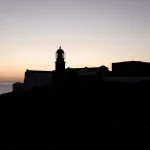
📷 Featured image by Geike Verniers on Unsplash.